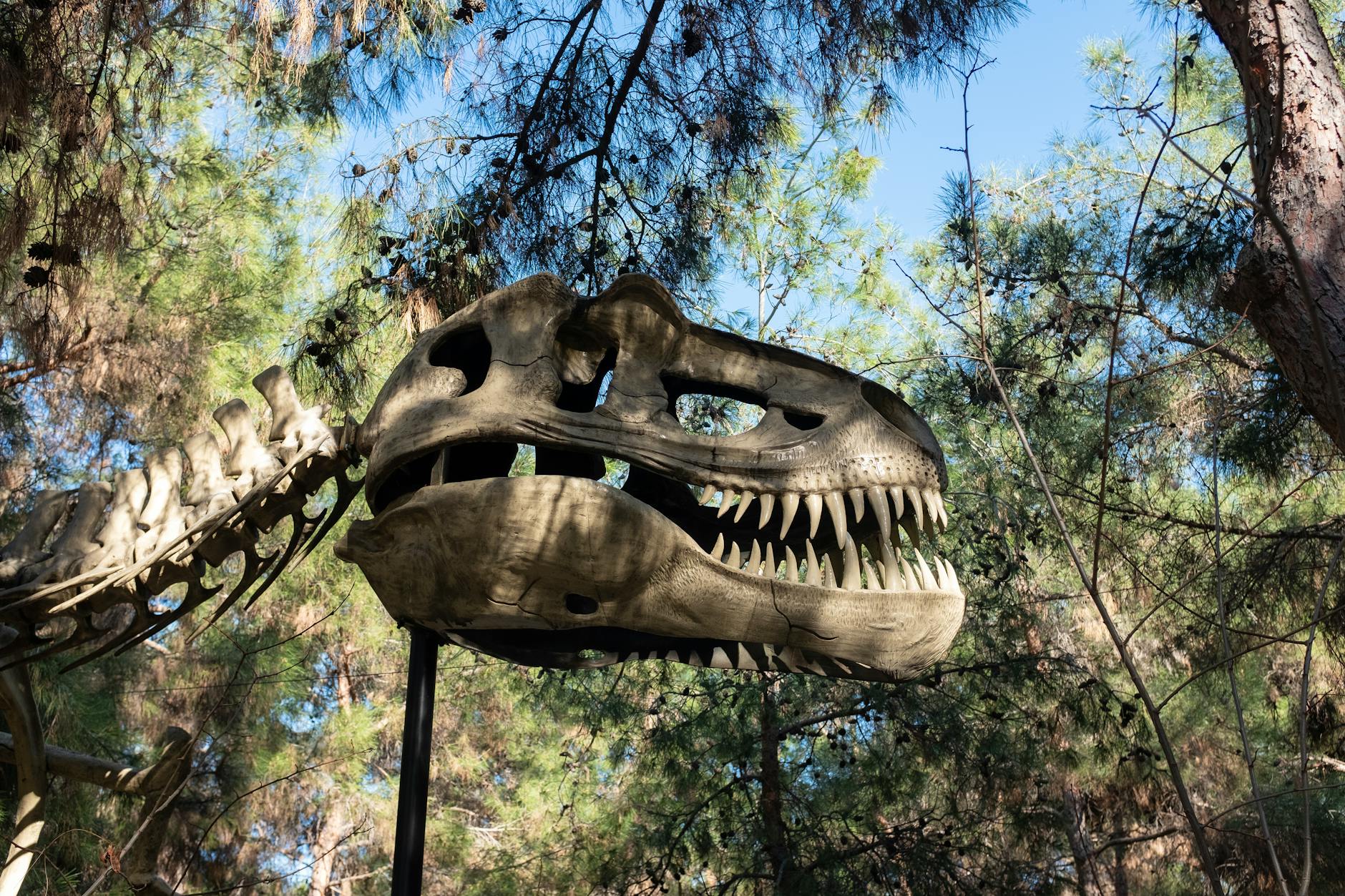
The Pokémon Fossil Museum represents an underappreciated travel destination for collectors and enthusiasts seeking to deepen their understanding of where the franchise’s paleontology obsession actually comes from. Unlike high-traffic Pokémon attractions that prioritize crowds and merchandise sales, a well-curated fossil museum offers collectors something more valuable: direct context for understanding the evolutionary mechanics, Pokémon lore, and design philosophy behind some of the TCG’s most distinctive cards. For a collector hunting vintage Fossil set cards or researching the real science that inspired Aerodactyl, Omastar, and Golem, this type of museum visit transforms collecting from a transaction into a deeper educational experience.
The appeal lies not in Pokémon-branded attractions alone, but in paleontology museums that have quietly become pilgrimage sites for the community. Museums like the Smithsonian’s National Museum of Natural History, the Field Museum in Chicago, or regional institutions have become informal meetup points where collectors recognize each other examining fossil displays. A single afternoon spent examining genuine trilobite specimens alongside someone comparing notes about fossilized Pokémon card pricing creates the kind of organic networking that doesn’t happen at retail locations.
Table of Contents
- How Fossil Museum Visits Connect Collectors to Card History
- The Limitations and Practical Realities of Fossil Tourism
- Fossil Collections as Inspiration for Card Grading and Valuation
- Planning a Collector-Focused Museum Trip
- Rarity and Authentication: What Museums Teach About Genuine vs. Reproduction
- The Community Aspect—Collectors Meeting at Fossil Museums
- The Emerging Trend—Museums Embracing Collector Education
- Conclusion
How Fossil Museum Visits Connect Collectors to Card History
Understanding real paleontology deepens card appreciation in measurable ways. The original fossil set (1999) wasn’t designed in a vacuum—its creatures were clearly inspired by actual paleontological discoveries and museum displays. Walking through a fossil collection and seeing the genuine evolution chain of a creature like Kabuto provides collectors with visual reference material that card images alone cannot convey.
Many serious collectors report that museum visits have changed how they evaluate card art quality, rarity, and even pricing decisions for vintage Fossil set cards. The rarity tiers within the Fossil set begin making more sense when you understand which prehistoric creatures genuinely dominated specific geological periods. Aerodactyl cards, for instance, command higher prices partly because of rarity mechanics, but also because the species itself was genuinely exceptional and rare—a reality that a museum display makes immediately apparent. Collectors who’ve spent time examining Pteranodon, Pterodactyl, and the actual sparse fossil record of flying reptiles tend to grade Aerodactyl cards more discerningly, understanding why its card artwork emphasizes unique anatomical features.

The Limitations and Practical Realities of Fossil Tourism
Not every regional museum offers the same level of fossil collection detail or quality presentation. Some institutions treat fossils as background material to broader natural history exhibits, while others maintain world-class paleontology departments with research-grade specimens. A collector planning a trip should investigate museum websites in advance—checking whether the institution features actual specimens versus reproductions, whether they offer paleontology-focused tours, and whether the fossil collection aligns with Pokémon-relevant periods (Mesozoic Era displays are most relevant). A beautiful natural history museum might disappoint a collector expecting comprehensive fossil displays.
Travel costs can quickly outweigh the value for casual collectors. Flying across the country for a museum visit, combined with accommodation and admission fees, might represent a $500+ investment for a single afternoon of exhibits. This is why the “sleeper” appeal works best for collectors who are already planning travel for other reasons—combining a museum visit with a work trip or vacation makes the economics functional. There’s also the reality that major fossil museums often require multiple visits to truly absorb the collections, making a one-day museum run somewhat rushed.
Fossil Collections as Inspiration for Card Grading and Valuation
Experienced collectors who study actual fossils often become more precise graders. Seeing how fossilized teeth, shells, and bone structures preserve minor imperfections over millions of years creates an intuitive understanding of why card centering, corner wear, and edge quality matter. The Fossil set’s artwork frequently features paleontologically accurate details—the bone structure of certain creatures, the realistic predator positioning—that become more apparent when collectors have visual reference from museum displays.
Real fossil rarity hierarchies also inform card valuation discussions. Some creatures were genuinely rare in paleontological history, and the card set reflected that through pull rates and artwork prominence. A collector who understands that Omastar fossils are actually harder to find in paleontological records might weight a high-graded Omastar card differently in trading negotiations compared to someone who just sees it as “another Fossil set rare.” This contextual knowledge can shift trading decisions worth hundreds of dollars.

Planning a Collector-Focused Museum Trip
Start by identifying which museums have research-level paleontology departments rather than general natural history exhibits. The Smithsonian, Field Museum, American Museum of Natural History in New York, and smaller regional institutions like the University of Alberta’s paleontology museum often have docent-led tours specifically discussing fossil preservation, evolution, and rarity. Booking a paleontology-focused tour rather than a standard museum visit maximizes relevance—a two-hour paleontology tour will provide more useful context than a rushed walk-through general exhibits.
Consider timing your visit to coincide with museum events. Many institutions host fossil-focused lectures, behind-the-scenes collection tours, or temporary exhibits that bring paleontology research to the forefront. These events often attract both serious collectors and academic researchers, creating networking opportunities. The tradeoff is that event-based visits require more advance planning and might limit flexibility, whereas dropping in during regular hours allows spontaneous exploration—but regular visits rarely include the expert guidance that makes the trip truly valuable.
Rarity and Authentication: What Museums Teach About Genuine vs. Reproduction
Major museums maintain authentication standards that directly parallel grading and authentication work in the card collecting community. Observing how paleontologists distinguish genuine fossils from reproductions or partial specimens teaches collectors visual inspection techniques that transfer directly to card authentication. A museum that maintains side-by-side exhibits of genuine fossils and quality reproductions demonstrates the kind of detail-oriented examination that separates expert collectors from casual buyers. One significant warning: not all museum-licensed fossil replicas are created equal.
A $30 fossil replica available in the museum gift shop might be cast from a different specimen than the display piece, introducing subtle anatomical variations. Similarly, vintage Fossil set cards exist in various print qualities, authenticity levels, and regional variants that collectors need to identify. Museums teaching fossil authentication methodology indirectly teach card authentication thinking—the same observational discipline applies. A collector who learns to spot a reproduction fossil in a museum setting becomes better equipped to identify counterfeit or altered Pokémon cards.

The Community Aspect—Collectors Meeting at Fossil Museums
Unlike Pokemon Center locations that attract mainstream tourists, paleontology museums attract collectors specifically interested in the educational material rather than merchandise acquisition. Conversations at genuine fossil museum exhibits tend to be substantive rather than transactional.
Meeting fellow collectors at museum fossil displays often leads to trading networks, collection appraisal conversations, and local community connections that persist beyond the single visit. Some collectors have begun organizing informal meetups at major museum paleontology exhibits, creating review sessions where participants examine Fossil set cards while museum displays provide context. The Denver Museum of Nature and Science and similar institutions with strong paleontology departments have become informal gathering points during specific seasons.
The Emerging Trend—Museums Embracing Collector Education
Several major natural history museums have begun explicitly marketing their fossil collections toward collector communities, recognizing that Pokémon enthusiasm drives foot traffic among younger and adult collectors who might not otherwise visit. This emerging awareness is creating better educational infrastructure—clearer labeling, more detailed displays about prehistoric creatures that inspired Pokémon designs, and even occasional special exhibits exploring the intersection of paleontology and media representation.
The future of fossil museum collecting tourism likely involves more explicit curator engagement with collector communities. As museums recognize that educated collectors become repeat visitors and donors, we’ll probably see more intentional programming designed around the Pokémon-to-paleontology connection. This trend makes visiting fossil museums increasingly worthwhile for collectors seeking both educational context and community connection.
Conclusion
The Pokémon Fossil Museum story works as a sleeper travel destination precisely because it resists obvious commercialization while offering genuine value to collectors willing to approach Pokémon collecting as an educational pursuit rather than a transaction. A museum visit transforms card collecting from isolated hobby work into contextualized learning, improving grading decisions, valuation accuracy, and community connection simultaneously.
For collectors with flexibility in travel plans, a paleontology museum visit becomes a worthwhile investment—even if it requires planning around other travel rather than becoming a primary destination. Serious collectors should begin researching major paleontology museums in their region or travel areas, checking for fossil collections that align with Pokémon-relevant prehistoric periods. Combining a museum visit with local collector meetups or paleontology community events multiplies the value of the trip, transforming a few hours at a museum into a meaningful collector experience that informs card grading and valuation decisions for years afterward.
You Might Also Like
- Why the Pokémon Fossil Museum Is a Surprisingly Smart Franchise Move
- Why Pokémon Jets Are Becoming a Global Travel Story
- Why Fossil Pokémon Are Perfect for a Museum Collaboration