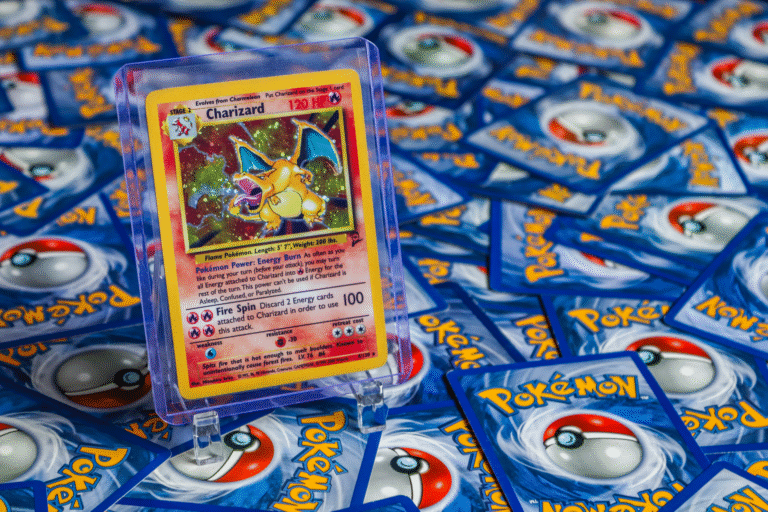
Museums are partnering with pop culture brands like Pokémon because these collaborations solve a fundamental challenge: they bring younger audiences through the doors while generating revenue during a time when traditional funding is shrinking. These partnerships bridge the gap between academic authority and popular culture, allowing museums to remain relevant and financially viable. In 2023, the British Museum’s decision to partner with The Pokémon Company for a special exhibition demonstrated this perfectly. The museum, known for its centuries-old approach to collecting artifacts, created an exhibition that examined Pokémon’s cultural impact and design evolution, generating massive attendance increases and capturing audiences—particularly younger visitors—who might never visit for traditional exhibits.
Beyond attendance numbers, museums recognize that pop culture artifacts and intellectual properties like Pokémon represent genuine cultural phenomena worthy of serious curatorial examination. These aren’t frivolous partnerships designed to seem trendy; they reflect a shift in how institutions understand cultural value. When a museum dedicates exhibition space to Pokémon cards, merchandise, and game design, it’s implicitly validating that collectors, players, and fans are part of a legitimate cultural movement. For Pokémon collectors specifically, this museum validation adds another dimension to the hobby—it transforms card collecting from something dismissed as casual entertainment into a culturally significant practice documented and celebrated by major institutions.
Table of Contents
- Why Major Museums Are Turning to Pop Culture for Audience Growth
- Cultural Legitimacy: Why Museums Now View Pop Culture as Serious Content
- Building Community: How Pokémon Museums Connect With Collectors and Enthusiasts
- Designing Effective Partnerships: What Museums and Brands Do Together
- Navigating the Risks: Authenticity Concerns and Commercial Tensions
- Preserving Pop Culture History for Future Generations
- The Evolution of Museums in the Pop Culture Era
- Conclusion
Why Major Museums Are Turning to Pop Culture for Audience Growth
museums have faced declining budgets and aging visitor demographics for years, making partnerships with cultural juggernauts like pokémon an increasingly attractive business model. A blockbuster Pokémon exhibition draws crowds in ways that traditional medieval art or archaeology exhibits sometimes cannot, allowing museums to cross-subsidize less popular galleries. The numbers tell the story: museums that have hosted Pokémon-related exhibitions or partnerships report attendance spikes ranging from 20 to 40 percent above baseline, and these visitors often spend money on tickets, merchandise, and museum cafes in ways that traditional audiences might not. The financial model works because Pokémon brings built-in audiences.
The franchise has billions of fans globally, and a museum partnership becomes a news story that generates free marketing. Compare this to promoting a historic textile collection—museums must spend heavily on advertising, often with modest results. When the Pokémon Company partners with a museum, both organizations benefit from shared promotional reach. The franchise gets cultural legitimacy and educational framing for its brand; the museum gets visitors and revenue. However, there’s a meaningful limitation here: museums risk being perceived as commercialized venues rather than serious cultural institutions, potentially alienating donors and traditional patrons who view such partnerships as pandering.

Cultural Legitimacy: Why Museums Now View Pop Culture as Serious Content
The landscape of what museums consider “worthy” of exhibition space has fundamentally shifted. Twenty years ago, most major museums would have dismissed Pokémon as too commercial and frivolous to merit curatorial attention. Today, forward-thinking institutions recognize that understanding pop culture is essential to documenting contemporary history and society. Museums now approach Pokémon cards, game mechanics, and character design the same way they approached medieval manuscripts or ancient pottery—as cultural artifacts that tell us something meaningful about the people who created and consumed them. This legitimization happens through serious curatorial work.
When museums partner with Pokémon, they’re often examining topics like game design evolution, the economics of trading card markets, cultural cross-pollination between japan and the West, artistic illustration techniques, and community-building through play. The Museum of Modern Art’s inclusion of video games in its permanent collection set a precedent that digital and pop culture artifacts deserve institutional recognition. Museums now understand that ignoring Pokémon means leaving a significant cultural gap in their historical record. A collector’s rare first-edition Charizard card becomes, in institutional terms, a primary source document for understanding 1990s popular culture and consumer behavior. The limitation, though, is that this legitimacy can feel manufactured if museums approach partnerships superficially, treating Pokémon as merely a draw rather than engaging with its actual cultural significance.
Building Community: How Pokémon Museums Connect With Collectors and Enthusiasts
Museums are increasingly recognizing that Pokémon collectors and TCG players form sophisticated, passionate communities with spending power and deep investment in the franchise. These partnerships create spaces where collectors feel seen and validated. A museum exhibition dedicated to Pokémon card history, rare card displays, or the evolution of card design resonates powerfully with dedicated collectors who’ve sometimes felt their hobby dismissed as childish or frivolous. When the British Museum displayed original Pokémon trading cards alongside critical analysis of their cultural impact, it sent a clear message: your hobby has cultural weight. These partnerships also create unique experiences that can’t be replicated elsewhere.
A museum might display a complete set of original Pokémon cards in climate-controlled, professionally preserved cases, allowing collectors to see pristine examples they may never own themselves. Some museums have partnered with Pokémon to create interactive experiences where visitors can learn about card valuation, rarity assessment, or the mechanics of the card game. Museums become gathering spaces for the community, hosting talks by prominent collectors, card graders, or game designers. However, there’s a real tradeoff: museums often struggle to balance authentic community engagement with the need to educate casual visitors who know nothing about Pokémon. An exhibition designed primarily for dedicated collectors might confuse or bore general audiences, while an exhibition built for newcomers might feel superficial to enthusiasts who understand the nuances.

Designing Effective Partnerships: What Museums and Brands Do Together
Successful Pokémon-museum partnerships typically involve several components. First is exhibition design, where museums create physical or digital spaces showcasing Pokémon cards, game history, artwork, and cultural impact. Second is educational programming—workshops on card grading, talks on the trading card market, or discussions about Japanese design aesthetics and their influence on Western pop culture. Third is curatorial research, where museums actually investigate Pokémon as a historical and cultural phenomenon, not just as a marketing hook.
The most effective partnerships function as genuine collaborations where the museum brings curatorial expertise and the Pokémon Company brings historical materials, financial support, and audience. Some museums create limited-edition merchandise exclusively for the exhibition, allowing them to recapture some exhibition costs while giving fans exclusive collectibles. Others partner on research projects, documenting the history of the TCG, interviewing early game designers, or analyzing how Pokémon trading cards reflect changing attitudes toward collecting and value. A meaningful comparison: the difference between a “pop-up shop that happens to be in a museum” and a “genuine exhibition with scholarly framework” determines whether the partnership elevates both institutions or feels exploitative. Museums that take Pokémon seriously as an object of study produce more meaningful results and build stronger community trust than those treating it as a pure attendance play.
Navigating the Risks: Authenticity Concerns and Commercial Tensions
The biggest risk museums face with pop culture partnerships is loss of institutional credibility. Some members of the cultural establishment view such partnerships as museums abandoning their scholarly missions to chase visitor metrics and revenue. This criticism isn’t entirely unfounded—museums must be careful not to prioritize commercial appeal over genuine curatorial integrity. A Pokémon exhibition that exists purely to move merchandise and doesn’t engage seriously with the franchise as cultural phenomenon will be perceived as inauthentic by collectors and dismissed by critics.
There’s also tension between the museum’s need for artistic independence and the brand’s interest in favorable representation. The Pokémon Company understandably wants exhibitions that present the franchise positively, but genuine curation sometimes requires critical perspectives. What happens when a museum wants to examine problematic aspects of Pokémon’s history—early cards with controversial artwork, the environmental impact of producing billions of cards annually, or the exploitative mechanics sometimes embedded in TCG mechanics designed to encourage spending? Museums must negotiate these conversations carefully to maintain both partnership and credibility. A warning: partnerships that feel overly controlled by the brand or that present an uncritical, purely celebratory view of Pokémon will ultimately damage both institutions. Collectors and serious audiences recognize when a museum has essentially become a brand showcase rather than a space for genuine cultural analysis.

Preserving Pop Culture History for Future Generations
Museums are beginning to understand that they have a responsibility to preserve contemporary pop culture just as seriously as they preserve ancient artifacts. Trading cards, game cartridges, and digital assets are fragile and ephemeral. Without institutional preservation efforts, important cultural artifacts may be lost. A 1999 first-edition Charizard card, chemically unstable and deteriorating in a collector’s uncontrolled environment, might be preserved for centuries in a museum’s climate-controlled vault. Museums are developing expertise in preserving digital games, storing card collections under archival conditions, and maintaining playable versions of Pokémon software that would otherwise become inaccessible as hardware becomes obsolete.
This preservation mission gives museums a serious, long-term role in Pokémon culture. Rather than viewing partnerships as temporary promotional events, institutions are building permanent collections around pop culture artifacts. Museums are hiring curators and conservators specializing in video games, trading cards, and digital media. Some are working with the Pokémon Company to acquire historically significant materials—early design documents, original artwork, rare prototypes—ensuring these materials survive for scholarly research and public engagement decades from now. This represents a fundamental shift in how museums understand their cultural responsibility.
The Evolution of Museums in the Pop Culture Era
The future of museums lies increasingly in recognizing that pop culture is culture, period. The distinction between “high” art and pop culture is becoming outdated, and museums are evolving to reflect that reality. Institutions that resist pop culture partnerships may find themselves increasingly irrelevant to younger audiences while struggling with revenue challenges. Museums that approach such partnerships thoughtfully—with genuine curatorial frameworks and serious engagement—are discovering that they can broaden their missions without sacrificing their values.
We’re likely to see more sophisticated, long-term partnerships between major museums and major brands. Rather than one-off exhibitions, we might see permanent installations, ongoing research collaborations, or museums developing specialized collections in pop culture history. For Pokémon specifically, as the franchise approaches its fourth decade, museums will play an increasingly important role in documenting and legitimizing the cultural phenomenon. The collectors, players, and designers who are central to Pokémon’s success today will be studied by cultural historians tomorrow, and museums are positioning themselves to be the institutions that preserve and contextualize this history.
Conclusion
Museums are partnering with pop culture brands like Pokémon because these collaborations represent a practical solution to financial pressures while also reflecting a genuine evolution in how institutions understand cultural value. The partnerships validate what collectors have always known: that Pokémon is culturally significant, worthy of serious study, and important enough to preserve for future generations. These collaborations transform museums from institutions that ignore pop culture into active participants in shaping how contemporary culture is understood and documented.
For Pokémon collectors, museum partnerships offer meaningful validation and unique educational experiences. The next time a major museum announces a Pokémon collaboration, it’s worth paying attention—these exhibitions represent institutional recognition that your hobby is genuinely important. As museums continue to evolve, we’ll likely see deeper, more sophisticated partnerships that treat pop culture not as a gimmick to boost attendance but as an essential part of the cultural record. The legitimacy that museums bring to Pokémon reflects a larger shift in how society understands the relationship between entertainment, art, and culture.