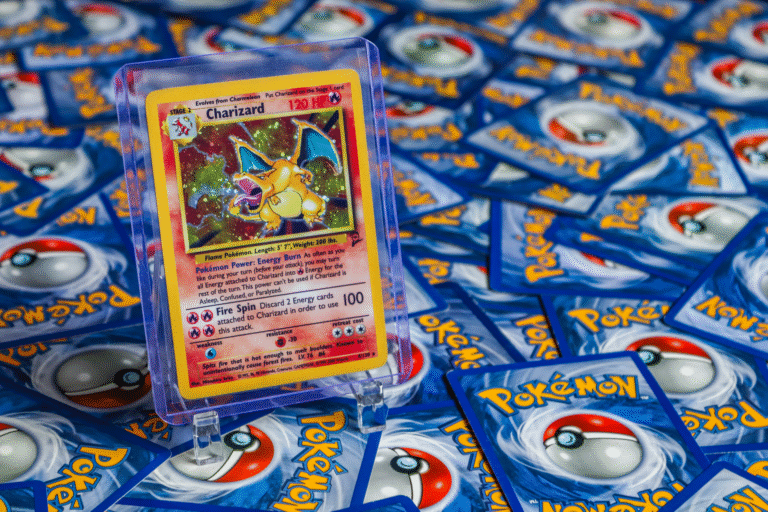
The Chicago Pokémon Exhibit represents a significant shift in how major cities approach family tourism by transforming a niche collector interest into mainstream destination appeal. Rather than being relegated to convention halls, Pokémon-themed experiences are now anchoring serious cultural institutions and drawing families who might have never engaged with the franchise before. This exhibit matters because it demonstrates that properties once dismissed as temporary trends now generate the kind of sustained foot traffic and economic activity that rival traditional tourist attractions, fundamentally changing how cities compete for family spending.
For Chicago specifically, the exhibit translates into a multi-month draw that brings families into neighborhoods, fills hotel rooms, and sustains revenue for restaurants and transit systems during periods that might otherwise see seasonal tourism dips. A family of four planning a weekend trip to see the exhibit might spend $300-500 on admission alone, then allocate another $400-800 on hotels, meals, and incidental purchases—numbers that accumulate quickly when multiplied across thousands of daily visitors. This isn’t secondary benefit; it’s the primary economic engine justifying the exhibit’s presence in premium urban real estate.
Table of Contents
- How Does a Pokémon Exhibit Drive Chicago Family Tourism?
- What Families Should Know About the Exhibit Experience
- Economic Impact and Local Business Opportunities
- Planning Your Family Visit to the Chicago Pokémon Exhibit
- Common Challenges and Limitations for Families
- How This Compares to Other Major Chicago Attractions
- The Future of Pop Culture Exhibitions in Chicago
- Conclusion
How Does a Pokémon Exhibit Drive Chicago Family Tourism?
The exhibit drives tourism through multiple channels that extend beyond the venue itself. Unlike a restaurant or theater, a pokémon exhibit creates a reason for families to plan entire trips rather than just visit during existing vacations. parents who grew up with Pokémon are now bringing their own children, creating intergenerational appeal that stretches across age groups and gives the experience cultural legitimacy beyond just “kids’ entertainment.” The exhibit also benefits from social media amplification—families document experiences, creating organic marketing that reaches far beyond traditional tourism advertising. The mechanics of this tourism draw are straightforward but powerful. A three-day family visit to see the Chicago Pokémon Exhibit might include the exhibit itself, meals at nearby restaurants, hotel accommodations, transportation, and purchases at related retail locations. Compare this to a family visiting Chicago for the Millennium Park Cloud Gate sculpture, which requires no admission but offers less structured time allocation.
The Pokémon Exhibit, by contrast, consumes 3-5 hours of a day and anchors the entire itinerary, making it easier for families to justify the expense of a multi-day trip. Hotels near the exhibit location report increased occupancy rates during exhibit months, and nearby retailers extend their hours to accommodate traffic. Chicago’s existing tourism infrastructure amplifies this effect. The city already has sophisticated hotel networks, transit systems, and restaurants designed to handle millions of annual visitors. Adding a high-draw exhibit doesn’t require building that infrastructure from scratch; it simply redirects existing family tourism spending from established attractions to a new destination. However, this also means peak visiting periods can overwhelm local capacity—restaurants near the exhibit may implement reservation-only policies, and transit delays become common during weekend afternoons when families attempt to leave simultaneously.

What Families Should Know About the Exhibit Experience
The actual experience varies significantly based on when families visit, which directly affects the value proposition. Peak times—weekends, school holidays, and summer months—mean waiting 60-90 minutes for entry, crowded viewing areas where children struggle to see displays clearly, and merchandise lines that can exceed an hour. Families expecting an intimate experience with artifacts or hands-on interaction often encounter a more rushed, observation-based tour instead. A family visiting on a Tuesday morning in May will have an entirely different experience than one arriving on a Saturday in June, yet both paid the same admission price. The exhibit design itself shapes what families gain from the visit. Most contemporary Pokémon exhibits balance genuine collector artifacts with commercial elements—limited merchandise availability, photo opportunities, and interactive displays designed to drive purchasing decisions.
Families sometimes arrive expecting an educational experience and instead find a curated shopping experience with educational elements. Parents with children under six often find limited value, as interactive stations are designed for kids aged 8-14, and younger visitors tire during multi-hour visits. Parents should budget 2-3 hours for a thorough visit with children, not the 45 minutes some marketing materials suggest. One critical limitation is that exhibits are time-limited. Unlike the Art Institute of Chicago or Field Museum, which families can revisit freely with memberships, a Pokémon exhibit has a defined closing date. Families who delay visiting may miss the opportunity entirely, creating urgency that leads to rushed planning and higher willingness to pay premium prices for services. The exhibit’s temporary nature also means families cannot return for a second visit during low-traffic periods if they’re unsatisfied with their first experience—the exhibit will have moved on or closed.
Economic Impact and Local Business Opportunities
The economic ripples from a major exhibit extend far beyond admission revenue. Hotels within walking distance or a short transit ride report 15-25% occupancy increases during exhibit months, allowing them to raise rates 10-20% above baseline pricing for the season. A mid-range hotel typically earns $150-200 per room per night; during exhibit season, that same room commands $180-240. Over a six-month exhibit run with enhanced occupancy, a 200-room hotel might earn an additional $300,000-500,000 in revenue—enough to justify staffing increases, facility upgrades, or service improvements beyond what would normally be budgeted. Restaurants and retail within the exhibit neighborhood experience similar gains. Popular restaurants implement peak-hour reservation systems, raising average check sizes by featuring premium menu items and limited-time offerings.
Coffee shops and casual food businesses near the exhibit entrance see lines extending into the street during morning and mid-afternoon periods. However, this creates a tradeoff: local residents often find their neighborhood temporarily less accessible, parking becomes extremely difficult, and the seasonal nature of the tourism influx means these businesses cannot sustain the seasonal staffing levels year-round, creating employment instability. Retail presents the most complex economic picture. The exhibit itself generates merchandise sales—Pokémon trading cards, collectibles, and branded items sold at premium pricing represent significant revenue for the exhibit operator. However, this can cannibalize sales at nearby card shops and collector retailers. A collector visiting chicago might purchase $200-300 in merchandise at the exhibit gift shop instead of spreading that spending across independent retailers they would have discovered independently. Over thousands of visitors, this concentration of spending in the exhibit venue disadvantages local businesses that don’t benefit from foot traffic but face increased rent costs as property values rise.

Planning Your Family Visit to the Chicago Pokémon Exhibit
Strategic planning dramatically improves the family experience and value obtained. Families should target weekday visits outside school holiday periods—typically Tuesday through Thursday mornings in regular school months offer the best crowd conditions. A family visiting during off-peak hours spends 20-30 minutes entering the exhibit and navigating it comfortably, compared to 90+ minutes during peak periods. Time savings alone justify the cost difference between a hotel stay on a premium weekend versus a mid-week hotel rate, often yielding overall savings despite similar admission prices. Advance research on exhibit layout and planned duration prevents overspending and disappointment. Families should review visitor reviews on timing expectations, understand which merchandise requires advance purchase, and determine whether interactive elements suit their children’s ages.
Some families book tickets weeks in advance during peak periods and guarantee entry, while others risk walk-up availability and potentially find entry sold out. Advance purchase typically costs 10-15% more than day-of pricing, but guarantees entry and prevents the scenario where families travel to Chicago only to find the exhibit fully booked. Logistically, families should consider whether hotel proximity to the exhibit justifies premium rates. A family paying $60 more per night for a hotel within walking distance might save $40-60 on transportation costs and parking fees, particularly if traveling with young children where transit time is limited. However, a hotel 15 minutes away by transit combined with a transit pass can sometimes provide better value than paying premium rates for proximity. The equation changes based on group size, children’s ages, and how many days the family plans to visit, making it essential to model costs explicitly rather than assuming proximity equals value.
Common Challenges and Limitations for Families
Accessibility issues frustrate many families during peak visiting periods. Families with strollers find crowded pathways difficult to navigate; elderly grandparents accompanying family groups often become exhausted by standing periods and slow-moving lines. The exhibit design typically cannot be modified mid-run to improve accessibility—families cannot demand wider pathways or additional seating—making accessibility limitations fixed constraints rather than manageable problems. Families with mobility challenges should specifically inquire about accessibility features before visiting and potentially target early-opening times when pathways remain clearer. Merchandise availability and pricing present another limitation that families discover upon arrival. Popular items—specific Pokémon cards, limited edition collectibles, or exclusive apparel—sell out daily, particularly of items marketed as limited. A family arriving late in the day may find their desired purchases unavailable, despite budget allocation for merchandise.
Pricing also frustrates—a Pokémon card booster pack costing $3.99 at retail locations may cost $6.99 at the exhibit gift shop, and families committed to the trip have limited alternatives once inside. This pricing gap understandably frustrates collectors who understand market values, though casual families may not realize they’re paying premium prices. The most significant long-term limitation is exhibit closure. Unlike permanent attractions, families cannot spread visits across seasons or revisit if they want a second experience. If an exhibit closes suddenly due to attendance shortfalls or external factors, families who delayed visiting lose the opportunity entirely. During the COVID-19 pandemic, several exhibits closed prematurely, leaving families who had planned and paid for trips without recourse. Travel insurance and flexible booking policies become more valuable for exhibit tourism than for traditional attractions, yet many families don’t consider this risk.

How This Compares to Other Major Chicago Attractions
The Pokémon Exhibit competes directly with established Chicago attractions for family spending time and dollars, yet operates under fundamentally different constraints. The Art Institute costs $18 for adults and offers membership options; a Pokémon Exhibit may cost $25-35 with no membership discount, narrowing to single-visit economics. However, the Pokémon Exhibit offers a self-contained, 2-4 hour experience, whereas the Art Institute requires entire days to fully experience. For families with limited time, the exhibit provides higher-efficiency tourism—concentrated value in a defined timeframe, compared to the sprawling experience of major museums. Navy Pier, another major Chicago family destination, provides indoor attractions, dining, and entertainment at various price points, allowing families to spend 2-4 hours or 6-8 hours depending on interest.
The Pokémon Exhibit, by contrast, offers less flexibility—the experience typically takes 2-3 hours regardless of family interest level, and there are no variable-pricing options for shorter visits. This makes the exhibit better suited for families planning a comprehensive Pokémon-focused trip, but less suitable for families who want to include the exhibit as one activity among many during a Chicago visit. Shedd Aquarium and Field Museum both offer educational value with extensive exhibits, gift shops, and extended time allocations; a family might spend an entire day at either location. The Pokémon Exhibit is fundamentally different in scope—more comparable to special exhibitions within museums than to the museum experience itself. However, the exhibit’s topical focus creates stronger motivation for specific family segments, potentially drawing families to Chicago who wouldn’t otherwise visit, which explains why tourism boards invest in hosting these events despite competition with established institutions.
The Future of Pop Culture Exhibitions in Chicago
The success of the Chicago Pokémon Exhibit establishes a template for future major franchises seeking city partnerships. Video game exhibitions, anime showcases, and other pop culture properties are likely to follow, potentially creating a rotation of timed exhibitions that sustain tourism during off-seasons. This benefits cities by increasing year-round tourism spending but risks oversaturation—families with competing exhibition options might spread spending across multiple events, or experience fatigue if excessive exhibition competition makes each event feel less special.
Chicago’s role as a hub for pop culture tourism is evolving. The city’s existing museums and institutions provide legitimacy and cultural weight that suburban venues cannot replicate, but they also impose curatorial standards that purely commercial exhibitions might not meet. Future exhibitions will likely need to balance commercial viability with institutional credibility, creating exhibits that appeal to collectors and casual families simultaneously. The Pokémon Exhibit represents the intersection of these forces—a franchise property presented in a major cultural venue, generating meaningful tourism revenue while maintaining enough educational or cultural value to justify institutional partnership.
Conclusion
The Chicago Pokémon Exhibit means that families now have a legitimate, major reason to plan Chicago trips centered on specific pop culture interests rather than traditional museum tourism. This shifts family tourism dynamics by creating seasonal spending opportunities for hotels, restaurants, and transit systems while generating the kind of sustained foot traffic that justifies premium real estate costs. For families, it represents an option that trades some flexibility and long-term repeat-visit value for concentrated, efficient entertainment that appeals to specific interests and age groups.
Families planning Chicago visits should approach the exhibit strategically—booking off-peak times when possible, understanding crowd and merchandise dynamics, and evaluating whether the experience suits their children’s ages and interests. The exhibit is neither revolutionary tourism infrastructure nor a permanent destination, but rather a temporary opportunity that rewards families who plan deliberately and understand the constraints that temporary exhibitions create. For Chicago’s tourism economy, the exhibit represents validation that mainstream institutional space now welcomes pop culture properties, permanently reshaping how cities think about family tourism attractions.