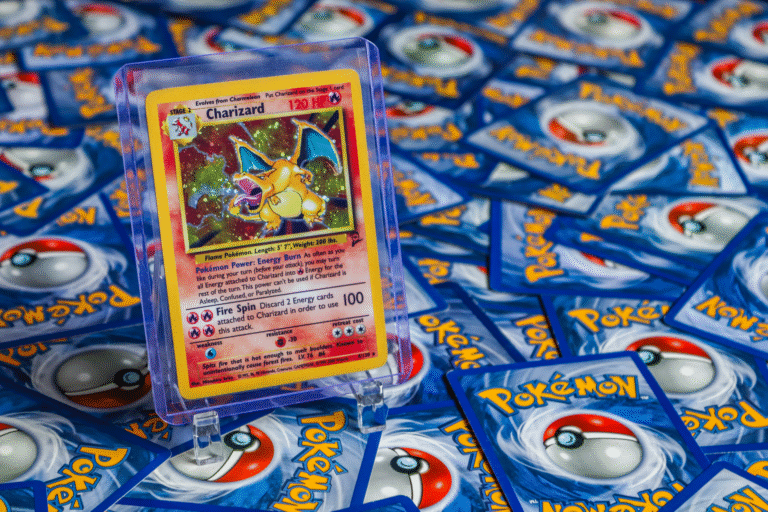
The Pokémon Fossil Museum represents a calculated franchise expansion that does far more than create a tourist attraction—it strategically reinforces the value proposition of Pokémon card collecting and deepens the franchise’s grip on a core demographic that drives real revenue. By creating a physical space dedicated to Pokémon’s most evocative theme, The Pokémon Company is not simply capitalizing on nostalgia; they’re building infrastructure that directly influences collecting behavior, card demand, and ultimately, secondary market prices.
When collectors visit a museum celebrating fossil Pokémon and their cultural significance, they return home with renewed urgency to complete their collections—specifically targeting cards that the museum has repositioned as culturally significant artifacts rather than mere trading cards. This move reflects a sophisticated understanding of how physical spaces shape collecting culture. Similar to how sneaker museums have elevated athletic footwear from functional items to collectible objects, the Fossil Museum elevates cards from the Fossil set and fossil-themed Pokémon across all generations from “older cards” to “historically important pieces.” The museum also serves as a testing ground for what The Pokémon Company can accomplish with experiential retail, positioning them to expand this model globally and into other themed spaces—each one creating secondary demand waves.
Table of Contents
- How Museum Attractions Create Sustainable Collector Demand
- The Collector Psychology Behind Curated Museum Spaces
- Revenue Diversification Beyond Card Sales
- How This Strategy Differs from Traditional Card Marketing
- Potential Risks and Market Saturation Concerns
- The Effect on Secondary Market Pricing
- Future Implications for Pokémon’s Physical Retail Strategy
- Conclusion
- Frequently Asked Questions
How Museum Attractions Create Sustainable Collector Demand
Physical museums dedicated to collectibles have a documented effect on market dynamics. When the Lego Company opened architecture-themed experiences and museums, subsequent Lego sets appreciated faster than comparable sets without such cultural reinforcement. The pokémon Fossil Museum operates on the same principle: it takes cards that were printed decades ago and gives them cultural weight, transforming them from “cards from the late 1990s” into “pieces of Pokémon history that museums consider worthy of exhibition.” This recontextualization matters enormously to collectors who are often motivated not just by scarcity, but by significance.
The museum approach also creates a self-reinforcing cycle. A collector visits the museum, learns about fossil Pokémon in the broader context of the franchise’s evolution, and then researches which fossil cards remain affordable in their collection—only to discover that certain cards they thought were common are actually becoming harder to find in good condition. Museums drive research, and research drives demand. This is particularly effective in the Pokémon market because fossil-themed cards span multiple generations (Gen 1 Fossil Set, Expedition, Platinum DP era, modern sets), allowing the museum to highlight cards across a wider price range and rarity spectrum.

The Collector Psychology Behind Curated Museum Spaces
Museums operate as authority figures in the collecting world. When a major institution like The Pokémon Company officially says “these cards matter” by featuring them in a curated space, it validates what serious collectors already suspect while convincing newer collectors that this is where value actually resides. This is particularly powerful in Pokémon’s market because much of the collecting world still operates on rumor, YouTube hype, and social media trends.
A museum provides institutional legitimacy that a product endorsement or marketing campaign simply cannot replicate. However, there’s a significant limitation to this approach: museums can inadvertently devalue cards they don’t feature. If the Fossil Museum focuses heavily on, say, Zapdos and Moltres fossil cards while giving limited attention to Articuno, collectors may interpret this as a signal that Zapdos and Moltres are “the important ones,” which could artificially suppress demand for overlooked fossil Pokémon. The Pokémon Company will need to carefully balance which cards receive prominent museum placement to avoid accidentally signaling that some fossil cards matter less than others—a message that could ripple through the secondary market.
Revenue Diversification Beyond Card Sales
Museums are frequently overlooked as franchise revenue sources, but they function as powerful margin multipliers. Entry fees generate direct revenue, merchandise sales (museum-exclusive products, limited prints, premium reproductions) create secondary revenue streams, and the museum drives foot traffic to Pokémon Center locations and partner retailers within the same physical spaces. More critically, a museum establishes a reason for international travel, which justifies higher-value experiences: VIP tours, auction previews, collector meetups, and product launches.
The Fossil Museum also serves as a data-collection tool. Every visitor represents information about collector demographics, geographic distribution, and which Pokémon/cards generate the most engagement. This intelligence allows The Pokémon Company to tailor future product releases, reprints, and themed expansions based on what physical visitors respond to. In 2024-2025, card game publishers are increasingly aware that understanding collector behavior at scale is worth millions in R&D value alone.

How This Strategy Differs from Traditional Card Marketing
Traditional Pokémon marketing relies on product announcements, YouTube influencers, and retail visibility. The Fossil Museum operates in a completely different channel: experience-based, location-dependent, and impossible to replicate digitally. This matters because collector communities have become increasingly skeptical of digital marketing. A YouTube creator hyping a set feels transactional; visiting a museum and seeing cards presented as historical artifacts feels organic. The museum approach also bypasses the saturation problem in traditional media—it creates a reason for people to actively seek out Pokémon rather than waiting for Pokémon to reach them through ads.
The strategic difference also extends to pricing power. Products marketed through traditional channels are subject to discount pressure and secondary market competition. A museum, by contrast, creates value that cannot be discounted or undercut. A museum-exclusive merchandise item or a commemorative product tied to the museum experience operates in a completely different competitive landscape. This gives The Pokémon Company pricing leverage that standard card releases simply don’t have.
Potential Risks and Market Saturation Concerns
The Fossil Museum’s success depends entirely on its ability to remain culturally relevant and authentically curated. If the museum feels like a thinly-veiled cash grab—or if it features low-quality reproductions instead of high-grade originals—it will damage the franchise’s reputation with serious collectors. The Pokémon card community has already demonstrated strong skepticism toward exploitative products; a poorly executed museum experience could accelerate that skepticism and actually depress demand for fossil-themed cards. There’s also a risk of museum fatigue.
If The Pokémon Company launches too many museum spaces too quickly, each one loses its novelty and exclusivity. A Fossil Museum in Tokyo has impact. A Fossil Museum in Tokyo, New York, and London? Each subsequent location diminishes the experience-based scarcity that makes the original compelling. The company will need to resist the temptation to franchise the museum concept aggressively in the short term, even if it seems profitable to do so.

The Effect on Secondary Market Pricing
Museums create measurable effects on secondary markets. Cards featured prominently in exhibitions typically appreciate faster than comparable cards, while cards that are overlooked or minimally displayed may appreciate more slowly. Graded fossil cards with strong museum visibility should outperform non-graded or low-visibility equivalents. For collectors evaluating which fossil cards to invest in, the museum essentially functions as a curated “best list” that the market will eventually price in.
The museum will likely create short-term pricing volatility. Collectors who visit will rush to acquire fossil cards they felt emotional connections to, creating temporary demand spikes. However, smart sellers will use these spikes as exit opportunities, assuming the museum effect levels off over time. The secondary market will eventually find equilibrium, but that process may take 12-24 months.
Future Implications for Pokémon’s Physical Retail Strategy
The Fossil Museum is not a one-off experiment; it’s a proof-of-concept for a larger strategy. If it succeeds, expect The Pokémon Company to expand into themed museums covering other eras (Gym Heroes, Neo Genesis, Shadowless sets) or other Pokémon themes (Legendary Dragons, Shining Pokémon, specific regional collections). Each museum would operate as a demand-generation engine for a distinct collector segment.
This strategy also signals a shift in how The Pokémon Company views their core products. Rather than treating cards primarily as trading items that generate their value through gameplay and rarity, the company is treating them as cultural artifacts worthy of institutional preservation and study. This reframing, if successful, could elevate the entire Pokémon card market away from speculative boom-and-bust cycles and toward more stable, appreciation-based investing—which ultimately benefits serious collectors and the franchise’s long-term health.
Conclusion
The Pokémon Fossil Museum is a surprisingly smart franchise move because it operates at the intersection of cultural legitimacy, demand generation, and revenue diversification. By transforming fossil Pokémon cards from vintage collectibles into historically significant artifacts, the museum creates sustained collector interest, validates purchasing decisions, and generates revenue through multiple channels—all while building infrastructure that The Pokémon Company can expand and replicate. For collectors, the museum represents an institutional endorsement of the fossil theme, which will likely translate into measurable appreciation for featured cards over the next 1-2 years.
Looking forward, collectors should view the Fossil Museum as a signal that The Pokémon Company is serious about legitimizing the secondary market and investing in experience-based engagement. This suggests that fossil-themed cards—particularly high-grade originals and museum-adjacent Pokémon—represent solid long-term positions in any serious collection. However, it also suggests that the fragmented collector market may soon be restructured around The Pokémon Company’s curated narrative, which means early awareness of future museum announcements could provide significant advantages in anticipating the next appreciation cycle.
Frequently Asked Questions
Will the Fossil Museum cause fossil card prices to spike immediately?
Likely yes, but the spike may be short-lived. Initial museum hype will drive demand, but prices should normalize after 6-12 months. Smart collectors should wait for the spike to settle before making major purchases.
Which fossil cards will appreciate the most because of the museum?
The cards featured most prominently in the museum will likely appreciate fastest. However, cards overlooked by the museum may actually underperform relative to the broader set, so condition and centering matter more than ever.
Is the Fossil Museum just a cash grab, or does it genuinely benefit the franchise?
It functions as both. The Pokémon Company profits from admission and merchandise, but the museum also legitimizes the collecting community and creates lasting value that extends beyond short-term revenue. It’s a strategic play, not pure opportunism.
Should I buy fossil cards before or after visiting the museum?
If you’re planning to visit, acquire cards before the visit. Prices typically spike during hype periods. Buy after the initial surge settles if you’re investing for long-term appreciation.
Will this strategy expand to other Pokémon themes?
Almost certainly. If the Fossil Museum succeeds, expect museums dedicated to other eras (Neo Genesis, Gym Heroes) or themes (Legendary Pokémon, Shining Pokémon). Each would follow a similar demand-generation pattern.
How does the museum affect card grading demand?
Museum visibility should increase grading demand, particularly for cards featured in exhibitions. Ungraded cards may face downward pricing pressure as collectors increasingly prefer verified condition for museum-adjacent pieces.