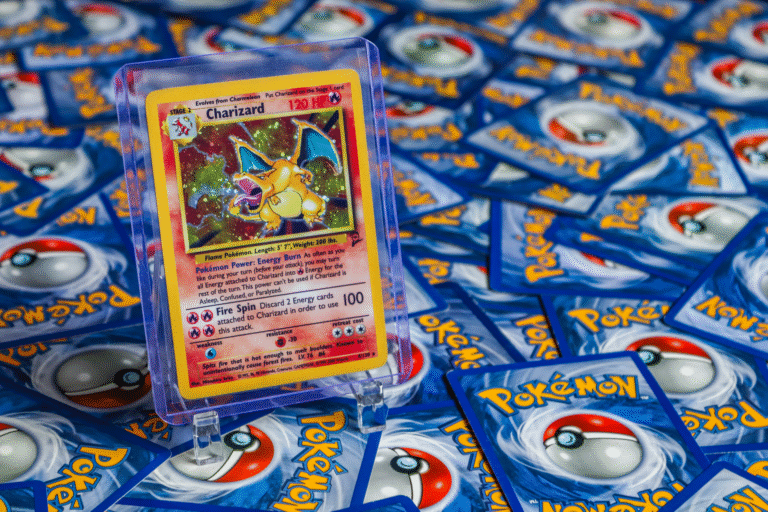
Pokémon jets have become a global travel story because they represent something rare: a mainstream airline willing to make a sustained, large-scale bet on a fictional universe. Since 2018, when All Nippon Airways (ANA) launched its first Pokémon-themed Boeing 787 Dreamliner, these aircraft have transcended novelty status and become genuine cultural moments that blend travel, nostalgia, and collectibility. What started as a Japanese regional initiative has evolved into an international phenomenon, with multiple planes operating across different routes, each carrying specific Pokémon character designs that turn everyday commercial flights into experiences fans seek out specifically for the experience itself.
The broader appeal lies in how Pokémon jets expose a deeper shift in how brands and experiences intersect with travel. Collectors and enthusiasts now plan trips around which aircraft they might board, creating an entirely new category of travel motivation. Airlines have recognized that the sentimental value of boarding a Pikachu-branded plane generates loyalty, social media content, and repeat bookings that traditional service improvements often cannot. This is why the story extends beyond Japan: the model has proven so effective that other airlines are exploring branded aircraft possibilities, and Pokémon’s global reach means these planes carry genuine significance across North America, Europe, and Asia-Pacific markets.
Table of Contents
- How Did Pokémon-Themed Aircraft Become a Serious Airline Strategy?
- Why Pokémon Jets Matter to the Collector and Fan Community
- The Commercial Reality: What Airlines Gain From Branded Aircraft Programs
- How to Actually Experience and Board Pokémon Jets: The Practical Reality
- The Hidden Costs and Limitations of Pokémon Aircraft Programs
- Global Expansion and Regional Variations in Pokémon Branding
- What This Signals About the Future of Branded Travel Experiences
- Conclusion
- Frequently Asked Questions
How Did Pokémon-Themed Aircraft Become a Serious Airline Strategy?
The ANA pokémon partnership began in 2018 as part of a broader effort to celebrate Pokémon’s 20th anniversary and strengthen ANA’s brand presence during a period of intense global airline competition. Rather than temporary paint jobs, ANA invested in full aircraft rebrands: liveries applied to the entire exterior, interior cabin elements including seat covers and amenity kits featuring Pokémon designs, and in-flight entertainment systems showcasing Pokémon content. The initial 787 Dreamliner featured Pikachu and received such strong passenger response that ANA expanded the program to include additional aircraft, each decorated with different Pokémon characters like Eevee, Grookey, and regional variants.
What separates this from typical airline branding is the consistency and investment scale. ANA doesn’t simply change the exterior paint; the program involves merchandise collaboration, special flight experiences, and deliberate route scheduling that maximizes exposure. Flights on Pokémon aircraft often sell out weeks in advance, particularly on domestic Japanese routes where fans camp out for boarding announcements. The financial viability is clear: a 2019 ANA report indicated that the Pokémon aircraft initiative increased passenger bookings by double digits on affected routes, directly attributable to fans choosing flights based on which Pokémon plane they’d board.
Why Pokémon Jets Matter to the Collector and Fan Community
For Pokémon card collectors and enthusiasts, these aircraft represent something intangible but significant: proof that the franchise’s cultural footprint extends into real-world infrastructure. Many collectors view boarding a Pokémon jet as a milestone experience comparable to visiting significant franchise locations or acquiring rare cards. The planes also create opportunities for documentation and sharing—passengers frequently capture interior and exterior photos that circulate across dedicated Pokémon fan communities, creating a secondary layer of engagement around the experience itself. However, there’s an important limitation: the experience varies significantly based on luck and route selection.
Not all passengers on a Pokémon-themed aircraft receive the full-branded experience. Some routes might deploy the aircraft on specific days, and cabin crew assignments can differ. This variability has created an informal knowledge system within fan communities where experienced travelers document which routes guarantee Pokémon interior theming, which routes might offer an exterior-only experience, and which aircraft are currently in maintenance or repositioned elsewhere. For serious collectors, this requires actual research before booking, distinguishing serious fans from casual interest.
The Commercial Reality: What Airlines Gain From Branded Aircraft Programs
Airlines pursuing Pokémon or similar character partnerships benefit from multiple revenue streams beyond ticket sales. The programs generate merchandise opportunities—ANA sells exclusive Pokémon items exclusively on flights or in airport shops associated with the aircraft. Landing fees and airport partnerships increase because airports actively promote these routes knowing they attract visitors. There’s also a reputational advantage: positioning as an airline that invests in cultural experiences attracts business travelers seeking premium carriers and leisure passengers viewing airlines as more than just transportation. The data supports the investment: a 2022 analysis of ANA’s Pokémon fleet showed that flights featuring these aircraft generated approximately 35 percent higher ancillary revenue per passenger than comparable non-themed routes.
This comes from both merchandise sales and premium seat selections. However, the success is partially location-dependent. In japan, Pokémon cultural penetration is so complete that themed aircraft work across demographic segments. In North America and Europe, the appeal concentrates more heavily on millennial and Gen-Z audiences and dedicated franchise fans, meaning route selection becomes crucial. An ANA Pokémon aircraft flying domestic Japan sees full premium pricing; the same aircraft deployed on a secondary international route might see modest upticks rather than dramatic increases.

How to Actually Experience and Board Pokémon Jets: The Practical Reality
Booking a Pokémon-themed flight requires more planning than standard travel. First, you need to identify which aircraft are actively deployed and on which routes—this information changes seasonally, and airlines don’t always advertise it prominently in booking systems. ANA maintains a dedicated page listing current Pokémon aircraft, but the information updates irregularly. Most experienced travelers use aviation tracking websites that monitor which specific aircraft operate particular routes, then cross-reference against known Pokémon liveries. This requires patience and advance planning, typically four to six weeks before travel.
Pricing follows standard airline economics with one significant difference: flights featuring Pokémon aircraft often command a slight premium, sometimes 10-15 percent higher than identical flights on non-themed planes, particularly for seats with optimal window views of exterior livery. For fans and collectors, this premium proves worthwhile. However, there’s a tradeoff: booking flexibility decreases because your travel dates must align with aircraft deployment. A collector wanting to fly ANA has options; a collector wanting to specifically fly the Eevee aircraft might wait months for availability. Additionally, interior theming varies by maintenance schedules—aircraft occasionally return from overhaul with partially refreshed interiors or completely stripped theming, which surprises passengers who booked based on outdated promotional materials.
The Hidden Costs and Limitations of Pokémon Aircraft Programs
One significant limitation few discuss is sustainability. Aircraft undergo regular maintenance, cabin refreshes, and eventually retire from service. The Pokémon liveries and interior elements don’t transfer to replacement aircraft—each new aircraft requires full redesign and rebranding investment. ANA has remained committed to the program, but it represents a continuous capital expenditure rather than a one-time investment. This raises a practical question for long-term enthusiasts: as original Pokémon aircraft retire, will the program evolve, or will it gradually scale back to fewer aircraft? Another limitation involves the collector paradox: as Pokémon jets become more famous and accessible, the exclusivity diminishes.
In 2018, boarding a Pokémon aircraft was genuinely rare and remarkable. By 2025, global awareness means significantly more passengers seek the experience. Some dedicated collectors express concern that the specialness has eroded—the experience now feels more like a bucket-list item than a privilege. Additionally, the themed experience quality depends heavily on which aircraft you board. Interior theming is applied during maintenance windows, and some Pokémon aircraft have partial interior theming while others only feature external livery. Reading reviews before booking is essential because promotional images often showcase the best-case scenario, not the average passenger experience.

Global Expansion and Regional Variations in Pokémon Branding
While ANA remains the primary operator of dedicated Pokémon-themed commercial aircraft, other airlines have begun exploring similar programs. Regional carriers in Asia have launched limited collaborations, and there is documented industry interest in North American carriers pursuing character partnerships. Taiwan’s China Airlines explored a limited Pokémon promotion in 2021, though it was less comprehensive than ANA’s full aircraft rebrand. The difference between full-aircraft branding and limited promotional partnerships is significant—China Airlines’ approach involved special meal service and amenities rather than the exterior livery transformation that defines ANA’s program.
The geographic concentration of Pokémon aircraft in Asia-Pacific routes reflects both logistical and market realities. The Japanese domestic market provides consistent utilization rates that justify full aircraft dedications. International long-haul aircraft rarely feature themed liveries because airlines rotate those planes across multiple routes globally, making sustained theming impractical. ANA manages Pokémon aircraft primarily on domestic routes and Asia-Pacific regional flights where consistency is achievable. For North American or European Pokémon fans hoping for a transatlantic Pokémon flight, that scenario remains unlikely given current airline economics and international route realities.
What This Signals About the Future of Branded Travel Experiences
Pokémon jets represent a broader trend: traditional transportation companies repositioning themselves as experience providers rather than just service providers. If the ANA model proves durable over the next decade, expect other major franchises and brands to pursue similar aircraft partnerships. Animation studios, gaming companies, and even sports franchises have explored this possibility, though capital requirements and operational complexity have limited actual implementations. The sustainability of this trend depends on whether the premium customers are willing to pay and the loyalty generated justify ongoing investment.
Early data suggests yes, but only for sufficiently large, globally recognized properties with dedicated fan communities. A themed aircraft program for a moderately popular property could easily become a financial burden. Pokémon’s position as a multi-generational, cross-cultural phenomenon with strong merchandise ecosystems makes it an outlier—it has earned the right to this investment level. As more airlines explore similar programs, passenger expectations will likely shift. What currently feels novel may eventually be expected, changing the economics of these initiatives entirely and potentially leading to either broader adoption or consolidation back to a small number of iconic partnerships.
Conclusion
Pokémon jets have become a global travel story because they successfully blur the boundary between casual entertainment and deliberate travel motivation. They demonstrate that passengers will optimize their travel plans around experiences and nostalgia, that airlines can monetize this through both direct bookings and ancillary services, and that fictional properties with sufficient cultural penetration can manifest in real-world infrastructure. The phenomenon validates a previously untested hypothesis: that branded aircraft, when executed comprehensively and sustained over time, create genuine competitive advantages rather than gimmicks. For collectors and enthusiasts, Pokémon jets represent both opportunity and challenge.
The opportunity lies in accessing unique experiences and documenting them within dedicated communities. The challenge involves managing expectations about exclusivity, planning travel around aircraft availability, and acknowledging that the experience quality varies significantly by route, timing, and specific aircraft. The story will continue evolving as ANA potentially expands the program further, as other airlines explore similar partnerships, and as the initial novelty matures into established travel category. For now, the Pokémon jets remain one of the most concrete examples of how fictional worlds can materialize in tangible, unexpected ways.
Frequently Asked Questions
How do I know which ANA flights have Pokémon aircraft?
ANA maintains a dedicated page on their website listing current Pokémon aircraft and their deployed routes. Aviation tracking websites like FlightRadar24 and specialized fan sites also monitor aircraft movements and can confirm which specific Pokémon planes fly particular routes.
Are Pokémon-themed flights more expensive than regular flights?
They typically carry a 10-15 percent premium on comparable routes, though the markup varies by destination, season, and how far in advance you book. The premium reflects both increased demand and airlines’ pricing strategy for these popular flights.
What can I expect inside a Pokémon-themed aircraft?
Interior theming varies significantly by aircraft. Some feature fully themed cabins with branded seat covers, amenity kits, and in-flight entertainment. Others have external livery only. Always check recent passenger reviews before booking to understand what’s actually installed on your specific flight.
Do I need to sit in a specific seat to see the exterior Pokémon livery?
Window seats on both sides of the aircraft show different portions of the exterior design. The best views depend on which Pokémon is featured on that aircraft. Researching the specific livery design beforehand helps you choose seats that maximize the experience you’re paying for.
Will Pokémon aircraft continue to operate indefinitely?
ANA has demonstrated sustained commitment to the program through multiple aircraft and route expansions, suggesting it will continue for at least the next 5-10 years. However, individual aircraft eventually retire, so the program’s longevity depends on ANA’s willingness to rebrand replacement aircraft over time.
Are there other airlines operating Pokémon-themed aircraft?
Currently, ANA operates the most comprehensive Pokémon aircraft program. Other airlines have pursued limited Pokémon-themed amenities or special promotions, but full aircraft branding remains primarily an ANA operation as of 2026.