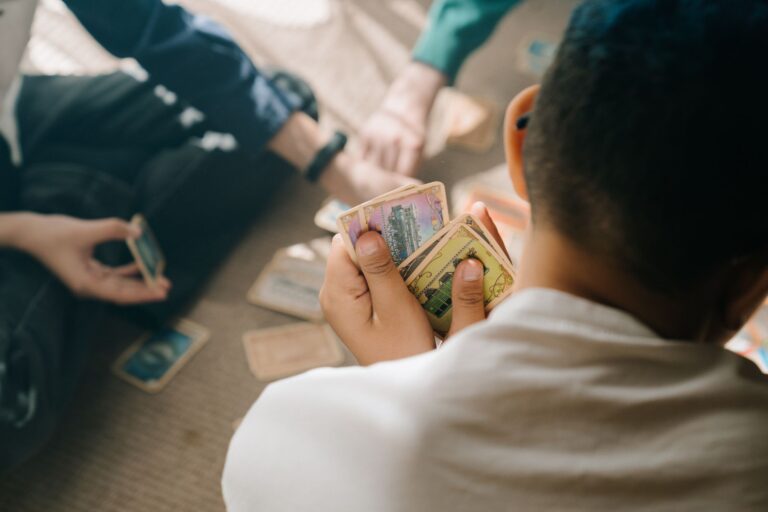
A Pokémon museum visit will likely offer your family curated exhibits of trading cards, gaming memorabilia, and interactive displays, though the experience varies significantly by location and your child’s age and interests. The major Pokémon museums, found primarily in Japan and select cities worldwide, typically feature original artwork, historical cards, evolution mechanics explanations, and hands-on areas, but many visitors find the experience smaller in scale than anticipated and often quite crowded during peak hours. Parents should expect to spend two to four hours on-site, with ticket prices generally ranging from $15 to $30 per person, depending on the venue and special exhibitions.
The quality and depth of exhibits can differ dramatically between permanent installations and traveling exhibitions. The Pokémon Museum in Nagoya, Japan, for example, showcases rare vintage cards alongside modern releases and offers AR interactive experiences, whereas smaller North American pop-up exhibitions may focus primarily on card displays and basic merchandise. Understanding what specifically your chosen venue offers will help set realistic expectations and avoid disappointment for both you and your children.
Table of Contents
- What Types of Exhibits Will You Actually See at a Pokémon Museum?
- What Crowds and Duration Should You Prepare For?
- How Much Will You Actually Spend, and What Surprises Lurk in the Budget?
- How Do You Choose the Right Pokémon Museum for Your Family’s Interests and Ages?
- What Common Issues Should You Prepare For to Avoid Disappointment?
- What Value Does a Museum Visit Add Beyond What You Can Access Online?
- What’s the Future of Pokémon Museums, and Should You Rush to Visit Now?
- Conclusion
What Types of Exhibits Will You Actually See at a Pokémon Museum?
Most pokémon museums organize their exhibits thematically around card generations, specific franchises like Pikachu or Charizard, or gaming history rather than treating the entire Pokémon universe comprehensively. You’ll typically find display cases with rare cards in climate-controlled glass enclosures, artwork from card designers and promotional illustrators, evolution dioramas that explain game mechanics, and sometimes interactive screens where visitors can view card details or learn about collection history. Many facilities also dedicate sections to the TCG’s competitive scene and tournament history. The educational component varies by venue.
Some museums provide detailed historical context about how the trading card game evolved from the original base set in 1996 to present-day releases, complete with explanations of why certain cards became valuable or how printing errors affected markets. Others focus more on the visual spectacle and less on narrative depth. Don’t expect to see every notable card ever printed—most museums are selective about their collection, and many curate based on availability and loan agreements rather than completeness. A major limitation is that many museums contain strict no-touch policies for valuable exhibits, meaning children cannot physically handle the cards they see, which can frustrate younger visitors accustomed to actively engaging with their collections at home.

What Crowds and Duration Should You Prepare For?
Pokémon museums tend to attract dense crowds, especially on weekends, school holidays, and during new exhibit launches, often resulting in long queues just to enter the venue and pushing through shoulder-to-shoulder crowds at popular display areas. A venue that feels manageable on a Tuesday morning can become nearly unbearable on a Saturday afternoon, with visitor volume sometimes surpassing comfortable capacity. Plan to arrive early if you’re visiting on a popular day—arriving 30 to 45 minutes before opening often grants you a 15 to 20 minute head start before peak crowds arrive.
The actual viewing experience typically spans 90 minutes to three hours, though some visitors rush through in 45 minutes while dedicated collectors can spend four to five hours if the museum allows extended engagement. However, a significant limitation is that many facilities impose time restrictions during busy periods or have relatively small floor space relative to daily visitor traffic, meaning you may feel pressured to move quickly rather than linger. Additionally, crowding can reduce the enjoyment significantly—trying to photograph rare card displays or read informational placards becomes difficult when you’re constantly jostled by other visitors, and children may become overwhelmed or distracted by the noise level and density of bodies around them.
How Much Will You Actually Spend, and What Surprises Lurk in the Budget?
Admission alone typically ranges from $12 to $28 per person, with discounts occasionally available for children under five or advance online purchases, and family packages sometimes offering modest savings. Where costs escalate is in the gift shop, which exists in virtually every Pokémon museum and often pushes visitors toward supplementary spending once they’ve committed to the initial visit. A family of four might spend $50 to $80 on admission, then another $40 to $100 on merchandise if each family member buys even one or two items—booster packs, exclusive sleeves, enamel pins, or location-specific merchandise not available elsewhere. Beyond the museum itself, parents often underestimate parking, food, and travel costs.
If you’re driving to a venue in an urban area, parking can add $10 to $20 or more. The on-site cafeteria or snack bar, if available, typically charges $8 to $15 per person for basic refreshments at premium pricing well above what you’d pay elsewhere. For families traveling to a museum in a different city, accommodation, transportation, and meals for a full day or multi-day trip can easily transform a $60 museum admission into a $300 to $500+ outing. Many parents arrive expecting a quick two-hour visit but find themselves spending an afternoon, which inflates the true cost significantly when factoring in meals and childcare if siblings are left behind.

How Do You Choose the Right Pokémon Museum for Your Family’s Interests and Ages?
Pokémon museums vary dramatically in their appeal to different age groups, so matching the venue to your children’s actual interests is critical. If your child is primarily interested in competitive trading cards, strategy, or card values, a museum that emphasizes the TCG’s competitive history and rare-card exhibits will be more rewarding than a venue focused on plush toys, the anime, or casual-player nostalgia. Conversely, younger children (ages 4 to 7) may not appreciate the nuance of vintage card condition grades or printing variations and might find a heavily card-focused museum less engaging than one with interactive games, walk-through environments, or characters from the animated series. Research the specific exhibits before committing your time and money.
Many museums maintain websites or social media accounts showing current displays, and reading visitor reviews on TripAdvisor or Google Maps often reveals honest feedback about whether the experience matches expectations. A worthwhile comparison: a major international museum like the Pokémon Center’s Tokyo location offers significantly different value than a temporary pop-up exhibition in a shopping mall, which might consist of just a few glass cases and a merchandise stand. Some venues offer preview images or exhibit schedules, allowing you to assess whether the current collection aligns with your family’s interests. The tradeoff is that the most acclaimed museums often have longer travel times and higher costs, whereas local or nearby options may offer convenience but less impressive exhibits.
What Common Issues Should You Prepare For to Avoid Disappointment?
Many parents arrive expecting pristine photographs of rare cards displayed beautifully, only to discover that museum lighting is often dim to protect valuable items from fading, making photos appear grainy, dark, or flash-reflected off protective glass. Additionally, most venues prohibit or heavily restrict photography, meaning you’ll have limited documentation of your visit beyond what you remember. This becomes frustrating for families planning social media posts or wanting to preserve memories of the experience, particularly when tickets aren’t refundable and you realize afterward that the limitations on photography reduced the visit’s value.
Another warning involves the condition of displayed items and the sometimes underwhelming visual presentation of rare cards. Vintage cards, even behind glass, can appear less impressive in person than their market prices suggest—a First Edition Charizard worth thousands of dollars looks similar to a casual observer as a more common, cheaper variant, and many visitors find the actual viewing experience disappointing compared to high-resolution photos they’ve seen online. Gift shops also present a hidden frustration: exclusive merchandise is extremely limited, often sells out within the first few hours of opening, and cannot be purchased online, meaning that if you arrive late in the day or during busy periods, the items you hoped to buy are already gone. Some families drive hours to a museum only to find that inventory is depleted or restocked with generic merchandise available elsewhere at lower prices.

What Value Does a Museum Visit Add Beyond What You Can Access Online?
While most card images and information about Pokémon cards are freely available online through databases like TCGPlayer, Bulbapedia, or the official Pokémon Card Database, a museum visit offers something digital resources cannot: the physical presence of historically significant cards, original artwork at full scale, and authentication of rarity. Viewing an original First Edition Base Set Charizard in person—seeing the actual texture, aging, and condition grading—provides context that photographs fail to convey, and for serious collectors, this authenticity can inspire appreciation for preservation and condition factors that photographs obscure.
Museums also offer community value and memorable experiences for children that justify the trip independently of the actual exhibit content. Many young collectors treasure the memory of visiting a Pokémon museum as a milestone in their fandom, similar to how fans might value visiting a sports hall of fame or music venue. The experience of discussing what you saw together as a family afterward often carries more value than the exhibits themselves, making the outing worthwhile even if individual displays weren’t impressive.
What’s the Future of Pokémon Museums, and Should You Rush to Visit Now?
Pokémon museums remain relatively rare compared to museums for other franchises, with permanent installations concentrated in Japan and only occasional traveling exhibitions in North America and Europe. As the Pokémon Company continues to invest in branded experiences, more permanent facilities are expected to open in major cities worldwide over the next few years, suggesting that if your local option is a temporary pop-up, it may be worth visiting to experience the format even if a more substantial permanent installation eventually opens near you.
However, the current generation of museums may become obsolete or significantly upgraded, so postponing indefinitely isn’t strategically necessary. The business model of Pokémon museums appears to be shifting toward more interactive, experience-based venues rather than purely display-focused galleries, which could make future visits more engaging for families but potentially more expensive and crowded. If you have a specific museum within reasonable travel distance, visiting now is generally worthwhile because the current exhibits, exclusive merchandise, and novelty factor justify a family outing, even if future museums may offer superior experiences.
Conclusion
A Pokémon museum visit is best approached with tempered expectations: plan for a two- to four-hour outing, budget $100 to $250 for a family of four including admission and extras, arrive early to avoid crowds, and research your specific venue beforehand to ensure the exhibits align with your children’s interests and ages. The experience offers value primarily through physical proximity to historically significant cards and community moments rather than through exhibits that definitively surpass online alternatives, so anchor your decision on whether your family will genuinely enjoy the outing rather than assuming museums are automatically worthwhile for all collectors.
To maximize your visit, choose timing strategically to avoid peak crowds, set budget limits for gift shop purchases before arriving, prepare your children with realistic expectations about what they’ll see, and focus on the experience as a family activity rather than a substitute for deeper collecting education. Whether the museum proves worthwhile ultimately depends on your specific venue, your children’s ages and interests, and whether the cost aligns with your family’s entertainment budget.