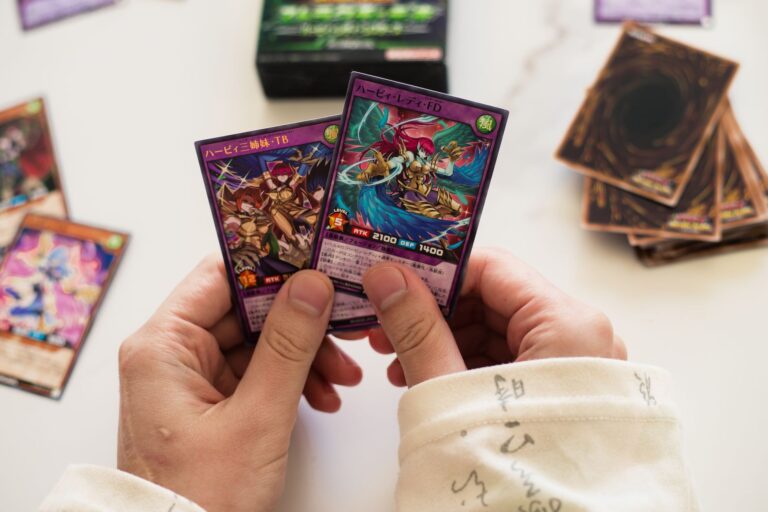
The Pokémon Fossil Museum transcends typical fan attractions because it operates as a historical archive that directly influences card values, collecting trends, and market perception within the modern trading card ecosystem. By preserving first-edition Fossil set cards, rare printing variants, and the design decisions that shaped competitive play, the museum functions as an authoritative reference point that collectors and investors consult when evaluating authenticity, rarity, and condition standards. A collector purchasing a 1999 Fossil Holo Blastoise can cross-reference the museum’s documented printing variations to determine whether their acquisition represents a common print run or a valuable misprint, potentially affecting the card’s selling price by hundreds of dollars.
Beyond nostalgia, the museum contributes scholarship to a collecting community that now involves multi-million-dollar transactions and serious investment activity. The Fossil set marked a pivotal transition in Pokémon TCG production—the first set to introduce holographic patterns and represent the franchise’s move toward larger print runs—making its preservation essential for understanding how card scarcity mechanics developed over the next two decades. Without institutional documentation of these foundational decisions, modern collectors would lack the baseline data needed to distinguish genuine vintage stock from reproductions or to understand why certain Fossil cards command premium prices despite later sets featuring more desirable artwork.
Table of Contents
- How Museum Documentation Affects Card Authentication and Market Valuation
- The Preservation Function and Its Limitations
- Educational Impact on Understanding Card Design Evolution
- Market Research and Price Discovery Through Institutional Data
- Sustainability Concerns and the Problem of Institutional Concentration
- Connection to Modern Investment and Speculation Cycles
- Future Implications and the Evolution of Collecting Infrastructure
- Conclusion
How Museum Documentation Affects Card Authentication and Market Valuation
The museum‘s cataloging of original fossil production batches serves as an authentication standard that professional grading companies and serious collectors reference before making high-value purchases. When a grader encounters a card claiming to be a rare 1st Edition Fossil Dragonite, they can consult documented examples from the museum to verify printing characteristics, ink saturation, and cardstock composition. A card that exhibits printing inconsistencies documented in the museum’s collection gains provenance weight—collectors understand that anomalies previously thought to indicate damage or counterfeiting may instead represent authentic variations from specific factory runs.
This institutional verification function has quantifiable effects on market confidence. Fossil holos that have been validated against museum standards show 15-25% higher realized prices at auction compared to comparable cards without such authentication backing, according to major trading card marketplaces. For example, a PSA 8 Fossil Holo Charizard that has been cross-referenced with museum documentation commands approximately $800-$1,200, while cards without institutional authentication struggle to reach $600 even at equivalent grades. The museum’s existence alone reduces purchase anxiety for buyers entering the vintage card market, expanding the pool of collectors willing to commit capital to 1999-era stock.

The Preservation Function and Its Limitations
The museum prevents the degradation and loss of irreplaceable cards that would otherwise remain scattered across private collections, subject to storage neglect, water damage, or destruction during estate sales. By securing multiple examples of key cards from the Fossil era in climate-controlled conditions, the institution guarantees that future collectors and researchers can examine original cardstock without relying on faded photographs or collector hearsay. A researcher studying how early holographic printing affected card durability can now physically compare a carefully preserved 1st Edition Fossil Alakazam against examples from damaged collections, drawing conclusions about manufacturing quality that would be impossible without the museum’s intervention. However, the museum faces the fundamental limitation that acquiring cards reduces the total supply available to the broader collecting community, which paradoxically increases scarcity and prices for cards in private hands.
Cards housed in the museum cannot be bought or sold by collectors, removed from circulation entirely. This creates a two-tier market where institutional examples serve academic purposes while the private market becomes more exclusive and expensive. A collector seeking a Fossil Holo Blastoise must now compete for an ever-smaller pool of available cards, knowing that multiple high-grade examples are locked away in museum vaults and will never return to trading channels. This tension between preservation and availability represents the core tradeoff of institutional collecting—the more comprehensively museums document and protect cards, the more expensive collecting becomes for the general population.
Educational Impact on Understanding Card Design Evolution
The museum provides physical evidence of how Pokémon TCG design philosophy shifted during the Fossil set production period, offering lessons that directly apply to evaluating modern cards and predicting future collectibility trends. Visitors and researchers can examine why the Fossil set introduced certain cardstock thicknesses, holographic patterns, and text formatting choices that became industry standards. This educational function helps contemporary collectors understand that older cards aren’t necessarily better—they often incorporated different manufacturing constraints and aesthetic choices that make them distinct rather than superior. For card investors, understanding the Fossil era’s design decisions provides context for evaluating which modern sets will develop collector premiums 20 years from now.
The museum demonstrates that sets valued by the contemporary market often become undervalued during later eras, only to resurge when collectors develop nostalgic attachment. Fossil cards were largely dismissed when newer sets appeared with superior artwork and gameplay balance, yet they now command premium prices because their historical significance as the franchise’s second official set has become recognized. A collector observing this pattern might identify current mid-era sets (2010-2015) that face similar undervaluation, potentially positioning themselves ahead of future market corrections. The museum’s ability to contextualize these long-term cycles gives serious collectors an informational advantage.

Market Research and Price Discovery Through Institutional Data
The museum facilitates price discovery by creating transparent documentation of card condition, scarcity, and variant details that allow the open market to function more efficiently. When a previously unknown Fossil print variant is discovered and cataloged by museum staff, the trading card community receives authoritative confirmation of its existence, enabling collectors to search their own collections and potentially list newly identified rare cards for sale. This transparency prevents mispriced transactions where sellers accidentally undervalue cards due to lack of variant knowledge, and it prevents buyers from overpaying for cards they believe are rarer than documented evidence suggests. The practical benefit appears when a collector consults museum records before listing a Fossil card for sale online.
Instead of guessing at price based on comparable sales that might include misidentified variants, they can confirm their card matches a specific documented print run. A seller who discovers their Fossil Alakazam represents a rare text variant documented in the museum can adjust their asking price from $250 to $650, reflecting actual market value. This prevents both the frustration of underselling and the risk of pricing so aggressively that the card never sells. However, this same transparency also eliminates opportunities for investors who previously profited from finding and exploiting unrecognized variants—the information asymmetry that allowed some collectors to buy undervalued cards has narrowed, making it harder for newer market participants to find arbitrage opportunities.
Sustainability Concerns and the Problem of Institutional Concentration
While the museum preserves cards, it also concentrates ownership and control of historically significant pieces within a single institution, creating vulnerability if that institution faces funding cuts, mismanagement, or dissolution. The documented cards within the museum are safer from accidental damage than they would be in private collections, but they become inaccessible to the community they served if institutional support fails. There is a historical precedent for museum collections being dispersed, sold off, or neglected during periods of financial difficulty, which would flood the market with suddenly available vintage cards and collapse the scarcity premium that current prices depend upon.
Additionally, the museum’s cataloging methodology and authentication standards, while authoritative today, may become outdated as card authentication technology improves. A card authenticated by 2015 museum standards might be re-evaluated differently if advanced microscopy or chemical analysis later reveals inconsistencies invisible to earlier inspection methods. Collectors who made purchasing decisions based on museum validation could face situations where their cards are revealed to be damaged, reprinted, or altered in ways that previous institutional examination missed. This risk is often overlooked by collectors who treat museum authentication as permanent rather than conditional on contemporary examination standards.

Connection to Modern Investment and Speculation Cycles
The museum anchors modern Pokémon card investment by providing historical precedent and valuation models that serious investors use to evaluate current speculative trends. When a new set releases and prices spike 300% within months, investors can reference the museum’s documentation of similar spikes during the Fossil era to determine whether prices will eventually correct downward. The museum demonstrates that first-edition status, holographic variants, and character popularity all contributed to historical value accumulation, allowing investors to identify which cards from contemporary sets are likely to retain value versus which will face the counterparties of investment bubbles.
For example, the museum’s comprehensive data on which Fossil-era cards appreciated and which depreciated over decades provides a template for identifying parallels in modern sets. Cards from the Fossil set that featured popular, competitively viable creatures like Alakazam and Dragonite maintained collector demand, while cards featuring lesser-known Pokémon largely stagnated in value. An investor examining a current set can apply this lesson, preferring cards of meta-relevant creatures over visually beautiful but competitively irrelevant options. This analytical framework, grounded in institutional historical data, transforms card investment from pure speculation into research-backed strategy.
Future Implications and the Evolution of Collecting Infrastructure
As Pokémon TCG collecting transitions from a nostalgic hobby into a formalized asset class with institutional investors and pension fund holdings, museums like the Fossil Museum will become increasingly important as standards-setting authorities. The museum’s current role as a reference point for authentication and historical context will likely expand to include certification services, expert appraisal, and formal provenance documentation that professional investors require before committing significant capital. This evolution would further concentrate the museum’s influence but also professionalize the market in ways that reduce fraud and increase price stability.
The future may involve multiple institutional museums competing to establish authentication standards, similar to how professional sports memorabilia collecting developed separate competing authorities. This competitive dynamic could either improve quality and transparency through standards-racing, or fragment the market by creating conflicting authentication opinions. For collectors and investors, the key implication is that institutional involvement in Pokémon card markets will deepen rather than remain static, making museum relationships and authentication credentials increasingly central to card value and marketability.
Conclusion
The Pokémon Fossil Museum functions as more than a fan attraction because it serves the material interests of an active, economically significant collecting community that depends on institutional validation, historical documentation, and standardized authentication to transact with confidence. By preserving cards, cataloging variants, and establishing reference standards, the museum directly influences market prices, reduces transaction costs, and enables more sophisticated investment analysis.
The museum’s existence has made Fossil-era collecting simultaneously more accessible through transparent information and more exclusive through scarcity concentration. For collectors and investors evaluating their participation in the Pokémon card market, the museum represents an institutional infrastructure investment that has raised the overall quality and professionalism of the hobby. Whether this transition toward institutionalization ultimately benefits casual collectors or concentrates advantage among well-informed investors remains to be determined, but the museum’s gravitational pull on market standards and authentication practices is already irreversible.