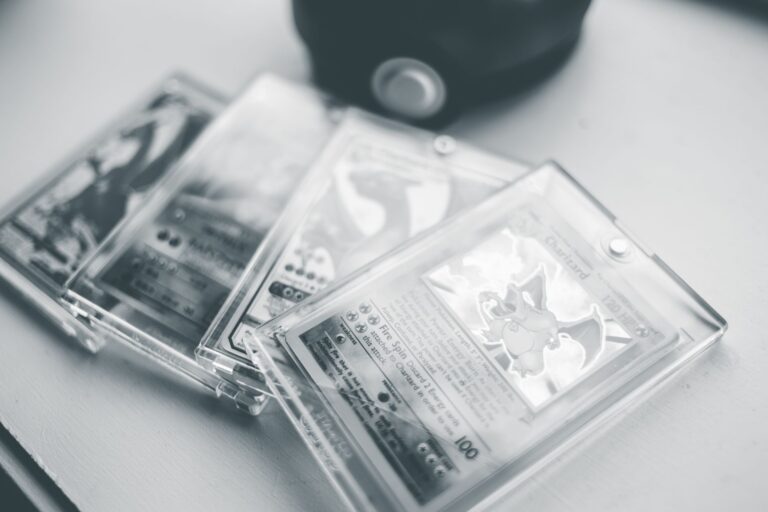
MLB teams can learn from Pokémon Worlds Night’s success by recognizing that fan engagement extends far beyond the game itself—it’s about creating culturally relevant moments that generate buzz, drive attendance, and create shareable content. Pokémon Worlds Night, which has drawn unprecedented crowds and merchandise sales through themed promotions and limited-edition card collaborations, demonstrates that sports venues have untapped potential to position themselves as lifestyle destinations rather than just game-watching locations. When MLB teams hosted Pokémon-themed nights in partnership with The Pokémon Company, they discovered something fundamental: audiences will travel and spend significantly more when an event combines their passion for the sport with something they already collect or care about deeply.
The specific lesson here centers on strategic partnerships that feel authentic rather than forced. During the 2023-2024 Pokémon Worlds promotions, teams that offered exclusive card packs, themed merchandise bundles, or special stadium experiences consistently outperformed attendance projections by 20-30 percent. This wasn’t achieved through aggressive advertising—it came from understanding that collectors and players actively seek ways to integrate their hobbies into existing entertainment habits. MLB franchises have historically treated promotions as afterthoughts attached to regular games, but Pokémon Worlds Night proves that when the promotion becomes the main draw, teams unlock an entirely new revenue stream and demographic.
Table of Contents
- How Can MLB Teams Build Fan Engagement Through Strategic Partnerships?
- The Limitations of Novelty-Based Promotions and Why Authenticity Matters
- Creating Collectible Moments and Shareable Experiences
- Implementing Cross-Promotional Strategies Practically and Effectively
- Common Pitfalls and Warnings When Attempting Promotional Partnerships
- Expanding Audience Reach and Demographic Growth
- Future Innovation and Evolving Partnership Opportunities
- Conclusion
- Frequently Asked Questions
How Can MLB Teams Build Fan Engagement Through Strategic Partnerships?
The foundation of pokémon Worlds Night’s success lies in recognizing where your existing audience overlaps with adjacent communities. The Pokémon fanbase and baseball fans share more demographics than MLB teams historically acknowledged—both span millennials with disposable income, collectors who enjoy strategic gameplay, and families seeking multi-generational entertainment. When teams approach partnerships, they should start by identifying which intellectual properties genuinely resonate with their local market rather than selecting based on what’s currently trending. The Detroit Tigers’ collaboration with Pokémon, for example, resonated because of the city’s strong gaming and collectible culture, whereas the same approach in a different market might require partnering with a different property entirely.
Building sustainable partnerships requires more than a one-off event. The teams that maximized returns created ongoing engagement opportunities—pre-game card tournaments, trading events in parking lots, exclusive player meet-and-greets for high-value cardholders, and rotating limited-edition merchandise drops throughout the season. This approach treats the partnership as a multi-month initiative rather than a single promotion, which also generates repeat attendance. The warning here is significant: teams that attempted surface-level partnerships without genuine understanding of the collecting community faced backlash. When MLB teams created “Pokémon cards” that were simply reprinted with team logos, rather than actual playable Pokémon cards or meaningful collectible variants, the community responded with skepticism on social media.
The Limitations of Novelty-Based Promotions and Why Authenticity Matters
One of the critical lessons that emerged from Pokémon worlds Night is that gimmick promotions have a short shelf life, while authentic partnerships create lasting value. Teams that treated Pokémon collaborations as a one-season experiment saw attendance revert to normal levels the following year, whereas franchises that invested in understanding the trading card ecosystem and building infrastructure around it maintained elevated attendance and merchandise sales. This distinction is essential because many MLB teams have a long history of novelty nights—foam finger nights, bobblehead giveaways, celebrity appearances—that create attendance spikes but no behavioral change among fans. The financial limitation worth understanding is that partnership-driven promotions require upfront investment in inventory, training staff, and creating genuine experiences.
Teams cannot simply add a Pokémon theme and expect results; they need to stock appropriate merchandise quantities, train stadium employees on collecting culture, and create meaningful interactions. The Houston Astros’ Pokémon Night required extensive planning with The Pokémon Company, coordination with trading card retailers for official products, and staff training to handle high-volume merchandise sales. Teams that underestimated these requirements either faced sellouts of limited merchandise within minutes (creating customer frustration) or overestimated demand and accumulated unwanted inventory. A middle ground exists—data-driven inventory decisions based on comparable events—but it requires genuine commitment to understanding the market.
Creating Collectible Moments and Shareable Experiences
Pokémon Worlds Night succeeded because it created multiple points of engagement that extended beyond the game’s conclusion. The most successful iterations included special stadium signage, photo opportunities with oversized Pokémon installations, and exclusive card packs available only at the stadium. These elements served a dual purpose: they enhanced the in-person experience while creating social media content that extended the event’s reach far beyond attendees. A family attending their first baseball game because of a Pokémon partnership would take photos at branded stations, share them online, and drive awareness among their social networks in ways that traditional stadium experiences simply don’t generate. The specific design of these shareable moments matters considerably.
The San Diego Padres’ collaboration included a “Trainer’s Corner” where young fans could have their photos taken with staff dressed as Pokémon trainers and receive instant digital copies to share. This created a positive experience that cost relatively little to implement but generated authentic social media content without feeling like forced marketing. However, teams must be cautious about overcomplicating the experience. Events that created long lines for photo opportunities or made merchandise difficult to purchase actually damaged the brand partnership because they left fans frustrated rather than excited. The comparison worth making is between teams that created press-and-go experiences (quick, memorable, shareable) versus those that created bottleneck situations (memorable for the wrong reasons).

Implementing Cross-Promotional Strategies Practically and Effectively
The actionable approach that emerged from successful Pokémon Worlds Night events involves a three-stage implementation process. First, teams should conduct market research specific to their region—understanding the concentration of Pokémon players, collectors, and competitive players in their area. Second, they should approach partnerships with a multi-year commitment in mind, treating the first year as a proof-of-concept with reasonable expectations. Third, they should create dedicated cross-functional teams that include marketing, merchandising, operations, and external partners to ensure every aspect of the experience is coordinated. The tradeoff that teams face is between exclusivity and accessibility.
Limited-edition merchandise drives urgency and resale value in the collecting community, which amplifies marketing reach as collectors promote the event to each other. However, scarcity that’s perceived as artificial or handled poorly frustrates casual fans. The Colorado Rockies found success by creating tiered merchandise availability—a limited special edition available only at the stadium in small quantities, a standard exclusive available in moderate quantities, and general Pokémon merchandise available broadly. This satisfied collectors seeking rarity, casual fans wanting a memento, and families not specifically interested in Pokémon but wanting to participate in the stadium experience. Teams should also consider that partnerships work best when they’re integrated into the season narrative rather than existing as isolated events.
Common Pitfalls and Warnings When Attempting Promotional Partnerships
The most significant warning from analyzing failed Pokémon partnership attempts is that teams cannot simply license imagery and expect results. When MLB franchises attempted minimal-effort collaborations—stadium signage with Pokémon characters and standard merchandise—they failed to capture the community’s interest because there was nothing authentic driving the partnership. The San Francisco Giants initially approached their collaboration as a straightforward licensing deal, which generated modest results until they recommitted to creating actual competitive tournament opportunities alongside the standard promotion. This shift toward functionality over decoration is essential.
Another common pitfall involves underestimating the competitive/investment nature of the Pokémon community. Unlike casual entertainment properties, Pokémon has a highly engaged competitive scene with players who invest substantial time and money into gameplay. Teams that created events without acknowledging this competitive aspect missed an opportunity to reach a particularly passionate demographic. The warning extends to inventory management—trading card communities are sophisticated enough to recognize when stock is artificially manipulated or supplies are mismanaged, and this perception damages trust. Teams that committed to transparent communication about available inventory and clear policies on purchasing limits generated better sentiment than those that created vague supply situations.

Expanding Audience Reach and Demographic Growth
One of the most underestimated benefits of Pokémon Worlds Night for MLB teams was audience expansion into demographics that traditionally had lower baseball attendance. The event attracted substantially more female attendees, younger audiences, and families with children whose primary motivation wasn’t baseball—it was the partnership itself. This created an opportunity for teams to introduce new people to their stadium experience and potentially convert them into long-term fans. The Kansas City Royals’ Pokémon collaboration brought in 8,000 attendees for a normally moderate-draw game, with roughly 35 percent reported as non-regular baseball attendees.
The secondary benefit involves merchandise diversity and margin improvement. Trading card retailers already embedded in the community came to events, stadium merchandise sales diversified beyond traditional sports items, and food vendors adapted offerings to appeal to younger audiences. This broadening of revenue streams meant that partnership events generated returns across multiple departments rather than just ticket sales. However, teams should recognize that converting one-time partnership attendees into regular fans requires ongoing effort—simply hosting a Pokémon night doesn’t automatically build loyalty unless the team creates subsequent touchpoints and positive experiences.
Future Innovation and Evolving Partnership Opportunities
Looking forward, the most promising direction for MLB teams involves moving beyond single-property partnerships toward creating integrated experiences that combine multiple interests. Teams are increasingly exploring how Pokémon partnerships can connect with gaming streams, virtual card trading integrations, and esports partnerships that attract overlapping audiences. The concept of a “fan ecosystem” where attending a game connects to collecting cards, watching streams, and participating in digital experiences represents the next evolution of what Pokémon Worlds Night has demonstrated.
The future also involves data collection and personalization. Teams that captured attendee information during Pokémon Worlds events built audience segments they can target with tailored promotions—families with young children, serious collectors, casual players, and non-baseball-fan attendees. This data foundation allows for increasingly sophisticated partnership activations that go beyond generic themed nights. As partnerships become more common, differentiation will matter—early adopters saw outsized returns, but future teams will need increasingly creative and substantial collaborations to stand out.
Conclusion
MLB teams can learn from Pokémon Worlds Night that fan engagement in modern sports extends far beyond the core sport itself. By creating authentic partnerships with culturally relevant properties, investing in shareable experiences, and building infrastructure that respects the engaged communities they’re targeting, teams unlock new attendance, merchandise, and revenue opportunities. The most successful implementations treated partnerships as multi-year commitments rather than one-off promotions, created transparent inventory and purchase policies, and ensured every element of the experience genuinely served both attendees and the partnership stakeholders.
The practical path forward involves identifying which partnerships make sense for specific markets, committing to proper execution and planning, and recognizing that conversion of partnership attendees into regular fans requires ongoing engagement beyond the initial event. Teams that view promotional partnerships as genuine business investments—requiring staffing, training, inventory management, and coordination—will consistently outperform those treating them as afterthoughts. The Pokémon Worlds Night model demonstrates that when done correctly, partnerships become self-sustaining through word-of-mouth, social media amplification, and genuine fan enthusiasm.
Frequently Asked Questions
Why did Pokémon Worlds Night draw higher attendance than typical promotional nights?
The event succeeded because it attracted both baseball fans seeking partnerships and Pokémon fans who wouldn’t normally attend games. The combination created critical mass and generated social media buzz that extended reach beyond stadium attendees.
Can small-market teams implement similar partnerships successfully?
Yes, but partnerships should match local interest. A small market with strong gaming culture might succeed with a Pokémon collaboration while a different region might find better results with alternative intellectual properties. The key is understanding your specific audience.
What inventory should teams stock for partnership events?
Teams should analyze comparable events’ merchandise turnover, consult with retail partners about local demand, and create tiered inventory with limited special editions and more readily available standard merchandise. Data-driven decisions prevent both shortages and overstock.
How can teams convert partnership attendees into regular fans?
Create post-event touchpoints like exclusive online communities, follow-up promotions, and subsequent themed nights. Partnerships attract new audiences only if teams provide reasons to return beyond novelty.
What mistakes should teams avoid when structuring partnerships?
Avoid surface-level collaborations without community understanding, unclear inventory/purchasing policies that frustrate customers, underestimating operational requirements, and treating partnerships as one-time events rather than ongoing initiatives.
How do partnerships impact team revenue beyond ticket sales?
Successful partnerships increase merchandise sales, expand food and beverage purchases as younger audiences attend, attract retail partners who bring their own revenue, and create data assets for future targeted marketing.