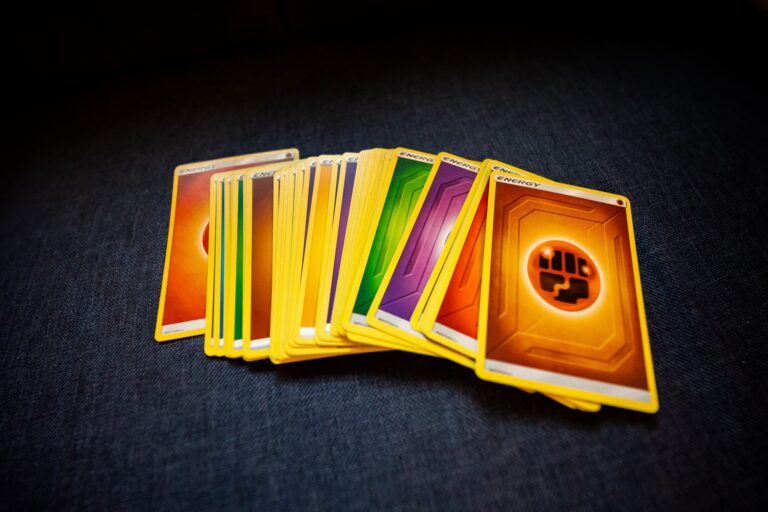
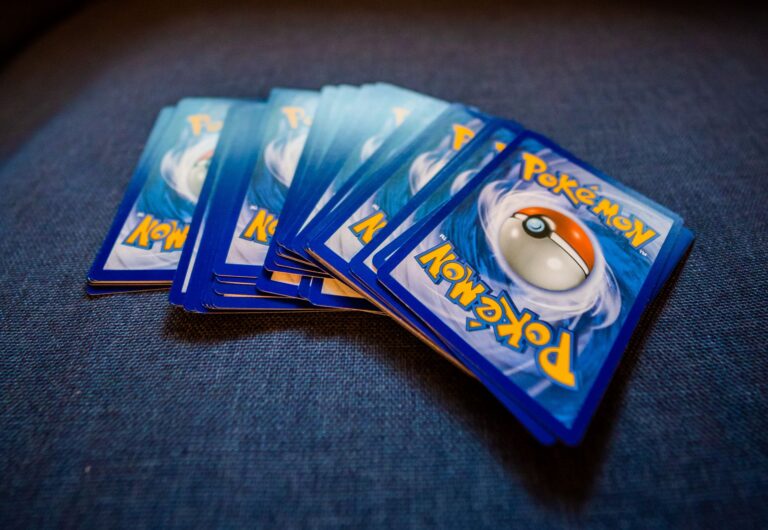
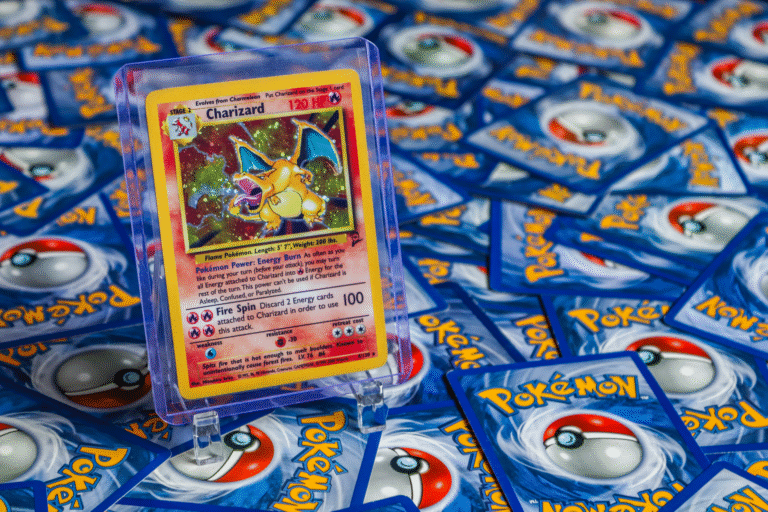
Pokémon Worlds Night at Oracle Park has the potential to spark a fan giveaway frenzy because the combination of a major tournament venue, a large stadium capacity, and The Pokémon Company’s history of promotional generosity during high-profile events creates the perfect conditions for significant merchandise distribution. Oracle Park, home to the San Francisco Giants, can accommodate tens of thousands of spectators, and when Pokémon decides to celebrate the World Championships with a stadium event, they typically allocate substantial giveaway budgets that wouldn’t fit a traditional venue. For example, previous World Championship celebrations have featured exclusive promotional cards, sealed product packs, and branded merchandise available to attendees—items that rarely see circulation outside these special events and often appreciate significantly in value among collectors.
The specific draw of this venue lies in its accessibility and spectacle. A stadium setting signals that Pokémon is treating Worlds like a mainstream sporting event rather than a niche tournament, which historically means elevated production value and larger giveaway allocations. When giveaways are distributed at scale to thousands of attendees in a single night, it creates immediate scarcity conversations in the collector community, driving demand for cards and items that were physically present at the event.
Table of Contents
- What Historical Precedent Tells Us About Stadium-Based Pokémon Events
- The Supply Dynamics That Make Scarcity Inevitable
- How Card Condition and Distribution Mechanics Affect Collector Interest
- Planning Your Attendance Strategy Around Giveaway Opportunities
- The Risk of Counterfeiting and Secondary Market Authenticity Issues
- How Previous Pokémon Championship Venues Shaped Collector Markets
- Future Implications for Pokémon Event Strategy and Collector Expectations
- Conclusion
- Frequently Asked Questions
What Historical Precedent Tells Us About Stadium-Based Pokémon Events
Major pokémon events hosted at large venues have consistently featured more aggressive giveaway strategies than traditional tournament centers. The 2019 Pokémon World Championships in Washington D.C. and the 2022 International Championships in London both utilized their venues’ capacities to distribute exclusive promotional materials, including special tournament tokens, artist-signed cards, and limited-edition sleeves that became sought-after collectibles within months. These items weren’t sold—they were handed out freely—which means their supply was fixed and finite from the moment the event concluded.
Stadium venues specifically signal higher budgets. A 40,000-capacity baseball stadium requires coordination with venue staff, security, and logistics partners that smaller venues simply don’t justify. This overhead investment typically correlates with larger merchandise allocations and more creative giveaway mechanics. Compare this to regional tournaments held at convention centers, where giveaways might be limited to standard booster packs and promotional cards. At Oracle Park, The Pokémon Company would likely invest in venue-specific giveaways or commemorative items tied to San Francisco itself, increasing perceived value and collectibility.

The Supply Dynamics That Make Scarcity Inevitable
Even with thousands of giveaways distributed, the supply of event-specific items remains fundamentally limited because manufacturing and distribution happen weeks or months before the event. Unlike digital games or ongoing product lines, physical event merchandise cannot be easily reprinted once demand spikes post-event. A promotional card printed for Worlds Night at Oracle Park exists in a fixed quantity—perhaps 5,000, 10,000, or 50,000 copies—but never more, because restocking an event-specific item defeats the entire premise of event exclusivity. This creates a ceiling on availability that collectors understand immediately.
Secondary market prices for event exclusives typically spike 2-6 weeks after an event concludes, once attendees who received items freely begin listing them for sale and the broader collector community realizes how scarce these items actually are. However, there’s a significant limitation to factor in: not all event giveaways appreciate in value. Standard promotional cards distributed at every major event tend to remain relatively stable in price because supply can be measured in hundreds of thousands. The giveaways that drive real frenzy are the truly limited items—perhaps unique printings, artist-signed cards, or venue-specific variants that are genuinely scarce even by Pokémon standards.
How Card Condition and Distribution Mechanics Affect Collector Interest
The physical condition of giveaway cards matters considerably because items handed out at events often arrive in attendees’ hands without protective sleeves or cases. Cards distributed loose, even in mint condition when received, can deteriorate rapidly in a stadium environment with crowds, temperature fluctuations, and accidental contact. This means pristine, graded copies of event giveaways become notably more valuable than their raw equivalents, sometimes commanding 3-5x the price of an ungraded version.
Distribution mechanics also shape collector behavior. If Pokémon uses a lottery system where attendees enter for a chance to win high-value items, the odds of securing premium giveaways become part of the narrative, and items won become conversation pieces within the community. Conversely, if giveaways are distributed on a first-come, first-served basis, early arrivals to the stadium have significant advantages, and lines will form hours before the event begins. For collectors unable to attend in person, these distribution methods are crucial because they determine whether items were broadly available or genuinely scarce, which directly affects secondary market pricing.
Planning Your Attendance Strategy Around Giveaway Opportunities
If attending Pokémon Worlds Night at Oracle Park, timing and logistics are critical. Arriving early—potentially several hours before official start time—positions you ahead of the crowd for first-come-first-served giveaways and allows you to scout the most valuable items before supplies diminish. Bring protective sleeves, binders, or a card case specifically for storing items you receive, as the difference between a mint giveaway card and one bent or creased during the event can represent significant value loss.
Many collectors who attend these events fail to protect their hauls, inadvertently converting premium items into lower-grade copies simply because they handled merchandise carelessly. Compare this to attendees who prepare strategically: they research announced giveaway items beforehand, understand which have limited supply, prioritize high-value items first, and immediately sleeve or store acquisitions. The practical tradeoff is time investment—you’ll spend less time enjoying the tournament itself and more time managing giveaway logistics—but for serious collectors, the value acquisition often justifies this allocation. Secondary market research before the event also helps; if you know certain promotional items are particularly scarce or valuable based on previous years, you can prioritize them when making giveaway decisions.
The Risk of Counterfeiting and Secondary Market Authenticity Issues
Event-exclusive items, particularly high-value promotional cards, attract counterfeiting attention within weeks of their release. Sophisticated counterfeits of limited-edition event cards have circulated in the Pokémon community, and distinguishing authentic event giveaways from fakes requires specific knowledge of print quality, card stock, and finishes unique to that year’s production. A warning: if you purchase event items from Worlds Night on the secondary market without direct experience with authentic versions, authentication becomes critical and you may need professional grading services to verify legitimacy.
The risk extends to seller claims. Secondary market listings often misrepresent event items as “confirmed attendee pull” or similar claims that cannot be verified. A promotional card sold by someone claiming they attended Oracle Park might genuinely come from that event, or it might be a standard version misrepresented to command event-exclusive pricing. This limitation means careful buyers should prioritize professionally graded copies or purchases from established community members with verifiable attendance records, accepting that this caution costs additional money in grading fees or seller premiums.

How Previous Pokémon Championship Venues Shaped Collector Markets
The 2022 Pokémon World Championships in London distributed exclusive crown-themed promotional cards and championship-specific sleeves that became immediate collectibles. These items now command significant secondary market values, particularly graded copies, demonstrating how venue and scale influence long-term card values.
The London championship drew international crowds, which increased both initial demand for items and subsequent trading activity, amplifying how quickly these giveaways entered the secondary market. Oracle Park as a venue carries additional significance because San Francisco has substantial Pokémon collector presence and media attention. Event coverage from major outlets means increased awareness among collectors who didn’t attend, driving post-event demand for items and media documentation of the giveaway items themselves, further supporting secondary market values.
Future Implications for Pokémon Event Strategy and Collector Expectations
If Pokémon Worlds Night at Oracle Park proves successful—delivering substantial giveaways and strong attendance—future World Championships will likely be held at similar large venues, establishing a new standard for what collectors expect from the event. This shift could reshape the secondary market for championship-related items entirely, as supply increases across multiple large-scale stadium events while each individual venue’s giveaways become more defined and comparable.
The event also signals confidence in Pokémon’s mainstream market expansion. Holding Worlds at a major sports venue legitimizes the tournament to broader audiences and suggests The Pokémon Company believes the event can attract casual fans alongside serious players and collectors. This positioning likely means future venue announcements will focus on accessibility and capacity rather than specialized venues, which has direct implications for giveaway strategy and the items created specifically for these events.
Conclusion
Pokémon Worlds Night at Oracle Park could trigger a fan giveaway frenzy due to the convergence of stadium scale, established promotional traditions, and the scarcity mechanics inherent to event-exclusive items. The venue’s capacity ensures significant giveaway allocations, and the specificity of items created for this single night guarantees limited supply that collectors will immediately recognize as finite and valuable.
For collectors and investors interested in these potential giveaways, preparation before the event—researching announced items, planning logistics, and understanding secondary market dynamics—significantly increases the likelihood of acquiring valuable pieces. Post-event, vigilance regarding authenticity and condition becomes essential, as event items maintain value only when properly documented and protected. Whether attending in person or purchasing secondary market, the intersection of Pokémon’s championship profile and Oracle Park’s mainstream visibility suggests this event will generate collector interest well beyond the night itself.
Frequently Asked Questions
What types of giveaways should I expect at Pokémon Worlds Night at Oracle Park?
Based on previous World Championships, expect promotional cards (possibly limited printings), sealed booster packs, branded sleeves, tournament tokens, and potentially venue-specific merchandise. High-value items are typically limited in quantity and distributed through lottery or first-come-first-served systems.
How should I protect giveaway cards I receive at the event?
Bring sleeves and a binder or card case specifically to the stadium. Place acquired items immediately into protective sleeves upon receipt, as unprotected cards in a crowded stadium environment deteriorate rapidly and lose significant secondary market value if damaged.
Will event giveaways increase in value after the event ends?
Potentially, but only if supply is genuinely limited and the items are exclusive to this specific event. Standard promotional cards distributed widely maintain relatively stable secondary market prices. Unique, venue-specific, or extremely limited items (artist-signed cards, unique printings) typically appreciate in the weeks following the event.
Is it worth buying event giveaways on the secondary market weeks later?
Consider the total cost, including potential grading fees for authentication and condition assessment. Prices typically peak 4-8 weeks after an event as initial excitement wanes but exclusivity sinks in. Waiting a few weeks to purchase allows market stabilization and better pricing transparency.
How do I verify that a card I’m purchasing is actually from the Oracle Park event?
Look for venue-specific printing variations, ask sellers for detailed photos of packaging or distribution, and consider professional grading services that can document event provenance. Established community members with verified attendance records are more reliable sources than anonymous secondary market sellers.
What’s the difference between event giveaways and standard promotional cards?
Event giveaways are typically limited to a specific venue and date, have unique printings or design elements, and cannot be reprinted. Standard promotional cards are distributed at multiple locations or through multiple channels over extended periods, resulting in much larger supplies and more stable secondary market prices.