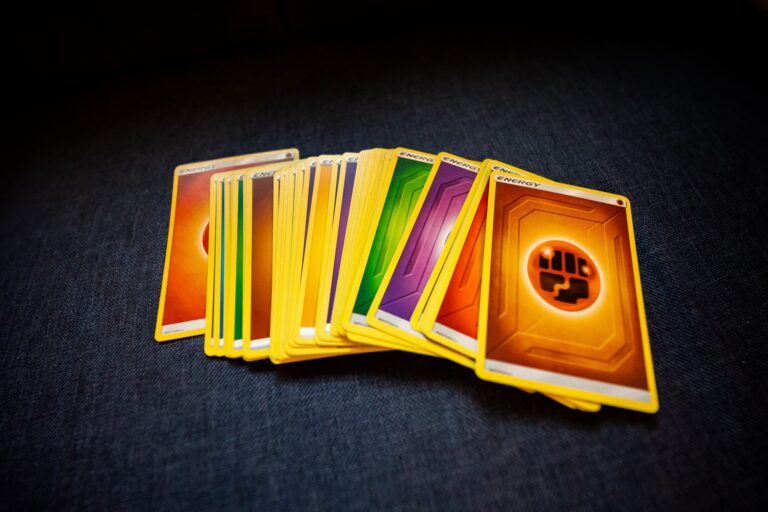
Pokémon Worlds Night—the event surrounding the Pokémon Trading Card Game World Championships—draws an entirely different demographic into card collecting, one that already understands the mechanics of competitive sports collectibles. Baseball fans are primed to become Pokémon card collectors because they recognize the same value drivers: limited distribution, competitive prestige, and official sealed products from a single event. When a baseball fan walks into a card shop and sees a special Worlds Night promo card—marked with the year and championship seal—they’re encountering something functionally identical to a rare rookie card or error card from a specific season.
The conversion happens because both markets operate on the same psychological principles. A die-hard baseball fan who knows the difference between a 1987 Fleer rookie and a 1986 Fleer rookie understands why a Pokémon Worlds 2024 full-art supporter card carries weight. They already grasp grading, centering, condition, and the market premiums attached to event-specific cards. Worlds Night isn’t introducing them to collecting—it’s redirecting their existing collecting instincts toward a market with faster growth and lower entry barriers than vintage baseball cards.
Table of Contents
- How Does Pokémon’s World Championship Event Create Card Collector Demand?
- Why Baseball Collectors Already Understand Pokémon Card Scarcity
- What Makes Pokémon Worlds Night Cards Special and Scarce?
- How Should New Collectors Start With Pokémon Worlds Cards?
- What Are the Risks in Pokémon’s Worlds Market?
- The Live Event Experience as a Collector Motivation
- Where Is the Pokémon Worlds Card Market Heading?
- Conclusion
How Does Pokémon’s World Championship Event Create Card Collector Demand?
pokémon World Championships occur annually and feature both the card game and video game competitions. Winners receive exclusive promotional cards, and attendees can purchase official event merchandise and limited-release products. Unlike a regular booster box sold in stores nationwide, Worlds cards carry a single-year designation, specific event branding, and an official Pokémon Company seal. This mirrors exactly how baseball cards from World Series years or All-Star games command higher prices than regular season cards from the same year.
The appeal extends beyond just the champions’ cards. The entire Worlds event generates official special products: the championship deck, commemorative sleeves, limited-edition tins, and exclusive Pokémon Center releases tied to that year’s Worlds location. A baseball collector looking at sealed 1998 World Series card products experiences the same logic when encountering 2024 Pokémon Worlds sealed products. Scarcity plus official designation plus single year equals collectible value. For example, a 2023 Pokémon World Championships deck box or a Worlds-exclusive full-art card from that event now trades at premiums compared to identical card art released through other channels.
Why Baseball Collectors Already Understand Pokémon Card Scarcity
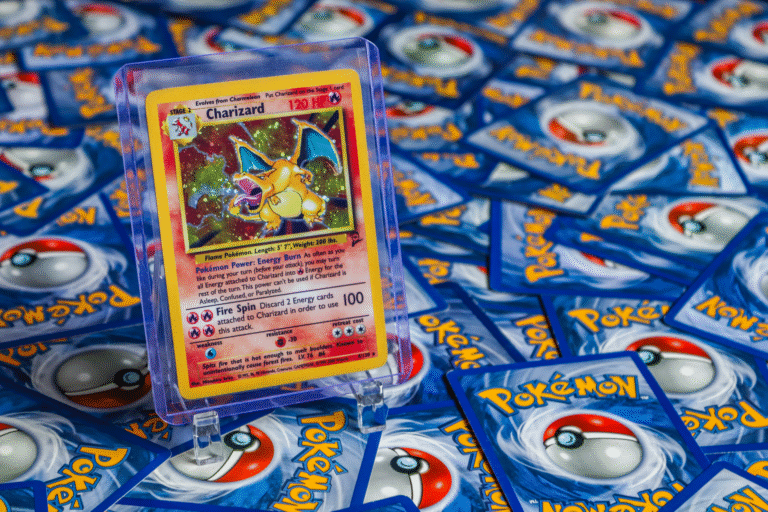
Baseball card collectors are trained in the fundamentals of conditional rarity. They know that a card’s grade—a 9 versus an 8 versus an 8.5—can mean a 30 to 50 percent price difference. They understand print runs, know which years saw heavy reprinting versus limited distribution, and can articulate why 1952 Topps is scarcer than 1990 Topps. When transitioning to Pokémon, these skills transfer directly. A baseball card collector recognizes that a first-edition Charizard from the Base Set is the Pokémon equivalent of a T206 Honus Wagner.
However, there’s a critical difference in the market timeline. Baseball cards operate on 30 to 70-year delays for significant value appreciation, whereas Pokémon cards can see 5 to 10-year appreciation cycles. A baseball fan who’s accustomed to patient, slow-burn investment in cards may not be prepared for Pokémon’s faster speculation cycles and higher volatility. The FOMO (fear of missing out) in Pokémon is acute and concentrated. A card that’s $80 today might be $30 next month if reprints happen or market sentiment shifts. Baseball card collectors often assume they’re buying for their retirement portfolio; Pokémon buyers need to decide if they’re collecting for love of the game or for short-term market timing.
What Makes Pokémon Worlds Night Cards Special and Scarce?
Pokémon Worlds cards are typically printed in limited quantities, distributed only to attendees, competitors, and through exclusive Pokémon Center drops on specific dates. The scarcity is built in: you cannot walk into a Target and buy a 2024 Worlds Night special card. This is fundamentally different from regular booster packs. A booster box released in June 2024 might see print through December 2024 and beyond; a Worlds-exclusive promo card released in August 2024 was printed only for that event and its immediate aftermath.
The collectibility multiplier kicks in when specific cards from Worlds become tournament staples or see competitive play. When a card that’s legal and viable at the World Championships becomes popular with competitive players, demand from non-collectors increases. Casual players want the card to build decks, which increases pressure on the secondary market for Worlds versions specifically. For instance, a full-art Supporter card from Worlds 2024 that also happened to be a competitive format staple saw prices climb from $25 to $60 in a matter of weeks after the championship, then stabilized around $45 as the competitive season evolved. Baseball fans recognize this exact pattern from autographed cards of players who suddenly enter playoff rotations.

How Should New Collectors Start With Pokémon Worlds Cards?
A baseball card collector entering Pokémon should begin by establishing a budget and deciding between sealed products and single cards. Sealed Worlds products—unopened championship decks, special tins, or booster boxes marked with Worlds branding—preserve condition and carry nostalgia value. A sealed 2024 Worlds Championship deck will remain graded and visible, similar to keeping a sealed 1985 baseball card pack. However, sealed products often appreciate more slowly because opening them destroys their value entirely. Single Worlds cards offer more flexibility.
A collector can purchase specific cards they want at a lower entry price. A high-grade 2024 Worlds full-art card might cost $40 to $80, versus $120 to $200 for a sealed championship deck. The tradeoff is that individual cards require grading investment if you want to preserve condition. Professional grading costs $15 to $100 per card depending on the service and turnaround time. Baseball collectors accustomed to paying $20 to $30 per card for PSA grading will find Pokémon grading costs comparable, but the ceiling prices are lower on most Pokémon cards. A gem mint baseball card might grade to a 10 and sell for $5,000; a gem mint Pokémon Worlds card might grade to a 10 and sell for $500.
What Are the Risks in Pokémon’s Worlds Market?
Price volatility is the primary risk. Pokémon’s card market is younger and smaller than baseball cards, which means fewer buyers and sellers create larger price swings. A card worth $60 might drop to $35 if the competitive format shifts and the card is no longer meta. A baseball collector accustomed to watching their rookie cards appreciate steadily may be shocked by a 40 percent drop in three months due to a new set release or format rotation. Grading speculation is another pitfall. Some collectors and investors purchase bulk ungraded cards betting on their quality, submit them for grading, and hope to flip them at a profit. This works in hot markets but backfires when grading returns are lower than expected or when the market has already moved.
For Worlds cards specifically, a collector might purchase 50 copies of a card at $30, grade them all (paying $1,500 to $2,500 in fees), and discover they graded as 7s and 8s instead of 9s. The 7s and 8s sell for $25 and $35, meaning the collector loses money after grading fees. Baseball card collectors know this risk exists, but the speed of Pokémon markets makes it more punishing. Authentication is a final warning. Pokémon cards are counterfeited, though rarely at the Worlds level. Official Worlds cards carry security features and are harder to fake, but fake modern Pokémon cards do circulate. Always purchase from reputable sellers, and consider grading as your authentication insurance. A graded card has been authenticated and encased, eliminating counterfeits entirely.
The Live Event Experience as a Collector Motivation
Beyond the cards themselves, attending or following Pokémon Worlds Night creates emotional attachment to the event year. A baseball fan who watched the 1999 World Series understands the appeal of owning cards from that specific event. Pokémon Worlds works the same way. A collector who attended Worlds 2024 or followed the championships online may purchase Worlds 2024 cards specifically because of their connection to that competitive moment.
The card becomes a souvenir of a tournament, not just a cardboard rectangle with a number on the back. This emotional driver often locks collectors into long-term holding patterns. Instead of flipping a Worlds card for profit in six months, collectors hold it for years because it reminds them of the championship they watched. Baseball fans are extremely familiar with this behavior—they keep cards from memorable seasons or players even when selling would be financially rational.
Where Is the Pokémon Worlds Card Market Heading?
The Pokémon Company continues to invest heavily in championship events, moving Worlds to different cities and integrating regional championships with broader narrative arcs. This suggests Worlds cards will remain a staple collectible for the foreseeable future. The market is unlikely to become oversaturated because scarcity is intentional; Pokémon Company controls print runs tightly. However, market maturation will bring stabilization.
Early Worlds cards from 2019 to 2022 are now established in price, with less volatility than cards from 2023 and 2024. As more cards age, the speculative fervor will diminish, and prices will reflect genuine rarity and demand from collectors rather than fear of missing out. Baseball card collectors entering this market now should think in 10-year time horizons, not 6-month flips. The cards that become cornerstone pieces of collections are those purchased with intention, not impulse.
Conclusion
Pokémon Worlds Night converts baseball fans into collectors because it operates on the same fundamental logic: scarcity, official designation, single-year limitation, and competitive prestige drive value. A baseball card collector already possesses the discipline, knowledge, and psychology needed to succeed in Pokémon card collecting. They understand grading, condition, and the difference between investment and speculation.
The pathway from baseball cards to Pokémon Worlds cards is not a detour into a different hobby—it’s a lateral move within the same ecosystem of collectible sports and competitive game cards. The main adjustment is accepting faster market cycles, higher volatility, and lower ceiling prices on individual cards. For collectors willing to take that trade-off in exchange for a younger, more active market with lower entry barriers, Pokémon Worlds Night represents a natural next chapter.