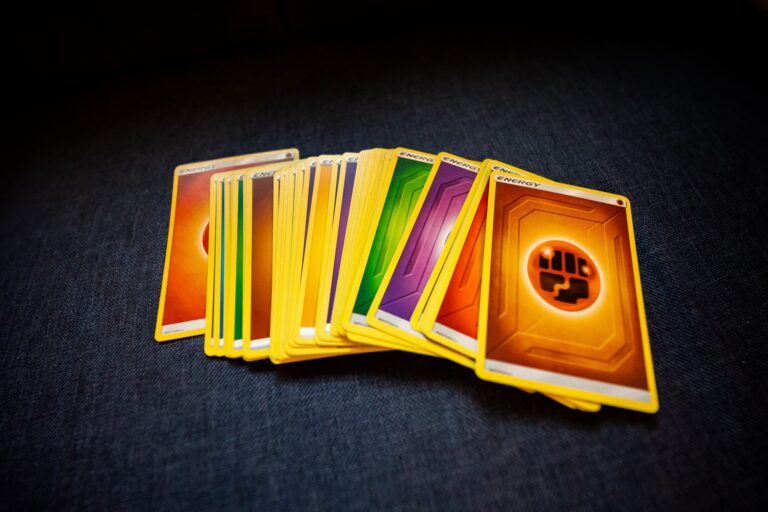
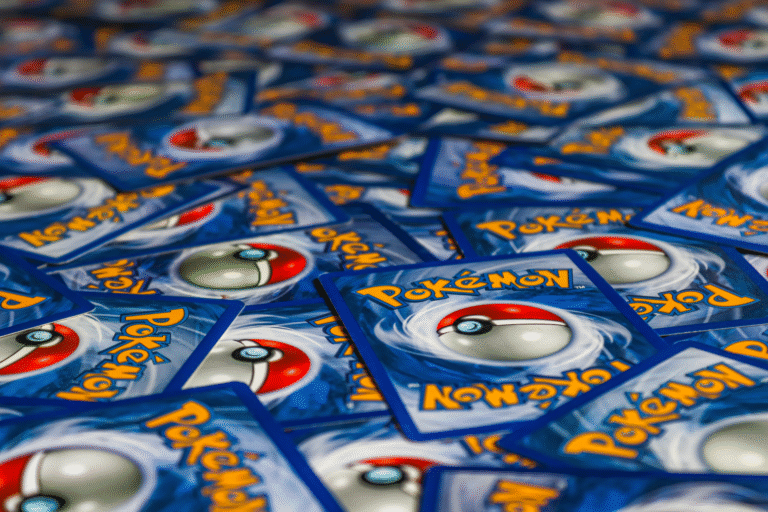
LEGO Pokémon sets have the potential to attract card collectors into the building hobby through a combination of familiar IP, collectible minifigures, and a lower barrier to entry compared to card grading and authentication. Unlike trading cards, which require knowledge of editions, print lines, and condition assessment, LEGO sets offer tangible, immediately satisfying physical builds with built-in replay value. For someone who already invests in Pokémon cards—spending hundreds on booster boxes and sealed products—LEGO sets represent a natural adjacent purchase that uses the same collecting mindset but applies it to 3D physical objects rather than cardboard.
The crossover potential is particularly strong because LEGO Pokémon sets tap into the same nostalgia and character attachment that drives card collecting. A collector who has spent $500 on a graded copy of a Base Set Charizard already understands collectibility, scarcity, and the appeal of owning multiple versions of the same character. LEGO’s recent announcement of large-scale building sets like the Pokémon Center ($379) and upcoming licensed sets creates a natural entry point—these are expensive enough to feel significant but structured enough that a card collector with disposable income will recognize the value proposition immediately.
Table of Contents
- What Makes LEGO Pokémon Appealing to Card Collectors?
- The Challenge of Building Culture vs. Collecting Culture
- How Existing Card Collectors Can Bridge Into LEGO Building
- Pricing and Investment Comparison: Cards vs. LEGO Sets
- Market Saturation and the Risk of Overbuying
- The Display Value Premium
- The Future of Card Collector Crossover
- Conclusion
- Frequently Asked Questions
What Makes LEGO Pokémon Appealing to Card Collectors?
lego and pokémon trading cards operate on fundamentally similar collecting psychology. Both encourage completing sets, purchasing multiple copies for variation or condition, and treating rare or limited editions as investment pieces. A card collector accustomed to hunting for miscuts, shadowless cards, or specific PSA grades will naturally gravitate toward LEGO’s increasing rarity tiers—retired sets command 2-3x retail on secondary markets within months of discontinuation, much like out-of-print trading card sets.
The minifigure component is particularly powerful. Where a card collector owns hundreds of duplicates they’ll never look at again (bulk commons from booster boxes), LEGO Pokémon minifigures are display pieces. Collecting all 25 minifigures from the Pokémon Center set parallels collecting a full set of Pokémon TCG cards, but with better visibility and physical presence. Additionally, LEGO’s limited production runs and periodic retirement of sets create artificial scarcity that card collectors understand instinctively—they already accept paying premiums for sold-out products.

The Challenge of Building Culture vs. Collecting Culture
One significant limitation is that LEGO’s core value proposition requires actual building, which isn’t guaranteed to appeal to someone primarily motivated by collecting. A card collector can justify owning ten sealed booster boxes because they understand that sealed products increase in value; a LEGO collector, however, must decide whether to build the set (losing the “sealed premium”) or leave it in the box for resale value. This creates internal conflict that card collectors don’t typically face—cards in a booster box serve no function, but an unbuilt LEGO set is a dead asset. The secondary market psychology also differs.
A Pokémon card grader makes money on volume—they buy cheap cards, submit them to PSA, and flip for profit. LEGO sets appreciate slowly but steadily, with built-in shipping costs and spoilage risks that make flipping less attractive. A card collector accustomed to moving inventory through TCGPlayer or eBay might find LEGO’s slower appreciation and lower turnover frustrating. Moreover, LEGO sets are extremely vulnerable to warehouse conditions—exposure to heat or humidity can permanently damage the building experience, whereas a sealed card box deteriorates far more slowly.
How Existing Card Collectors Can Bridge Into LEGO Building
The most natural entry point is purchasing LEGO Pokémon sets at retail and building them as a physical representation of a character collection already represented in cards. A collector with multiple Charizard cards can justify buying the LEGO Charizard set ($70) as a complementary piece—the building experience becomes a tactile expression of their card collecting obsession. This “crossover purchasing” is already happening in the market; early sales data suggests card collectors are the primary demographic for premium LEGO Pokémon sets, not traditional LEGO builders.
The minifigure ecosystem also creates a display-collection hybrid. Unlike cards (which require sleeve storage), LEGO minifigures can be arranged in dedicated display shelves, creating a visual collection that a card collector’s wallet can’t match. This visibility advantage is significant—a card grader with a $10,000 collection likely keeps it in a safe deposit box, whereas a LEGO minifigure collection is on full display and brings daily satisfaction. For collectors looking for a way to showcase their Pokémon obsession without risking card condition, minifigures offer an ideal middle ground.

Pricing and Investment Comparison: Cards vs. LEGO Sets
Direct price comparison reveals that LEGO Pokémon sets offer slower appreciation but with lower volatility than cards. A Pokémon Center set that cost $379 at retail currently sells for $450-500 on secondary markets after a 6-month period, representing roughly 20% appreciation. Compare this to a booster box of Scarlet & Violet, which might see 5-15% fluctuation depending on set performance, or a chase card that can fluctuate 40-60% in months. LEGO’s slower appreciation appeals to risk-averse collectors who accept lower returns for stability.
However, LEGO sets carry specific risks that cards don’t. Shipping damage is common—boxes arriving dented or crushed reduce resale value significantly, whereas a damaged card can still be graded or sold individually. Additionally, LEGO’s secondary market is less liquid than cards; selling a sealed set requires finding an individual buyer, whereas booster boxes move continuously through TCGPlayer. A card collector considering LEGO should expect to hold inventory 12+ months before seeing meaningful appreciation, and accept that some portion will sell at a loss due to damage or poor market timing.
Market Saturation and the Risk of Overbuying
One critical warning: the LEGO Pokémon market is already showing signs of overheating. Early sets are accumulating inventory on secondary markets, with numerous sealed copies available at or below retail on resale platforms. This differs from the scarcity narrative that LEGO marketing emphasizes—while official retirement of sets is real, LEGO typically produces at massive scale before retirement, flooding secondary markets temporarily. A collector who buys multiple copies hoping for scarcity-driven appreciation may face years of holding inventory before seeing returns.
Card collectors are familiar with this from experience: set saturation following major print runs depresses prices for 6-12 months before recovery. LEGO behaves similarly, but with worse holding costs (storage space, shipping insurance if future sale is planned). A Pokémon Center set purchased at retail for $379 currently sells for $450, but when supply normalizes post-retirement, that premium may compress to 10-15%. Collectors should treat LEGO purchases as longer-term holds than they might booster boxes, and avoid buying multiple copies of the same set expecting rapid appreciation.

The Display Value Premium
Unlike trading cards, LEGO Pokémon sets have an intrinsic “display value” that extends their appeal beyond pure investment. A built LEGO set provides ongoing enjoyment and visual presence, whereas a card collection’s value is purely financial. This has practical implications for collectors—a $379 investment in a built Pokémon Center is arguably more justified if the collector enjoys owning it as a desk or shelf piece, because appreciation is a bonus rather than the primary driver.
This psychology advantage helps LEGO Pokémon attract card collectors: they can justify purchases as aesthetic investments rather than pure speculation. A card collector might struggle to justify a $20 booster box purchase to non-collectors (“it’s just cardboard”), but a $379 LEGO set is defensible as home decoration. For collectors with limited disposable income, this framing makes the hobby more sustainable long-term—building becomes permission to spend without purely financial justification.
The Future of Card Collector Crossover
As LEGO continues expanding the Pokémon product line, the bridge between card collecting and building will strengthen. Upcoming releases featuring iconic locations (Poké Centers, gyms, landmark regions) are specifically designed to attract collectors who want physical representations of the Pokémon world beyond cards. LEGO’s strategy mirrors successful expansion into other collecting categories (architecture, art, minifigure-heavy themes), where character or location investment creates ecosystem-level loyalty.
The trajectory suggests that within 2-3 years, owning both cards and LEGO Pokémon sets will be normal for serious collectors. Card grading and authentication communities are already beginning to overlap with LEGO resale groups on platforms like Facebook and Reddit, with collectors treating LEGO as a complementary asset class. This convergence benefits both hobbies—card collectors gain a new outlet for their obsession, and LEGO gains an affluent, highly committed customer base.
Conclusion
LEGO Pokémon sets successfully attract card collectors by offering familiar collecting mechanics (completionism, variant hunting, scarcity appreciation) applied to physical objects with inherent display value. The barrier to crossover is low—collectors already understand collectibility and accept premium pricing for rare or retired products, making LEGO a natural adjacent purchase. For someone spending $500+ annually on booster boxes, a $379 LEGO set represents a reasonable allocation of hobby budget.
The key consideration is managing expectations: LEGO appreciation is slower and less volatile than chase cards, secondary market liquidity is lower, and holding costs are real. Collectors should approach LEGO Pokémon as a medium-term hold (12+ months) and factor in the display value beyond pure investment. Done intentionally, LEGO offers card collectors a new way to express their Pokémon obsession while building a diversified collecting portfolio.
Frequently Asked Questions
Will LEGO Pokémon sets appreciate like rare trading cards?
No. LEGO sets appreciate 15-25% annually after stabilization, while chase cards can appreciate 40-60% in months. However, LEGO offers lower volatility and more predictable appreciation tied to set retirement timelines.
Should I buy multiple sealed copies hoping for scarcity-driven appreciation?
Avoid this strategy. LEGO typically produces at large scale before retirement, flooding secondary markets. Appreciation is based on long-term scarcity (years, not months), and holding costs for multiple copies are significant.
Is the LEGO Pokémon market saturated right now?
Early sets are showing inventory accumulation on secondary markets. Expect 6-12 months of price compression before appreciation accelerates, similar to trading card set saturation cycles.
Can I flip sealed LEGO sets for profit like booster boxes?
Not effectively. LEGO secondary market is less liquid than TCGPlayer, shipping costs are high relative to margins, and damage risk eats into profits. Treat LEGO as longer-term holds (12+ months).
Should I build my LEGO set or keep it sealed for resale?
This depends on personal preference. A built set loses 10-15% resale value but provides ongoing enjoyment. If you enjoy building and display, the trade-off is justified; if investment is primary, keep sealed.
How does LEGO minifigure collecting compare to card collecting?
Minifigure collecting offers visible display value that cards don’t, but lower liquidity and slower appreciation. It appeals to collectors seeking variety and visual appeal over pure investment returns.