The Giants Pikachu Jersey represents a fundamental shift in how Pokémon leverages cultural institutions to expand beyond its traditional fanbase. When the San Francisco Giants introduced special Pikachu-themed jerseys for games during Pokémon events, it wasn’t merely a novelty crossover—it was a calculated demonstration that Pokémon has become integrated enough into mainstream sports culture to command real estate on professional uniforms. This signals that Pokémon’s partnership power extends beyond video game enthusiasts and trading card players into audiences that follow baseball, basketball, and football, effectively making the franchise a mainstream cultural force that stadiums and teams actively court. The Pikachu Jersey exemplifies how sports properties are increasingly valuable partnerships for entertainment franchises in the 2020s.
Sporting events reach demographics that traditional entertainment marketing struggles to capture: multi-generational audiences, casual spectators, and corporate partners all converging in one location. By placing Pikachu on a Giants uniform, Pokémon didn’t just sell merchandise—it demonstrated that the franchise could move cultural needles in unexpected places. This kind of visibility carries weight because it’s earned through partnership legitimacy, not paid advertising. When a professional sports team chooses to wear your character, it’s an implicit endorsement of cultural relevance.
Table of Contents
- How Do Sports Partnerships Expand Pokémon’s Market Reach?
- The Strategic Limits and Risks of Sports Merchandise Partnerships
- How Sports Partnerships Create New Collector Demand
- Weighing the Value of Sports Partnerships Versus Dedicated Pokémon Events
- The Risks of Over-Commercialization Through Sports Partnerships
- How Major League Baseball Partnerships Differ from Other Sports Collaborations
- The Future of Pokémon in Professional Sports
- Conclusion
How Do Sports Partnerships Expand Pokémon’s Market Reach?
Sports partnerships operate on a principle of audience overlap and cultural legitimacy. A baseball fan attending a Giants game might have no interest in opening pokémon booster packs, but seeing Pikachu on a player’s chest creates a moment of cultural intersection. That moment—casual, non-commercial, embedded in an experience the fan is already paying attention to—plants Pokémon in contexts where traditional advertising doesn’t work. The Giants partnership specifically reached Bay Area sports enthusiasts, families attending games, and media covering the event, each of whom then either purchased merchandise, sparked conversations, or shared content on social media.
The jersey becomes a cultural artifact that legitimizes Pokémon as something worth paying attention to across age groups. This effect compounds in ways pure merchandise sales don’t capture. A 45-year-old attending a Giants game with their child might never buy a Pokémon booster pack, but seeing a professional athlete wear Pikachu changes how that parent perceives the franchise—as something established enough to appear in sports, rather than a children’s game. Over time, this perception shift affects purchasing decisions across families, business partnerships, and media coverage. Compare this to a standalone Pokémon commercial, which actively repels some audiences; a sports partnership is ambient cultural presence, where your target audience comes to you expecting sports content and discovers Pokémon as an added element.

The Strategic Limits and Risks of Sports Merchandise Partnerships
While sports partnerships offer broad reach, they also carry significant constraints that limit their value for pure card market growth. A Giants Pikachu jersey appeals to baseball fans first and Pokémon fans second, which means the merchandise is designed for spectacle and collectibility as sports memorabilia rather than as gateways into trading cards. A fan who buys a Pikachu Giants jersey might never touch a Pokémon card, making the partnership effective for brand awareness but not necessarily for converting audiences into the core collectible market. This is the key limitation: sports crossovers build brand credibility but don’t guarantee commercial conversion down the funnel. Additionally, sports partnerships are constrained by league rules, team identity, and sponsorship exclusivity.
The Giants cannot flood their uniform with Pokémon branding without compromising their own identity or violating MLB uniform standards. This means sports partnerships remain limited in scope—a few special-event jerseys, a handful of merchandise drops, promotional games. Unlike a dedicated Pokémon event where Pikachu dominates the entire experience, a sports partnership is always secondary to the game itself. There’s also a warning: if sports partnerships become too frequent or obviously commercial, they lose the cultural legitimacy that made them effective in the first place. The novelty and prestige of seeing Pikachu on a professional uniform would evaporate if every team used Pokémon characters constantly.
How Sports Partnerships Create New Collector Demand
For Pokémon card collectors, sports partnerships create artificial scarcity and new demand vectors that can affect secondary market prices. When a limited-edition Pikachu Giants jersey was released, it wasn’t just appealing to baseball fans—it attracted Pokémon collectors who saw a unique collectible that combined two fandoms. Special-edition sports merchandise often releases in smaller quantities than standard products, which drives collector interest based on rarity alone. This creates spillover demand: collectors who acquired the Giants merchandise might explore other Pokémon collectibles, and the cultural conversation around the partnership can drive trading card demand as younger fans become curious about the franchise after seeing the jersey. The cultural impact of the Giants partnership extended to trading card releases tied to the promotion.
Pokémon released special cards, promotional products, and event-exclusive items surrounding the Giants games, which created collection completeness incentives for serious card collectors. For those building comprehensive collections, missing a promotion tied to a major sports event feels like a gap in their portfolio. This demand surge, even if temporary, can elevate prices for related products on the secondary market. However, this also reveals a limitation: the demand is event-driven and artificial. Once the promotional period ends and the novelty fades, demand normalizes. Collectors who bought Giants merchandise purely for investment purposes often found limited resale value outside of niche sports memorabilia markets.

Weighing the Value of Sports Partnerships Versus Dedicated Pokémon Events
Sports partnerships and dedicated Pokémon events represent different strategies for reaching audiences, each with distinct tradeoffs. A Pokémon Company International event—like a Trading Card Game World Championship or a large convention appearance—reaches core fans with high conversion rates to card purchases and sustained engagement. These events are designed entirely around Pokémon content, so every element reinforces the brand and encourages deeper participation in the franchise. A Giants partnership, by contrast, reaches mainstream audiences with lower conversion rates but significantly higher visibility and cultural legitimacy. A single Giants game with Pikachu merchandise reaches more people through media coverage and casual attendance than a mid-tier Pokémon event, but fewer of those people will become card buyers.
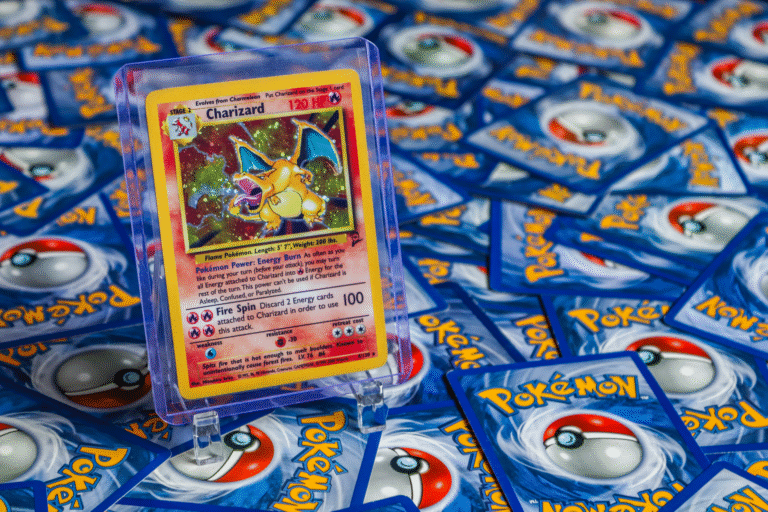
The strategic calculus is about market positioning versus direct sales. A company might use sports partnerships to build brand awareness and cultural credibility while using dedicated events to convert that awareness into actual spending. For card collectors specifically, this means sports partnerships are valuable for long-term market health—they normalize Pokémon as a cultural institution—but they don’t directly drive trading card sales the way targeted card releases do. A collector trying to evaluate whether a sports partnership affects card values should note that the effect is usually modest and temporary. The Pikachu Giants partnership likely increased brand awareness for Pokémon in California, but it probably didn’t meaningfully change the value of vintage Charizards or rare holographic cards.
The Risks of Over-Commercialization Through Sports Partnerships
Pokémon faces an ongoing risk with sports partnerships: that too many crossovers will dilute the prestige and novelty that makes each partnership valuable. If Pikachu appears on Giants jerseys, then Yankees merchandise, then Lakers apparel, each successive appearance becomes less culturally significant. The initial Giants partnership was notable because it was unexpected and relatively rare; Pokémon collaboration with major sports teams was not yet routine. But as more partnerships launch, that novelty erodes, and the brand impression weakens. This is the “familiarity collapse” risk: when something becomes omnipresent, it ceases to feel special or culturally significant.
There’s also a warning about brand consistency and audience alienation. Sports partnerships often emphasize mainstream appeal and casual fandom, which can sometimes undermine the core community’s perception of the franchise. Longtime card collectors and competitive players might view sports partnerships as corporate overreach or dilution of Pokémon’s identity. If the franchise pursues sports partnerships too aggressively, it risks creating a perception of Pokémon as a generic corporate property rather than a distinct entertainment brand with its own culture. The balance required is between expanding into new markets and maintaining the cultural authenticity that makes longtime fans feel invested.
How Major League Baseball Partnerships Differ from Other Sports Collaborations
Baseball partnerships carry specific cultural weight in the United States that differs from partnerships with basketball, football, or soccer leagues. Baseball maintains a position as “America’s pastime” and carries generational cultural significance that reaches beyond pure sports fandom. A Pikachu Giants partnership thus inherited some of that cultural gravitas—it wasn’t just about sports, but about baseball specifically. This matters for collectibility and cultural perception. Compare the Giants partnership to a hypothetical NBA partnership: basketball reaches younger, more digital-native audiences, while baseball reaches older demographics and suburban families.
The Giants partnership positioned Pokémon as culturally significant to both traditional audiences and younger fans, broadening the franchise’s perceived cultural relevance. The precedent set by the Giants partnership also matters. When a major professional sports team chooses to feature your character, it signals to other sports properties that the partnership has commercial and cultural value. Other MLB teams, minor league organizations, and international sports leagues might pursue similar partnerships, knowing that the Giants partnership succeeded. This multiplier effect means the initial Giants collaboration wasn’t just one event—it was a proof of concept that opened doors to broader sports integration.
The Future of Pokémon in Professional Sports
The Giants Pikachu Jersey suggests that Pokémon will continue pursuing sports partnerships as a core component of its cultural expansion strategy. As sports leagues increasingly seek partnerships with entertainment franchises to reach younger and more diverse audiences, Pokémon’s established brand recognition and cross-generational appeal make it an attractive partner. Future partnerships will likely expand beyond single jerseys to include stadium naming rights, league-wide collaboration campaigns, or exclusive merchandise distribution through sports retailers. The long-term trajectory points toward Pokémon becoming integrated into sports culture in ways that would have seemed unlikely a decade ago.
For collectors and investors, the implication is that sports partnerships will become a regular source of limited-edition products and cultural moments that can drive short-term demand spikes. However, these effects are typically temporary and should not be a primary basis for investment decisions. The real significance of sports partnerships is institutional: they cement Pokémon’s position as a permanent cultural force rather than a niche enthusiast hobby. This legitimacy benefits the entire franchise long-term, even if individual sports collaborations don’t translate directly into trading card value appreciation.
Conclusion
The Giants Pikachu Jersey demonstrates that Pokémon has achieved a level of cultural penetration where major sports properties actively seek partnerships. The collaboration signals that Pokémon is no longer confined to gaming, trading cards, and dedicated fan events—it’s now a mainstream cultural institution that can enhance the prestige and reach of professional sports teams. For Pokémon’s long-term market health, this is significant. Sports partnerships build brand credibility, normalize the franchise across diverse audiences, and create cultural moments that elevate Pokémon’s perceived relevance in ways that traditional advertising cannot.
For card collectors specifically, sports partnerships are worth monitoring for limited-edition products and temporary demand spikes, but they should not be mistaken for indicators of underlying card value growth. The real value of the Giants partnership lies in what it signals about Pokémon’s cultural position—that the franchise is established enough, prestigious enough, and appealing enough to warrant space on professional uniforms. That legitimacy compounds over time and supports the franchise’s ability to sustain premium pricing, broad audience appeal, and continued commercial success. The next sports partnership announcement should be viewed not as an isolated event, but as confirmation that Pokémon’s crossover into mainstream culture is systematic and ongoing.