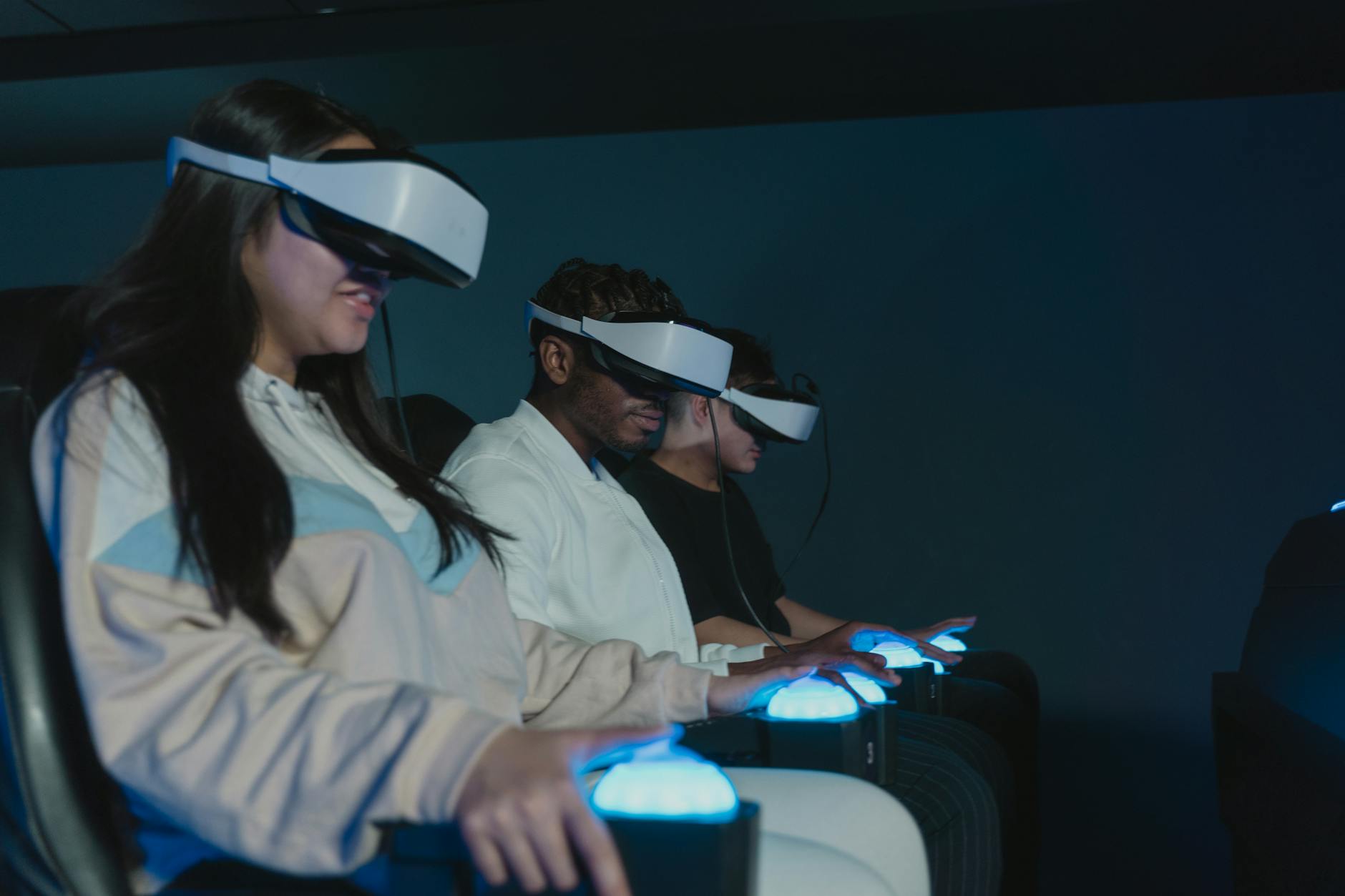
Immersive Pokémon events offer collectors and players a direct connection to the brand’s community and competitive ecosystem that neither casual gameplay nor card ownership alone can provide. While traditional Pokémon cards generate value through rarity and condition, and video games create entertainment through gameplay mechanics, immersive events create economic opportunity through experiences that drive spending, social status, and access to limited products. The 2023 Pokémon World Championships in Yokohama, for example, drew thousands of players competing for titles and exclusive tournament merchandise, generating secondary market demand for event-exclusive cards and creating celebrity status for top competitors—something a player sitting alone with a game cartridge or a collector viewing cards in a binder cannot achieve.
Beyond the obvious appeal of tournament competition, immersive events function as discovery platforms where new players and collectors encounter products in curated environments, where social hierarchies within the community solidify, and where The Pokémon Company can test pricing models, product bundling, and brand extensions before rolling them out to broader markets. Events also create tangible reasons to travel, spend money on accommodations and food, and participate in ancillary spending that a purely digital or solitary hobby cannot generate. The value proposition is fundamentally about transforming an individual hobby into a social spectacle.
Table of Contents
- How Could Immersive Events Drive Long-Term Card and Collector Value?
- The Risk of Over-Reliance on Event-Exclusive Products and Accessibility Barriers
- Building Community Hierarchies and Social Status Systems
- Experiential Product Bundling and Premium Pricing Models
- The Challenge of Scaling Events and Managing Logistics
- Virtual and Hybrid Event Models as Extension Opportunities
- The Future of Events in the Pokémon Economy
- Conclusion
- Frequently Asked Questions
How Could Immersive Events Drive Long-Term Card and Collector Value?
immersive events create scarcity and prestige markers that increase the perceived and actual value of event-exclusive cards and promotional items. When a card is only available to players who attended a specific tournament or convention, its demand increases among collectors who weren’t present, driving secondary market prices upward. This creates a visible price differential between event-exclusive versions and standard releases—similar to how pokémon TCG World Championships decks (which are pre-constructed, non-tournament legal) still command $100–$500 premiums over equivalent cards because they signal participation in an exclusive gathering.
Collectors who attend events gain access to cards before casual collectors, establishing a first-mover advantage in the resale market. Events also drive demand for related products through nostalgia and social proof. A collector who attends a regional tournament and places in top 8, even without winning event-exclusive cards, gains social capital within the community—and that social capital translates into purchasing decisions by other collectors who want to own the cards and merchandise associated with recognized competitors. This dynamic is visible in the secondary market for signed sleeves, deck boxes, and playmats from known players; these items sell for significantly more than unsigned equivalents because they carry the identity and reputation of the person who used them, not just the product itself.

The Risk of Over-Reliance on Event-Exclusive Products and Accessibility Barriers
A significant limitation of event-driven scarcity is that it can create artificial gatekeeping, pricing out casual collectors and damaging long-term brand loyalty. If The Pokémon Company relies too heavily on events to distribute high-demand cards or variants, collectors who cannot afford to travel, take time off work, or compete will feel excluded—and exclusion breeds resentment. The 2021–2022 Pokémon TCG shortage demonstrated this risk: limited supply across all channels led to severe price inflation, which benefited early speculators but alienated new and casual players who wanted to participate but couldn’t afford $200 starter decks. Similarly, if event-exclusive cards become the primary way to access competitive-grade cards or chase cards, non-competitors are effectively priced out of the hobby.
There is also the risk of market saturation and value collapse. If The Pokémon Company floods events with exclusive products to maximize immediate revenue, collectors and resellers will notice the pattern, demand will soften, and the exclusivity premium will evaporate. This happened to some degree with limited-edition Pokémon GO products; early exclusivity generated demand spikes, but as The Pokémon Company released variations and re-releases, the secondary market for older versions cooled significantly. Events must balance scarcity and accessibility to sustain long-term value—too much scarcity alienates players, too little scarcity collapses the prestige and resale value that makes events worth attending in the first place.
Building Community Hierarchies and Social Status Systems
Immersive events are powerful community-building tools because they create visible hierarchies of skill, status, and investment. The top finishers at tournaments earn titles, invitations to larger events (like the World Championships), and media attention—all of which translate into social currency within the collector community. This status system mirrors traditional sports, where athletes gain endorsement deals and fan bases; successful Pokémon players now gain sponsorships from card retailers, tournament organizers, and content creators, along with audiences on platforms like Twitch and YouTube. A player who wins a regional tournament can suddenly monetize their success through content creation, coaching, and product promotion—turning a hobby skill into actual income.
Events also create sub-communities with their own norms, inside jokes, and identity. Regional tournaments, for example, build loyal fan bases around local players and give players reasons to develop rivalries and team allegiances. This loyalty extends to purchasing behavior: collectors often buy cards used by their favorite players, creating demand for specific decks and card configurations that non-competitors might never encounter. The social bonds formed at events also drive continued participation and spending; players and collectors who make friends at a tournament are more likely to attend future events, spend more on cards and merchandise, and promote the hobby to new people in their networks.

Experiential Product Bundling and Premium Pricing Models
Events enable The Pokémon Company to test and sell premium product bundles that combine physical cards, digital access, exclusive merchandise, and experience components at price points significantly higher than standard retail. For example, a tournament entry might cost $50–$100 (versus zero cost for casual play), and tournament participants might purchase $30–$100 in supplies (sleeves, deck boxes, playmats), plus entry to side tournaments for additional cost. A dedicated tournament player might spend $200–$500 at a single event, compared to $30–$60 for a casual collector making a single card purchase at retail.
This pricing model is more resilient than pure product sales because it ties cost to experience, convenience, and social status rather than just tangible goods. A collector who spends $300 on event entry and merchandise might feel that expense is justified because it provides memories, social connection, and competitive opportunity—things that cannot be replicated by buying cards alone. This is comparable to the premium pricing for sporting events: a fan might pay $50 for a baseball game ticket when they could watch the same game on television for free, because the in-person experience is fundamentally different. However, The Pokémon Company must carefully price these experiences to avoid alienating price-sensitive collectors; if event costs escalate too rapidly, participation will drop and the community will shrink.
The Challenge of Scaling Events and Managing Logistics
Managing large-scale immersive events is operationally complex and financially risky. The Pokémon World Championships requires coordination between The Pokémon Company, local governments, tournament judges, volunteer staff, and thousands of participants across multiple days—and a single operational failure (lost ballots, security breaches, tournament rule misinterpretation) can damage the brand’s reputation and discourage future participation. Regional events are easier to manage than international championships, but even regional tournaments require venue rental, liability insurance, staff training, and logistical planning. These costs cut into The Pokémon Company’s profit margins and create incentive to charge higher entry fees or accept sponsorship from third-party retailers and competitors, which can bias tournament rules or product recommendations.
Another limitation is that event-driven strategies require sustained investment to remain competitive and attractive. Once players and collectors become accustomed to annual regional tournaments or quarterly conventions, they expect consistency and improvement—canceling an event or reducing quality signals decline and risks damaging long-term loyalty. The COVID-19 pandemic demonstrated this vulnerability: when in-person events shut down in 2020, online tournaments proved inferior substitutes for many players because they lacked the social and experiential components that made events valuable. Recovery took years even as the card market boomed in other sectors, showing that event-driven communities are fragile.

Virtual and Hybrid Event Models as Extension Opportunities
As an alternative to purely physical events, hybrid models combining in-person and virtual components could extend the appeal of immersive experiences to remote participants and reduce logistical costs. A regional tournament could be streamed with professional commentary, allowing remote viewers to follow matches, learn from top players, and feel invested in outcomes without traveling. Some remote participants might purchase merchandise or entry fees to “attend” virtually—potentially creating additional revenue streams. The Pokémon Company has experimented with this through Pokémon Go events that combine in-game bonuses with real-world gathering points, allowing solo players to benefit from event timing without attending physical locations.
Virtual reality or augmented reality experiences could also extend the immersive event concept into purely digital spaces. Imagine a VR tournament hall where players from around the world compete in a simulated stadium environment, with avatars and virtual merchandise, or an AR app that overlays Pokémon holographically onto real-world card collections. These technologies are still emerging and expensive, but they could democratize access to immersive experiences by removing geographic barriers. A collector in rural areas could attend a “virtual world championship” from home, reducing exclusion and expanding the addressable market.
The Future of Events in the Pokémon Economy
As the Pokémon TCG market matures and competition for player attention intensifies, immersive events will likely become increasingly important as differentiators. The card market is moving toward greater stratification between serious competitors and casual collectors, and events serve as natural venues for both audiences: players compete for titles and prize cards, while casual collectors can attend for the social experience, merchandise, and access to limited products. In the next 5–10 years, expect to see more seasonal tournament schedules, internationally accessible circuit play, and premium event tiers (similar to professional sports leagues) where only top-ranked players are invited.
The long-term trend will likely favor The Pokémon Company integrating events into a broader ecosystem of streaming, content creation, and tokenized ownership—where attendance, tournament results, and exclusive merchandise are tied to digital credentials or NFT-like systems that increase in value over time. Whether collectors embrace these innovations or reject them as overly commercialized will determine whether events strengthen community bonds or fracture the hobby into exclusive, expensive tiers. The winners will be communities that balance exclusivity with accessibility, and companies that make events accessible to both hardcore competitors and casual enthusiasts.
Conclusion
Immersive Pokémon events offer far more than entertainment or social gathering—they function as economic engines that drive card scarcity, community identity, and premium pricing models that pure product sales cannot match. By creating visible hierarchies of status, offering exclusive products, and building loyal sub-communities, events generate both short-term revenue spikes and long-term customer loyalty.
The most successful events balance accessibility with exclusivity, avoiding over-reliance on gatekeeping while maintaining the scarcity and prestige that make attendance valuable. For collectors, the takeaway is clear: cards and products associated with events will command sustained premiums in secondary markets, and participation in events provides non-monetary returns in the form of social status and community belonging. As the Pokémon economy continues to expand, immersive experiences will likely become the primary battleground for brand loyalty, competitive prestige, and sustained consumer spending—making events as important to the hobby as the cards themselves.
Frequently Asked Questions
Will event-exclusive cards always be more valuable than standard releases?
Not necessarily. Event-exclusive cards hold premiums when events are rare, when attendees have high status, or when supply is tightly controlled. However, if The Pokémon Company oversaturates events or releases too many event-exclusive variants, the prestige and resale value collapse. Exclusivity premiums are temporary and dependent on scarcity perception.
Should casual collectors attend events if they don’t compete?
Yes, if the event offers products or experiences unavailable elsewhere and fits your budget. Events provide access to new cards, limited merchandise, and community connection. However, competitive events are often optimized for players, not collectors—research the event format and attendee demographics before committing travel costs.
How do event-exclusive cards affect long-term collection value?
Event-exclusive cards can increase in value if the event was prestigious or attendance was small. However, a card’s long-term value depends on condition, rarity, demand, and broader market trends—not just whether it was event-exclusive. Some event cards are worth a few dollars more, others are worth significantly less than standard versions if demand is low.
Are virtual or hybrid events as valuable as in-person events?
No. Virtual events remove the social connection, exclusivity, and scarcity perception that make in-person events valuable. Hybrid events can extend reach but typically cannot replace the prestige and community bonds of in-person participation. For serious competitors and collectors seeking maximum value, in-person attendance remains superior.
What’s the biggest risk of event-driven strategies for the Pokémon Company?
Over-reliance on events to distribute products can alienate non-competitors, create unsustainable logistics costs, and collapse community loyalty if events are canceled or poorly managed. The 2020 pandemic showed that event-dependent communities are fragile. Balanced strategies that serve both in-person and remote audiences are more sustainable.
You Might Also Like
- Why Pokémon Cards Are Moving From Toy Aisles to Pro Sports
- How Pokémon Cards Became a Bonding Hobby for Pro Athletes
- How Clubhouse Collecting Could Bring New Money Into Pokémon Cards