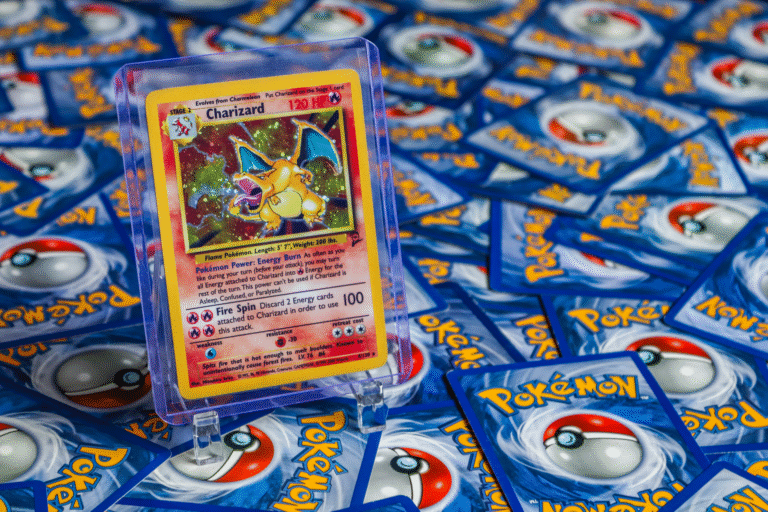
Moment Factory’s Pokémon collaboration is worth watching because it represents a fundamental shift in how The Pokémon Company is leveraging the brand beyond traditional trading cards and digital games—into large-scale, immersive real-world experiences that will reach millions of fans worldwide. Announced on May 26, 2026, the partnership between Moment Factory, Mitsui Fudosan, and The Pokémon Company International signals a strategic commitment to creating transformative experiences that deepen emotional connections to the brand, which inevitably influences the broader Pokémon ecosystem, including card values and collector interest. This isn’t a licensing novelty; it’s the beginning of a long-term strategic partnership designed to deliver experiences that will tour globally starting in Spring 2027.
For collectors and price watchers, this matters because major brand initiatives like this shape demand cycles. When a new generation discovers Pokémon through an immersive experience where they step into the role of a Pokémon Trainer using interactive technology, their entry point into the fandom often includes collecting physical cards. Historical precedent shows that major multimedia expansions—think the Pokémon GO phenomenon in 2016—create waves of new collectors that increase demand and reprints, which in turn affects card values and availability.
Table of Contents
- How Does an Immersive Experience Change the Pokémon Landscape?
- The Scale of Global Expansion and What It Signals
- What This Means for the Interactive Pokémon Strategy
- Collector Implications and Market Dynamics
- Long-Term Strategic Implications Beyond the Cards
- Timing and the Broader 2027 Pokémon Calendar
- What This Says About The Pokémon Company’s Future Direction
- Conclusion
How Does an Immersive Experience Change the Pokémon Landscape?
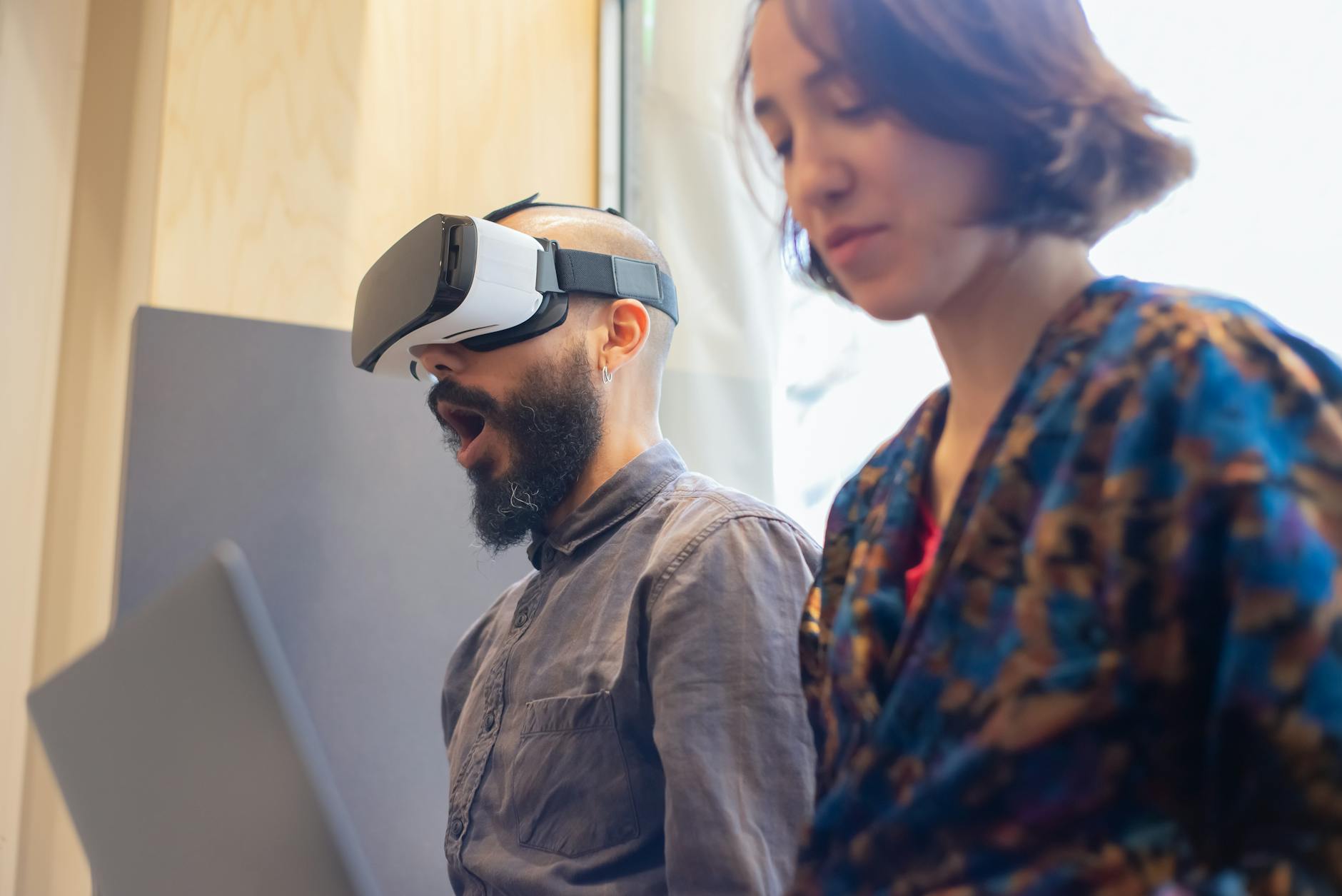
The collaboration centers on creating an immersive storytelling experience that allows visitors to step into the role of a pokémon Trainer using interactive technology, developed by Moment Factory, a world-class producer of immersive experiences. This isn’t a theme park attraction in the traditional sense; it’s an experience designed by a company known for transforming spaces into narrative-driven environments. Moment Factory has built its reputation on projects like La Tohu in Montreal and various museum installations that blur the line between digital and physical storytelling. By bringing that expertise to Pokémon, The Pokémon Company is creating something closer to a themed destination experience than a traveling exhibition.
The partnership leverages Mitsui Fudosan’s expertise in real-world destinations and complex real estate operations, which means these experiences will be anchored in significant physical locations—not pop-up venues. This combination of Moment Factory’s immersive technology, Mitsui Fudosan’s destination infrastructure, and the Pokémon brand creates a competitive moat that differentiates this from standard licensed attractions. Other entertainment brands have attempted immersive experiences, but few have coordinated this level of expertise and brand power. The experience launching in Spring 2027 in Europe represents the flagship model that will define subsequent global rollouts.
The Scale of Global Expansion and What It Signals
Following the European debut, the experience will tour worldwide with various operators and promoters, meaning this isn’t a single location pilot—it’s a distributed, long-term commitment with built-in expansion infrastructure. The language of “global expansion with various operators and promoters” suggests The Pokémon Company has already secured partnerships in multiple regions, which is significant planning. This phased approach also carries a risk worth noting: the European launch quality will set expectations globally, and if the execution falls short, it could disappoint the wider fanbase and dampen enthusiasm in subsequent markets.
The worldwide touring model also means limited-window access creates scarcity marketing. Unlike a permanent themed land at a major theme park, rotating experiences generate FOMO (fear of missing out) and drive attendance spikes when they arrive in each region. For collectors, this creates temporal connection points—major Pokémon news cycles tend to boost trading card demand, and a flagship immersive experience arriving in your city is exactly the kind of cultural moment that drives casual interest into active collecting. The logistics of running this globally with “various operators” adds complexity, but also suggests The Pokémon Company expects this to be profitable and sustainable long-term.
What This Means for the Interactive Pokémon Strategy
This collaboration complements The Pokémon Company’s existing digital initiatives—Pokémon GO, Pokémon Scarlet and Violet, Pokémon Sleep—by filling a gap: a shared physical space where fans of all ages experience the brand together. While Pokémon GO brought players outdoors, it remained primarily a solitary or small-group experience. This immersive experience targets “a diverse, worldwide audience of Pokémon fans,” which language suggests appeal beyond the hardcore gaming demographic. It’s designed to include families, casual fans, and longtime collectors in a unified experience, creating multiple engagement layers.
The May 26 announcement timing, with a Spring 2027 launch window, also indicates coordinated marketing strategy. The Pokémon Company likely has aligned this with new game releases, card sets, or other major initiatives planned for 2027. The strategic partnership designation means Moment Factory and Mitsui Fudosan aren’t one-off contractors—they’re positioned as ongoing collaborators, which suggests future iterations, expansions, or related projects beyond this initial experience. For price watchers, this reinforces that 2027 will be a significant year for Pokémon brand momentum.

Collector Implications and Market Dynamics
Historically, major Pokémon initiatives drive secondary market volatility. When Pokémon GO launched, vintage card prices spiked as new collectors entered the market seeking physical cards. A global immersive experience reaching millions of potential new fans could trigger a similar effect, particularly in vintage Pokémon Trading Card Game sets from the 1990s and early 2000s, which serve as gateway collectibles. However, it could also drive demand for newer release sets if the experience emphasizes current-generation Pokémon and modern card designs.
The distribution matters—if the European launch heavily promotes Generation IX Pokémon, expect different market movements than if it covers the full franchise history. The comparison is instructive: Pokémon’s recent multimedia push (anime reboots, new movies, game releases) has stabilized card prices while creating entry points for new collectors. This immersive experience, by being physical and location-based, creates more friction for participation than a Netflix show or video game launch, but higher emotional impact for those who attend. That creates a tiered effect: casual fans attending the experience become more likely to buy cards, while hardcore collectors recognize the experience as validation of the brand’s cultural significance, which paradoxically stabilizes collector confidence in the market.
Long-Term Strategic Implications Beyond the Cards
The designation of this as a “long-term strategic partnership” is the critical detail most collectors overlook. Long-term partnerships typically include exclusivity clauses, renewal options, and expansion provisions. This suggests The Pokémon Company has secured Moment Factory and Mitsui Fudosan for multiple years and multiple iterations, not just an initial European run. That level of commitment signals confidence in the experience’s viability and suggests possible evolution: branded merchandise specific to the experience, limited-edition card releases tied to the attraction, or regional variations of the experience.
One limitation worth considering: immersive experiences require significant capital investment and have variable success rates based on location, execution, and timing. If the European launch underperforms, it could signal to investors that The Pokémon Company’s expansion strategy is overextended, which might affect other brand initiatives and secondary market sentiment. Conversely, a successful launch creates a proven model for replication, which would accelerate global rollout and reinforce the brand’s momentum. This is why Spring 2027 becomes a critical inflection point for the broader Pokémon ecosystem.

Timing and the Broader 2027 Pokémon Calendar
The Spring 2027 launch window positions the experience in a season that historically sees significant Pokémon announcements and product releases. Coordinating a major immersive experience debut with new game releases, card set launches, or anime announcements would create a convergence of brand touchpoints that amplifies market impact. This multiplier effect—where various Pokémon initiatives reinforce each other—historically drives stronger engagement and demand cycles. Collectors planning 2027 acquisitions should anticipate that major announcements will likely cluster around the European experience launch, creating buying pressure during that window.
The experience also creates a physical gathering point for the Pokémon community, similar to how major trading card tournaments or conventions function as cultural events. The difference is scale and ambition: this is positioned as a destination experience, not a convention hall. That changes the psychology of participation. Attendees aren’t just collectors or gamers; they’re tourists experiencing a branded immersive environment, which creates different spending patterns and brand loyalty effects.
What This Says About The Pokémon Company’s Future Direction
This partnership reveals The Pokémon Company’s strategic belief that physical, immersive experiences are the next frontier for brand expansion. Rather than relying solely on digital (video games, apps) or traditional media (anime, movies, trading cards), they’re investing in experiences that can’t be replicated at home. This hedging strategy acknowledges that digital attention is fragmented and finite, while a memorable physical experience creates lasting brand association.
For collectors, this suggests The Pokémon Company sees the trading card game’s future as intertwined with broader brand experiences, not as a standalone category. The global expansion plan also indicates confidence in the Pokémon brand’s international reach. Unlike previous collaborations that may have been Western-focused, this experience is explicitly designed for worldwide distribution, suggesting The Pokémon Company is prioritizing emerging markets alongside established ones. This geographic diversity in rollout will likely create regional variations in collector behavior, with different markets experiencing demand spikes at different times depending on when the experience arrives in their region.
Conclusion
Moment Factory’s Pokémon collaboration is worth watching because it represents a significant evolution in how major entertainment brands activate physical and immersive engagement with their intellectual property. The partnership between Moment Factory, Mitsui Fudosan, and The Pokémon Company International signals a long-term commitment to creating transformative experiences that will reach a diverse, worldwide audience starting in Spring 2027. For collectors and price watchers, this initiative will likely influence demand cycles, create temporal purchase windows, and reinforce the Pokémon brand’s cultural relevance in ways that extend beyond the secondary card market.
The real opportunity for collectors is recognizing that major brand initiatives like this typically precede, accompany, or follow significant product announcements and market movements. Monitoring the European launch in Spring 2027, tracking which Pokémon and product lines are emphasized in the experience, and watching for coordinated announcements around that timeframe will provide valuable signals for collecting strategy. This partnership is just beginning; its full implications will unfold over the coming years as the experience launches, expands globally, and integrates with the broader Pokémon ecosystem.