
Pokémon is fundamentally shifting its business strategy by moving away from screen-based experiences toward tangible, in-person physical activities. While the Pokémon Company has dominated gaming consoles and smartphones for nearly three decades, the real growth engine now is the trading card game, with record revenues driven by collectors, tournament players, and investors purchasing physical products. This transition isn’t about abandoning video games—it’s about recognizing that the most profitable and engaged audience wants to hold cards, attend live events, visit retail experiences, and build physical collections with measurable market value. The shift accelerated dramatically after 2020 when Pokémon TCG sales exploded.
Booster box prices doubled and tripled, supply chains struggled to meet demand, and Pokémon pivoted resources toward production capacity, retail partnerships, and event infrastructure. The company recognized that players and collectors would travel, spend more, and stay engaged longer when Pokémon existed in the physical world. Events like Pokémon World Championships, regional tournaments, and exclusive retail experiences generate both revenue and community loyalty in ways digital-only products cannot match. This movement reflects a broader cultural shift: as screen time fatigue increased and social connection became more valuable, people sought physical, tangible experiences with collectible assets. For collectors and investors in the Pokémon TCG, this transition has created unprecedented opportunities to build valuable collections while participating in a thriving community.
Table of Contents
- Why Pokémon TCG Replaced Digital as the Company’s Growth Priority
- The Explosive Growth of Physical Retail and Tournament Infrastructure
- Live Events and Tournaments as Experience Anchors
- Physical Collecting as Investment Strategy Versus Play
- Supply Chain Challenges and Counterfeiting Risks
- Community-Driven Secondary Markets
- The Future of Pokémon’s Physical-First Strategy
- Conclusion
- Frequently Asked Questions
Why Pokémon TCG Replaced Digital as the Company’s Growth Priority
The Pokémon TCG wasn’t always the flagship product. For two decades, the video game franchise dominated revenue and cultural relevance. But starting in 2020, the TCG became impossible to ignore. Global card game sales exceeded $10 billion annually at peak periods, with single booster boxes selling for $200 to $400 compared to the suggested retail price of around $100. Meanwhile, new Pokémon video game releases on Switch generated solid sales but faced criticism for repetitive gameplay and lower engagement metrics than previous generations. The difference comes down to psychology and repeat purchases. A video game is purchased once and played until completion or abandonment. A player might spend $60 on Sword/Shield and never buy another Pokémon game for years.
But a TCG collector buys booster boxes repeatedly—sometimes monthly or weekly—chasing specific cards, building decks, or investing in sealed products. The average TCG collector spends far more per year than the average video game player. Additionally, cards have resale value, which creates a secondary market that reinvigorates customer engagement. Someone who pulls a rare holographic Charizard doesn’t just own the card—they own an asset worth hundreds of dollars, creating emotional investment that digital loot in games cannot replicate. Pokémon also recognized a critical limitation of mobile and console gaming: market saturation and aging audiences. Millions of people who played Pokémon Red/Blue in 1996 are now 45 years old and unlikely to spend hours grinding through a modern Switch game. But those same people will collect vintage cards, attend tournaments, and pay premium prices for graded cards in their personal collection. The TCG appeals to both young players and adult collectors and investors, expanding the addressable market beyond what video games alone could reach.

The Explosive Growth of Physical Retail and Tournament Infrastructure
Pokémon responded to TCG demand by rebuilding its retail and event infrastructure from scratch. After decades of treating the TCG as a secondary product, the company invested billions in new production facilities, supply agreements with retailers like Target and Walmart, and tournament organization. This wasn’t a simple decision—it required shifting resources away from digital platforms and video game development. The real proof of commitment is visible in the physical spaces where Pokémon products are now unavoidable. Official Pokémon Centers reopened in major cities, featuring exclusive products, limited-edition boxes, and events that drove foot traffic. Target and Walmart expanded TCG sections from a single shelf to entire aisles.
Game stores that survived the digital transition did so by pivoting toward Pokémon events—Friday Night Draft tournaments, sealed product leagues, and casual play events became weekly revenue drivers. However, Pokémon’s retail expansion revealed a serious limitation: manufacturing capacity. The company massively underestimated demand in 2020 and 2021, leading to empty shelves, scalper culture, and fraud. Counterfeit product flooded the market, particularly in Asia. To maintain exclusivity and quality, Pokémon had to slow product releases, implement print-to-demand constraints, and control distribution through authorized channels. This created artificial scarcity that benefited early collectors but frustrated new players trying to enter the hobby. The tradeoff between rapid growth and sustainable supply remains a challenge the company balances today.
Live Events and Tournaments as Experience Anchors
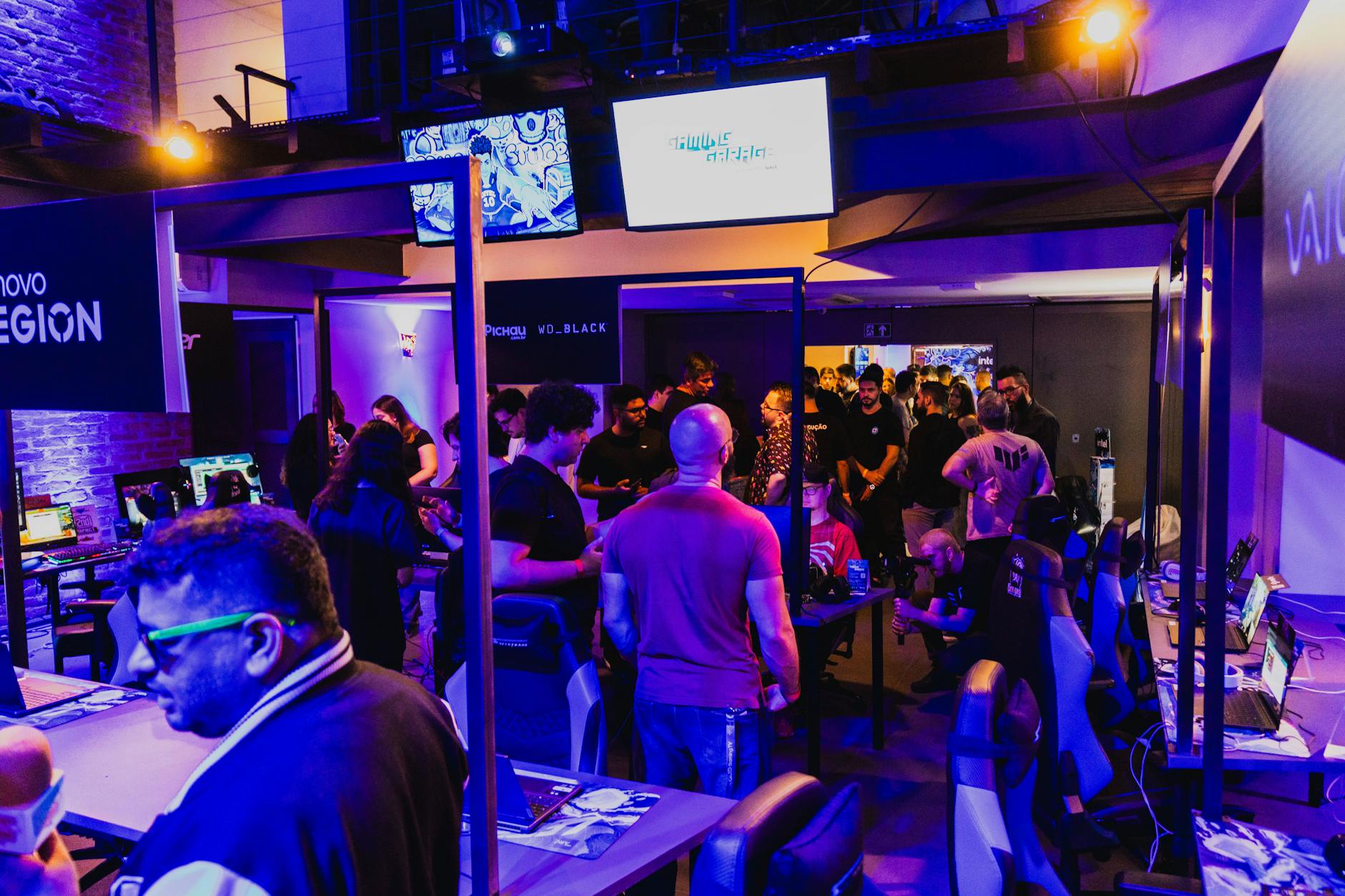
Pokémon World Championships and Regional tournaments are now flagship events that rival esports tournaments in scale and production value. These events draw thousands of players, spectators, and media coverage, creating a physical gathering point that amplifies the entire TCG community. Unlike video game tournaments played remotely on keyboards, Pokémon card tournaments happen in convention centers where players feel the tension of face-to-face matches, judge interactions, and in-person card trades. A player traveling to a Regional Championship doesn’t just compete—they attend artist meet-and-greets, purchase exclusive tournament promos, network with collectors, and visit vendor booths where rare cards are bought and sold. These events generate revenue through entry fees, concessions, merchandise, and hotel stays.
They also create content: matches are streamed, photos spread on social media, and word-of-mouth drives younger players to attend future events. Beyond tournament circuits, Pokémon also invests in community play events. Official League Play through Pokémon Centers and authorized retailers creates weekly engagement without requiring tournament-level skill. A collector can attend a league event to play casually, trade cards, and feel part of a community. This accessibility is critical—it converts casual players into regular participants, who spend money on booster boxes and single cards they need for their deck.
Physical Collecting as Investment Strategy Versus Play
The separation between collectors and players has become more pronounced as Pokémon TCG matured. Players buy booster boxes to draft and construct playable decks. Collectors buy booster boxes to grade and sell individual cards for profit. Investors buy sealed vintage products expecting appreciation. These audiences overlap, but their purchasing behavior differs radically. A player who spends $200 on a booster box expects to open the box, organize cards by rarity, and build decks worth playing.
A collector who spends $200 on a booster box might not open it at all—sealed boxes appreciate faster than opened cards, and keeping the box pristine preserves its value. An investor holding a 2020 Base Set booster box knows that if the card market appreciates even 5% annually, their investment grows without any effort. This creates a financial incentive to purchase sealed product regardless of actual interest in opening cards. The limitation here is obvious: if most expensive product gets hoarded rather than opened and played, the playing community shrinks. A new player entering the hobby in 2024 faces higher secondary market prices for individual cards because fewer booster boxes were actually opened by collectors. This creates a vicious cycle where cards are harder to obtain, play becomes more expensive, and new players are priced out. Pokémon has tried to address this with different product tiers—premium products for collectors, budget options for players—but the psychological premium attached to older products makes collecting a better financial move than play.
Supply Chain Challenges and Counterfeiting Risks
Moving from screens to physical products introduced operational challenges that video games never face. Physical cards require raw materials, printing facilities, transportation, inventory management, and retail partnerships. Supply chain disruptions during 2020–2021 created vacuums that counterfeiters eagerly filled. Fake Pokémon cards became sophisticated enough to fool casual buyers. Low-quality counterfeits are easy to spot, but high-quality fakes pass basic visual inspection.
Counterfeiters reproduced recent sets at scale, creating supply that damaged trust in the market. A collector spending $500 on a graded card faces the risk that the card itself might be counterfeit—an expensive liability that doesn’t exist in digital games. Pokémon responded by implementing security features: holographic patterns, special inks, textured surfaces, and QR codes that verify authenticity. The TCG Alliance (a coalition of major card games) also established standards for retailers and distribution. However, the warning is clear: physical products are vulnerable in ways digital products are not. Collectors investing significant capital should purchase from authorized retailers and consider professional grading and authentication services like PSA or CGC to verify their acquisitions.

Community-Driven Secondary Markets
The existence of a physical product enabled secondary markets that generate engagement without Pokémon’s direct involvement. TCGPlayer, Cardmarket, eBay, and specialist retailers buy and sell individual cards continuously, creating price discovery and liquidity. A player needing a specific Lapras card for a tournament deck can find dozens of listings at varying prices within minutes. An investor tracking the value of their collection can access real-time pricing data.
This secondary market actually strengthens Pokémon’s position by extending product lifecycles. A booster set might be in print for 6 months, but secondary market trading continues for years. Newer players discover and purchase out-of-print sets through secondary channels, keeping the brand alive and relevant long after official retail stock is exhausted. Pokémon itself doesn’t profit directly from these sales, but the vibrant community engagement driven by secondary markets makes the hobby sticky and long-lasting.
The Future of Pokémon’s Physical-First Strategy
Pokémon’s pivot toward physical experiences appears permanent and accelerating. The company recently announced expanded Pokémon Center locations in major global markets, increased production capacity for TCG products, and multi-year sponsorship commitments to international tournament circuits. These investments signal that screens are no longer the primary focus. Looking forward, expect Pokémon to blur lines further between physical and digital.
Technologies like digital card apps (like Pokémon Live or future blockchain integrations) might allow players to link their physical collection to digital inventory. Augmented reality could transform how collectors value and display cards. But the core strategy—building community and revenue around physical products—won’t change. The question isn’t whether Pokémon will abandon the TCG for video games. The question is how far Pokémon will push physical experiences as its primary product pillar.
Conclusion
Pokémon’s transition from screens to physical experiences represents a strategic reorientation driven by market data, community demand, and financial performance. The trading card game now generates more revenue than any video game iteration, attracts collectors and investors, and creates opportunities for in-person events and community building that digital products cannot replicate. For collectors and players, this shift means access to a mature, well-funded hobby with real retail infrastructure, tournament circuits, and secondary markets.
The move comes with tradeoffs: counterfeit risk, supply constraints, and market volatility that exist in physical products but not digital games. But for anyone interested in Pokémon collecting, the physical shift is permanent. The company has already reoriented billions in capital toward manufacturing, retail, and events. Success in the Pokémon TCG now depends on understanding this physical-first reality and participating in a community built on tangible cards, real experiences, and measurable asset value.
Frequently Asked Questions
Is Pokémon still investing in video games?
Yes, but at a lower priority. Pokémon releases new games regularly, but the TCG now receives more corporate investment and generates more revenue. Video games remain important for casual players and younger audiences, but the core growth narrative is driven by the TCG.
Should I invest in sealed booster boxes?
Sealed boxes can appreciate over time, but the market is speculative. Box prices depend on print quantity, set popularity, and broader market demand. Buy only from authorized retailers to avoid counterfeits, and consider that sealed product offers no utility until opened. Diversify rather than concentrating investment in a single set.
How do I verify cards are authentic?
Purchase from authorized retailers first. For high-value cards, use professional grading services like PSA or CGC, which authenticate during the grading process. Familiarize yourself with security features of recent sets. If buying vintage cards, research the seller’s reputation and return policy.
What’s the difference between tournament play and collecting?
Tournament players need specific playable cards and buy booster boxes to draft and construct decks. Collectors pursue high-value individual cards or sealed products for appreciation. Most players collect casually while also participating in events.
Why are newer booster boxes more affordable than older sets?
Older sets have lower print runs and higher scarcity. Newer sets see higher production volume, which increases supply and lowers secondary market prices. Newer sets also lack the nostalgia factor that drives demand for 1999–2000 vintage product.
How has the shift to physical experiences affected Pokémon’s profitability?
Dramatically. TCG sales exceeded $10 billion annually at peak periods, far outpacing video game revenue. Physical products support higher margins, repeat purchases, secondary market engagement, and event-driven revenue that digital products cannot achieve at the same scale.