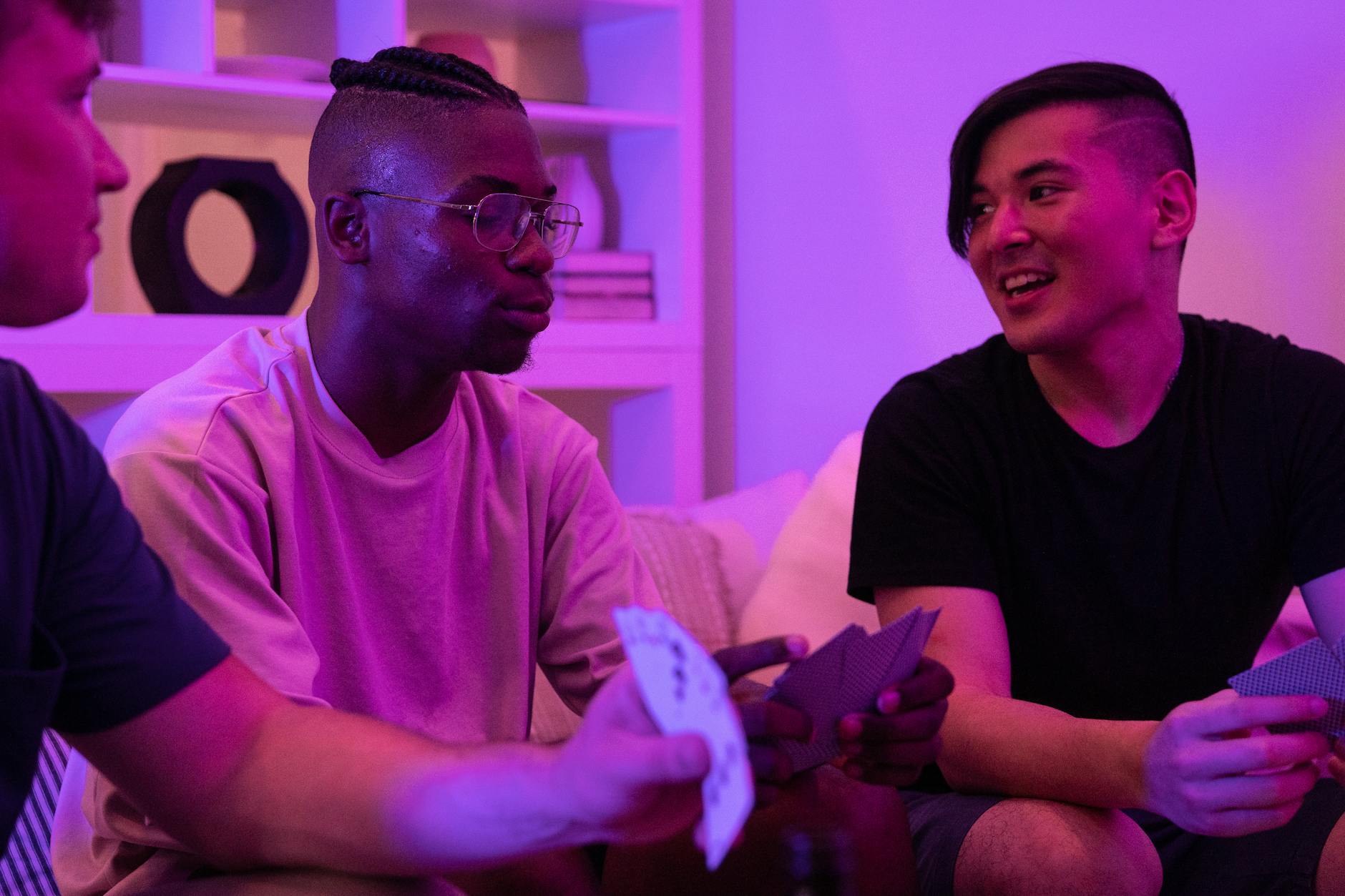
Professional athletes have turned Pokémon card collecting into a legitimate bonding activity that rivals golf outings or team dinners. What started as nostalgia-driven collecting among a handful of high-profile athletes has evolved into a widespread phenomenon where competitive players from different sports departments spend millions acquiring rare cards together. NFL players like Logan Paul (though primarily an entertainer/investor) and others have publicly discussed collecting, and basketball stars have been spotted at high-end card shows, creating a culture where competitive athletics and card collecting exist side by side.
The transformation happened gradually, but accelerated dramatically between 2020 and 2023 when card prices skyrocketed and celebrity involvement brought mainstream attention. Professional teams began seeing Pokémon cards as a legitimate team-building activity, with players bonding over grading submissions, attending sealed product launches, and negotiating trades during downtime. The hobby appeals to athletes’ competitive instincts—whether hunting for a specific card or trying to assemble a valuable collection—while requiring the kind of strategic thinking and patience that translates well from their professional fields.
Table of Contents
- Why Do Pro Athletes Gravitate Toward Pokémon Card Collecting?
- The Financial Commitment and Market Volatility
- How Team Culture Changed With Card Collecting
- Building Communities Across Different Professional Leagues
- Authentication and Counterfeit Cards as Hidden Risks
- Professional Athletes as Market Influencers
- The Future of Professional Athlete Participation in Card Collecting
- Conclusion
Why Do Pro Athletes Gravitate Toward Pokémon Card Collecting?
Professional athletes gravitate toward pokémon cards for several interconnected reasons: the competitive element, the investment potential, and the accessible entry point compared to other high-stakes hobbies. Unlike memorabilia collecting or fine art, Pokémon cards have clear, established grading standards (PSA, BGS, CGC) that provide objective valuation, which appeals to athletes accustomed to measurable performance metrics. The secondary market offers transparency that attracts financially savvy individuals—comparable to how athletes evaluate contracts and endorsement deals. The social component cannot be understated.
Pokémon card collecting naturally creates small circles of like-minded collectors within locker rooms, team flights, and team facilities. Players can discuss their latest pull from a booster box, debate the condition of a graded card, or strategize about upcoming market trends without the exhaustion of traditional team activities. Baseball players have reported that card breaks—where collectors purchase slots in booster boxes and watch them open live—became a preferred team bonding method over some conventional activities. The hobby is also age-inclusive; players from their early twenties to their forties can participate at comparable levels, unlike certain physical team-building activities.

The Financial Commitment and Market Volatility
The investment potential acts as a double-edged sword in professional sports. High-end pokémon cards—particularly first-edition holographic cards from the 1999 Base Set—have appreciated significantly, making them genuinely valuable assets. A PSA 10 first-edition Charizard sold for over $300,000 in 2021, demonstrating that professional-grade specimens can hold or increase in value. For wealthy athletes, purchasing a few premium cards costs roughly what they might spend on a luxury watch or car, positioning Pokémon collecting as a viable alternative investment portfolio.
However, the market experiences extreme volatility that has burned many amateur collectors and some professional athletes. Card prices surged during the pandemic-driven speculation bubble (2020-2022) then contracted sharply when demand normalized. A player who paid $50,000 for a moderately rare card in 2021 might find its market value dropped to $15,000 by 2023. This volatility requires discipline; some athletes have learned expensive lessons about buying at market peaks. Additionally, grading turnaround times have extended during high-volume periods, meaning cards can be locked in a grading queue for months while market conditions shift, creating opportunity costs for timing-sensitive investors.
How Team Culture Changed With Card Collecting
Pokémon card collecting has integrated into professional team cultures in unexpected ways, creating new dynamics within locker rooms and on team flights. Several NBA teams now have dedicated card breaks scheduled during downtime, where players collectively purchase boxes and open them together, with pre-arranged distribution methods determining who receives which cards. This activity occupies players’ attention during long road trips without requiring extraordinary effort or physical exertion—critical for players managing injuries or load management protocols.
The community aspect extends to sponsorship opportunities. Some card retailers and authentication services have begun partnering with professional teams, providing free products or exclusive access in exchange for social media visibility. A notable example occurred when team equipment managers reported increased requests for card storage solutions and protective cases, leading some teams to provide custom storage facilities in team lounges. This mainstream acceptance within professional environments has legitimized the hobby beyond its status as niche geek culture, positioning it as a valid adult leisure activity equivalent to golf or collectible automobiles.

Building Communities Across Different Professional Leagues
Professional athletes in different sports have begun connecting through Pokémon card collecting, creating cross-league friendships that might not occur through traditional sports channels. Players from the NBA, NFL, MLB, and even professional esports organizations now participate in the same card shows, authentication facility openings, and private collector networks. This intersection introduces athletes to different perspectives on investing, collecting philosophy, and market analysis—a benefit that extends beyond the hobby itself.
The competitive element translates well across different athletic disciplines. A football player might approach card investing with the same risk-management strategy they apply to contract negotiations, while a baseball player might use statistical probability to evaluate box-break opportunities versus direct product purchases. These different methodologies create engaging conversations and friendly competition. The tradeoff, however, is that the hobby sometimes creates wealth-based hierarchies within these communities; players with larger salaries have obvious advantages acquiring premium cards, which can create tension in smaller, more economically diverse collecting circles.
Authentication and Counterfeit Cards as Hidden Risks
One critical warning for athletes entering the Pokémon card market is the prevalence of counterfeit products and authentication fraud. High-end first-edition cards command premium prices specifically because authentication services provide verification, yet the industry has experienced documented cases of graded counterfeits, compromised authentication chains, and disputed grading standards. Some professional athletes have purchased cards that appeared legitimate but carried questionable provenance, leading to significant financial losses when third-party verification disputed the card’s authenticity. The authentication landscape itself shows limitations.
PSA (Professional Sports Authenticator), once the dominant grading service, faced disruption when Beckett Grading Services re-entered the market and newer competitors like CGC offered alternative standards. This fragmentation means that a card graded PSA 9 five years ago might be valued differently today, and conversely, an “ungraded gem” without third-party authentication carries significant risk. Athletes must understand that they’re essentially betting on long-term acceptance of specific grading standards, which is not guaranteed. The safe approach requires working with established dealers who offer guarantees and maintaining authentic documentation of purchase history.

Professional Athletes as Market Influencers
Celebrity collector status has created measurable ripple effects in card pricing and product availability. When prominent athletes publicly discuss their collections or make high-profile purchases, secondary market prices for those specific cards often spike within days. This influence works as both positive and negative: players can enjoy appreciation in their holdings based on publicity, but they also become targets for price manipulation and speculation when word spreads about their collecting interests.
This influencer dynamic has also driven some athletes to be more cautious about public discussion of their collections. Several high-profile collectors have reduced their social media activity around card purchases specifically to avoid triggering speculative buying patterns. The lesson here is that visibility in the hobby carries real consequences; a casual mention of interest in a specific card grade can shift market sentiment before a collector finishes building their position.
The Future of Professional Athlete Participation in Card Collecting
Looking forward, professional athlete involvement in Pokémon card collecting appears likely to remain stable rather than explosive, particularly as the initial pandemic-era speculation bubble has fully deflated. What will endure is the community aspect and the integration of collecting into team culture as a legitimate bonding activity. Younger athletes entering professional sports have grown up with Pokémon cards as cultural touchstones, making their participation feel natural rather than trendy.
The next evolution will likely involve more formal partnerships between professional teams and card industry stakeholders, similar to how NFL teams partner with technology providers or sports science companies. We may also see standardized approaches to player-organized breaks and trading networks, removing some of the informal coordination that currently dominates. This professionalization could enhance the experience for serious collectors while paradoxically making the hobby feel less exclusive to those who prefer its grassroots origins.
Conclusion
Pokémon cards became a bonding hobby for professional athletes because the hobby offers competitive engagement, transparent valuation, reasonable entry points, and genuine community connection without requiring physical exertion. The transparency of authentication and grading standards appeals to athletes accustomed to measured performance metrics, while the investment potential attracts financially sophisticated individuals managing significant wealth.
Teams discovered that card breaks and trading communities naturally facilitate locker room bonding during otherwise idle periods, leading to mainstream acceptance across major professional leagues. For professional athletes considering serious participation in Pokémon card collecting, the essential steps are: establish a clear investment thesis (collectors versus investors approach differently), work exclusively with established authentication services and reputable dealers, understand the volatility and potential for losses, and participate primarily for community value rather than speculative gains. The hobby has earned legitimacy within professional sports cultures, and that foundation appears solid enough to sustain long-term participation even as market speculation ebbs and flows.
You Might Also Like
- How Pokémon Cards Became a Clubhouse Obsession
- Why Pokémon Cards Are Becoming a Locker Room Conversation
- What Happens When Sports Stars Start Chasing Pokémon Cards