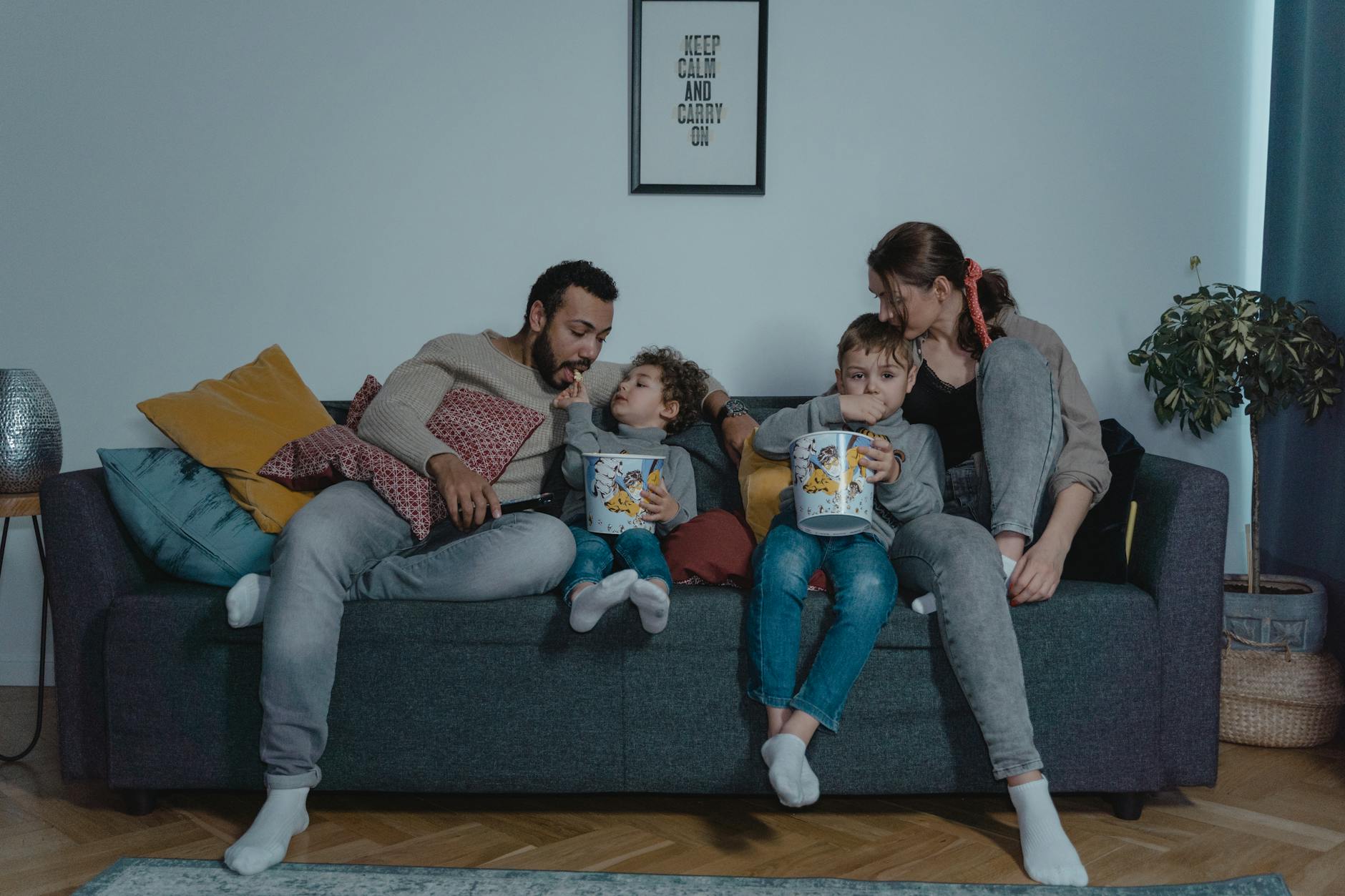
Pokémon built a brand shared by parents and kids through a deliberate, multi-media strategy that launched in 1996 and intentionally created products appealing to multiple age groups simultaneously. Rather than building a children’s franchise and hoping adults would stick around, The Pokémon Company designed its entire ecosystem—video games, trading cards, merchandise, anime, films, and mobile apps—to engage both parents who grew up with Pikachu and their children discovering it for the first time. This approach transformed Pokémon into the highest-grossing media franchise of all time with $150.3 billion in lifetime revenue, surpassing Star Wars, Marvel, and Harry Potter combined. The core insight was simple but powerful: nostalgia combined with accessibility creates cross-generational appeal.
When Pokémon Red and Green launched on Game Boy in February 1996, followed by the animated series in 1997, the franchise caught a wave of millennial enthusiasm that never broke. But rather than fade as that generation aged, Pokémon intentionally developed new products and partnerships that let parents engage alongside their children, creating a genuine shared experience instead of parents merely supervising from the sidelines. Today, this strategy generates $12 billion+ in annual revenue (2024), with 73% coming from sources beyond video games. Adults now represent the fastest-growing demographic in Pokémon purchasing, with 19% of adults buying trading cards for themselves in the past six months and 12% growth in adult toy purchases in Q1 2025 alone. The brand succeeded not by chasing children and losing adults, but by building something genuinely for both—and that distinction is what transformed Pokémon from a fad into a permanent cultural force.
Table of Contents
- Why Multi-Media Dominance Matters for Shared Brand Appeal
- The Parental Co-Engagement Model and Nostalgia Economics
- Trading Cards as the Intergenerational Bridge
- Why Pokémon GO Proved Adults Never Left
- Revenue Diversification and Why Gaming Isn’t the Largest Revenue Stream
- How Card Grading and Collecting Culture Accelerated Adult Appeal
- Multi-Generational Franchises Are Built on Sustained Innovation, Not Just Nostalgia
- Conclusion
Why Multi-Media Dominance Matters for Shared Brand Appeal
The pokémon Company understood early that relying on a single product category would create an age-based ceiling. A 10-year-old might play the video games, but a 35-year-old collector might prefer the trading cards. A parent might appreciate the film, while a teenager streams the anime. By spreading the brand across video games, trading cards, merchandise, anime, films, and live events, Pokémon ensured that no matter your age or preference, there was a legitimate entry point—and a way to go deeper. This multi-media approach generated 489 million video game sales by March 2025 and distributed 75 billion trading cards globally, making it the best-selling trading card game of all time. But the real power is the interconnection.
A child might start with a video game, collect cards based on favorite Pokémon from that game, then watch the anime to see those creatures in action. Their parent recognizes the characters from their own childhood, buys cards as an investment, and suddenly both are engaged with the same IP from different angles. The franchise isn’t forcing cross-generational appeal—it’s enabling it through choice. The limitation, however, is that this requires sustained quality and investment across all platforms. A bad film or unpopular new game can damage the entire brand ecosystem, not just that single product line. Pokémon has been fortunate in maintaining mostly positive reception across its major releases, but franchises like Yu-Gi-Oh and Magic: The Gathering have experienced periods where one segment struggled while others thrived, fragmenting their audience.

The Parental Co-Engagement Model and Nostalgia Economics
Pokémon’s parent-child appeal isn’t accidental—it’s baked into company strategy. The Pokémon Company deliberately develops partnerships and merchandise that appeal to families of all ages, treating adults not as occasional buyers but as core consumers. This is why limited-edition sets, investment-grade cards, and higher-priced collectibles coexist with starter packs designed for children. Both markets exist. Both matter. The economics are staggering. In Q1 2025 alone, adults spent $1.8 billion on toys, with Pokémon commanding a significant portion of that spend.
Adults aged 25 and older made up the majority of attendees at Pokémon GO Fest 2024, and since the app’s 2016 launch, it has generated $8 billion+ in revenue. These aren’t secondary customers—they’re the primary growth driver. A parent buying a booster box to invest while their child opens packs for gameplay isn’t a side benefit; it’s the business model. The warning here is sustainability. Generational franchises eventually face a gap where nostalgia aging-out parents aren’t replaced by new adult players at the same rate. If Pokémon can’t maintain cultural relevance for new generations (children becoming teenagers becoming adults), the adult purchasing surge of 2024-2025 will eventually stall. The brand is currently riding a strong wave—millennials raising kids with disposable income and Pokémon nostalgia—but that window is finite.
Trading Cards as the Intergenerational Bridge
If there’s one product category that epitomizes Pokémon’s multi-generational strategy, it’s trading cards. With 75 billion cards distributed globally, the TCG serves both casual players, competitive athletes, collectors, and investors—simultaneously. A seven-year-old and a 40-year-old can open the same booster pack and have entirely different experiences and motivations, yet they’re both strengthening the broader ecosystem. For children, cards are about play, collecting favorite characters, and trading with friends. For adults, cards represent nostalgia, investment potential, grading opportunities, and a legitimate collectible market. A Charizard card released in 1999 that a parent owned as a child can appreciate from $5 to $5,000 based on condition and rarity, creating real financial stakes that appeal to adult collectors.
Meanwhile, a modern Charizard has multiple versions at different power levels and prices, ensuring children can find affordable versions while adults pursue rare editions. The same character across the same product line, serving radically different needs. The pitfall is accessibility erosion. As card prices climbed dramatically from 2020-2022, younger players struggled to afford entry, risking a generational gap. Pokémon has since released lower-cost starter sets and reprints to address this, but the tension between catering to investment-minded adults and maintaining youth accessibility is constant. Too much premium focus alienates the next generation; too much budget focus dilutes the collector premium that drives adult engagement.

Why Pokémon GO Proved Adults Never Left
When Pokémon GO launched in 2016, it revealed something important: adults hadn’t abandoned Pokémon. They’d just moved on from their Game Boys and primary consoles. The mobile game gave them permission to re-engage on their terms—catching creatures during a walk, competing in raids with coworkers, collecting without needing 40+ hours to finish a story campaign. The game has generated $8 billion+ in revenue since launch, with majority attendance at major events like Pokémon GO Fest 2024 consisting of players aged 25 and older. GO proved that the multi-generational appeal wasn’t nostalgia alone—it was genuine ongoing interest. Adult players weren’t just reliving their childhood; they were actively participating in new Pokémon releases, learning new creatures, and building their collections.
They were treating it like a real hobby, not a throwback. This shifted how The Pokémon Company invested. If adults were spending billions on a mobile game, they’d likely spend on cards, merchandise, and events too. This realization accelerated the company’s explicit focus on adult products and experiences. The tradeoff is that mobile gaming’s engagement model—daily logins, seasonal events, FOMO-driven spending—works differently than traditional games or card collecting. Some players felt pressured to maintain daily streaks or spend money to keep up, creating a different type of fandom. The social benefits (community, local events) came alongside spending mechanics that don’t exist in physical card collecting, where you buy what you want when you want it.
Revenue Diversification and Why Gaming Isn’t the Largest Revenue Stream
Here’s a surprising fact that reveals Pokémon’s strategic success: 73% of revenue comes from non-gaming sources. With $12 billion+ in annual revenue (2024), gaming is important but not dominant. Trading cards, merchandise, films, licensing, and live events collectively generate more revenue than video games. This diversification is precisely why the brand has survived—and thrived—across multiple generational cohorts. If Pokémon relied primarily on video games, aging-out players would reduce revenue. But when a 40-year-old stops playing Sword and Shield, they might start collecting vintage cards, attending events, or buying collectible figures. The ecosystem doesn’t lose them; it converts them into a different type of customer.
A parent might never touch a video game but will buy cards for their child, then buy premium packs for themselves when they see the investment potential. This portfolio approach to revenue means that no single product’s decline is catastrophic. The limitation is complexity. Managing 73% of revenue from non-gaming sources requires constant attention to merchandise quality, film production, event logistics, and licensing partnerships. A failed film or poorly executed merchandise line can damage consumer trust across the entire franchise. Pokémon has generally executed well, but maintaining that level of cross-platform quality is harder than building a single blockbuster game. It’s why many other franchises haven’t replicated this model—it’s not just about creating products; it’s about creating a cohesive experience across dozens of simultaneous efforts.

How Card Grading and Collecting Culture Accelerated Adult Appeal
The emergence of professional card grading—particularly PSA and BGS grading services—transformed Pokémon trading cards from toys into legitimate collectibles with transparent value. A base-set Charizard in PSA 9 condition has an established market price, tracked across multiple sales platforms, making it as investable as a baseball card or fine art.
This professionalization attracted adults who’d never have engaged with raw cards but saw opportunity in graded collectibles. The card market data backs this: rare, graded Pokémon cards have appreciated dramatically over the past 5-10 years, with some vintage cards becoming six-figure investments. This legitimacy—the existence of a price guide, grading standards, and active collector markets—changed the narrative from “my old cards might be worth something” to “my old cards ARE worth something, and there’s a market.” For adults, this transformed Pokémon from a nostalgic curiosity into a legitimate hobby with financial backing and community infrastructure.
Multi-Generational Franchises Are Built on Sustained Innovation, Not Just Nostalgia
The future of Pokémon’s intergenerational appeal hinges on something simpler than most investors assume: it must keep creating new content that feels fresh to children while remaining accessible to adults. This requires constant innovation. New Pokémon designs, new game mechanics, new card mechanics, new films with contemporary storytelling—these can’t simply target one age group while the other hangs on nostalgia. Both generations need to feel like the brand is evolving for them.
Looking forward, Pokémon’s greatest risk isn’t competition from other franchises but generational fatigue. If the children buying cards today don’t feel the same ownership and excitement as their millennial parents felt in 1999, the cycle breaks. But so far, the metrics suggest Pokémon is succeeding. The 12% growth in adult toy purchasing and 19% of adults buying cards for themselves indicate the brand isn’t just coasting on nostalgia—it’s actively recruiting new adult fans and maintaining youth appeal simultaneously.
Conclusion
Pokémon built a brand that parents and kids share by treating both audiences as equally valuable from the beginning, designing its entire ecosystem—games, cards, merchandise, media, and live events—to offer legitimate engagement points for every age group. Rather than creating a children’s franchise and hoping adults would stick around, The Pokémon Company intentionally developed products and partnerships that let parents and children engage together and separately, creating a $150.3 billion franchise where a child’s starter booster pack and a parent’s investment-grade graded card are both essential components of the same community.
The lesson for any brand seeking intergenerational appeal is clear: it’s not about forced nostalgia or secondary content. It’s about building an ecosystem where different age groups can genuinely participate in different ways, where a child’s fun and an adult’s hobby reinforce each other rather than compete. Pokémon proved this works at scale, generating $12 billion+ in annual revenue with 73% from non-gaming sources, showing that sustainable growth comes from serving multiple generations with the same underlying IP—not abandoning one audience to chase another.
You Might Also Like
- Why the 2026 Pokémon World Championships Matter Beyond Esports
- Why Pokémon at 30 Is Bigger Than a Nostalgia Story
- Why Pokémon Battle Updates Keep Driving Serious Player Interest