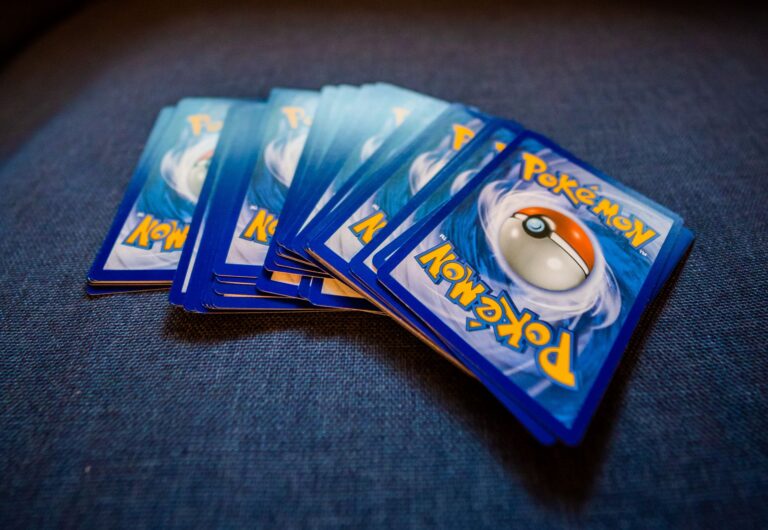
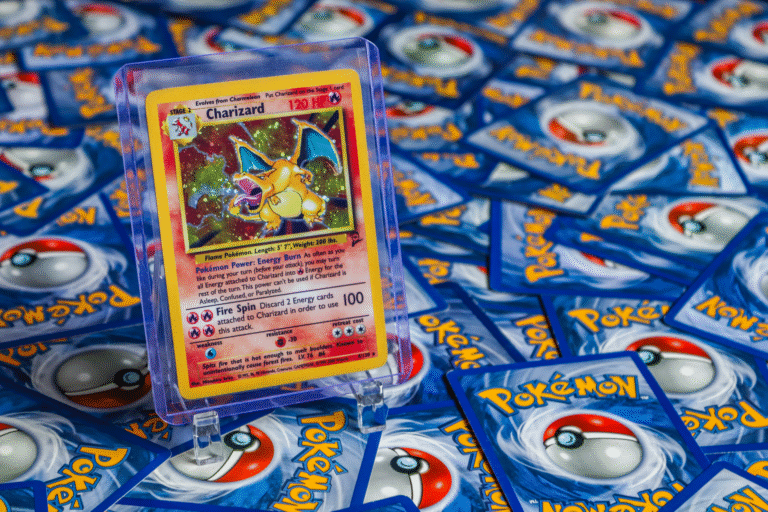
Buyers considering Dutch First Edition Base Set cards today need to understand one critical lesson from the 2020-2021 collectibles boom: the market corrected dramatically, and many who bought speculatively lost significant money. A PSA 10 Charizard that sold for $360,000 in January 2022 fetched less than $150,000 by mid-2023. However, Dutch First Edition Base Set cards retained more resilience than modern reprinted sets because of their inherent scarcity—these cards were produced in limited quantities in 1999-2000 and never reprinted in Dutch, unlike English variants that flooded the market in subsequent decades.
The 2020-2021 period saw Pokémon TCG sales skyrocket from $600 million in 2019 to $1.8 billion in 2021—a 200% increase driven by pandemic stimulus, nostalgia buying, and speculation. Individual card prices increased 300-1000% year-over-year. Foreign language variants, including Dutch cards, benefited disproportionately because collectors pursuing international variants had fewer options. But what seemed like safe growth turned into a cautionary tale about speculative markets by 2023.
Table of Contents
- How the 2020 Pokémon Boom Impacted Foreign Language and Dutch Card Markets
- Understanding the Price Correction After the 2021-2022 Peak
- Why Dutch First Edition Base Set Cards Command International Premiums
- How Grading, Condition, and Card Type Affect Dutch Card Values
- Speculative Versus Collector Demand: What Determines Real Value Today
- Finding Fair Value in Dutch First Edition Base Set Cards in Today’s Market
- The Future of Dutch First Edition Base Set Cards in a Corrected Market
- Conclusion
- Frequently Asked Questions
How the 2020 Pokémon Boom Impacted Foreign Language and Dutch Card Markets
The 2020-2021 boom affected all Pokémon cards, but dutch First Edition Base Set cards experienced a different trajectory than their English-language counterparts. Base Set was originally printed in 10 languages—English, Japanese, French, German, Spanish, Italian, Dutch, Portuguese, Korean, and Chinese. The majority of production and collector demand has always centered on English and Japanese cards, leaving Dutch variants as a comparatively scarce option with built-in appeal to international collectors seeking language diversity in their collections.
During the boom, Dutch 1st Edition holos saw prices climb alongside English variants, but the premium was steeper because fewer Dutch cards had been professionally graded and documented. Foreign language Base Set cards, particularly Italian, Spanish, and Dutch versions, commanded significant multipliers over modern reprints. A graded Dutch Charizard from 1st Edition Base Set could command $5,000-$15,000 or more depending on the grade, compared to the same card in English at $8,000-$25,000 for equivalent grades. This 30-60% discount reflected both lower demand and lower population reports—CGC and PSA grading reports show Dutch Base Set cards in volumes roughly 20-40% lower than English variants.

Understanding the Price Correction After the 2021-2022 Peak
The correction began in late 2022 and accelerated through 2023. Modern pokémon cards, which the Pokémon Company had reprinted in massive quantities to capitalize on the boom, dropped 40-60% in value as supply overwhelmed demand. PSA 10 graded modern cards that sold for $200-$500 in 2021 became difficult to move at $100-$200 by 2024. The speculators who bought these cards assuming continued appreciation took substantial losses. Vintage 1st Edition Base Set cards, by contrast, held value more stubbornly—but still declined.
The Charizard example illustrates this. Raw (ungraded) Dutch 1st Edition Charizards that might have sold for $3,000-$4,000 in 2021 now trade in the $1,500-$2,500 range. The decline was real, but less catastrophic than modern cards. This teaches an important lesson: speculators assumed prices would climb indefinitely because demand seemed limitless. It was not. The market was flooded with new stock, retail prices dropped to clear inventory, and casual buyers disappeared when stimulus payments ended.
Why Dutch First Edition Base Set Cards Command International Premiums
Dutch cards occupy a unique niche within the international Pokémon collecting community. They were produced in a single print run from 1999-2000, with no subsequent reprints or modern variants bearing the Dutch language or 1st Edition mark. Compare this to English Base Set cards, which have been reprinted multiple times across various releases, special editions, and modern reissues. The structural scarcity of Dutch cards creates a premium. Foreign language holos from Base Set have demonstrated this premium consistently.
Some French Base Set first editions have been valued at over $82,000 in PSA 10 condition for chase cards like Charizard. Italian and Spanish variants command similar premium positioning. Dutch cards, while less documented in public sales, occupy the same scarcity tier. A buyer should expect to pay roughly 40-70% of the English-language equivalent for the same card in comparable condition, reflecting the reality that fewer collectors actively pursue Dutch language variants. However, this lower demand also means Dutch cards are harder to sell quickly—the collector base is smaller and more specialized.
How Grading, Condition, and Card Type Affect Dutch Card Values
Pricing for Dutch First Edition Base Set cards is heavily weighted toward PSA and CGC grades. A raw Dutch Charizard in near-mint condition (estimated 8-9 equivalent grade) might sell for $1,500-$2,500, whereas the same card receiving a PSA 9 grade could fetch $4,000-$6,000 or more. The grading premium is even steeper for PSA 10 cards, where a Dutch 1st Edition Charizard could exceed $10,000 depending on recent comparable sales. Raw cards and lower-grade cards represent significantly better value for collectors (as opposed to speculators) because grading costs money and time without guaranteed returns.
Sending a card to PSA costs $50-$300 per card depending on turnaround speed. If you buy a raw Dutch Blastoise for $200, getting it graded to PSA 8 might improve its sale price by only $100-$200, making the grading economically senseless. However, vintage 1st Edition Base Set cards in excellent condition do retain genuine collector demand. A PSA 8 Dutch Base Set Venusaur could still find serious buyers who view the card’s age, language rarity, and 1st Edition status as inherent value—not speculative value.
Speculative Versus Collector Demand: What Determines Real Value Today
The 2020-2021 boom revealed a critical flaw in speculative thinking: the assumption that prices always rise. Buyers who treated Pokémon cards like stocks or real estate expected them to appreciate regardless of fundamentals. The market proved otherwise. Structural oversupply of modern sets, combined with the Pokémon Company’s aggressive reprinting strategy to capture boom-era demand, created a permanent glut of post-2020 cards. These cards will likely never command premium values because they exist in millions of copies across hundreds of retailers globally.
Vintage 1st Edition Base Set cards, including Dutch variants, operate under different fundamentals. They are genuinely finite. No new Dutch 1st Edition Base Sets will be produced. Population reports for graded examples are published, and new cards entering the market are rare enough that serious collectors track them. A buyer considering a Dutch 1st Edition card today should ask: “Would I still want to own this card if it never increases in value?” If the answer is yes—if you appreciate the card’s age, language variant status, or the specific Pokémon illustrated—then you have a reasonable basis for buying. If your answer is no, if you expect the card to be worth significantly more in five years based on speculative logic, you are likely repeating the mistakes of 2021.

Finding Fair Value in Dutch First Edition Base Set Cards in Today’s Market
Raw and modestly graded Dutch First Edition cards offer the best value proposition for serious collectors. A raw Dutch Base Set Charizard in excellent condition costs substantially less than a PSA 9 or PSA 10 equivalent, yet the ungraded card remains authentic and retains all the historical and scarcity characteristics that make it collectible. The difference between a PSA 8 and PSA 10 representation of the same card is meaningful—grading reflects actual condition—but the price gap has narrowed since the peak, making mid-grade cards more reasonably priced relative to their fundamentals. Online sales platforms, auction data, and recent sold listings on platforms like eBay and Whatnot provide transparency that was absent during the boom.
You can now research actual selling prices for Dutch Base Set cards within the past 30-90 days, rather than listing prices (which often go unsold). Pay attention to cards that actually sell, not cards sitting in inventory for months. If a Dutch Blastoise is listed at $8,000 but never receives an offer, the realistic value is lower. Use population data from CGC and PSA to understand how many of a specific card have been graded—lower populations generally command higher premiums. A Dutch Pikachu with only 50 graded examples worldwide carries more scarcity value than a Charizard with 2,000 graded examples.
The Future of Dutch First Edition Base Set Cards in a Corrected Market
The long-term outlook for Dutch First Edition Base Set cards is cautiously positive, but with realistic expectations. These cards represent genuine vintage scarcity in an international collector market that continues to grow, even as the speculative bubble has deflated. Unlike modern reprinted cards, which face permanent structural oversupply, vintage Dutch 1st Edition cards become scarcer over time as existing copies are damaged, lost, or removed from the market by collectors who do not intend to sell. A buyer entering this market today should expect slow, modest appreciation at best—and patience as a requirement.
Prices are unlikely to return to 2022 peaks for at least several years. However, Dutch First Edition cards have demonstrated resilience compared to modern alternatives and should remain collectible assets for serious enthusiasts. The collector base for foreign language vintage cards is smaller but growing, particularly in Europe and among international collectors building language-variant sets. If you buy a Dutch 1st Edition card today at fair current market value, hold it for genuine enjoyment, and avoid panic selling during future market downturns, your experience is likely to be positive over a 5-10 year horizon.
Conclusion
Dutch First Edition Base Set cards are worthy collectibles for serious buyers who understand what they are purchasing: genuinely scarce vintage cards that retain value based on age, language rarity, and scarcity—not speculative momentum. The 2020-2021 boom created unrealistic expectations and left many speculators with significant losses. However, the market correction has also created opportunity for collectors to acquire Dutch variants at more rational prices than existed in 2021-2022.
A Dutch 1st Edition Charizard that sold for $15,000 might now cost $5,000-$8,000, which is painful for those who bought at the peak but fair value for new buyers entering the market today. Before purchasing, research comparable sales from recent months, understand population reports for the specific card, and honestly assess whether you would keep the card even if its value never increased. Raw and modestly graded Dutch cards offer better value than heavily graded examples. If you buy thoughtfully and view Dutch First Edition Base Set cards as long-term collectibles rather than short-term investments, you will avoid the mistakes of the boom era while positioning yourself to enjoy genuine vintage cards with built-in international appeal.
Frequently Asked Questions
Should I buy Dutch First Edition Base Set cards now?
Yes, if you collect for genuine enjoyment and appreciate the cards’ scarcity and vintage status. No, if you expect rapid appreciation or view them as speculative investments.
How much less valuable are Dutch cards compared to English 1st Edition Base Set?
Roughly 40-70% of the English equivalent price for the same card in comparable condition, reflecting the smaller collector base and lower population reports.
Is grading worth the cost for Dutch 1st Edition cards?
Only for cards in excellent condition (equivalent PSA 9-10) where grading will significantly increase sale value. For raw cards in good-to-very-good condition, grading costs often exceed the price increase.
Will Dutch First Edition Base Set prices recover to 2022 levels?
Unlikely in the near term (2-3 years). Genuine appreciation is possible over 5-10 years as these cards become scarcer, but speculative bubbles should not be relied upon.
What makes Dutch cards scarcer than English variants?
Base Set was never reprinted in Dutch. English cards have been reprinted dozens of times in various releases and special editions, creating massive supply differences.
Where can I research fair prices for Dutch Base Set cards?
Check recent sold listings on eBay, Whatnot, and auction house databases. Use CGC and PSA population reports to understand rarity. Avoid listed prices; focus on actual sold prices.