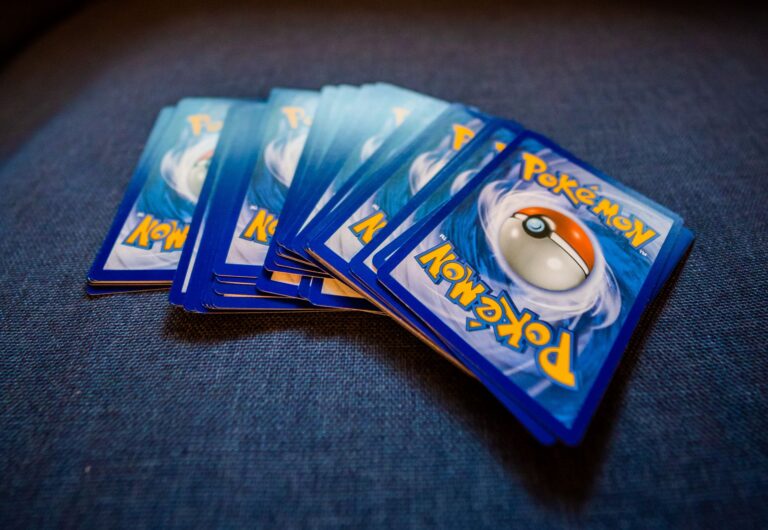
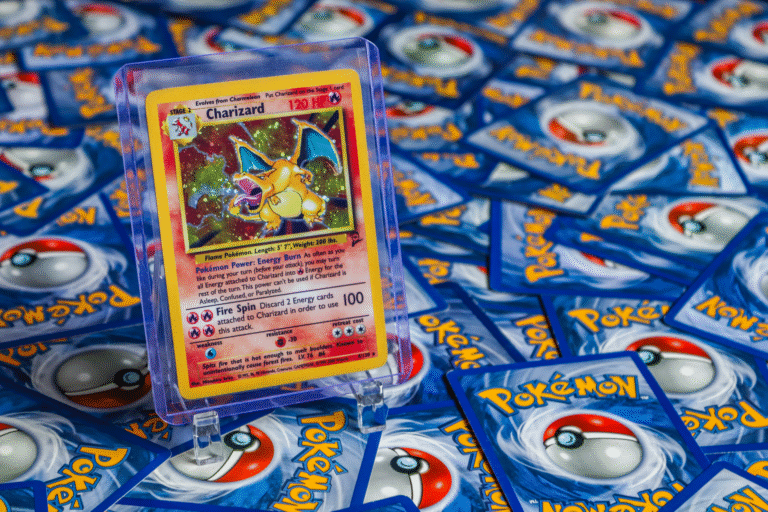
Dutch First Edition Base Set cards remain significantly undervalued compared to their English counterparts, though this valuation gap has remained surprisingly stable through 2025 rather than narrowing as might be expected. A Dutch First Edition Charizard 4/102 in holo rare condition sells for approximately $124.99 on dealer sites, a stark contrast to English versions that command $15,000 to $550,000 depending on grade—a price differential of 120 to 4,400 times higher. This massive disparity reflects both scarcity perception and collector demand differences, not necessarily fundamental quality or rarity differences in the cards themselves. However, calling them “undervalued” depends entirely on your perspective.
For investors seeking English Base Set exposure at a fraction of the cost, Dutch versions represent genuine value. For collectors prioritizing card condition and affordability, they’re exceptional. But the market hasn’t treated them as an emerging investment category—they’ve remained stable but largely ignored by the speculative collector base that drives dramatic price appreciation. The question isn’t whether Dutch cards will suddenly match English prices, but whether their current position as overlooked alternatives makes them worth acquiring for long-term appreciation.
Table of Contents
- The Pricing Reality Gap Between Dutch and English Base Set Cards
- The Rarity Challenge and Condition Complications
- Market Availability and the Problem of Forgotten Inventory
- The Collector Value Proposition Versus Investment Potential
- Grading and Authentication Concerns in the Secondary Market
- The 2025 Market Snapshot and Stability
- Future Outlook and the Possibility of Reassessment
- Conclusion
- Frequently Asked Questions
The Pricing Reality Gap Between Dutch and English Base Set Cards
The pricing differential between dutch and English first edition Base Set cards is so extreme that it warrants examination beyond simple scarcity metrics. Dutch Pikachu cards, tracked through PSA auction data, have averaged approximately $268.52 per card across 11 sales totaling $2,953.71, while comparable English Pikachu first editions can sell for thousands when graded. This isn’t a premium market phenomenon affecting only the most expensive cards—even common Dutch Base Set holos trade at fractions of English prices across the entire set.
What this price gap tells us is that the collector market has never fully embraced Dutch Base Set cards as legitimate alternatives to English versions. The psychological preference for English originals, combined with language barriers in international collecting communities and lower overall print runs creating fewer pieces in circulation, has relegated Dutch cards to a secondary market tier. Dealers stock them because they exist and have some demand, but they’re rarely featured in mainstream card collecting content or investment discussions that influence broader price movements.

The Rarity Challenge and Condition Complications
While Dutch Base Set cards are genuinely rare to find in good condition compared to English versions, this rarity hasn’t translated into premium pricing that typically follows scarcity. The limitation here is significant: the condition premium for Dutch cards gets severely constrained because even perfect examples command such modest prices that the reward for investment in grading and preservation doesn’t match the actual cash difference. A Dutch Charizard graded PSA 9 might sell for $150, while a PSA 10 might reach $200—a $50 spread that doesn’t justify the hundreds of dollars in grading costs and doesn’t motivate collectors to hunt for high-grade examples the way English cards do.
Additionally, Dutch cards suffered from less stringent handling and storage practices historically, since they had minimal collector value in their early years. This means finding First Edition Dutch Base Set cards in mint condition is genuinely difficult, but the market doesn’t reward that difficulty sufficiently to incentivize serious searching. The rarity is real; the valuation recognition of that rarity is not.
Market Availability and the Problem of Forgotten Inventory
Currently, 131 First Edition Dutch base Set cards are listed for sale on eBay at any given time, suggesting modest but consistent supply. This inventory level is lower than English equivalents, yet the cards remain easy enough to find that they don’t feel scarce to buyers. They occupy an awkward middle ground—rarer than modern cards but common enough to be findable, scarcer than English Base Set cards but not rare enough to trigger the urgency that drives collector behavior.
The problem with this supply dynamic is that Dutch cards have become inventory nobody’s aggressively seeking. They sit in collections and dealer stock without active demand. This means that unlike truly scarce cards where supply constraints eventually create buying pressure, Dutch cards can exist in stable supply for years without price movement. A collector searching for affordable Base Set holos will find these cards, but they’re not desperately bidding against competitors or paying premiums to secure them.

The Collector Value Proposition Versus Investment Potential
For someone building a complete Base Set collection on a limited budget, Dutch First Edition cards represent legitimate value—you can acquire authentic first edition cards from 1999 at a fraction of English prices. A player rebuilding a childhood collection or a casual collector with moderate spending power finds these cards genuinely useful. This use-case demand maintains baseline prices and prevents any crash, but it’s not the same as investment appreciation.
The investment tradeoff is clear: you’re purchasing something scarce and authentic at undervalued prices, but you’re sacrificing the narrative around English Base Set cards that drives emotional and speculative demand. If Pokemon collecting trends shift or nostalgia for English Base Set cards ever cools significantly, Dutch cards might appreciate alongside them. But they’re unlikely to appreciate faster or further, since they lack the cultural gravitational pull that English cards possess.
Grading and Authentication Concerns in the Secondary Market
One significant warning applies to Dutch Base Set cards: authentication and grading are more complicated because fewer people are familiar with Dutch printing specifics and condition standards. While PSA and BGS provide authentication and grading services for Dutch cards, this service is less standardized and fewer collectors understand the nuances of Dutch card variations. This creates potential friction when trying to sell—buyers may hesitate due to unfamiliarity, or they may negotiate harder because they perceive additional risk.
Another limitation is that ungraded Dutch cards face a trust deficit. An English First Edition Charizard demands premium pricing partly because the market understands exactly what it’s getting. An ungraded Dutch Charizard at $124.99 might be a bargain, or it might have condition issues the listing photos don’t clearly show. This information asymmetry keeps Dutch cards undervalued because buyers protect themselves by paying less for perceived risk, even when that risk isn’t real.

The 2025 Market Snapshot and Stability
As of 2025, Dutch First Edition Base Set pricing has remained remarkably stable compared to the volatility that English cards experienced during the 2020-2023 boom and subsequent correction. This stability suggests that Dutch cards have already settled into their long-term valuation tier. They’re not bubbling up with fresh collector interest, but they’re not being abandoned either. The market has largely agreed that these cards are worth roughly 1-2% of their English equivalents, and nothing in 2025 has disrupted that consensus.
This stability is actually a warning sign for those hoping Dutch cards represent an undervalued opportunity about to correct upward. The market has had sufficient time to recognize and react to these cards. Their low prices aren’t temporary mispricing—they reflect genuine market assessment that English First Edition cards hold different collector value. If significant price appreciation were coming, we’d likely see early signs in dealer scarcity, rising completion prices, or collector discussion. Instead, Dutch cards trade at steady, modest prices with little volatility.
Future Outlook and the Possibility of Reassessment
The most realistic scenario for Dutch First Edition Base Set cards over the next 3-5 years is continued stability at current pricing levels, with potential slow appreciation matching general Pokemon nostalgia trends. They may gradually climb from $120 to $150-200 for a Dutch Charizard, but this would likely track with broader Base Set appreciation rather than Dutch-specific revaluation. The narrative around these cards hasn’t changed since 2020, and there’s little reason to expect it will shift dramatically without external catalyst events.
A genuine upside scenario would require either significant English Base Set price corrections that push collector budgets downward, forcing reassessment of alternatives, or a specific collector community forming around Dutch cards as a specialty collecting niche. Neither appears likely in the immediate future, but neither is impossible. For now, Dutch First Edition cards remain what they’ve been: affordable access to authentic 1999 Pokemon cards, undervalued relative to English versions, but stable in that undervaluation.
Conclusion
Dutch First Edition Base Set cards are still undervalued since 2025, but understanding what that valuation means matters more than the undervaluation itself. Yes, a Dutch Charizard at $124.99 is cheap compared to English versions, and yes, these cards are genuinely rare in good condition. But the market has already made its judgment on that rarity and set prices accordingly. There’s no emerging correction coming that will suddenly push Dutch card prices toward English levels—the gap reflects real differences in collector preference and demand that are unlikely to narrow significantly.
If you’re considering acquiring Dutch First Edition Base Set cards, do so because you want affordable access to first edition Pokemon cards or because you’re building a specialized Dutch card collection. Don’t do so expecting rapid price appreciation or treating them as a hidden investment opportunity. They’re undervalued in absolute terms but fairly valued relative to market demand. That makes them a solid choice for budget-conscious collectors, but not a compelling opportunity for investors seeking the next Pokemon card category to appreciate rapidly.
Frequently Asked Questions
Will Dutch Base Set cards ever reach English card prices?
Extremely unlikely. The price gap reflects fundamental differences in collector demand and card availability, not temporary mispricing. Even if Dutch cards appreciate 50% over five years, they’d still trade for 1-2% of comparable English card values.
Are Dutch cards easier to find in high grades than English cards?
No. Dutch cards are rarer overall, and high-grade examples are genuinely difficult to locate. The limited price premium for high grades just means that condition hunting isn’t financially rewarded the way it is with English cards.
Should I grade my Dutch First Edition cards?
Only if the card is exceptionally valuable (near-mint holographic rare worth $300+) or you’re building a graded collection for display purposes. The grading cost often exceeds the price difference between graded and ungraded Dutch cards.
Do Dutch cards appeal to non-English-speaking collectors?
They appeal more to collectors in Dutch-speaking regions, but the global Pokemon card market is predominantly English-focused. This geographic limitation contributes to lower overall demand.
Is there a better time to buy Dutch Base Set cards than another?
Prices are stable year-round with minimal seasonal variation. Buy when you find cards in condition you’re happy with at reasonable prices. There’s no advantage to waiting for market corrections that likely won’t occur.
Could Dutch cards become valuable if English Base Set prices crash?
Potentially, but they’d probably track downward alongside English cards rather than maintain their relative percentage gap. If English Charizards fall from $25,000 to $5,000, Dutch versions might fall from $125 to $30-50.