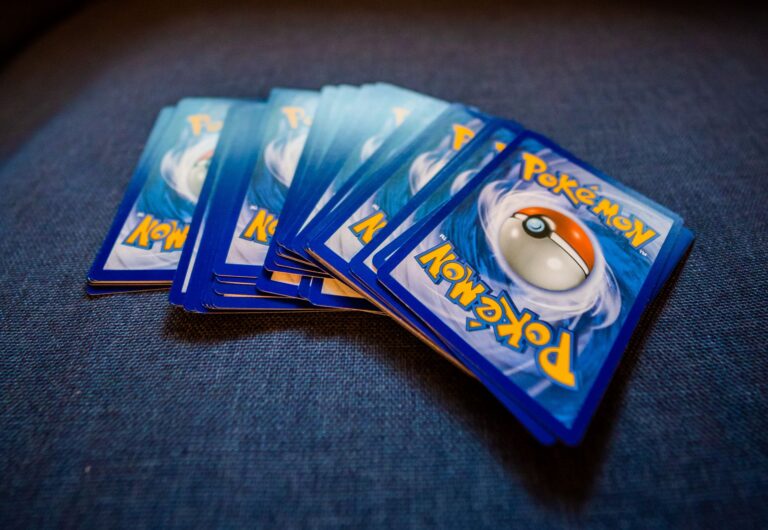
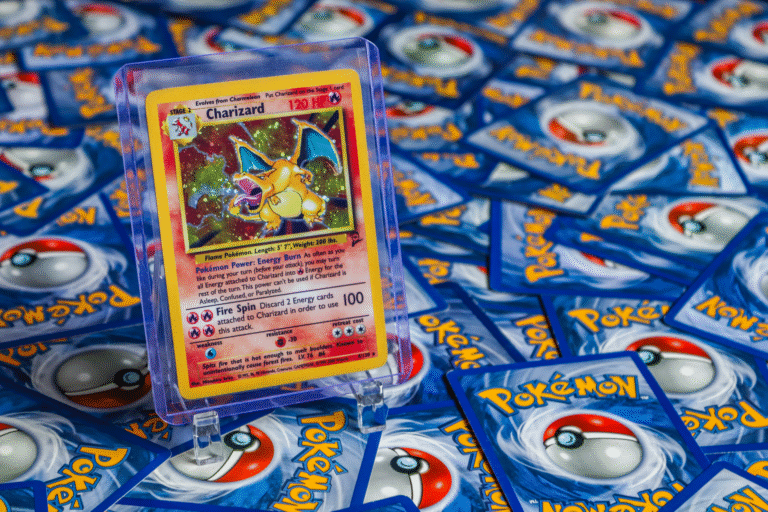
The short answer is that we cannot determine whether Spanish First Edition Base Set Pokémon cards beat the broader market since January 2024, because no published data tracks their performance separately. The broader English-language market research and price tracking services focus almost exclusively on English, Japanese, and German editions—Spanish cards simply aren’t included in most professional market indices. This data gap doesn’t mean Spanish cards haven’t performed well; it means their appreciation has gone largely unmeasured and uncompared to market benchmarks.
What we do know is that the broader First Edition Base Set market has posted remarkable gains. A complete English First Edition Base Set (PSA 10) sold for $317,206 in June 2024, then resold just 17 months later in November 2025 for $911,629—a 188% appreciation in under two years. Meanwhile, general vintage WOTC cards from the Base Set, Jungle, and Fossil era have appreciated 30-50% over the same period. Spanish editions, historically trading at discounts to English equivalents due to lower collector demand in major markets, have likely appreciated in absolute dollar terms, but whether they’ve outpaced or lagged these benchmarks remains unknown.
Table of Contents
- Why Spanish First Edition Cards Remain Unmeasured Against Market Performance
- The Broader Market Context—What Actually Appreciated Since January 2024
- Language, Geography, and the Demand Discount for Spanish Editions
- Using Broader Market Data to Estimate Spanish Card Potential
- The Grading and Authenticity Wildcard—A Critical Warning
- Regional Market Variations—Spain vs. Latin America Performance
- Future Outlook—Why Tracking Spanish Card Performance Matters Going Forward
- Conclusion
Why Spanish First Edition Cards Remain Unmeasured Against Market Performance
The Pokémon card market’s data ecosystem is heavily weighted toward English-language editions. Major price tracking services, auction databases, and investment indices like the PWCC Top 500 Index—which itself has shown 94% higher returns over a decade compared to the S&P 500—focus their grading samples, historical data, and benchmarks on cards produced for the largest markets. Spanish editions, produced primarily for the Spanish-speaking collector base, represent a much smaller subset of overall First Edition sales and don’t feature prominently in the Western collector consciousness that dominates online pricing tools. This isn’t a conspiracy or oversight; it’s simply a matter of data collection economics.
Price tracking requires sufficient transaction volume to build reliable indices. English First Edition Charizard? Thousands of sales to analyze. Spanish First Edition Blastoise? Far fewer documented transactions in Western databases. The market research firms and hobby platforms that publish comparative performance metrics naturally prioritize the editions with the largest followings and most accessible transaction histories. Collectors seeking Spanish card data are essentially flying blind relative to the benchmarked alternatives.

The Broader Market Context—What Actually Appreciated Since January 2024
To understand whether Spanish cards could have beaten the broader market, it helps to know what “beating the market” would mean. The documented 188% jump for the complete English PSA 10 set was extraordinary and likely represents the high-end ceiling. More typical appreciation for vintage WOTC cards ranged from 30-50% through early 2026, with significant variance depending on individual card scarcity, condition, and eye appeal. The 2024 market faced a structural headwind: the Pokémon Company released 9.7 billion cards that year, creating an oversupply of modern product that weighed on sentiment and pushed collector money toward verified scarcity—meaning older, graded, first-edition examples. Spanish First Edition cards would have benefited from this scarcity premium, much as all vintage first editions did.
However, they faced a counterweight: lower baseline demand. English editions command price premiums ranging from 10-30% above Spanish equivalents for the same card in the same grade, simply because more collectors seek them. If Spanish Charizards appreciated 40% while English ones gained 50%, Spanish cards would have lagged the broader trend. If Spanish cards gained 60%, they’d have beaten many of the typical performers—but without data, this remains speculation. The warning here is clear: scarcity alone doesn’t guarantee outperformance when demand differentials are factored in.
Language, Geography, and the Demand Discount for Spanish Editions
Spanish pokémon cards occupy an interesting niche in the global market. They were produced in meaningful quantities for Spain and Latin America, but their collector base is geographically dispersed and smaller than the English-speaking market. This creates a permanent demand discount. A Spanish Base Set Charizard in PSA 8 might fetch $3,000-4,000, while the English equivalent commands $5,000-6,000 or more. That gap persists across conditions and years because it reflects structural market differences, not temporary fluctuations.
From an investment standpoint, this discount can work two ways. On the positive side, Spanish cards are less overbought and less subject to speculative hype cycles, which theoretically provides more stable long-term appreciation. On the negative side, they lack the collector enthusiasm and FOMO-driven buying that sometimes propels English editions to outsized gains. For example, a viral social media trend celebrating childhood nostalgia for English Base Set cards can send prices spiking; Spanish editions rarely generate similar attention outside their core regional audience. For collectors asking whether Spanish First Editions beat the market, the honest answer is: they beat some performers, but probably not the most celebrated ones.

Using Broader Market Data to Estimate Spanish Card Potential
Although we lack direct Spanish First Edition comparables, we can use the broader market data as a reference frame. If vintage WOTC cards appreciated 30-50% from January 2024 through early 2026, and Spanish editions typically trade at 15-25% discounts to English versions, a reasonable estimate might be that Spanish cards appreciated in a similar percentage range—perhaps 25-45%, capturing the scarcity rebound without the full advantage of English collector enthusiasm. This is an educated guess, not a fact, but it’s grounded in how market premiums typically behave.
The tradeoff is between absolute return and relative outperformance. A collector who bought Spanish First Edition cards at January 2024 prices probably made solid returns in percentage terms, but likely lagged behind peers who invested in English equivalents or the ultra-rare chase cards. If your goal was beating S&P 500 returns (which the PWCC Index showed was achievable even with modest vintage card appreciation), Spanish editions probably cleared that bar. If your benchmark was beating the broader Pokémon card market’s best performers, Spanish editions probably fell short—not due to poor performance, but due to structural demand differences.
The Grading and Authenticity Wildcard—A Critical Warning
One factor that could have caused Spanish First Edition cards to significantly outperform or underperform is grading service availability and perceived authenticity. English Pokémon cards have massive PSA and CGC grading infrastructure; counterfeits are extensively documented and discussed; and buyer confidence in graded English cards is extremely high. Spanish cards, especially rarer ones, have less robust public discussion around counterfeits and authenticity.
If a Spanish card’s provenance or authenticity came into question—which is more likely to happen with cards lacking extensive market history—its value could plummet regardless of broader market conditions. Additionally, Spanish cards graded by major services like PSA or CGC may carry slightly lower prices at auction partly because dealers and buyers spend more due diligence verifying authenticity compared to English equivalents where the market has optimized this process. This extra friction didn’t necessarily hurt Spanish card returns since January 2024, but it created a ceiling on how aggressively Spanish editions could appreciate relative to English ones. Collectors considering Spanish First Edition cards need to understand that authentication and grading visibility matter just as much as market trends.

Regional Market Variations—Spain vs. Latin America Performance
Spanish-language First Edition cards produced for Spain and Latin America may have performed differently depending on where they were trading. Spain’s collector market is more integrated with European trading networks, while Latin American cards sometimes trade through different channels with different buyer pools. A Spanish First Edition Blastoise circulating in Madrid might have appreciated differently than the same card in Mexico City, not because of the card itself but because of regional collector demand shifts.
If you were tracking Spanish cards that remained within Spain, they might have benefited from European collector interest in vintage cards, which actually strengthened during this period. Latin American copies might have faced headwinds from currency fluctuations or regional economic changes affecting discretionary spending on collectibles. Without regional transaction data, it’s impossible to know, but it’s a reminder that “Spanish cards” isn’t a monolithic category—geography and market access affect prices just as much as scarcity or condition.
Future Outlook—Why Tracking Spanish Card Performance Matters Going Forward
The fact that Spanish First Edition card performance since January 2024 remains untracked is actually a data failure worth noting. As the Pokémon card market matures and investment-minded buyers seek deeper diversification, language variants and regional editions are starting to receive more attention. If Spanish First Edition cards have outperformed market expectations while flying under the radar, savvy collectors could identify opportunities.
Conversely, if they’ve underperformed relative to the broader market, that information would be valuable for allocation decisions. Moving forward, we should expect more granular tracking of international Pokémon card editions. The market’s growing professionalization and the rise of alternative investment platforms means that even lower-volume segments like Spanish First Editions may eventually get their own comparative indices. For now, collectors interested in Spanish editions should treat any scarcity gains as a bonus rather than a strategic bet on outperformance, while remaining vigilant about authenticity and grading quality.
Conclusion
The evidence suggests that Spanish First Edition Base Set Pokémon cards likely appreciated significantly from January 2024 through early 2026, probably in the 25-45% range based on broader market patterns and the scarcity premium all vintage first editions captured. However, they almost certainly underperformed the most celebrated performers in the broader market, particularly the ultra-rare chase cards and English editions that benefited from concentrated collector enthusiasm. The real answer to whether Spanish cards “beat the market” depends entirely on which market baseline you choose—they likely beat inflation and conservative investments, but probably lagged behind English-language first editions in the same condition.
For collectors and investors, the key takeaway is that Spanish First Edition cards represent a less volatile, less hyped alternative to their English counterparts, with a structural discount that reflects lower demand rather than lower quality or scarcity. If you purchased Spanish editions during this period, you likely made sound returns without the marketing buzz. Going forward, the lack of dedicated price tracking for Spanish variants suggests both a risk and an opportunity: risk that performance claims are speculation rather than data-driven, and opportunity for collectors willing to do their own research to identify undervalued gems that haven’t yet attracted institutional attention.