
Base Set Pokémon cards are indeed experiencing a surge in collector demand and market momentum that parallels the most coveted eras in the hobby’s history. The defining characteristic of what might be called a “Mantle Card Era”—when select cards achieve legendary status with corresponding valuations—is when nostalgia meets scarcity and institutional interest. Base Set, released in 1999, occupies a unique position: it’s old enough to be genuinely scarce in high grades, yet recognized as foundational to modern collecting culture in a way that justifies serious investment attention.
The evidence suggests Base Set is indeed moving into this rarefied category, though not uniformly across all cards. A Shadowless Charizard recently sold for over $300,000 at auction, and even moderately graded Base Set holos routinely command five-figure prices. This isn’t speculative hype—it’s driven by the consolidation of demand around cards that are increasingly difficult to locate in pristine condition and that carry legitimate historical importance as the franchise’s original English release.
Table of Contents
- What Makes a Card Enter the Mantle Card Era?
- Base Set Rarity and Historical Significance
- Market Trends and Price Movements
- Collecting Base Set Cards Today
- The Authentication and Condition Challenge
- Investment vs. Collection
- The Future of Base Set Valuations
- Conclusion
What Makes a Card Enter the Mantle Card Era?
The Mantle Card phenomenon in collecting isn’t random—it follows predictable patterns. Cards achieve this status when several factors align: scarcity in mint condition (fewer than 100 copies in existence at a given grade), undeniable historical significance, and consistent demand that transcends collecting cycles. base Set hits all these marks. The print run was relatively small by modern standards, and 25+ years of handling means the number of cards still in gem mint condition is drastically limited.
A comparison to vintage sports cards is apt—a 1952 Mickey Mantle isn’t valuable merely because it’s old, but because it’s a historically significant card that’s also extraordinarily difficult to find in top condition. The demographic supporting this era is also worth noting. You have generational collectors who played with these cards in the late ’90s and early 2000s now earning substantial incomes, institutional investors recognizing the category, and new collectors entering the hobby who regard Base Set as the “authentic” pokémon experience. This creates a self-reinforcing cycle where higher demand justifies higher prices, which in turn attracts more serious buyers.

Base Set Rarity and Historical Significance
Understanding Base Set’s scarcity requires acknowledging the complexity of its print releases. The Shadowless run (first edition, before the shadow was added to the border) and the First Edition run command significantly different premiums from Unlimited versions, which were printed in much larger quantities. A Shadowless Charizard holo is exponentially rarer and more expensive than its Unlimited counterpart—a Shadowless psa 8 might fetch $60,000 while an Unlimited PSA 8 might sell for $3,000. This illustrates an important limitation: Base Set is not monolithic. Certain specific cards and versions within the set have entered the Mantle era, while others remain accessible to everyday collectors.
The historical significance adds another dimension that pure rarity alone doesn’t capture. Base Set represents the moment Pokémon’s English card game became a legitimate trading card game rather than a regional variant. It includes the iconic artwork and designs that defined a generation, plus the actual cards used in early competitive play. However, condition is brutally important here—a heavily played Base Set Charizard might be historically authentic but financially meaningless. This creates a warning for collectors: owning a copy of a Mantle-era card doesn’t guarantee value proportional to the card’s legend. Condition separates a $300,000 card from a $300 card in this market.
Market Trends and Price Movements
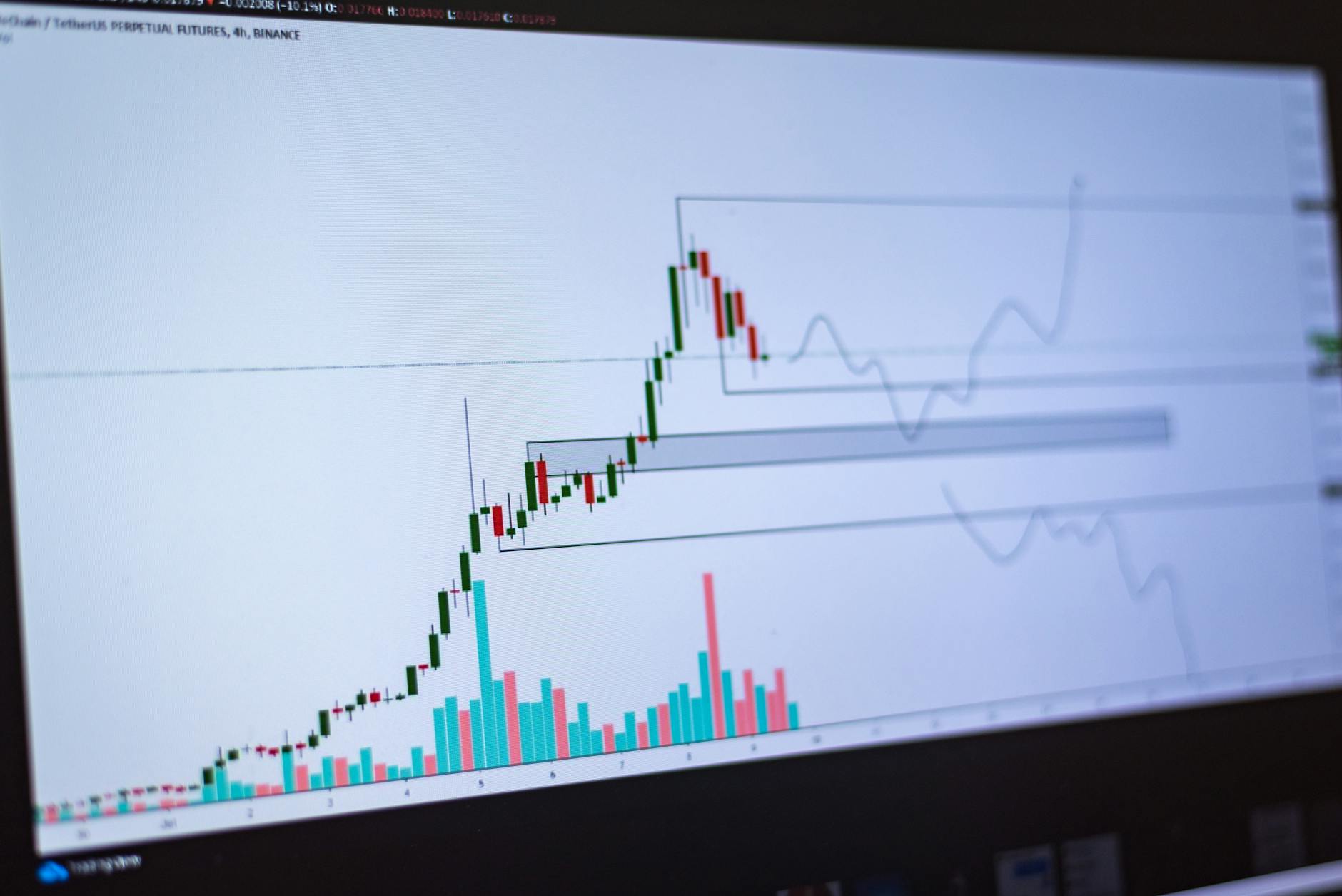
Recent market data reveals that Base Set prices have appreciated more dramatically than any other vintage set, with some cards experiencing 200-300% gains over the past three to four years. The market has separated clearly into two categories: high-grade ($20,000+) cards that trade like fine art or vintage securities, and lower-grade ($1,000-$5,000) cards that function as accessible entry points to the set. A graded PSA 9 Base Set Blastoise might have been a $5,000 card in 2020 and $15,000 in 2024, reflecting both increased recognition and dwindling supply. The price movements aren’t purely speculative.
They’re being reinforced by major auctions, gallery exhibitions of vintage cards, and increased mainstream media attention to the card market. A specific example: Heritage Auctions’ 2024 sales of Base Set cards exceeded all previous year totals by nearly double, indicating a genuine shift in market activity rather than isolated bubbles. However, this momentum also creates a caution flag—rapid appreciation can reverse if collector interest shifts or broader economic conditions change. The card market, while increasingly mainstream, remains volatile.
Collecting Base Set Cards Today
For someone interested in participating in the Base Set market today, there are clear tradeoffs to consider. Mint-condition Shadowless cards are functionally beyond reach for most collectors—prices regularly exceed six figures. The realistic entry point is either Unlimited high-grade holos ($5,000-$30,000), First Edition non-holos ($500-$5,000), or lower-grade Shadowless commons ($100-$1,000). Each option serves a different collecting philosophy. A collector focused on investment typically targets graded high-condition cards from reliable graders like PSA or BGS, accepting that they’re buying at peak valuations with limited upside.
A hobbyist might prioritize securing one iconic card—a Base Set Charizard at almost any grade—as a centerpiece, understanding the emotional value outweighs financial return. The practical reality is that Base Set buying today requires accepting you’re entering late. The largest appreciation likely occurred between 2019-2023. That doesn’t mean the set won’t continue to gain value—scarcity is permanent, and interest may continue growing—but the easy 300% gains are probably behind us. Comparison to other vintage collectibles suggests that Base Set could trade laterally or appreciate slowly for years, stabilizing at the new valuation floor. This matters because it changes the investment calculus.
The Authentication and Condition Challenge
Authentication and condition assessment represent the highest-stakes issues in Base Set collecting today. Cards are graded on a 1-10 scale, and the difference between a PSA 8 and a PSA 9 can represent a 50-100% price jump, sometimes more. This makes authentication critical—a card graded as authentic when it’s counterfeit, or graded as a higher condition than it deserves, can result in catastrophic financial loss. The vintage card market has seen significant counterfeiting operations, and while modern counterfeiters struggle to fully replicate original Base Set cards, substandard cards sometimes slip through grading services.
A warning bears repeating: only purchase Base Set cards that have been graded by established, reputable third-party graders (PSA, BGS, CGC). Raw cards—those without a third-party grade—carry extreme risk at high price points, even if they look legitimate. Condition assessment is subjective, and the eye of an amateur collector can be genuinely deceived by details like centering, surface wear on the holo, or corner rounding that determine the grade. The practical safeguard is buying from established dealers, auction houses, and graded cards only. The financial stakes are high enough that this isn’t paranoia—it’s prudent risk management.

Investment vs. Collection
The Mantle Card era has created tension between investment and collection value. Traditional collectors buy cards to hold, display, and enjoy. Investors buy cards as financial assets, evaluating them on appreciation potential and liquidity. Base Set straddles both worlds in a way that creates conflict. A collector might buy a PSA 6 Base Set Charizard for $18,000 and hold it for satisfaction, accepting it might never double in value. An investor would consider the same card speculative and risky.
A specific example: in 2022, several high-end Base Set holos were purchased as investment vehicles and quickly resold at losses when the market cooled. The card itself hasn’t changed, but the financial expectation did. This split has created a bifurcated market where some buyers chase every percentage point of appreciation while others simply want to own a piece of Pokémon history. The resolution is simple: know which category you’re in before buying. If you’re investing, Base Set is now expensive and the appreciation upside is modest. If you’re collecting, the premium you pay for a Mantle-era card is partly a premium on nostalgia and cultural significance, which has genuine value but isn’t a financial guarantee.
The Future of Base Set Valuations
Looking forward, Base Set will almost certainly continue to appreciate, but the trajectory depends on factors outside the cards themselves. If Pokémon maintains cultural relevance and the collector base expands, demand for original cards increases naturally. The scarcity is absolute—they’re not printing Base Set again in 1999 quantities—so long-term floor prices likely support current valuations. However, if collector interest pivots to newer sets or if a recession dampens discretionary spending on luxury collectibles, Base Set could experience meaningful price corrections.
The most likely scenario is that Base Set solidifies as the “vintage” anchor of Pokémon collecting, similar to how 1952 Topps functions in baseball. Prices will likely rise modestly over years and decades rather than experiencing spectacular gains. The Mantle Card Era for Base Set is real, but it’s also a maturing phase—the rapid appreciation that rewards early adopters is probably behind us. Going forward, Base Set’s value will be stable but not thrilling, making it a heritage investment rather than a growth play.
Conclusion
Yes, Base Set Pokémon cards are entering a Mantle Card Era characterized by scarcity-driven valuations, institutional recognition, and consolidated collector demand around specific iconic cards. The evidence is unmistakable: auction prices are setting records, high-grade cards are appreciating faster than other sets, and the hobby is shifting toward recognizing Base Set as foundational and irreplaceable. This is a genuine market phenomenon, not speculative bubble.
For collectors and potential buyers, the implications are straightforward: if you’re interested in Base Set, understand that you’re entering a market where prices are at historical highs and appreciation is likely to be measured rather than spectacular. The real value lies in scarcity and cultural significance rather than financial gain. Focus on authentication, grading consistency, and acquiring cards you’d be satisfied holding for years. The Mantle Card Era for Base Set is here, which means it’s an era of preservation and stability rather than rapid enrichment.
You Might Also Like
- A PSA 10 Base Set Charizard Could Be Remembered Like the Mantle Rookie Card of Pokémon
- A High-Grade Base Set Charizard Could Become Pokémon’s Version of the $12.6 Million Mickey Mantle Card
- How Base Set Charizard Could Follow the Same Path as Historic Sports Card Grails