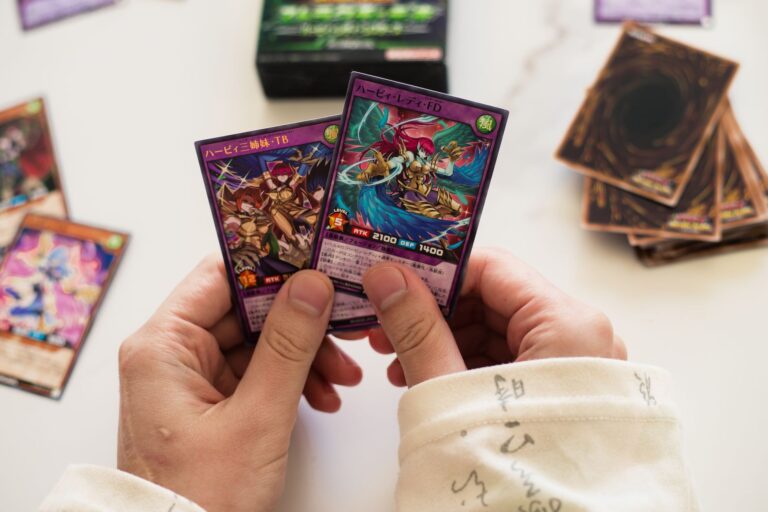
Yes, Base Set Pokémon cards will likely become more valuable as the franchise reaches its 40th and 50th anniversaries, but the gains will be uneven and heavily dependent on card condition and rarity. The nostalgia-driven market has already demonstrated strong demand for first-generation cards, with PSA 9 Base Set Charizard prices increasing from around $10,000 in 2020 to over $100,000 by 2021 during the pandemic boom. As Pokémon officially celebrates 30 years in 2026 and approaches these milestone anniversaries, institutional investment, media attention, and aging collector wealth will likely push demand higher, particularly for rare holo cards and sealed products. However, this appreciation will not happen uniformly across all Base Set cards. Commons and uncommons will see modest growth at best, while first editions and PSA 10 specimens will command outsized premiums.
The market has already priced in much of the nostalgia value for the most recognizable cards—Charizard, Blastoise, and Venusaur. Real growth opportunities will come from deeper cuts in the set and from sealed, unopened booster boxes, which are increasingly viewed as alternative assets by non-traditional collectors and investment funds. The critical variable is condition. A played-condition Base Set Charizard might see 20-30% appreciation over the next five years, while a PSA 10 could easily double or triple. This distinction matters enormously when planning acquisitions or evaluating your own collection.
Table of Contents
- How Pokémon’s Milestone Anniversaries Have Previously Driven Card Values
- The Supply Constraint That Drives Long-Term Price Growth
- Condition and Grading as the Primary Value Differentiator
- Market Timing and the Risk of Anniversary Bubbles
- The Hidden Costs and Risks of Holding Vintage Cards
- Sealed Booster Boxes as an Alternative Appreciation Vehicle
- Future Outlook: Digital Cards, Reprints, and Market Saturation
- Conclusion
How Pokémon’s Milestone Anniversaries Have Previously Driven Card Values
pokémon has already tested this thesis during the 25th-anniversary period from 2021 to 2022. Special anniversary products, promotional card releases, and media campaigns surrounding that milestone created a measurable uptick in demand for vintage cards. The effect was particularly pronounced for first-edition base Set holos, which saw prices spike during anniversary season and then moderate slightly once the event passed. This suggests that future anniversaries will follow a similar pattern: a pre-event run-up, a peak during anniversary media coverage, and then stabilization at a new, higher baseline. The 25th anniversary also showed that casual players and younger collectors re-entering the hobby drive demand alongside serious investors. When anniversary content airs on streaming platforms or gets coverage in mainstream media, the collector base expands.
For the 40th anniversary in 2036 and the 50th in 2046, we can expect similar catalysts. Pokémon will likely issue commemorative products, rereleases, and special events that will remind millions of people why they collected cards in their childhood. However, the 25th anniversary also revealed a limitation: not all anniversary-themed products hold value. Special anniversary booster boxes and reprints often see strong initial demand but depreciate after the event concludes. Base Set originals, by contrast, appreciate steadily because their supply is fixed. The lesson is that authentic vintage cards benefit more from anniversary hype than newly issued anniversary products.
The Supply Constraint That Drives Long-Term Price Growth
Base Set cards have a finite, shrinking supply. Every year, cards are damaged, lost, or destroyed. PSA estimates that fewer than 1% of Base Set cards were ever graded, and even fewer remain in high grades. A PSA 10 Base Set Charizard is rarer than many people realize—there are only a few hundred in existence, making them functionally scarce. As Pokémon fandom grows and wealth increases among millennial and Gen X collectors, competition for these rare specimens intensifies. The supply constraint is different for different tiers of Base Set. Common and uncommon cards exist in massive quantities.
Sealed booster boxes have become more scarce over time, but there are still examples finding their way out of attics and collections. Holo rares with first-edition stamps are the true scarcity bottleneck. If you own a first-edition holo rare in decent condition, you own something that becomes harder to find each year. One caveat: the existence of reprints changes this equation. Pokémon has repeatedly brought back Base Set in various forms—Special Collection boxes, 25th-anniversary reprints, and digital releases. While these don’t directly compete with authentic Base Set originals, they do provide alternative entry points for collectors and can cannibalize some demand. Investors should be aware that future reprints could soften prices for lower-grade originals, even as PSA 10s remain immune due to their recognized rarity and authentication.
Condition and Grading as the Primary Value Differentiator
The most important variable in Base Set card appreciation is condition. A Base Set Charizard graded PSA 8 today might appreciate 40% by 2031. The same card graded PSA 7 might appreciate 15%. And a raw, ungraded card in played condition might barely keep pace with inflation. Grading companies like PSA, BGS, and CGC have become central to the market because they provide third-party authentication and standardization that allows cards to trade as financial assets rather than collectibles. Grading costs have also risen significantly. In 2020, a PSA grading service cost $20-50 depending on turnaround time.
In 2024-2026, standard grading runs $50-150 for vintage cards. This creates a calculus: a Base Set uncommon you think might be PSA 8 might not be worth grading because the grading cost exceeds the potential appreciation. But a Base Set holo that appears to be PSA 9 or higher becomes a candidate for grading, because authentication and encapsulation can multiply its value by 5-10x. Be aware that the grading market itself is cyclical. During the 2020-2021 boom, PSA received such high volume that quality control issues emerged. Some collectors discovered that cards graded as PSA 9 during that period would have received lower grades under more careful evaluation. This suggests that older graded cards sometimes carry inflated grades, which could create headwinds for appreciation if the market reprices these substandard slabs downward.
Market Timing and the Risk of Anniversary Bubbles
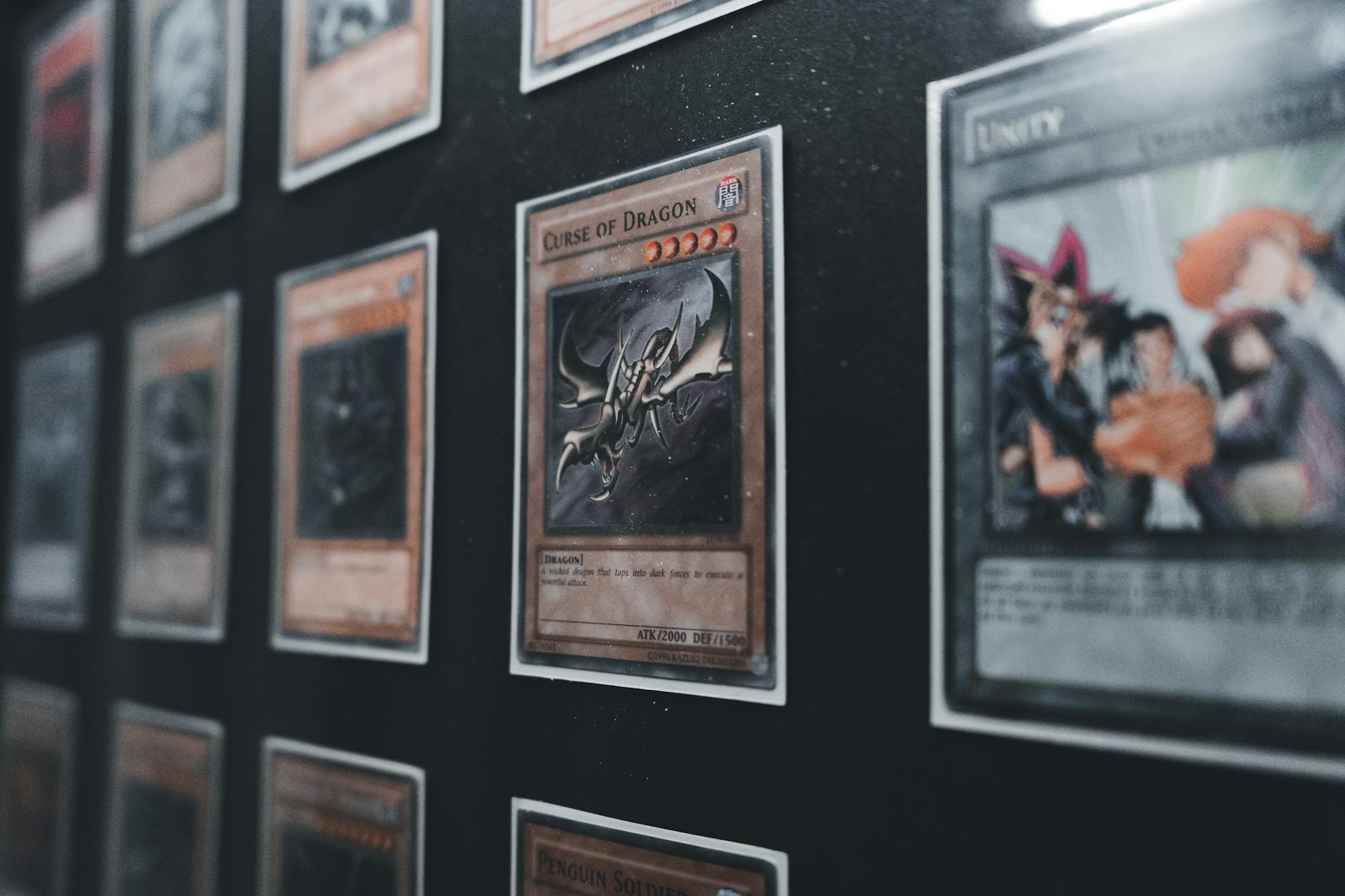
Investing in Base Set cards around major anniversaries carries timing risk. The market tends to run ahead of actual anniversaries, leading to premature peaks. Smart investors buy 12-18 months before an anniversary event, not during it. By the time the 40th anniversary arrives in 2036, much of the price appreciation may have already occurred. The cards that doubled in price leading up to the anniversary might see minimal gains during the actual anniversary period. Compare this to other collectible markets.
Comic books saw a bubble in the 1990s driven by speculation and artificial scarcity gimmicks, which then crashed when the underlying supply exceeded demand. While Pokémon cards benefit from genuine supply constraints that comics didn’t have, the risk of overheating remains. If a large cache of sealed Base Set booster cases were suddenly discovered or released onto the market, it could trigger a significant correction. The prudent approach is to think of Base Set appreciation as a long-term play rather than a trading vehicle. If you’re buying cards specifically to hold until the 40th or 50th anniversary, you’re betting on patient capital. You’ll need to absorb years of flat or negative returns during market downturns, and you’ll need to avoid the temptation to sell too early if prices spike during speculative runs.
The Hidden Costs and Risks of Holding Vintage Cards
Owning valuable Base Set cards carries costs that appreciation must offset. Proper storage requires acid-free sleeves, toploaders, and climate-controlled conditions. For high-value cards, insurance becomes necessary. A PSA 10 Base Set Charizard worth $100,000 requires homeowner’s insurance or specialized collectible insurance that costs hundreds of dollars annually. Over a five-year hold period, these costs can consume 10-20% of the card’s total return. There’s also the risk of counterfeiting and authentication disputes.
While PSA and BGS slabs are difficult to forge, older slabs from the 1990s and early 2000s are sometimes questioned, and significant disagreements have emerged about the legitimacy of certain high-grade examples. If you’re buying a Base Set card as an investment, using a reputable dealer and understanding the card’s provenance becomes critical. Another limitation is liquidity. While a PSA 10 Charizard has active buyers, lower-grade cards and non-iconic holos can be harder to liquidate quickly. If you need to sell in a buyer’s market, you might have to accept a significant discount. This is less of an issue if you’re holding for 10+ years, but it’s a real constraint if you need to access capital quickly or if your life circumstances change.
Sealed Booster Boxes as an Alternative Appreciation Vehicle
Sealed Base Set booster boxes represent a different but complementary investment thesis. A booster box—24 packs, 10 cards each—provides broad exposure to Base Set rarity and condition without requiring single-card authentication. A sealed booster box from 1999-2000 that cost $100 at retail now sells for $5,000-$10,000 depending on condition. These are easier to store than individual high-grade cards, and they lack the authentication disputes that plague individual cards.
The downside is that opening a booster box destroys its value. The entire premium is attributable to the sealed status. Once opened, the contents are worth only the sum of the individual cards, which is usually 50-70% of the sealed price. This makes booster boxes pure investments—they don’t offer the collector’s pleasure of actually owning and displaying the cards. For investors with a 10+ year horizon, sealed booster boxes are a more passive, less labor-intensive way to capture Base Set appreciation.
Future Outlook: Digital Cards, Reprints, and Market Saturation
Pokémon’s expansion into digital card games and NFTs has complicated the long-term outlook for physical Base Set cards. While Pokémon TCG Live and previous digital iterations haven’t cannibalized physical card demand, they’ve shown that the company is willing to experiment with card formats that don’t require factory-produced physical objects. If digital cards ever gain mainstream adoption and competitive legitimacy, it could reduce demand for vintage physical cards. Conversely, if digital cards remain niche, physical originals will continue to benefit from nostalgic authenticity.
The company’s strategy of releasing new special editions, reprints, and 25th-anniversary products also suggests they’ll continue monetizing nostalgia without directly releasing new Base Set packs. This should protect the scarcity of original Base Set material. As Pokémon Scarlet and Violet generations age and the company eventually releases a new “generation 10” era, newer collectors will become interested in cards from their childhood, creating generational waves of demand. The 50th anniversary in 2046 might see even stronger demand than the 40th, because it represents a true half-century of the franchise.
Conclusion
Base Set Pokémon cards will almost certainly appreciate in value as the franchise approaches its 40th and 50th anniversaries, but the magnitude of gain will vary dramatically based on card condition, rarity, and market timing. High-grade first-edition holos and sealed booster boxes are the strongest candidates for consistent appreciation, while commons and lower-grade holos will see slower, inflation-level gains. The best time to acquire cards is outside of anniversary season, when hype premiums have deflated but before the next cycle of buying pressure begins.
If you’re building a Base Set collection for appreciation, prioritize condition and authenticity over quantity. Three PSA 9 holo rares will outperform one hundred played-condition bulk lots. Monitor the timeline carefully, avoid buying at peaks, and remember that this is a patient capital game—expect to hold for five to ten years to see meaningful real returns beyond inflation. With those caveats in mind, Base Set cards represent one of the few collectibles with genuine scarcity, documented historical appreciation, and tailwinds from major anniversary events.