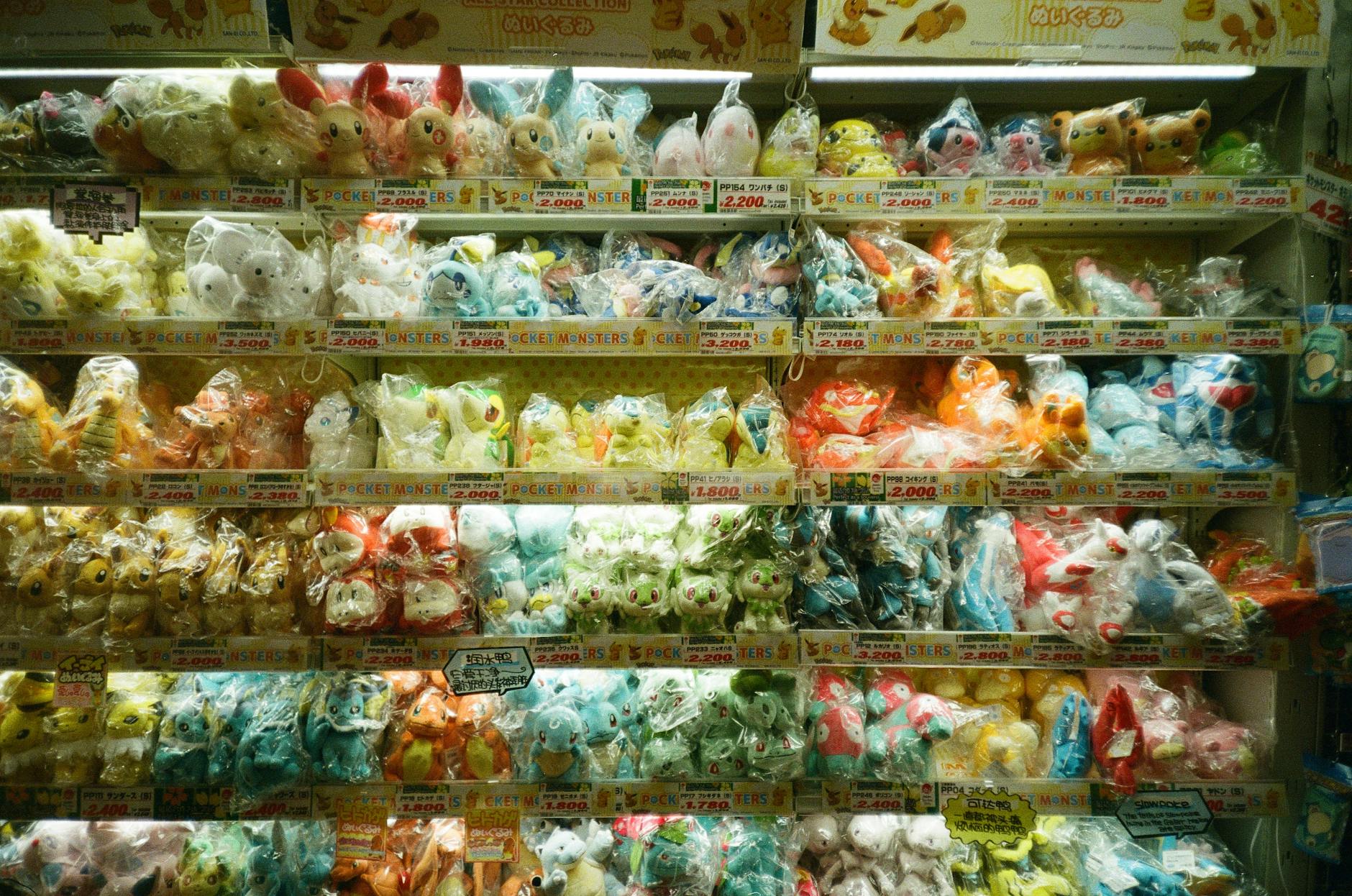
Pokémon makes museum marketing feel less boring by turning cultural institutions into destinations for millions of passionate fans—not just nostalgic collectors, but engaged communities that actively seek out these experiences and evangelize them online. The London Natural History Museum’s Pokécology pop-up, which ran from January 26 through April 19, 2026, sold out within minutes of tickets being released, a metric most museums spend months or years trying to achieve. The simple truth is that Pokémon has built a 30-year fanbase with the kind of fervent loyalty that museums traditionally struggle to cultivate, and when you pair that fan engagement with a museum’s credibility and educational content, the result feels less like conventional marketing and more like a cultural moment.
The shift works because it reframes how museums think about their audience. Instead of designing exhibitions around what institutions think people should see, Pokémon collaborations let museums meet audiences where they already are—in a world where millions of players hunt virtual creatures in real-world locations, where people collect cards as an investment and hobby, and where the intellectual curiosity about Pokémon’s fictional creatures can lead directly to genuine interest in real paleontology and ecology. That combination of entertainment, education, and community has proven powerful enough to drive museum attendance increases exceeding 25 percent and create revenue streams that directly fund research.
Table of Contents
- Why Pokémon Fills Museum Attendance Goals Faster Than Traditional Marketing
- Merchandise Revenue as Museum Funding Infrastructure
- Turning Entertainment Into Educational Pathways
- Building Multi-Generational Attendance Through Brand Longevity
- When Celebrity Collaborations Create Execution Risk
- Community Building Beyond the Exhibition Walls
- The Future of Entertainment-Educational Hybrids
- Conclusion
Why Pokémon Fills Museum Attendance Goals Faster Than Traditional Marketing
Museums historically rely on press releases, school partnerships, and tourism boards to drive attendance. pokémon collapses that timeline. The Philadelphia Museum of Art ran a Pokémon GO meetup and saw a 13 percent attendance boost over the previous week and a 25 percent increase compared to the same week the year prior—metrics achieved not through months of advertising but through leveraging an existing global audience. When the Natural History Museum announced its Pokécology collaboration, the exhibition sold out so quickly that it became a case study in demand generation.
What makes this different from typical licensing is that Pokémon audiences are already primed to seek out experiences. Unlike someone who might ignore a museum billboard, Pokémon fans actively discuss new exhibitions, share tickets on social media, and plan visits as events. The Field Museum in Chicago, which opened its Pokémon fossil Museum exhibition on May 22, 2026, running through April 11, 2027, can rely on that existing promotional network—fans will market the exhibition to each other without the museum needing to pay for traditional advertising campaigns. The downside is that this creates enormous pressure for the institution to execute perfectly, because disappointing a highly engaged fanbase generates criticism just as amplified as the initial enthusiasm.

Merchandise Revenue as Museum Funding Infrastructure
The revenue model behind these collaborations fundamentally changes museum economics. The Natural History Museum’s Pokécology merchandise sales directly support the museum’s research and conservation operations, which currently support over 400 researchers. This isn’t a side benefit—it’s a primary funding mechanism that allows museums to sustain their core mission. For institutions with limited endowments or government funding, a successful Pokémon collaboration can represent millions in unrestricted revenue that goes straight to the work that museums actually do. However, this model carries a hidden risk.
Museums that become too dependent on blockbuster collaborations can find themselves caught between authentic mission work and the need to chase the next licensing opportunity that moves merchandise. There’s also the question of whether younger visitors who come for Pokémon stay engaged when they encounter the museum’s core exhibitions, or whether they’re one-time visitors who never return. The Field Museum addressed this by designing the Pokémon exhibition to blend entertainment with real paleontology—the exhibition features life-sized Fossil Pokémon models displayed alongside actual fossils, including SUE the T. rex, creating a literal bridge between fictional creatures and genuine scientific specimens. This approach requires more curatorial work than a standard licensed exhibition, but it converts casual visitors into people who might develop genuine interest in paleontology.
Turning Entertainment Into Educational Pathways
The Pokécology theme at the Natural History Museum exemplifies how to merge entertainment with genuine curriculum. Pokémon creatures are designed with real ecological principles—type systems reflect actual predator-prey relationships, elemental weaknesses mirror real environmental adaptations—and the museum can amplify this existing educational framework. When someone visits an exhibition about how Grass-type Pokémon reflect plant defenses, or how Water-type creatures embody aquatic survival strategies, they’re learning real ecological science wrapped in a narrative they already care about. The McNay Art Museum in San Antonio recognized this potential by using Pokémon GO’s location-based gameplay to drive younger audiences into the physical space.
They offered free admission as an incentive, specifically targeting under-19 visitors. This strategy acknowledges a real limitation of traditional museum education: young people often don’t visit because they’ve never been socialized to see museums as “for them.” Pokémon functions as a translation layer. It makes the museum feel less intimidating and more relevant, even if many visitors initially come for the game rather than the art. The risk here is that museums end up subsidizing entertainment rather than building sustainable education programs—some visitors may come for Pokémon GO but never engage with the actual museum content, making the free admission policy unsustainable long-term if not paired with educational follow-up.
Building Multi-Generational Attendance Through Brand Longevity
Pokémon’s 30-year anniversary provides proof that the fanbase isn’t a temporary novelty but a durable demographic. That longevity matters profoundly for museum marketing because it creates stability. Unlike a trend that peaks and crashes, Pokémon has sustained engagement across three decades, with players who grew up with the original games now bringing their own children to exhibitions. This creates a multi-generational visitor profile that museums can reasonably predict and plan for, unlike single-character licensing deals that might generate excitement for one year and nothing afterward. The comparison to other entertainment licensing is instructive.
When museums have partnered with individual film releases or pop music tours, they often see sharp spikes followed by traffic falling off a cliff. The Natural History Museum’s Pokécology exhibition sold out because it’s tapping into a community that existed before the exhibition was announced and will persist after it closes. Parents who collected Pokémon cards in the 1990s now bring teenagers who collect cards as investment pieces, and younger children who play the games come along. That multi-generational appeal creates multiple pathways for ticket sales and merchandise revenue, reducing the museum’s dependence on any single age demographic. The challenge is that this stability makes the museum’s attendance and revenue figures increasingly dependent on maintaining the Pokémon partnership, which could become problematic if The Pokémon Company ever decides to prioritize other institutional collaborations or pivot its licensing strategy.
When Celebrity Collaborations Create Execution Risk
Museums that attract millions of potential visitors through Pokémon partnerships face immediate operational challenges. The sold-out status of the London Natural History Museum’s exhibition, while a marketing success, also represents a bottleneck. Thousands of disappointed fans were unable to book tickets, and the museum had to manage frustrated expectations. This is a genuine limitation of using celebrity brands for museum attendance—the institution can’t simply add more galleries to handle increased demand in the way that, say, a hotel can add rooms. There’s also the risk of brand misalignment.
Museums built their reputations on academic rigor and curatorial expertise. If a Pokémon exhibition feels like pure commercial packaging with minimal educational substance, it can damage the museum’s credibility with its core audience. The Field Museum mitigated this by embedding real paleontological research into the exhibition design—the life-sized Fossil Pokémon models were created in consultation with their paleontology team, and the exhibition explicitly teaches viewers how fictional designs relate to actual fossil evidence. Without that curatorial rigor, a Pokémon exhibition risks becoming a pure merchandise showcase that alienates the museum’s serious visitors. Museums that go this route should expect pushback from traditionalist donors and academics who view entertainment licensing as diluting institutional mission, even when the financial reality is that merchandise revenue sustains research these critics care about.

Community Building Beyond the Exhibition Walls
The real breakthrough for museums isn’t the Pokémon exhibition itself—it’s the community activation that surrounds it. When the Philadelphia Museum of Art ran its Pokémon GO meetup, it converted a digital game into a physical gathering event that brought strangers into the same museum space. That mechanism works in both directions: it builds museum attendance and creates network effects where participants tell friends about their experience, exponentially extending the marketing reach without additional institutional spending.
This community layer is what distinguishes Pokémon collaborations from traditional brand partnerships. Pokémon isn’t just a logo or merchandise line—it’s a social identity. Someone who identifies as a Pokémon fan is part of a community, which means they’re likely to attend exhibitions with friends, join online discussions about the exhibition, and create user-generated content that amplifies museum messaging for free. The Field Museum’s Pokémon Fossil Museum exhibition, running through April 2027, will likely generate thousands of social media posts, TikToks, and forum discussions from visitors—organic marketing that museums typically spend enormous budgets trying to create and usually fail at achieving.
The Future of Entertainment-Educational Hybrids
Museums are learning from Pokémon that the false choice between “serious institution” and “popular appeal” isn’t actually a choice at all. The most successful cultural institutions over the next decade will probably be those that figure out how to sustain both dimensions—maintaining rigorous scholarship while building genuine mass appeal. Pokémon works as a museum partnership because it doesn’t require the institution to choose between these goals; the licensing deal generates revenue and attendance while the curatorial team ensures the educational content is legitimate.
What’s less clear is whether this model scales beyond Pokémon. Other entertainment franchises have tried museum collaborations with far less success, partly because they lack Pokémon’s architectural advantage of having creatures and concepts that genuinely intersect with real science. The Pokémon franchise’s intentional design—Grass-type creatures reflecting plant biology, Fossil Pokémon paralleling paleontology, Ecology as a design principle—means the exhibitions feel less like corporate marketing and more like natural extensions of both the museum’s mission and the franchise’s intellectual framework. Museums hoping to replicate this success may find that most entertainment brands don’t offer that natural alignment, which means the Pokémon model might remain exceptional rather than become a standard industry pattern.
Conclusion
Pokémon makes museum marketing feel less boring because it solves a genuine problem: museums struggle to reach young audiences and sustain attendance outside school groups and local tourism. By tapping into an existing global community with 30 years of demonstrated loyalty, museums get instant credibility with millions of potential visitors and create revenue streams that fund research and conservation. The Natural History Museum sold out within minutes, the Field Museum built an exhibition that connects fictional creatures to actual paleontology, and the Philadelphia Museum of Art achieved 25 percent attendance increases—metrics that justify why traditional museums are increasingly willing to license entertainment properties.
The limitation is that this model works best for franchises like Pokémon that were architecturally designed to intersect with real science and natural history. Museums considering similar partnerships should focus on building curatorial depth into the entertainment framework rather than treating collaborations as pure merchandise plays. The future of cultural institutions probably depends on figuring out how to sustain both mass appeal and scholarly credibility, and Pokémon demonstrates that it’s possible—but only when the partnership is genuine enough that the educational content doesn’t feel like an afterthought.
You Might Also Like
- Why Pokémon Planes Are Perfect for 30th Anniversary Marketing
- How Pokémon Branding Became a Major Airline Marketing Tool
- What Makes the Pokémon Fossil Museum More Than a Fan Attraction