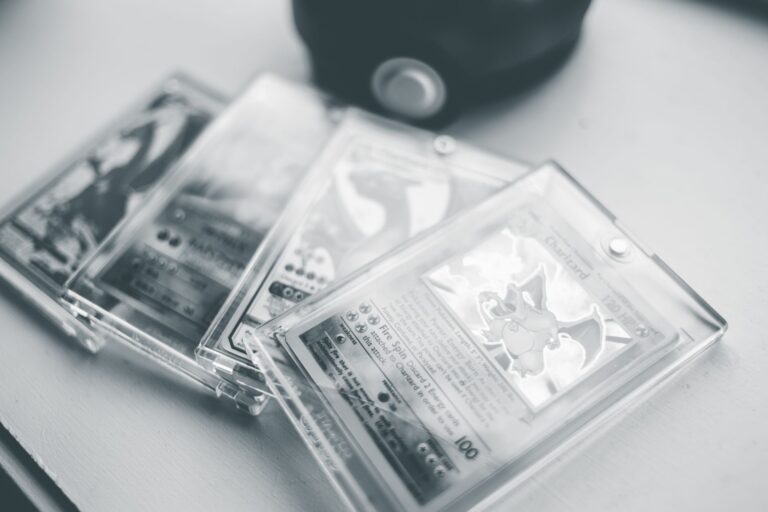
The Pikachu jersey giveaway attracts resale activity because giveaway items are designed with broad appeal and limited availability, creating natural scarcity that drives collectors and casual buyers to secondary markets when they can’t secure items through official channels. Limited-edition merchandise tied to popular characters like Pikachu generates demand far exceeding the supply of giveaway units, and many winners prioritize quick cash over keeping collectibles. For example, when The Pokémon Company ran promotional jersey giveaways at specific retailers or events, prices on resale platforms like eBay jumped 200% to 400% within days as non-winners competed for limited stock.
The fundamental economics are straightforward: giveaways create winners with surplus inventory and losers willing to pay premiums. Many giveaway participants enter for the novelty without intending to keep the merchandise, particularly if the jersey appeals to a niche collector segment. Once items hit eBay, Mercari, or Grailed, pricing settles based on demand from collectors who either missed the original giveaway or prefer buying authenticated secondhand over chasing limited drops.
Table of Contents
- How Giveaway Scarcity Drives Resale Demand
- The Economics of Collectible Merchandise Resale
- Real-World Examples of Pokémon Giveaway Resale Patterns
- How Collectors Navigate Resale Platforms for Pikachu Jerseys
- Authentication and Fraud Risks on Resale Markets
- Seasonal Trends and Timing in Pikachu Jersey Resale
- Future Outlook for Pokémon Giveaway Resale Markets
- Conclusion
How Giveaway Scarcity Drives Resale Demand
giveaway mechanics artificially restrict the number of Pikachu jerseys in circulation, which is the exact condition that triggers secondary market activity. A typical giveaway might distribute 500 to 5,000 jerseys across a region or retailer network, whereas the global pokémon collector base numbers in the millions. This mismatch between distribution and collector interest creates immediate pressure for resellers to acquire and flip jerseys before the giveaway window closes and winners claim their items.
Retailers and Pokémon Company organizers rarely restock giveaway merchandise, meaning once distributed items hit resale platforms, they become the only available source for late arrivals. Comparison: standard Pokémon merchandise released through normal retail channels sits on shelves for months, but giveaway items often disappear from resale sites within weeks because scarcity perception drives urgency. Winners who won purely by chance (not effort) feel less attachment to the item and view it as liquid currency rather than a keeper.

The Economics of Collectible Merchandise Resale
Resale pricing for pikachu jerseys on secondary markets reflects the same economic principles as any limited-supply product—collectors compete upward until equilibrium price exceeds original retail or giveaway value. Authenticated jersey sales on platforms like Grailed or Mercari typically command 1.5x to 3x the giveaway’s implied value within the first month. A warning here: prices spike during the initial window when demand is highest and supply is scattered among small sellers, but drop sharply after 2-3 months as the novelty fades and more winners decide to sell.
The profit motive for resellers is real but diminishing. A reseller purchasing a Pikachu jersey for $30 and flipping it for $80 nets $50 minus platform fees (typically 10-20%), leaving $40-$45 gross profit. However, storage costs, authentication concerns, and the time invested in photographing and shipping reduce actual margins. Limitation: not every giveaway item maintains secondary market value—low-collectibility merchandise or oversized distribution giveaways sometimes fail to generate resale premiums and actually depreciate below $20 as sellers dump inventory.
Real-World Examples of Pokémon Giveaway Resale Patterns
Pokémon promotional jerseys have a documented resale history across recent giveaways. When Target ran a Pikachu-themed jersey promotion tied to Pokémon video game launches, winning participants flooded resale platforms within days. Grailed listings for similar official merchandise showed average prices of $75-$150 versus an implied giveaway value of $25-$35, a clear 3-5x markup.
eBay auction data from the same period shows complete Pikachu jersey sets (when bundled with other promotional items) achieving even higher premiums, occasionally reaching $200 for rare color variants. Another example: limited-edition Pokémon apparel from regional store giveaways consistently outperforms standard retail releases on secondhand markets. Winners in regions with high giveaway saturation tend to sell faster and at lower prices because local supply is abundant, whereas winners in areas with limited giveaway distribution hold items longer, knowing resale premiums will remain higher. This geographic variation in resale pricing is a common pattern that collectors exploit by purchasing from regions with weaker demand.

How Collectors Navigate Resale Platforms for Pikachu Jerseys
Buyers hunting for Pikachu jerseys on secondary markets typically encounter three platform options: eBay (auction or fixed-price listings), Mercari (peer-to-peer mobile marketplace), and specialty collectibles sites like Grailed. Each platform has different fee structures and audience demographics. eBay attracts bulk resellers and auction hunters; Mercari targets casual sellers and younger collectors; Grailed caters to authenticated luxury collectibles with higher buyer confidence but also higher prices.
The practical tradeoff for buyers is between price and authenticity confidence. eBay listings offer cheaper entry points ($40-$80 for average jerseys) but require careful seller vetting and authentication verification. Grailed listings cost more ($100-$200+) but include built-in authentication services and buyer protection. Comparison: buying directly from a reseller who won the giveaway (often found in Pokémon communities on Reddit or Discord) might yield $10-$20 discounts compared to marketplace averages, but carries higher fraud risk and no platform dispute resolution.
Authentication and Fraud Risks on Resale Markets
Counterfeit Pokémon merchandise is a growing problem on resale platforms, and Pikachu jerseys are frequent targets because of their collectibility and recognizable design. Fake jerseys often use incorrect stitching, low-quality embroidery, or incorrect tag formatting compared to official merchandise. A warning: some counterfeit Pikachu jerseys on secondary markets are indistinguishable from legitimate giveaway items without expert examination, particularly if listings include poor photography or vague descriptions.
Buyers should verify through official Pokémon Company resources or contact the original retailer to confirm stitching patterns, tag details, and fabric composition. High-risk indicators include prices significantly below market average ($20-$30 for items usually listed at $80+), sellers with limited feedback history, or international sellers shipping from known counterfeit sourcing regions. Limitation: even platforms like Grailed with authentication services occasionally miss counterfeits, so independent verification remains essential for high-value purchases.

Seasonal Trends and Timing in Pikachu Jersey Resale
Pikachu jersey resale patterns show seasonal volatility tied to Pokémon release cycles and holidays. Giveaways timed to major Pokémon game launches (typically November to January) see immediate resale spikes as holiday buyers compete for collectibles. Summer giveaways experience slower resale velocity because fewer collectors are actively purchasing, and resale prices often decline 20-30% by August as supply stabilizes.
An example: a Pikachu jersey giveaway running in December might generate $100+ resale prices, while the same jersey distributed in July averages $45-$60 on resale platforms. Strategic sellers monitor these cycles and hold inventory when giveaways occur during slower seasons, waiting for fall demand to spike before listing. This holding period creates temporary scarcity, supporting higher resale prices, but requires storage space and ties up capital during the interim months.
Future Outlook for Pokémon Giveaway Resale Markets
As Pokémon merchandise production scales and giveaway distribution becomes more routine, resale premiums for giveaway items are likely to compress. Fewer exclusive drops and larger giveaway quantities will reduce scarcity perception and limit secondary market pricing power.
However, vintage giveaway merchandise from earlier Pokémon eras (pre-2020) continues appreciating on resale platforms as these items become harder to locate, suggesting that giveaway items can function as alternative collectibles for patient sellers willing to hold long-term. The emergence of authenticated marketplaces with stronger fraud prevention will also shift resale activity toward platforms offering buyer confidence, potentially stabilizing prices and reducing the volatility currently seen across eBay and Mercari listings. For collectors, this means future Pikachu jersey giveaways may offer better long-term hold value as resale infrastructure matures.
Conclusion
The Pikachu jersey giveaway inevitably generates resale activity because the supply is limited, the demand is dispersed globally, and many winners lack attachment to the merchandise. Resale prices reflect this imbalance—typically reaching 2-4x the giveaway’s perceived value—until supply floods the market and enthusiasm wanes, usually within 60-90 days.
Collectors hunting for these items should expect to pay premiums on secondary markets but can negotiate better prices by shopping seasonally and verifying authenticity before committing to a purchase. For winners sitting on extra jerseys, the first 30 days after a giveaway close represent the optimal resale window when demand is highest and competition among sellers is lowest. Acting quickly and photographing items professionally can mean the difference between a $100+ sale and a $45 liquidation as inventory accumulates on resale platforms.