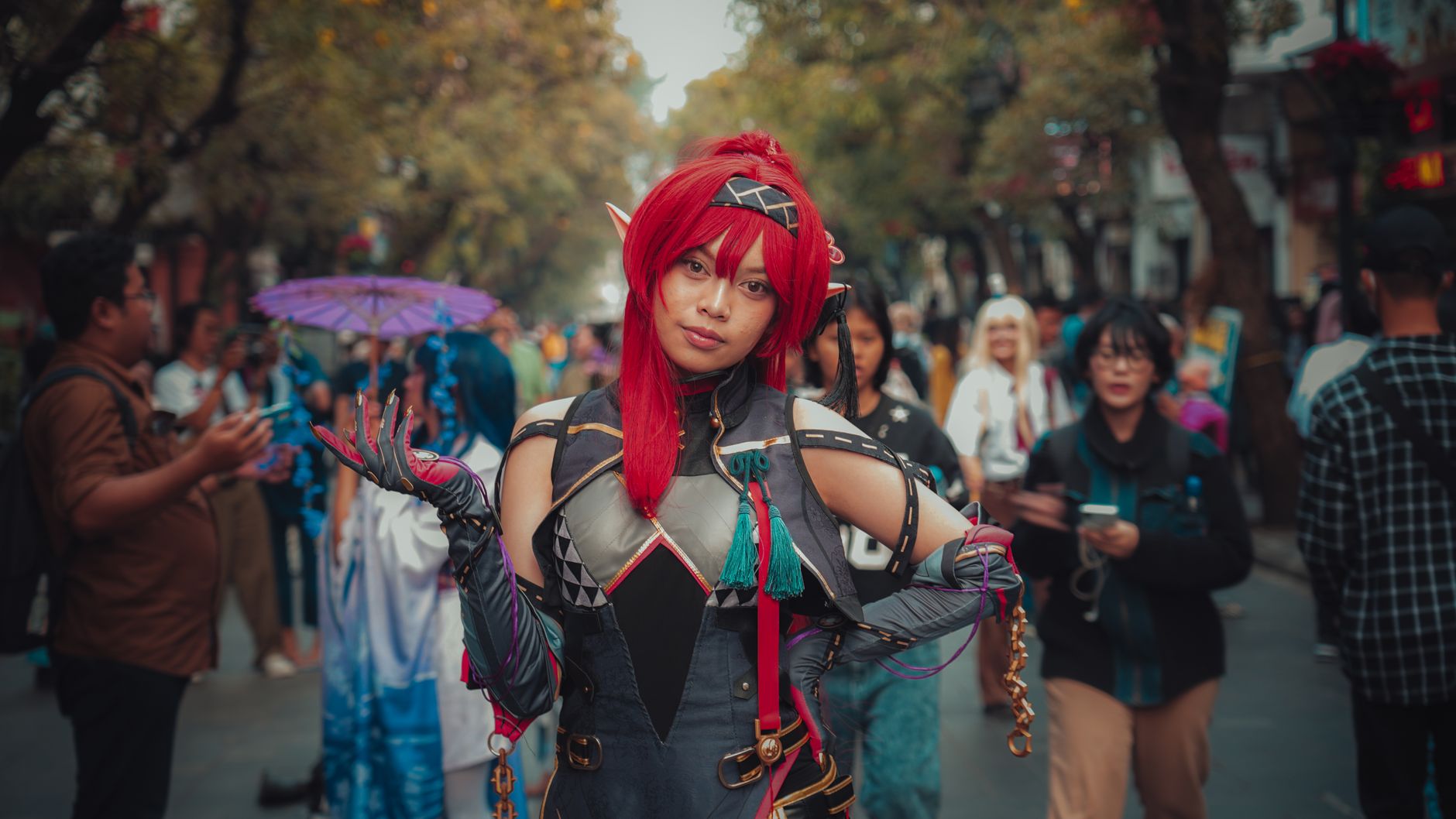
Pokémon GO’s real-world events generate massive fan energy because they offer something rare: a reason for millions of players to leave their homes simultaneously, gather in shared physical spaces, and experience the game together. The numbers tell the story. During the 2023 GO Fest season alone, nearly 200,000 players attended in-person events across Osaka, London, and New York, with 50,000 trainers crowding into London’s event venue alone. Behind these attendance figures lies a deeper truth: 84% of players attend GO Fest specifically to meet other trainers face-to-face. This isn’t about grinding for rare Pokémon in isolation—it’s about the collective energy that comes from being part of a global phenomenon at a specific moment in time.
The scale of participation during these events is staggering. GO Fest weekends see 15 million players logging in concurrently across the globe, and during the August 2022 GO Fest weekend, trainers collectively caught 1.75 billion Pokémon. That volume of engagement, sustained over multiple days, creates a unique momentum that no ordinary event can replicate. The 2026 event calendar reinforces this pattern, with GO Fest 2026 Global scheduled for July 11-12, now available free to all players for the first time, while regional in-person events will take place in Tokyo, Chicago, and Copenhagen. This shift toward accessibility is only expected to amplify fan energy further.
Table of Contents
- What Transforms GO Fest Into a Global Phenomenon?
- The Real-World Meeting as the Core Draw
- GO Fest 2026: The Shift Toward Global Inclusivity
- Planning Your GO Fest Experience: Practical Strategies
- The Challenges Hidden Behind the Fan Energy
- From GO Fest Events to Pokémon Card Value and Collecting
- The Future of Real-World Pokémon Gaming
- Conclusion
- Frequently Asked Questions
What Transforms GO Fest Into a Global Phenomenon?
The engine behind pokémon GO’s event success is its ability to synchronize millions of players around specific creatures, bonuses, and timeframes. When Niantic announces a weekend event featuring rare Pokémon debuts or exclusive research tasks, trainers don’t just log in—they organize meetups, plan travel, and coordinate with their communities. The 2026 events introduce Mega Mewtwo X and Mega Mewtwo Y for the first time in Pokémon GO, along with Zeraora’s debut in the game. These aren’t incremental updates; they’re landmark moments that create urgency and novelty even for veteran players. The social pressure to participate is real but positive. Trainers who skip an event know they’re missing limited-time Pokémon, exclusive shiny variants, and the chance to complete event-specific research.
Unlike single-player games that reward patience over time, GO Fest creates artificial scarcity tied to a clock. This drives behavior in ways traditional gaming rarely achieves. Compare this to typical mobile games, where you can grind any creature at any time: GO Fest forces a decision about whether you’ll show up or watch the community move forward without you. The economic impact of these events demonstrates their significance beyond just player engagement. GO Fest events create an estimated $300 million in global economic activity, supporting local tourism, restaurants, hotels, and retail around event venues. When tens of thousands of trainers converge on a single city, they spend money beyond the game itself. This tangible impact on local communities means event planning receives serious investment from Niantic, which in turn makes events feel important and worth traveling for.

The Real-World Meeting as the Core Draw
Here’s what the data reveals that pure gameplay metrics miss: the social component is the primary motivator, not the Pokémon themselves. Players could theoretically catch all event Pokémon during extended gameplay windows if they simply played remotely. But 84% of trainers specifically choose to attend in-person to meet other players. This means the creatures are the bait, and community is the catch. The 2026 GO Fest schedule extends gameplay to 9 hours per day—a full workday of engagement—because Niantic understands that extended hours keep trainers gathering in public spaces longer. This creates a continuous stream of people meeting, trading, battling, and building friendships.
But there’s a tradeoff: nine hours is exhausting, and many trainers find themselves burned out by the second day or unable to attend at all due to work or family commitments. The free-to-play model for the global event addresses accessibility, but regional in-person events still require travel, time off work, and the physical stamina to spend all day outside catching Pokémon. The phenomenon also excludes significant portions of the player base. Rural trainers may live hundreds of miles from the nearest official event venue. Players in countries without scheduled events can only participate remotely, missing the social aspect entirely. Even for those who attend, weather, health conditions, or financial constraints can prevent participation. The “massive fan energy” is real, but it’s concentrated among a specific demographic that has the resources and proximity to actually show up.
GO Fest 2026: The Shift Toward Global Inclusivity
For the first time in the event series, GO Fest 2026 Global is free for all players worldwide. July 11-12 represents a watershed moment because previous years required players to either purchase a ticket for regional events or participate remotely with significantly fewer bonuses. The 2026 free global model keeps the special research, event bonuses, and increased shiny encounter rates available to everyone, fundamentally changing the accessibility calculus. The regional in-person events—Tokyo (May 29-June 1), Chicago, and Copenhagen—will still draw crowds, but they’re now positioned as premium experiences rather than necessary purchases for serious engagement. This creates a tiered system: casual or budget-conscious players can participate globally for free, while dedicated trainers willing to travel get an enhanced in-person experience.
Tokyo’s event in late May happens before the July global event, meaning early adopters get a preview of what’s coming, while those planning travel for Copenhagen in summer have confirmed dates and details in advance. The expanded hours and new Pokémon debuts in 2026 signal that Niantic is doubling down on the formula. Mega Mewtwo X and Mega Mewtwo Y making their game debut, combined with Zeraora’s first appearance, ensures that 2026 will be remembered as a landmark event season. Early rumors suggest trading and special encounters will play a role, though Niantic hasn’t officially confirmed all details. The fan energy building around these announcements shows no sign of cooling—if anything, the free global access and new creatures are igniting anticipation that may eclipse previous years.

Planning Your GO Fest Experience: Practical Strategies
If you’re considering attending an in-person GO Fest, the logistics matter enormously. Bringing multiple phones, organizing a group with shared catchment routes, and positioning yourself near Pokéstops with lures becomes strategy rather than casual play. Trainers at 2023 events reported that groups of 4-8 players covering different routes caught significantly more rare Pokémon than solo players. Weather is a critical variable: London’s 2023 event coincided with sunny weather, which boosted attendance and mood, while events in cooler climates require extra preparation. For the 2026 global event on July 11-12, the 9-hour windows per day mean you can participate in shorter bursts than previous years, breaking the experience into a few dedicated hours rather than all-day commitments. This makes it more accessible for families and part-time players.
Battery life becomes a real constraint—bring external power banks and wear sunscreen. The tradeoff is that compressed gameplay windows mean higher competition for rare spawns, and those nine hours will feel intense and fast-paced. Remote participation during global events is viable but different. You’ll get event bonuses and research tasks from your home, capturing significant numbers of event Pokémon without the travel cost. However, you’ll miss the social rush and the surprise discoveries that come from exploring unfamiliar neighborhoods. Many collectors and completionists prefer the remote option precisely because it’s low-stress and budget-friendly, accepting the social component as a secondary benefit.
The Challenges Hidden Behind the Fan Energy
Large-scale GO Fest events create real problems that aren’t always discussed in community forums. Server stability suffers under the load of 15 million concurrent players. During peak hours, lag and disconnections are common. In 2023, some trainers reported losing encounters to connection timeouts and missing spawns due to server lag. If you’re attending an in-person event and investing a full day, technical failures can be particularly frustrating because you’ve sacrificed time and money expecting to participate at full capacity. Safety concerns emerge when tens of thousands of trainers concentrate in small areas. Organized events in major cities like London and New York have dedicated traffic management and security, but smaller regional events may not.
Trainers walking while staring at phones, navigating unfamiliar areas, and distracted by gameplay pose real accident risks. Heat exhaustion during summer events and hypothermia during cooler regions is a documented concern that players sometimes downplay in their excitement. The 9-hour days of the 2026 event increase these risks. There’s also the phenomenon of event fatigue. The player base that attended multiple GO Fests in 2023 reports that the excitement wears off, especially if you already have the Pokémon or aren’t interested in the featured creature. Some trainers who invested significantly in travel and time found the 2023 experience underwhelming compared to their expectations. The pressure to participate, combined with expensive tickets and travel, can create regret if the event doesn’t deliver individually. This doesn’t diminish the massive collective fan energy, but it highlights that the experience is genuinely uneven across different players.

From GO Fest Events to Pokémon Card Value and Collecting
There’s an indirect but real connection between GO Fest events and the Pokémon Trading Card Game market. Featured creatures from GO Fest events often see renewed interest in their card counterparts. When Zeraora debuts in Pokémon GO in 2026, expect Zeraora card prices to fluctuate as collectors revisit the character and seek out its card representations. Similarly, Mega Mewtwo’s debut in GO drives attention back to Mewtwo-centric TCG cards, particularly high-value graded specimens.
For Pokémon card collectors, these events represent timing opportunities. Players who catch new Pokémon at GO Fest and become invested in their favorite creatures often look to expand their collection into physical cards. The 1.75 billion Pokémon caught during the 2022 GO Fest weekend means millions of trainers caught creatures they might not have otherwise pursued, potentially sparking new collecting interests. Following GO Fest events, tracking which creatures trended highest can give collectors insight into which cards might appreciate or maintain value.
The Future of Real-World Pokémon Gaming
The 2026 event calendar suggests Niantic is committed to scaling real-world events while maintaining accessibility. The free global event is a pivotal decision that signals confidence in the model’s sustainability without relying solely on ticket revenue. As the gaming industry continues to shift toward live service and community-driven experiences, GO Fest represents a rare success story of a mobile game that still compels people to gather in physical spaces five years after launch.
Looking forward, the introduction of Mega Mewtwo and Zeraora in 2026 sets up a compelling seasonal rhythm. If Niantic maintains quarterly major events with new creature debuts and free global participation options, the player base has a clear incentive to stay engaged. The $300 million economic impact and 15 million concurrent players demonstrate that real-world events aren’t a novelty for Pokémon GO—they’re essential to the game’s identity and longevity. For collectors, card investors, and casual players, these events create moments of peak engagement that influence buying behavior, community formation, and long-term attachment to the franchise.
Conclusion
Pokémon GO’s real-world events create massive fan energy because they combine limited-time Pokémon, exclusive bonuses, and synchronous global participation into a single moment that rewards showing up. The scale is remarkable: 194,000+ in-person attendees in 2023, 15 million concurrent global players, and 84% of attendees motivated primarily by meeting other trainers. The 2026 event season promises to amplify this through free global access, regional in-person events, and landmark Pokémon debuts, making participation more accessible than ever while maintaining the scarcity and urgency that drives engagement.
The fan energy is real but uneven—it’s intense for those who can attend in person, meaningful for remote participants, and missed entirely by those lacking access. As you plan your participation in GO Fest 2026, consider what you’re optimizing for: the social experience of traveling to an event, the gameplay efficiency of remote participation, or simply collecting the new creatures when they debut. Whatever you choose, the convergence of millions of players on July 11-12 will be a moment worth paying attention to, whether you’re catching Pokémon yourself or simply observing how the phenomenon shapes the broader gaming landscape.
Frequently Asked Questions
Do I need to buy a ticket to participate in GO Fest 2026?
No. For the first time, GO Fest 2026 Global on July 11-12 is completely free for all players worldwide. In-person regional events in Tokyo, Chicago, and Copenhagen may have different ticketing, but the global event includes special research, event bonuses, and increased shiny encounter rates with no purchase required.
What’s the difference between the global event and in-person events?
The global event is remote and free, accessible from anywhere. In-person events offer face-to-face community, exclusive meetings with other trainers, and potentially enhanced bonuses, but require travel and on-site attendance during specific dates.
How many Pokémon can I expect to catch during GO Fest?
During the August 2022 GO Fest weekend, trainers collectively caught 1.75 billion Pokémon. Individual catches vary wildly depending on location, effort, and gameplay focus. Urban attendees with access to dense Pokéstop areas typically catch more than rural remote participants.
Is attending in person worth the travel and expense?
That depends on your priorities. 84% of in-person attendees say they go specifically to meet other trainers, so if community is your focus, it’s worth it. If you’re purely optimizing for Pokémon acquisition, the free global event is equally effective without travel costs.
What creatures should I prioritize catching during GO Fest 2026?
Mega Mewtwo X, Mega Mewtwo Y, and Zeraora are making their Pokémon GO debut, making them highest priority for collectors. These creatures will be available during the featured event hours, so check the official schedule for when each species appears.
Will I miss out if I don’t participate in the 2026 event?
The featured Pokémon will eventually return to the game through other events and raids, but potentially months later. GO Fest provides the first chance to catch these creatures and the largest window of opportunity with increased encounter rates and special bonuses.
You Might Also Like
- How Pokémon GO Fest Keeps Turning Cities Into Real World Game Boards
- Why the Pokémon x Target Drop Could Become One of the Biggest Retail Events of the Year
- Why Pokémon GO Fest Still Matters Nearly a Decade After the App Exploded