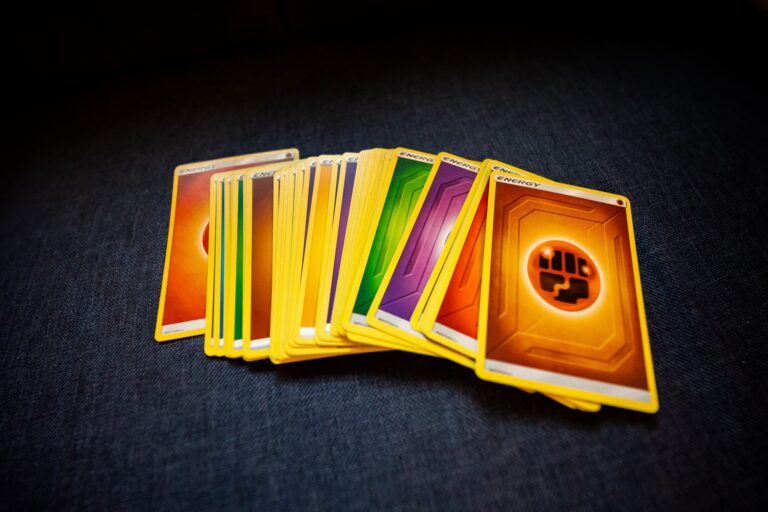
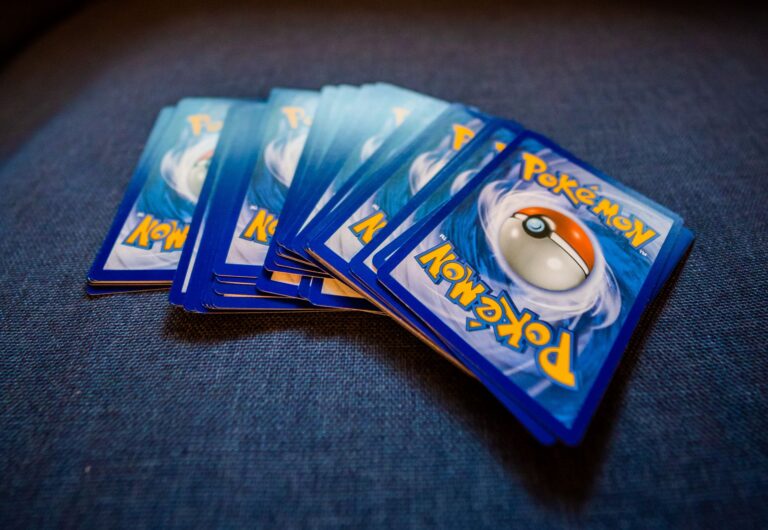
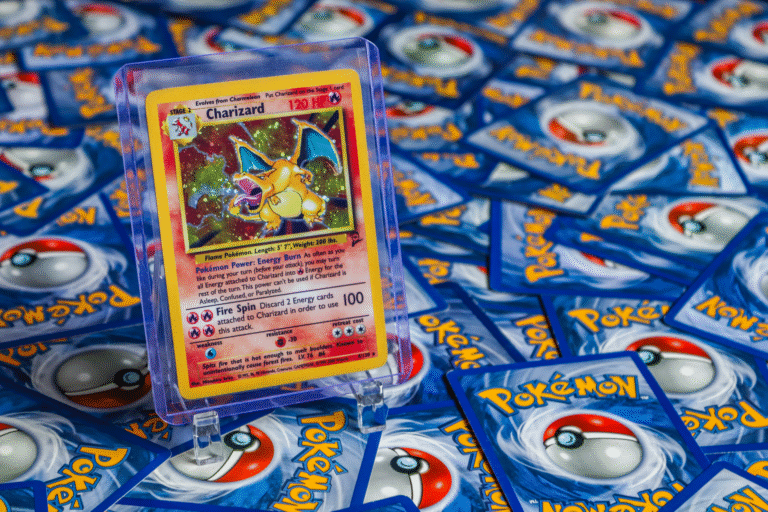
Common Base Set Pokémon cards are worth hundreds—sometimes hundreds of thousands—of dollars because of a perfect convergence of historical scarcity, nostalgia-driven demand, and the fundamental economics of a 25-year-old trading card game with finite inventory. A PSA 10-graded Base Set Charizard, one of the most sought-after cards from the original 151 Pokémon released in 1999, can fetch $15,000 or more in 2026. Even more remarkably, a PSA 10 1st Edition Shadowless Charizard sold for $550,000 in December 2025, while a PSA 10 Blastoise commanded approximately $88,000 in July 2025. These are not aberrations—they represent the upper end of a broader market where vintage Base Set holos consistently command four-figure prices, and even common non-holographic cards from the set maintain measurable value.
The reason prices have climbed so dramatically over the past five years comes down to supply meeting unstoppable demand. After more than two decades, the original Base Set cards are genuinely scarce. Millions of these cards were produced in 1999, but millions more were destroyed, water-damaged, lost in attics, or worn smooth through childhood play. The collector base, meanwhile, has exploded—driven partly by a surge in demand during 2020–2021 lockdowns that has only intensified through 2026. Adults who opened these packs as children now have the disposable income to chase near-mint copies graded by professional services like PSA, creating a secondary market where condition and provenance matter enormously.
Table of Contents
- Why Has Base Set Scarcity Increased Over 25 Years?
- The Grading Premium and Condition Economics
- Iconic Holographic Rares and Original Artwork Premium
- Print Variations and Edition Premiums
- The Nostalgia Effect and Sustained Market Demand
- Record-Breaking Sales and Market Velocity
- Market Trends and the Future of Base Set Pricing
- Conclusion
- Frequently Asked Questions
Why Has Base Set Scarcity Increased Over 25 Years?
When The Pokémon Company released base Set in 1999, they printed millions of cards. Production numbers were high, margins were tight, and nobody predicted the collecting fervor that would develop a quarter-century later. The problem is not that the cards were produced in limited quantities—it’s that they were produced as disposable products designed for children to play, trade, and discard. In the 27 years since release, the supply of mint-condition Base Set cards has only contracted. Cards left in attics have yellowed, warped, or been damaged by humidity and temperature swings. Cards played with were bent, creased, and faded.
Cards stored in basements were exposed to pests, moisture, and neglect. The professional grading industry, spearheaded by PSA, has only reinforced the value of cards in exceptional condition—a PSA 10 card commands 5–10 times the value of an ungraded card or one graded lower, because true gem-mint examples from a 27-year-old product are genuinely rare. Compare this to modern Pokémon card releases, which are produced in such high volume and readily available that the secondary market is flooded with near-mint copies. A 2024 Base Set reprint or a current-year expansion is easy to find in excellent condition because collectors and sealed-product investors are actively storing them. Original Base Set cards, by contrast, are vanishing from circulation at a measurable rate. Every PSA 10 1st Edition Charizard that sells for $15,000 leaves the market—and there are only so many to go around.
The Grading Premium and Condition Economics
The most counterintuitive aspect of Base Set pricing is how dramatically condition affects value. A Base Set Charizard in poor condition might be worth $20 to $50. The same card in near-mint condition, graded PSA 9, could fetch $5,000 to $8,000. Graded PSA 10—that perfect score—commands $15,000 and upward. This is not a linear relationship; it is exponential. The difference between a PSA 9 (very minor imperfection visible under magnification) and a PSA 10 (no visible defects even under 10x magnification) can represent a 3–5 times price jump. A PSA 8 card typically commands only 30–50% of the PSA 10 value.
This grading premium exists because PSA authentication and grading has become the universal standard for valuing high-end vintage cards. When a collector spends $15,000 on a Charizard, they are not just buying cardboard—they are buying the assurance that an independent third party has authenticated the card as original and assessed its condition on a standardized scale. The slab itself becomes proof of provenance. Without this certification, even a visually pristine card is hard to value and harder to resell. A warning worth understanding: grading can change market dynamics unpredictably. A card graded PSA 9 in 2020 will not be regraded to PSA 10 in 2026 just because market values have shifted. Conversely, if PSA were ever to tighten its grading standards or if a competitor emerged with more generous grading, historical PSA grades could lose their premium almost overnight. Condition is permanent, but the market’s interpretation of that condition can shift.
Iconic Holographic Rares and Original Artwork Premium
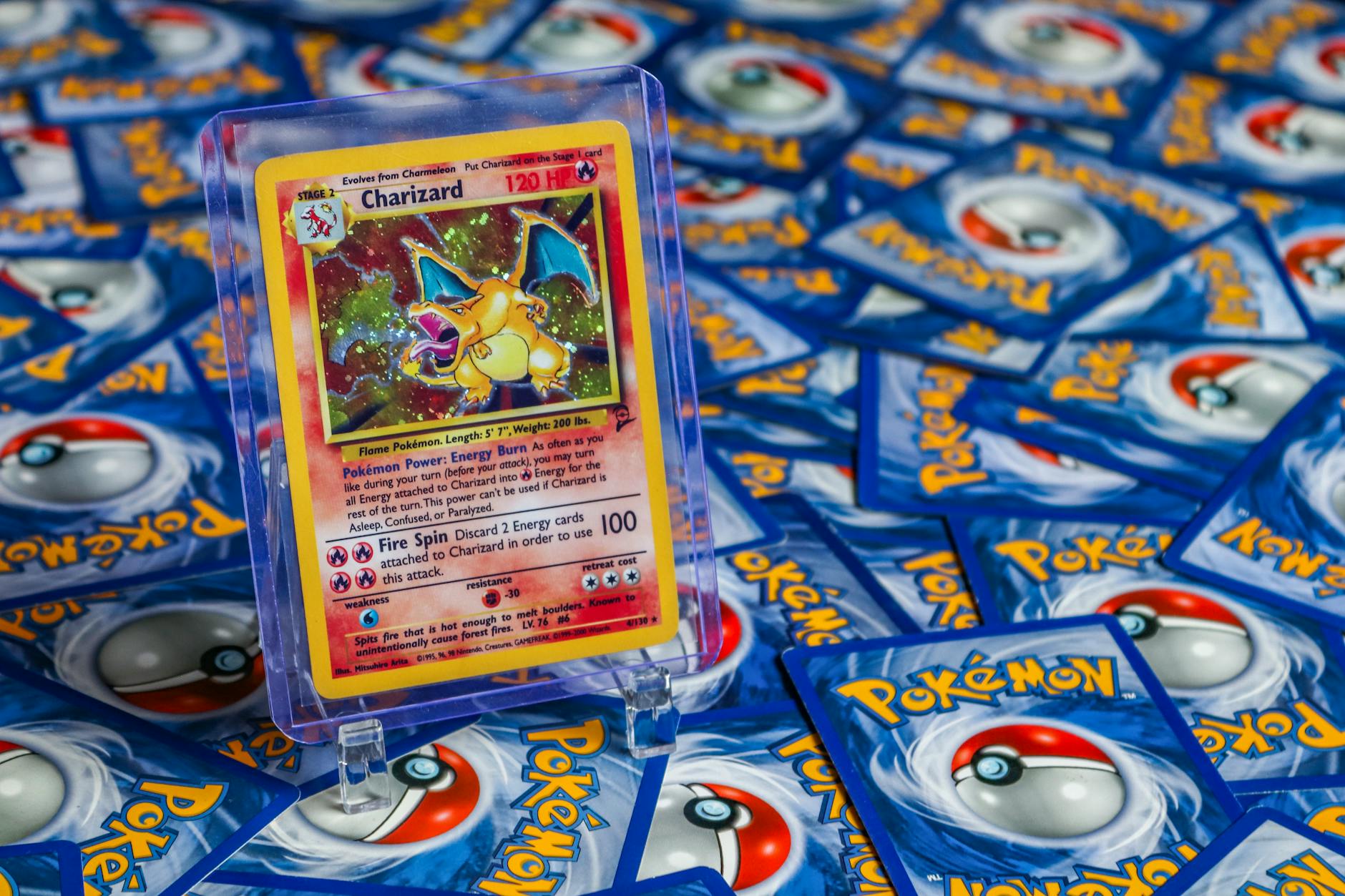
Not all Base Set cards are created equal. The holographic rare cards—especially the trio of Charizard, Blastoise, and Venusaur—dominate price discussions because they combine technical rarity with iconic artwork. These three cards were printed in substantially lower quantities than common or uncommon cards, and they feature the original artwork by Ken Sugimori and other legendary designers that defined the first-generation Pokémon aesthetic. A Base Set Charizard holographic in PSA 10 condition is not just a card; it is arguably the most recognizable pokémon card ever made, with a dragon flying through a cloud background that has been emblazoned on everything from booster boxes to video games to the memories of anyone who collected cards in the late 1990s. The value of these iconic holos is further amplified by their representation in pop culture. When Pokémon cards spiked in media attention around 2020–2021, the Charizard was the standard-bearer.
News articles about five-figure card sales almost always featured a Charizard. This media saturation increased demand among newcomers to the hobby, which pushed prices higher, which in turn generated more media coverage. By 2026, a Base Set Charizard PSA 10 has transcended the trading card market to become a recognizable symbol of collectible value in general—similar to a rare comic book or a mint-condition vintage baseball card. Other Base Set holos like Blastoise and Venusaur maintain substantial value, but the gap between Charizard and every other Base Set card is immense. A PSA 10 Blastoise sold for $88,000 in July 2025; a PSA 10 Charizard easily exceeds that. The lesson here is that collectible value is not rational—it is driven partly by relative scarcity, partly by condition, and partly by cultural resonance. A Blastoise is objectively as well-designed and as scarce as a Charizard, but it will always command less because fewer people grew up dreaming of collecting a Blastoise.
Print Variations and Edition Premiums
One reason Base Set cards have such a wide pricing range is that not all Base Set cards are the same print. The original Base Set went through multiple printing runs, each with distinct characteristics that affect value. The most valuable versions are Shadowless 1st Edition cards—the very first cards released to market in 1999, before The Pokémon Company added the word “Pokémon” in shadow text along the bottom edge, and before they added set numbers and edition markings. A Shadowless 1st Edition Charizard is rarer than a 1st Edition with shadows, which is rarer than an Unlimited printing. The pricing difference is stark: a Shadowless card can fetch 2–10 times the price of an Unlimited printing of the same card, depending on condition. Even collectors inside the hobby sometimes underestimate how much edition and printing variation matters.
An Unlimited Charizard in PSA 10 might be worth $300 to $500. A 1st Edition version of the same card might be worth $2,000 to $5,000. A Shadowless 1st Edition Charizard in PSA 10 could fetch $8,000 to $15,000. And the PSA 10 1st Edition Shadowless Charizard that sold in December 2025 for $550,000 was the rarest variant—a card with perfect provenance and absolute rarity. For new collectors entering the Base Set market, understanding these distinctions is crucial. A seller might advertise a “Base Set Charizard PSA 10” without clarifying the edition, and the buyer might assume they are purchasing the pinnacle of collectibility only to discover they own an Unlimited printing worth a fraction of the headline price.
The Nostalgia Effect and Sustained Market Demand
The second pillar supporting Base Set prices is straightforward nostalgia. The original 151 Pokémon featured in Base Set remain the most beloved generation, embedded into the cultural consciousness through decades of films, television, merchandise, and video game remakes. Adults in their 30s and 40s who collected these cards as children now have careers, disposable income, and a desire to reconnect with childhood. This demographic has proven willing to spend five or six figures on a single card if it represents a formative memory—the Charizard they wanted but never owned, the holographic Blastoise they pulled from a booster pack once in 1999. This nostalgia effect has proven remarkably durable.
The surge in Pokémon card demand that began in 2020 during pandemic lockdowns was expected by some observers to be a temporary bubble—a fluke driven by boredom and stimulus checks. Instead, prices have remained elevated and, in many cases, continued climbing through 2026. The reason is that nostalgia is not a passing emotion; it is a core part of human identity that strengthens with age. As more Millennials cross from their 20s into their 30s and 40s, the pool of high-spending nostalgic collectors is actively growing, not shrinking. Combined with the fixed supply of original Base Set cards, this creates a one-directional pressure on prices: more buyers with more money, chasing fewer and fewer high-condition cards. The limitation here is that nostalgia is also capricious—it can be challenged by emerging competitors or changing cultural preferences, but for the next 5–10 years, the Millennial demographic’s fondness for Gen 1 Pokémon is almost certain to sustain above-average prices.

Record-Breaking Sales and Market Velocity
The most visible indicator of Base Set card value is the string of record-breaking auction sales that have occurred since 2020. A PSA 10 1st Edition Shadowless Charizard sold for $550,000 in December 2025. A PSA 10 Blastoise sold for approximately $88,000 in July 2025. These are not flukes or outliers—they are the visible peak of a market where six-figure sales happen regularly for the rarest cards. The existence of these sales has a psychological impact on the broader collecting community. When someone reads that a Charizard sold for $550,000, it resets expectations about what “expensive” means in the context of Pokémon cards.
A $15,000 PSA 10 Charizard suddenly feels like a bargain by comparison. The record sales have also attracted investment capital to the Pokémon card market in ways that were unthinkable in 2010. Wealthy collectors and hedge funds now treat high-grade Base Set cards as alternative investments, similar to fine art or vintage sports memorabilia. This has professionalized the market, increased liquidity, and created price discovery mechanisms that were absent a decade ago. However, it has also created a cautionary tale: investment demand can evaporate as quickly as it appeared. When prices are driven partly by speculative investment rather than by genuine collector passion, downturns can be sharp. A collector who bought a PSA 10 Blastoise at $88,000 in July 2025 expecting to flip it for a $15,000 profit within months might face a slower market and lower resale prices if investor interest wanes.
Market Trends and the Future of Base Set Pricing
As of May 2026, the Pokémon card market continues to show signs of health. Market analytics indicate sustained collector investment demand, with recent data points like the Umbreon VMAX seeing 15% growth in market value. However, this growth is not universal across all cards—the market has become increasingly stratified. High-grade Base Set holos continue to appreciate, while bulk non-holographic commons and uncommons have stabilized or even declined in value. This bifurcation reflects a mature market where collectors are increasingly sophisticated, differentiating between genuinely scarce cards and mere bulk inventory.
Looking forward, Base Set card prices will likely remain elevated through the next 5–10 years, driven by the ongoing maturation of the Millennial demographic and the absolute scarcity of high-condition vintage cards. However, the explosive growth of 2020–2021 is probably behind us. As the population of PSA 10 Base Set cards stabilizes—fewer new gems are discovered and submitted for grading each year—the supply-and-demand equilibrium will settle. Prices may plateau or climb modestly, but the 10x and 20x gains that some collectors experienced during the initial surge are unlikely to repeat. The market has evolved from speculative frenzy to established collecting infrastructure, with values based increasingly on rarity, provenance, and condition rather than on hype or external market events.
Conclusion
Common Base Set Pokémon cards are worth hundreds to hundreds of thousands of dollars because they occupy a unique position in the collectible marketplace: they are products of a specific historical moment (1999), protected by absolute scarcity (27-year-old cardboard is rarely preserved in mint condition), and championed by a wealthy demographic (adult Millennials seeking to recapture childhood). A PSA 10 Base Set Charizard is not expensive because it is rare in absolute terms—millions were printed. It is expensive because it is rare in the only condition that matters: gem-mint, authenticated, and undamaged. Every year that passes, the supply of these cards contracts further as examples are lost to time, neglect, and collecting dead-ends.
For collectors considering entry into the Base Set market, the key takeaway is understanding the hierarchy of value: condition is paramount, followed by edition and printing variation, followed by card identity (holos command more than non-holos; Charizard commands more than everything else). A realistic entry point into Base Set collecting is to purchase cards graded PSA 8 or PSA 9 for $200 to $2,000 per card, rather than chasing PSA 10 gems that command five-figure prices. The market for high-condition Base Set cards has matured from speculative bubble to established collecting infrastructure—prices are likely to remain elevated and climb modestly, but the days of 10x gains in a single year are behind us. For those seeking both investment returns and genuine collecting satisfaction, Base Set offers both, but only for buyers who understand condition, rarity, and the constraints of a finite market.
Frequently Asked Questions
Are Base Set Pokémon cards a good investment?
High-grade (PSA 9–10) Base Set holos, particularly Charizard, have appreciated significantly since 2020 and are likely to remain elevated through 2026 and beyond, driven by nostalgia and scarcity. However, returns are unlikely to match the 10x–20x gains seen during 2020–2021. Cards graded PSA 8 or lower are less predictable investments and may appreciate more modestly.
Why is Charizard worth so much more than Blastoise?
Both cards are similarly scarce in their original print runs, but Charizard has greater cultural resonance—it is the most recognizable Pokémon in the collecting community and has dominated media coverage of high-value sales. Blastoise and Venusaur are equally well-designed but command lower prices due to relative lack of collector demand.
What does “Shadowless” or “1st Edition” mean?
Shadowless refers to the earliest print run of Base Set (1999), before shadow text was added below the Pokémon name. 1st Edition means first printing, as opposed to Unlimited (later printings). Shadowless 1st Edition cards are rarer and worth 2–10 times more than Unlimited printings of the same card.
How much does PSA grading cost and is it worth it?
PSA grading typically costs $10–$100+ per card depending on turnaround time and card value. For cards worth $500 or more, professional grading is generally worth the cost because it dramatically increases resale value and provides authentication. For cards under $200, the grading cost may exceed the value increase.
Can I profit by buying PSA 9 Base Set cards and holding them?
Yes, but with expectations reset. PSA 9 cards in the $1,000–$5,000 range have appreciated modestly (5–15% annually) since 2021, and may continue to appreciate at this rate. However, rapid flipping for large profits is unlikely. Patient long-term collectors have done well; short-term speculators have had mixed results.
Are newer Pokémon cards a better investment than Base Set?
No. Newer cards are produced in much higher volumes and are easily obtainable in near-mint condition, which limits scarcity and price appreciation. Base Set’s 25+ year age and finite supply create scarcity that newer cards cannot match. However, newer high-grade cards do appreciate and may be a lower-cost entry point for new collectors.