Yes, Base Set energy cards can absolutely become nostalgic collectibles, though perhaps not in the way traditional holos or chase cards do. The nostalgia factor is already present for anyone who opened Base Set boosters in 1999 or 2000—pulling those basic yellow Electric energy cards triggered the same dopamine hit as any holographic charizard. The real question isn’t whether they’ll be nostalgic, but whether collectors will be willing to pay premiums based on that nostalgia rather than treating them as essentially worthless bulk. For a player who spent hundreds of hours building Base Set decks, those energy cards represent something valuable: the bridge between concept and gameplay, the physical proof that you actually owned enough cards to play competitively.
The path to energy card collectibility depends entirely on scarcity perception and emotional attachment overriding utility. Base Set energy cards were printed in massive quantities—millions of them were distributed through booster packs and starter decks. Unlike holographic cards that were chased specifically as collectibles, energy cards were functional components that many players used, wore out, and discarded. This means survivor count for mint or near-mint Base Set energy cards may actually be lower than people assume, creating an unintended scarcity. The collectors driving this nostalgia cycle will likely be millennial and Gen X players who actually lived through the early 2000s card boom, not newer collectors buying Base Set for investment purposes.
Table of Contents
- Why Base Set Cards Generate Nostalgic Attachment
- The Current Market Reality and Perception Problem
- Collector Psychology and Nostalgia Economics
- Collecting Strategy and the Tradeoff Between Nostalgia and Value
- Market Risks and the Sustainability Question
- Condition, Grading, and Collectible Viability
- The Forward-Looking Trajectory for Base Set Energy
- Conclusion
Why Base Set Cards Generate Nostalgic Attachment
base Set represents the foundational experience for an entire generation of pokemon fans. Released in 1999, it was the first exposure to Pokemon cards for most Western collectors, and the set carries cultural weight that subsequent sets simply cannot replicate. The art style, the card stock, the exact design elements—these aren’t just cards, they’re time capsules. When someone mentions “Pokemon cards,” many people’s minds immediately flash to Charizard, but Base Set collectors know the whole ecosystem: the Blastoise, the Venusaur, the Hitmonchan, and yes, even the Energy cards that powered those legendary creatures.
The nostalgia factor for energy cards specifically comes from their role in the actual play experience. A player who assembled a Base Set Charizard deck in 2000 probably hand-sorted through dozens of energy cards, making decisions about which version of the fire energy card to include based on the artwork they preferred. That emotional decision—choosing between two nearly identical fire energy cards because one had slightly better illustration—creates a connection that’s separate from card value. Energy cards from Base Set now carry the weight of “I held this card and made decisions with it,” which is far more emotionally resonant than “I pulled this from a pack 25 years ago.”.
The Current Market Reality and Perception Problem
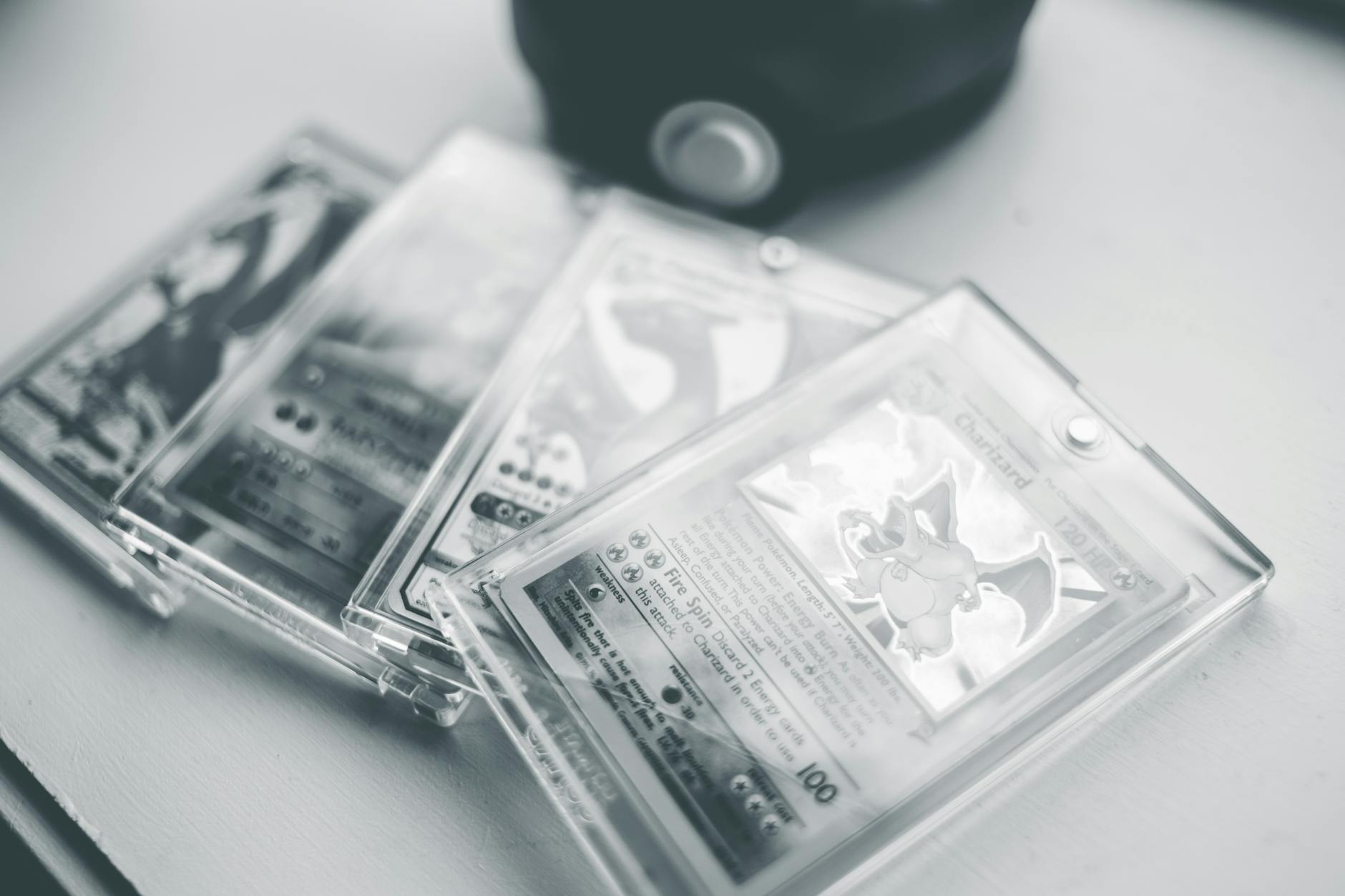
Today, Base Set energy cards are treated as near-worthless bulk by the vast majority of the market. A pack-fresh, graded Base Set energy card might fetch $5–15 depending on the specific energy type and condition, while non-graded examples often sell in bulk lots for pennies per card. Professional graders like PSA and BGS have only recently started grading energy cards seriously, treating them as collectible items rather than filler. This represents a fundamental shift: the market is beginning to separate “these cards have monetary value” from “these cards will be discarded.” That distinction is crucial for energy cards to transition from bulk to genuine collectibles.
The limitation here is brutal: most Base Set energy cards in existence are not in collectible condition. Tens of millions were played, creased, damaged, and destroyed. The graded population of Base Set energy cards is tiny compared to holographic cards from the same set. If a PSA 10 Base Set Charizard is worth thousands, a PSA 10 Base Set Fire Energy probably can’t command more than $50-100 right now, even though raw survivorship of mint examples might actually be lower for the energy card. This perception gap is the real hurdle—collectors need to believe energy cards *deserve* premium pricing before the market will pay it.
Collector Psychology and Nostalgia Economics
Nostalgia operates on emotional logic that often defies rational economics. A collector who spent $2 on a Base Set booster pack in 1999 might have pulled a Fire Energy card that was essential to their favorite deck. Thirty years later, that same person has disposable income and genuine sentiment tied to that card. They’re not collecting it as an investment—they’re collecting it as a memory. This is how categories like vintage sports programs, old baseball cards of utility players, and other “worthless” items develop cult followings: emotional value creates a ceiling price that doesn’t correlate with scarcity or utility.
The warning here is distinguishing between manufactured nostalgia and organic nostalgia. Newly opened Base Set products (whether recent reprints or old stock) produce energy cards that are technically Base Set but lack the 25-year story. A collector buying fresh Base Set energy cards today isn’t activating that millennial nostalgia—they’re buying reproduction nostalgia. The energy cards that will actually capture this market are the ones with provenance: cards from original print runs, from collections held for decades, from the actual era when these cards mattered. Sellers attempting to capitalize on nostalgia without that authentic provenance will find their listings stagnate.

Collecting Strategy and the Tradeoff Between Nostalgia and Value
If you’re genuinely interested in Base Set energy cards as collectibles, the strategy differs sharply from traditional Pokemon card collecting. Rather than focusing on individual condition grades, successful energy card collectors are likely to pursue complete sets: all 15 energy types from Base Set in matching grades. This shifts the value proposition from “is this single card rare?” to “does this collection tell the story of what I owned?” A graded set of all Base Set energy types in PSA 8 condition might eventually command $300-500 as a cohesive collection, even though individually each card might be worth $20. The tradeoff is that you’re accepting lower per-unit appreciation potential in exchange for stronger narrative and emotional resonance.
Another strategic approach involves hunting for specific energy cards with printing variations or error status. Base Set actually contains multiple printings with subtle differences—shadowless versions, first edition stamps, and variations in text or centering. An energy card with a notable variation might develop collector following not because of what it does, but because it represents a documentation point in print history. The limitation of this approach is that energy card variations are poorly documented compared to holographic cards, so you’re essentially gambling on whether future collectors will care about a particular variation.
Market Risks and the Sustainability Question
The biggest risk to Base Set energy cards as collectibles is that the nostalgia cohort is finite and aging. Players who were actively collecting in 1999-2001 are now in their 40s and 50s. As this generation eventually exits the hobby, the emotional attachment to Base Set energy cards could evaporate entirely, leaving a market with no inherent demand. Younger collectors who didn’t experience Base Set as it was released won’t have the same attachment—they’ll see energy cards as utility items, not personal memories. Without multigenerational appeal, nostalgia-driven collectibles can crash hard once the sentimental driver leaves the market.
A second warning involves grading inflation and CGC/PSA market saturation. If thousands of Base Set energy cards get submitted for professional grading, it becomes clear how many actually exist in high grades. Right now, the scarcity of graded Base Set energy cards creates artificial premium pricing. Reveal that thousands exist in PSA 9 or 10 condition, and the market narrative collapses. Energy cards haven’t been aggressively graded historically, so we don’t have accurate baseline data on survivor rates. This means early buyers are gambling on a market thesis that could be disproven by supply data.
Condition, Grading, and Collectible Viability
Base Set energy cards graded as PSA 9 or 10 represent genuine rarities from a survivor standpoint, precisely because collectors never graded them originally. Most Base Set energy cards that were kept were kept in collections, meaning they avoided excessive damage but also weren’t preserved with the care that modern collectors give their holos. A PSA 10 Base Set energy card is functionally rarer than a PSA 10 Chansey or Mr. Mime from the same set, because nobody was carefully preserving energy cards.
This inversion—where a “worthless” card is actually harder to find in mint condition—creates an opportunity for collectors who understand the actual survivor economics. An example: the Base Set Grass Energy card (often overlooked despite fine artwork) in PSA 10 represents a specific type of rarity: it was used, kept, but never deliberately preserved. Finding one in unplayable mint condition takes luck, which is exactly what creates collectible value. The limitation is that this rarity is accidental rather than intentional, making it a harder narrative to market to mainstream collectors. You’re essentially arguing that energy cards became rare *because nobody cared about them*, which is the opposite of traditional collectible logic.
The Forward-Looking Trajectory for Base Set Energy
Over the next decade, expect to see a gradual separation between Base Set energy cards that remain bulk and those that develop collector premium pricing. The separation will likely happen along two lines: (1) rare variations or exceptional grades that exceed expectations, and (2) collector cohorts organizing around set completion or nostalgia narratives. PSA and other graders will likely establish clearer pricing benchmarks for energy cards, replacing current speculation with actual data.
When that happens, the market will either confirm that Base Set energy cards deserve $20-50 per card in high grades or reset to a much lower baseline. The future viability of Base Set energy cards as collectibles ultimately rests on whether the broader Pokemon card market decides that preservation and grading of “common” cards is culturally valuable. If that consensus forms—if collecting energy cards becomes an acceptable hobby pursuit rather than an ironic joke—then Base Set energy cards will transition from nostalgic novelty to legitimate collectible category. The timeline for that shift is measured in years, not months, and it will be driven by collector culture more than financial incentives.
Conclusion
Base Set energy cards will almost certainly become nostalgic collectibles within their specific collector subset, driven by genuine emotional attachment from players who actually used these cards 25 years ago. However, “nostalgic collectible” and “valuable investment” are not the same thing. A Base Set Fire Energy card might be cherished and preserved by someone who built decks with it in 2000, but that sentiment doesn’t automatically translate to market premium pricing.
The cards will exist in that ambiguous space where they’re worth more than absolute zero to the right collector, but never approach the pricing structure of holographic cards. If you’re considering Base Set energy cards as an investment or collection focus, approach them with realistic expectations: they’re a long-term, niche play that will appeal strongly to a specific emotional demographic and potentially remain invisible to mainstream Pokemon card collectors. The genuine opportunity is in high-grade, low-population cards or complete sets that tell a coherent story. Start by asking whether you actually have emotional attachment to these specific cards, because that’s the only reliable source of demand in the foreseeable future.
You Might Also Like
- Could PSA 10 Base Set Cards Become Million-Dollar Collectibles?
- Could Base Set Pokémon Cards Become the Most Recognized TCG Collectibles Ever?
- Why Pokémon Base Set Cards May Become Scarcer in Clean Condition Every Decade