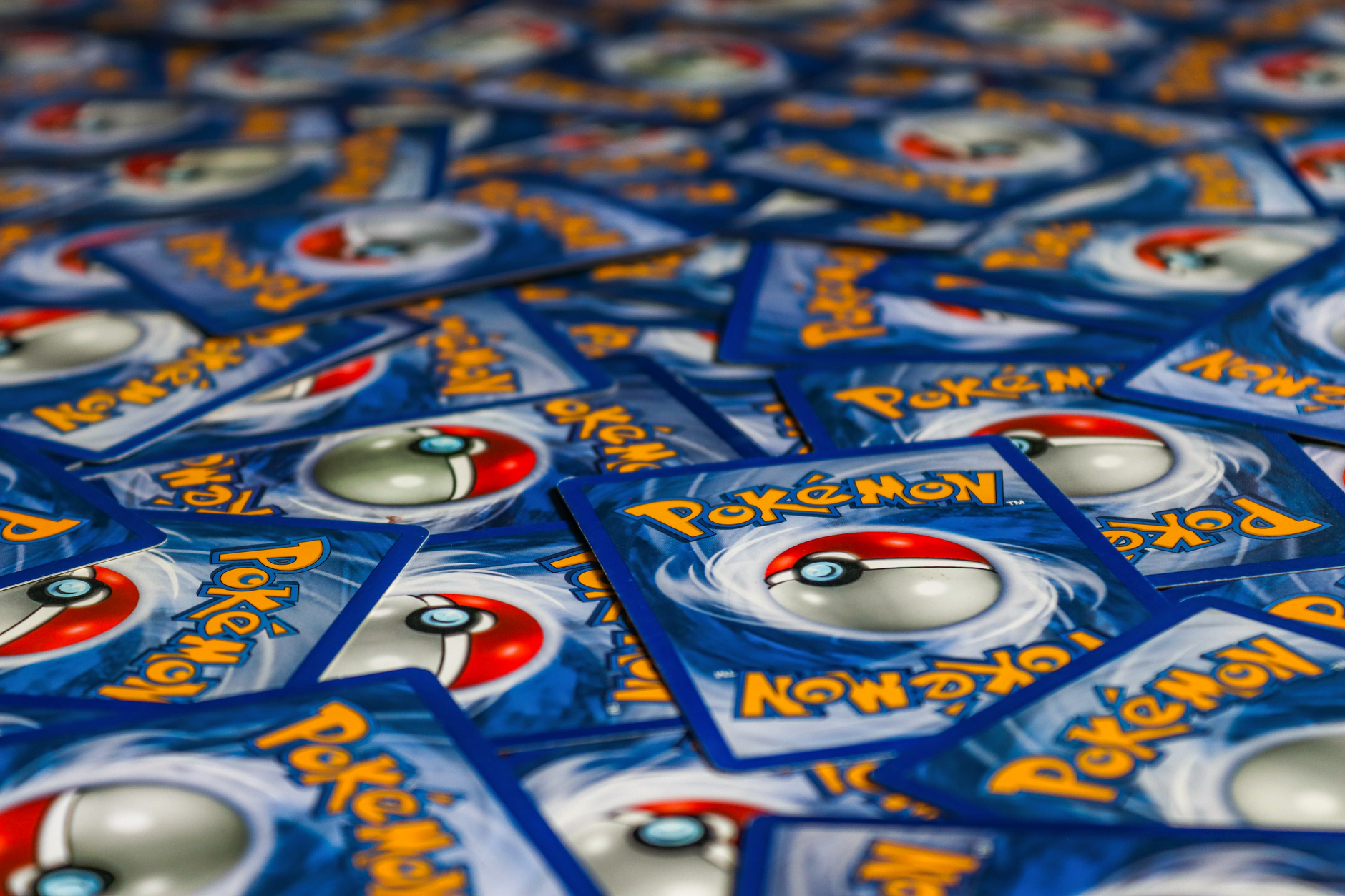
A 1999 Pokémon Base Set Unlimited #63 Squirtle card is worth around $400 when it’s graded PSA 8 or PSA 9—essentially, when it’s in near-mint to mint condition with official third-party authentication. This price point represents a dramatic leap from the $5-$16 you’d pay for the same card in lower grades, which shows how heavily condition weighs on value in the vintage Pokémon card market. The specifics matter enormously: a raw, ungraded Squirtle in moderately played condition might fetch only $2-$5, while that same card professionally graded as PSA 9 (Mint condition) can sell for $118 and above at auction, with PSA 8 examples commonly reaching the $400 range.
The jump in price reflects both scarcity and certification. Most Squirtle cards from the original 1999-2000 print run were actually played with by children, which means finding one that survived three decades in near-mint condition is genuinely unusual. When you add a PSA grade to the mix—essentially a third-party guarantee of authenticity and condition—collectors are willing to pay substantially more for that peace of mind.
Table of Contents
- How Card Grading and Condition Drive Squirtle’s $400 Value
- Why Most 1999 Base Set Squirtles Are Worth Far Less
- Base Set Nostalgia and Iconic Status Drive Demand
- How to Evaluate Whether Your Squirtle Card Is Actually Worth $400
- Authentication and Counterfeiting Risks
- Comparing Squirtle to Other Base Set Commons and Uncommons
- Investment Perspective and Long-Term Outlook
- Conclusion
How Card Grading and Condition Drive Squirtle’s $400 Value
Pokémon cards are graded on a 10-point scale by services like PSA, with each step representing visible wear. A PSA 6 (Excellent-Mint) means the card has some minor wear but looks sharp overall—and sells for around $16. A PSA 9 (Mint) means virtually no visible defects, and that same card jumps to $118+. The difference isn’t subtle: jumping from a PSA 6 to a PSA 9 represents roughly a 7x price increase, which is why collectors obsess over grades. That $400 price you’re seeing most likely corresponds to a PSA 8 (Near Mint-Mint) Squirtle, which sits right in the sweet spot of desirability.
At this grade, the card looks nearly perfect to the naked eye—sharp corners, clean surface, centered print—but may have one or two tiny flaws that prevent it from reaching a perfect 10. For vintage cards from 1999, achieving a PSA 8 is genuinely impressive and reflects how well that specific card survived twenty-five years. The grading process itself adds value because it removes guesswork. A raw card might be in great condition, but without authentication, buyers can’t be certain. PSA-graded cards come sealed in a tamper-proof holder with a unique serial number, which makes them easier to buy and sell, particularly at higher price points where people need confidence they’re getting what they paid for.
Why Most 1999 Base Set Squirtles Are Worth Far Less
The reason a $400 Squirtle is notable is that the vast majority of surviving 1999 Base Set cards are worth nothing close to that amount. Pokémon’s 1999 release was a phenomenon that reached mainstream audiences, meaning millions of kids opened these cards and played with them. They got shuffled in deck boxes, bent, creased, dropped, and exposed to sun and moisture. Finding a Squirtle that survived that era in genuinely playable condition is already rare; finding one in near-mint condition is exceptionally scarce. Most Squirtle #63 cards currently in circulation grade at PSA 5 or lower (Fair to Excellent condition), which means they sell for $1-$10 depending on exact wear patterns.
Even a card in visually good condition—clean, straight, no major damage—will often grade as PSA 6 or 7 because professional graders are extremely exacting about centering, corners, and surface wear. A single visible crease, slight waviness in the paper, or a minor print defect can drop a card an entire grade, which directly translates to tens or hundreds of dollars in lost value. One limitation to understand: once a card is damaged, that damage is permanent. You cannot improve a card’s grade by cleaning it or repairing it—in fact, attempting restoration will generally disqualify it from grading entirely or result in a lower grade if evidence of tampering is detected. This means if you own a Squirtle that’s in poor condition, expecting it to appreciate to $400 is unrealistic.
Base Set Nostalgia and Iconic Status Drive Demand
Squirtle holds special significance in the Pokémon franchise as one of three starter Pokémon (alongside Bulbasaur and Charmander) that defined the entire series. Many collectors in their 30s and 40s grew up with these exact cards and have the spending power to pursue high-grade versions as adults. This nostalgia, combined with Base Set’s designation as the original English Pokémon Trading Card game release, creates persistent demand that supports higher valuations. The 1999 Base Set Unlimited release (distinguished from the earlier Limited Edition run by its simpler print line at the bottom) remains the most accessible way to own vintage Pokémon cards, which keeps collector interest steady.
Unlike truly rare cards that only a handful of wealthy collectors pursue, Base Set Squirtle appeals to a much broader audience, which means active buying and selling. A PSA 8 Squirtle #63 has a ready market of buyers at $400, whereas some hyper-rare variants might sit unsold for months or years at inflated prices. Squirtle’s iconic status also means it appears consistently in price guides and auctions, so the $400 value point is established through actual market transactions rather than speculation. You can find recent PSA 8 sales at or near that price, which suggests it’s a realistic market price rather than a wishful asking price from a collector who overvalues their card.
How to Evaluate Whether Your Squirtle Card Is Actually Worth $400
If you own a Squirtle #63 from the base set, reaching the $400 value point requires meeting several specific criteria simultaneously. First, the card must be from the Unlimited printing (identified by the solid line under the text at the bottom of the card), not the rarer Limited Edition version. Second, it must grade at least PSA 8—which means it needs to look nearly perfect with only microscopic flaws, excellent centering, sharp corners, and a clean surface. Third, you’d need to submit it to PSA for grading, which costs $20-$100 depending on turnaround time, and there’s no guarantee it will achieve an 8 or higher. A practical warning: if your Squirtle looks “pretty good” to you—no creases, no stains, prints look solid—it still might grade as a 6 or 7 in professional hands.
Grading is highly standardized but subjective in the details, and different cards can grade differently even when they appear similar to the naked eye. A card you think deserves a 9 might receive an 8, or even a 7. If grading costs you $50 and your card grades as a PSA 6 (worth $15-$20), you’ve just spent more on authentication than the card is worth. The trade-off is that if you have a legitimately high-grade card, the PSA seal and slab make it far easier and safer to sell—you can list it on eBay or a hobby site with photographic proof, and serious buyers will trust the grade. Without grading, even a genuinely beautiful card is harder to sell at premium prices because buyers naturally assume ungraded vintage cards have hidden flaws.
Authentication and Counterfeiting Risks
As Pokémon cards have appreciated in value, counterfeits have become more sophisticated. This is one reason professional grading services like PSA matter: a sealed PSA slab with a hologram and serial number provides proof of authenticity that a raw card cannot. If you’re buying a $400 Squirtle, purchasing one that’s already PSA-graded eliminates counterfeiting risk entirely. If you’re considering buying a raw card for significantly less and having it graded yourself, understand that you’re taking on authentication risk—and if the card turns out to be counterfeit, you’ve wasted money on both the card and the grading fee.
Another common pitfall is overestimating your card’s grade. Collectors frequently discover that cards they’ve preserved carefully still grade lower than expected because professional graders focus on factors that aren’t always obvious in casual viewing—print registration, centering, surface finish, and corner wear. A card that looks “mint” to your eye might have slight wear that a magnified examination reveals, resulting in a grade one or two points lower than hoped. This expectation gap is why grading your own collection blindly (without researching what different grades actually look like) often leads to disappointment.
Comparing Squirtle to Other Base Set Commons and Uncommons
Squirtle #63 is a common card (denoted by the little circle symbol on the card), and all commons from Base Set Unlimited follow roughly similar value patterns: around $2-$5 raw, $15-$25 for PSA 6, and $100-$400+ for PSA 8-9 depending on the specific card. This pricing framework applies to other commons like Pikachu, Meowth, and Growlithe. What varies is demand: Pikachu, being the franchise mascot, tends to command slightly higher prices at every grade.
Squirtle, while beloved, is slightly more common in collector demand than some other starters. A useful comparison: a PSA 9 Base Set Pikachu #25 might fetch $200-$300, while a PSA 9 Squirtle might bring $118-$150. The difference isn’t massive, but it shows that even iconic cards have their own market hierarchy. If you’re considering selling a high-grade Squirtle, checking recent sold listings on eBay and auction sites for the exact grade gives you a more accurate valuation than relying on price guides, which can lag behind current market activity.
Investment Perspective and Long-Term Outlook
Vintage Pokémon cards, particularly from the original Base Set, have shown strong long-term appreciation over the past decade as the collector community has aged into higher disposable incomes. High-grade Base Set cards that sold for $100 in 2015 might now sell for $300-$500, depending on the card. This trend suggests that a PSA 8 Squirtle at $400 today could appreciate further if demand continues, though appreciation is not guaranteed and collector trends can shift.
That said, investing in individual cards is riskier than holding large collections or recognized high-value cards like Charizard or Blastoise holo versions. A Squirtle commons card is ultimately fungible—many examples exist, and if collector interest shifts away from commons and toward rare holos, values could stagnate or decline. For most collectors, the appeal of a $400 Squirtle is personal (owning a near-perfect version of a nostalgia card) rather than financial gain. If you’re considering purchasing one, factor in the cost of ownership—storage, insurance, and grading maintenance if you ever need to resubmit—against your actual interest in the card itself.
Conclusion
A 1999 Pokémon Base Set Unlimited #63 Squirtle commands a $400 price tag when professionally graded as PSA 8 or PSA 9 because it combines three factors: extreme scarcity (most 1999 cards were played with and damaged), official authentication (PSA grading provides proof of condition and authenticity), and sustained collector demand (nostalgia for the original Base Set and Squirtle’s iconic status). The value scales dramatically with grade—a raw card might be worth $3, while a PSA 6 version is worth $16, creating a clear incentive to preserve these cards well.
If you own or are considering purchasing a high-grade Squirtle, remember that reaching PSA 8 condition is genuinely rare for a card from 1999, grading costs money and doesn’t guarantee the grade you expect, and the $400 valuation is only realistic for cards that actually achieve that high professional grade. The market for these cards is active and real, but condition is everything—a Squirtle in good condition is worthless relative to one in near-mint condition, which is the nature of the vintage collectible market.
You Might Also Like
- 1999 POKEMON GERMAN BASE SET 1ST ED BLASTOISE CGC 9 – Are German First Editions Worth a Lot Too?
- 1999 POKEMON BASE SET 1ST ED – THIN STAMP BLASTOISE BGS 8.5 – Value for This Week: May 25–31, 2026
- How Much is a 2000 POKEMON GAME BASE II #4 CHARIZARD-HOLO PSA 5 Card Worth – Week of 5/25/2026 Update