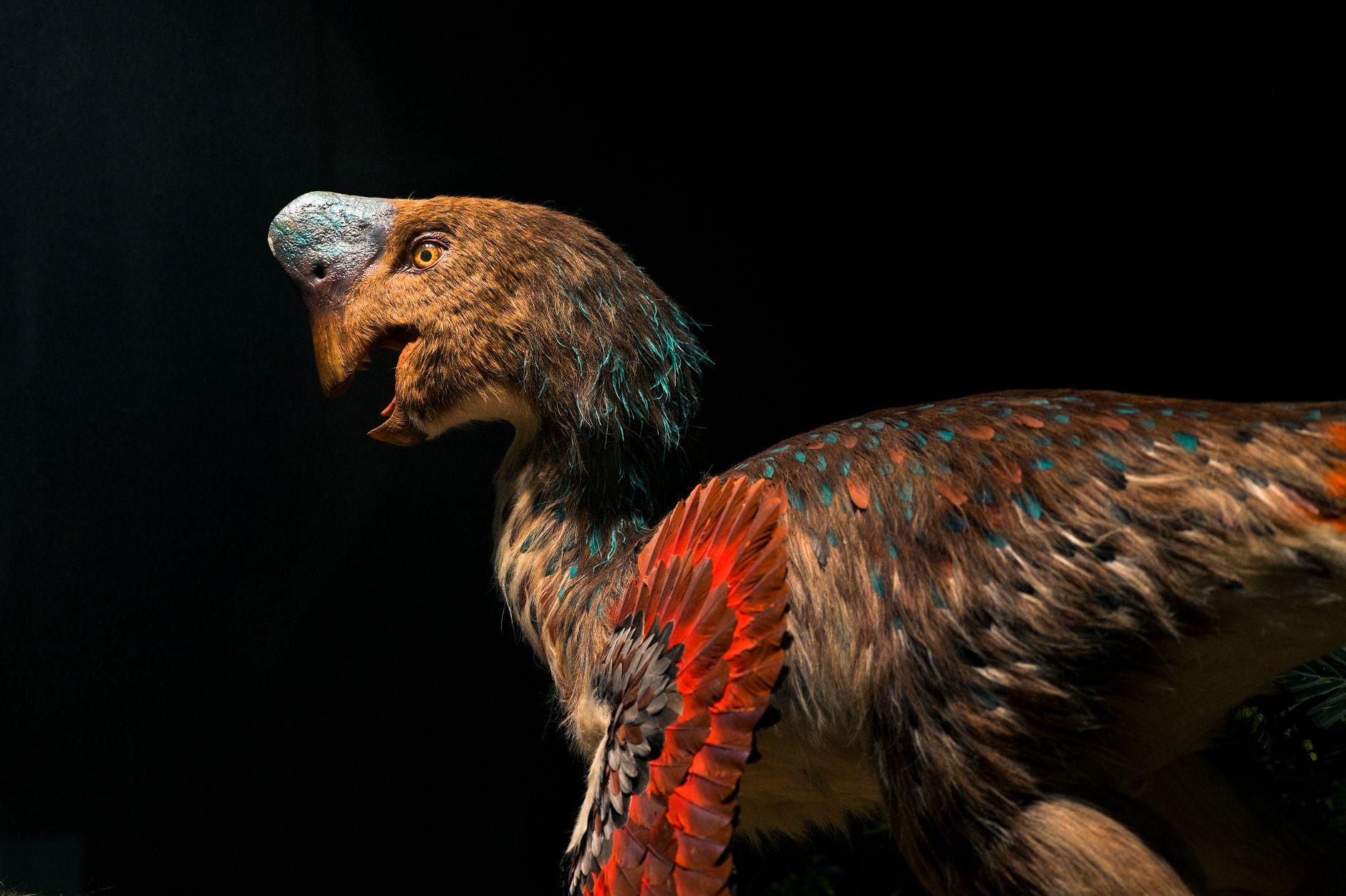
Pokémon can make paleontology significantly more interesting for kids by creating a bridge between fictional creatures and real prehistoric animals, allowing children to engage with science through a lens they already love. When a child collects a fossil Pokémon card—say, an Aerodactyl or Tyrantrum—they’re holding a tangible connection to actual paleontology concepts. This connection matters because kids are more motivated to learn about real dinosaurs and ancient life when they see parallels to Pokémon species they already care about, turning abstract scientific concepts into concrete, collectible interest.
The mechanism is straightforward: Pokémon’s design draws heavily from real paleontological discoveries. Tyrantrum is directly inspired by Tyrannosaurus rex, Archeops mirrors Archaeopteryx (a crucial link between dinosaurs and birds), and Cranidos is based on prehistoric pachycephalosaurs. When kids recognize these connections, they naturally become curious about the actual creatures, creating a pathway from entertainment into genuine scientific literacy. A child who starts by collecting fossil-themed cards often ends up reading about the real animals, watching paleontology documentaries, or even visiting natural history museums—a journey that begins with cardboard and curiosity.
Table of Contents
- Why Do Kids Respond Better to Paleontology Through Pokémon?
- The Design Accuracy Challenge and Educational Boundaries
- Fossil Pokémon as Gateway Artifacts for Museum Visits
- Teaching Kids to Distinguish Between Fiction and Paleontology
- The Misinformation Risk and How to Mitigate It
- Fossil Pokémon Cards as Collectible Learning Tools
- The Future of Pokémon-Paleontology Educational Integration
- Conclusion
Why Do Kids Respond Better to Paleontology Through Pokémon?
Children learn more effectively when information connects to existing interests, and pokémon occupies a dominant place in many young people’s minds. Paleontology, by contrast, can feel abstract and distant—dinosaurs lived millions of years ago, and kids might struggle to understand why that matters. Pokémon collapses that gap by making paleontology feel immediate and personal. When a child holds an Alolan Exeggutor card and learns that its long-necked design was inspired by sauropods, they’ve suddenly made paleontology relevant to their current life. The comparison is instructive: traditional paleontology education often relies on textbook descriptions and museum exhibits, which require active travel and may feel like obligatory school trips. Pokémon brings paleontology into the child’s hands, their bedroom, and their conversations with friends.
A kid trading fossil Pokémon cards with classmates is simultaneously teaching each other about real prehistoric biology. The social element—the collectibility and rarity of fossil Pokémon cards—creates intrinsic motivation that worksheets and classroom lectures rarely achieve. However, there’s a limitation worth noting: Pokémon designs are exaggerated and often inaccurate compared to real paleontological findings. Tyrantrum has a crown of horns that T. rex never possessed; Archeops is far more robustly built than the actual Archaeopteryx. Kids who engage with paleontology through Pokémon need to be guided toward understanding that the Pokémon is an artistic interpretation, not a scientific document. Without this guidance, children may develop misconceptions about prehistoric animals.

The Design Accuracy Challenge and Educational Boundaries
Pokémon’s designers deliberately prioritize visual appeal and gameplay balance over strict paleontological accuracy, which creates both an opportunity and a pitfall. The opportunity is exactly what we discussed: accessibility and engagement. The pitfall is that kids may internalize inaccurate details as fact. For example, many fossil Pokémon are depicted with oversized heads, exaggerated teeth, or features that never existed in the real animals. Omanyte and Omastar, inspired by ammonites, sport tentacles and shells that diverge significantly from paleontological evidence. This challenge requires an active approach from parents and educators.
Simply exposing a child to Pokémon and hoping paleontological interest follows isn’t enough; the adults in a child’s life need to actively scaffold that learning. When a child brings home a Kabutops card, a parent might say, “Let’s look up what the real creature—a trilobite—actually looked like” or “This Pokémon is inspired by eurypterids, which were like underwater scorpions. Want to see a picture?” This guided discovery transforms Pokémon from a potential source of misinformation into a springboard for deeper learning. A real limitation here is that not all educators and parents have the paleontological knowledge to make these corrections. A teacher or parent unfamiliar with paleontology might not catch inaccuracies, or might even reinforce them. There’s also the risk of authority confusion: if a child trusts Pokémon’s depictions implicitly and then encounters contradictory information, they may become skeptical of the actual science rather than the Pokémon interpretation. This is why context and guidance matter more than the Pokémon exposure itself.
Fossil Pokémon as Gateway Artifacts for Museum Visits
Fossil Pokémon cards function as effective gateways to natural history museum visits. A child who collects Lileep and Cradily cards becomes curious about the real prehistoric creatures they’re based on—crinoids and sea lilies. That curiosity often translates into requests to visit museums where families can see actual fossils. Museums report that children frequently ask to find exhibits matching Pokémon they collect, creating a directed, motivated learning experience. This phenomenon has documented real-world impact. Natural history museums have begun creating special exhibits and educational materials that explicitly reference Pokémon fossil connections.
Some museums now use Pokémon comparisons in their signage and educational programs, recognizing that the connection drives attendance and engagement among younger visitors. A child standing in front of a genuine Archaeopteryx fossil, then looking at an Archeops card in their collection, is having a rich, multi-sensory learning experience that integrates entertainment, science, and physical artifact interaction in ways that traditional paleontology education rarely matches. The practical example extends to fossil hunting and collecting itself. Some families who become interested in paleontology through Pokémon go on to participate in real fossil hunting experiences or rock and mineral collecting hobbies. These hands-on activities deepen understanding and create lasting connections to paleontological science. The progression—Pokémon card, museum visit, fossil collecting—is a legitimate educational pathway that begins with entertainment but culminates in real scientific engagement.
Teaching Kids to Distinguish Between Fiction and Paleontology
The most effective use of Pokémon for paleontological education involves explicitly teaching children how to identify what’s real and what’s invented. This requires a comparative approach: showing a child an actual Archaeopteryx fossil or image, then showing them an Archeops card, and discussing what’s been changed and why. Pokémon designers made Archeops larger, more colorful, and more aggressive because those traits make for engaging gameplay and visuals, not because they’re paleontologically accurate. A practical teaching method is to create a comparison chart with a child: “Here’s what we know about the real creature” in one column, and “Here’s how Pokémon changed it” in another. Why did they make this change? Usually the answer involves game balance, visual distinctiveness, or simply aesthetics. This exercise teaches critical thinking—children learn to evaluate sources, recognize artistic license, and appreciate why accuracy matters in some contexts but is intentionally altered in others.
It’s a lesson with applications far beyond Pokémon, teaching media literacy and scientific reasoning simultaneously. The tradeoff is time and effort. This approach requires more parental or educational involvement than simply letting a child collect cards passively. A parent who buys their child fossil Pokémon cards and leaves it at that has taken advantage of the engagement factor but missed the educational opportunity. However, the investment is relatively small: fifteen minutes comparing a real fossil to a Pokémon card, or a museum visit with specific fossil lookups, yields significantly deeper learning than passive consumption. The time-to-learning-value ratio is favorable compared to traditional paleontology education formats.
The Misinformation Risk and How to Mitigate It
One genuine warning: without active guidance, Pokémon can create or reinforce paleontological misconceptions. Children absorb visual information rapidly and may retain Pokémon’s depictions more readily than corrected information. If a child’s only exposure to what an Allosaurus looks like is through an Alola Ninetales card (which isn’t even a real dinosaur comparison, but illustrates the point), they’ll develop an incorrect mental image. The Pokémon Company isn’t in the business of paleontological accuracy; they’re in the business of creating visually distinct, collectible creatures. The risk is compounded in educational settings where teachers lack paleontological expertise.
A well-meaning teacher might use Pokémon as a hook for a paleontology unit but fail to correct the inaccuracies, accidentally legitimizing misconceptions. Another risk is that children who encounter contradictory information—learning that Tyrannosaurus rex didn’t have the crown of horns that Tyrantrum sports—might become confused about which source to trust, potentially decreasing rather than increasing their confidence in real paleontological science. The mitigation strategy is proactive and explicit: frame Pokémon as “inspired by” rather than “based on,” and consistently emphasize that paleontologists have discovered that prehistoric animals looked and behaved differently from their Pokémon interpretations. Make the comparison part of the learning experience, not an afterthought. Use resources like the Pokémon official websites or paleontological databases that explicitly discuss what’s real and what’s invented in each fossil Pokémon design. This transforms the inaccuracy from a pitfall into a teaching opportunity about the difference between art and science.
Fossil Pokémon Cards as Collectible Learning Tools
The collectibility aspect of Pokémon cards itself becomes a learning mechanism. Children tracking fossil Pokémon complete sets, research which Pokémon are rare, and engage with the community around these cards. In doing so, they’re already engaged in detailed study of these creatures—their names, visual characteristics, type classifications, and abilities. This repeated exposure to specific prehistoric-inspired creatures creates familiarity and baseline knowledge that supports deeper paleontological learning.
A specific example: a child collecting all available fossil-type Pokémon from a particular generation will encounter a diverse array of prehistoric inspirations—sea creatures like Omanyte, flying creatures like Archeops, and terrestrial creatures like Tyrantrum. The visual and narrative variety in their collection mirrors the diversity of actual paleontological discovery. This exposure to variety naturally leads to questions: why did these different creatures evolve different body shapes? What environments did they live in? These are precisely the questions that drive genuine paleontological inquiry. The Pokémon collection becomes a visual database of prehistoric diversity that a child is actively maintaining and studying.
The Future of Pokémon-Paleontology Educational Integration
As paleontological research continues to reveal new information about prehistoric life—from feathered dinosaurs to mosasaurs to newly discovered species—Pokémon has the potential to serve as a dynamic bridge for communicating these discoveries to younger audiences. Future Pokémon generations will likely introduce new fossil Pokémon based on recently discovered creatures, keeping the connection between Pokémon design and current paleontological knowledge relatively fresh. This creates an opportunity for real-time, engaging education where paleontological discoveries can be translated into Pokémon designs relatively quickly, bringing cutting-edge science to children through a medium they already follow.
The broader implication is that entertainment media can serve legitimate educational functions when approached intentionally. Pokémon isn’t paleontology education, but it’s an extremely effective gateway to it. As educators and parents increasingly recognize this potential, we’ll likely see more explicit integration of Pokémon into paleontological learning resources, more museum partnerships, and more structured approaches to using the game and card game as teaching tools. The next generation of paleontologists may very well trace their interest back to a fossil Pokémon card they collected as a child.
Conclusion
Pokémon makes paleontology more interesting for kids by translating abstract prehistoric science into collectible, visually engaging, socially significant objects. A child holding a Tyrantrum card is holding a connection to real paleontology—not because the card is accurate, but because the card creates curiosity that leads toward accuracy.
The effectiveness of this approach depends entirely on active guidance: a parent or educator who helps a child connect the Pokémon they love to the real creatures that inspired them transforms a collectible card game into a genuine educational experience. The pathway is clear: start with Pokémon interest, guide toward paleontological accuracy, facilitate deeper engagement through museum visits and comparative learning, and support ongoing discovery. For families and educators willing to make this investment, Pokémon cards become more than collectibles—they become tools for scientific literacy and lasting curiosity about the natural world.
You Might Also Like
- Why Pokémon Themed Planes Appeal to Kids and Adult Fans
- What Pokémon Horizons Can Teach Us About Rebooting a Classic Franchise
- How Pokémon Anime Keeps Balancing Old Fans and New Kids