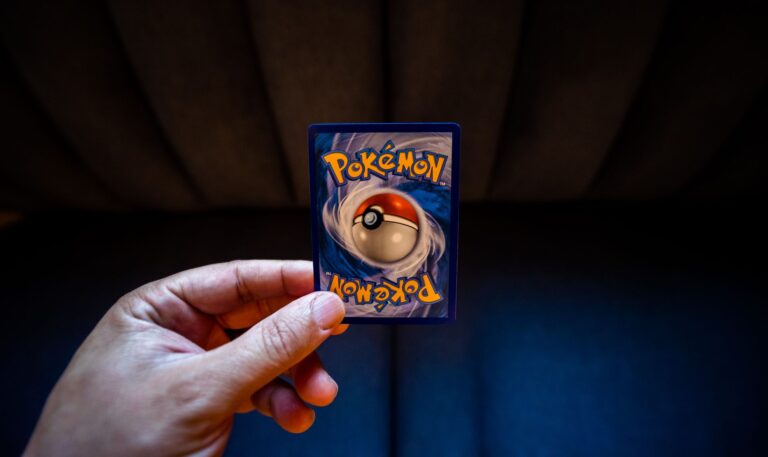
Pokémon periodically launches special celebration events featuring Pikachu across its official digital and physical channels, giving collectors multiple avenues to acquire limited-edition cards and merchandise. These events typically run through the company’s official website, social media accounts, and partner retailers, though the specific timing, duration, and regional availability varies with each campaign. If such an event is currently running, collectors should verify details directly through the official Pokémon website and app, as event dates and eligibility shift frequently and regional restrictions often apply.
Pikachu events draw significant collector attention because the character’s iconic status and consistent demand make event cards retain value better than many other releases. Collectors typically participate both for the cards themselves and for the limited promotional materials that often accompany official event launches. However, widespread availability through official channels also means these cards are typically printed in larger quantities than truly rare vintage releases, which affects their long-term price trajectory compared to earlier, lower-print-run sets.
Table of Contents
- How Do Official Pokémon Events Distribute Pikachu Cards?
- Understanding Price Dynamics for Event Pikachu Cards
- Participating Across Multiple Official Channels
- Evaluating Whether to Collect Event Cards or Wait for Secondary Market
- Common Pitfalls and Counterfeit Risk During Event Periods
- Regional Event Variants and Import Considerations
- Tracking Event Timelines and Inventory Depletion
- Frequently Asked Questions
How Do Official Pokémon Events Distribute Pikachu Cards?
Official Pokémon events distribute Pikachu cards through multiple channels to maximize reach and engagement. The company uses its official website to host digital promotions and redemption codes, while social media platforms serve as announcement and engagement tools. Physical retail partners—including authorized card shops and major chain retailers—often receive exclusive event inventory, creating location-based scarcity that drives collector traffic. The distribution structure varies significantly. Some events offer digital-only codes that can be redeemed for in-game items or digital card equivalents, while others include physical booster packs or special promo cards available for purchase or as free gifts with qualifying purchases.
For example, previous Pokémon celebrations have offered different promo cards depending on whether collectors participated through the TCG Live app, purchased from specific retailers, or attended physical locations. This fragmented distribution means collectors often need to engage across multiple channels to acquire all event variants. A critical limitation of official channel events is regional exclusivity. Cards and promotions available through the North American Pokémon Center may differ entirely from European or Asian region events. Collectors chasing a complete set of Pikachu event promos sometimes discover certain versions are only accessible in regions where they don’t live, requiring either international shipping costs or marketplace purchases at a premium.
Understanding Price Dynamics for Event Pikachu Cards
Event Pikachu cards typically command moderate premiums above standard releases due to their limited availability window and commemorative nature, though they rarely achieve the price levels of vintage or extremely scarce cards. The value depends heavily on print quantity, condition, and timing—cards from well-publicized events that ran for several months tend to be more abundant than those from short, regional-only runs. A Pikachu promo from a week-long official event might stabilize at 1.5 to 3 times the cost of a common Pikachu from a regular booster set, while a region-exclusive variant from the same event could be significantly higher. One warning worth noting: event card prices often spike immediately after an event ends due to FOMO (fear of missing out) and the psychological finality of limited availability. Many collectors who didn’t participate suddenly want to acquire the cards they passed on, creating temporary price inflation.
However, this premium frequently deflates 3-6 months later as the secondary market stabilizes and sellers become less desperate to acquire inventory. Timing your purchases—whether holding event cards for sale or buying them on the secondary market—matters more for these cards than for vintage releases. The print quantity uncertainty adds another layer of complexity. Pokémon rarely publishes official print runs, so collectors must infer scarcity from marketplace availability and grading population reports. If a Pikachu event promo appears regularly on major sales platforms months after the event ends at consistent or declining prices, it was likely printed abundantly. Conversely, if listings disappear within weeks and seller prices creep upward, scarcity might be genuine—though this could also simply reflect collector enthusiasm rather than true rarity.
Participating Across Multiple Official Channels
To maximize participation in an active Pikachu event celebration, collectors need to track availability across the Pokémon Center website, the official Pokémon app (including TCG Live), social media announcements, and partner retailers. Each channel often features distinct inventory and promotional mechanics. The official Pokémon Center might offer a Pikachu event box at standard retail price, while the TCG Live app offers digital cosmetics or card rewards for in-game participation, and partner retailers might feature exclusive Pikachu sleeves or playmats bundled with event purchases. Social media channels—particularly Twitter/X, Instagram, and the official Pokémon YouTube—serve dual purposes: they announce event details and often host engagement activities that unlock additional rewards.
Following official accounts is essential because event extensions, surprise restocks, and region-specific launches are frequently announced first on these platforms, sometimes without mainstream publicity. Collectors who miss these announcements often discover events have sold out or ended only after attempting to participate. A practical example: some events offer stackable rewards where purchasing from multiple official channels earns bonus points redeemable for exclusive items. A collector might buy an event box from the Pokémon Center website (earning points), redeem a code through the app (earning additional points), and then purchase a booster bundle from a retail partner to reach a threshold for a premium promo card. This multi-channel engagement maximizes rewards but requires time investment and careful tracking of which channels still have eligible inventory.
Evaluating Whether to Collect Event Cards or Wait for Secondary Market
Collectors face a strategic choice: participate during the official event window when selection is full and purchases support Pokémon directly, or wait and purchase completed sets from secondary markets weeks or months later. Participating during events guarantees access to all variants if you engage across channels, but requires immediate capital expenditure and active monitoring. Secondary market purchases offer flexibility—you can cherry-pick individual cards you want rather than committing to full sets—but at higher per-card costs and with the risk that certain variants become unavailable or price significantly. The cost tradeoff depends on how many event variants you want to acquire. If you’re targeting one specific Pikachu promo, waiting for secondary market availability often costs less money overall, especially if you’re patient and can spot deals.
If you want every variant from a multi-channel event, participating during the event window typically costs less in aggregate, though the upfront commitment is larger. A comparison: buying all three Pikachu event promos from the event itself through the Pokémon Center, app, and a retail partner might total $80-$120, while acquiring those same three cards 6 months later from marketplace sellers often costs $120-$180 combined, depending on their perceived rarity. The intangible benefit of participation is the promotional materials and packaging that accompany event purchases. Official event boxes include special art, printed materials, and packaging that add to the collecting experience but hold no resale value. If those elements matter to you, they justify paying the event-window price. If you collect purely for the cards themselves, secondary market purchases of opened boxes or individual cards typically offer better value.
Common Pitfalls and Counterfeit Risk During Event Periods
Event launches create opportunity windows for counterfeiters and scammers, particularly as collector excitement drives purchases from less-trusted sources. Official Pokémon events sell exclusively through official websites, official retailers, and specifically authorized partner retailers—never through third-party marketplaces as new inventory during the event window. Counterfeit event Pikachu promos circulate on secondary marketplaces like eBay and Facebook Marketplace, sometimes listed as “authentic event releases” at prices slightly below market rate to appear like deals. Verification requires familiarity with authentic Pokémon card stock, printing patterns, and holographic effects. Event promos produced by The Pokémon Company use the same materials and printing standards as regular releases, so a card that feels cheap, has off-color printing, or displays unusual holographic patterns is a red flag.
Grading companies like PSA and BGS authenticate cards during their evaluation process, but ungraded cards require careful inspection. If a Pikachu event promo seems unusually cheap or is being sold by an account with no established seller history, the probability it’s counterfeit or misrepresented is high. Another warning: promotional redemption codes that come with event purchases are single-use only. If you purchase an event product from a secondary marketplace that includes a code, verify with the seller before purchase whether the code has been redeemed. An unopened event box with a used code is worth significantly less than one with an unused code, since you lose access to whatever digital or physical reward the code unlocked. Always request proof that codes are unused before completing purchases of event merchandise from secondary markets.
Regional Event Variants and Import Considerations
Pikachu events frequently feature region-specific variants—cards distributed in the Pokémon Center USA differ from those sold through European or Asian channels, and these regional exclusives become permanent variations in the collector’s secondary market. Acquiring a complete collection of all event Pikachu variants often requires importing from other regions or purchasing from international sellers, adding shipping costs and customs complexity.
Import purchases from authorized retailers in other regions (such as the official Pokémon Center EU or Japan’s Pokémon card retailers) are legitimate and safe, though shipping times stretch to 2-4 weeks and costs typically add 20-30% to the product price. Purchasing from gray-market resellers or international marketplaces introduces fraud risk and counterfeit exposure, particularly for high-value event variants.
Tracking Event Timelines and Inventory Depletion
Official Pokémon events operate on published schedules that appear across the company’s official website and app, typically with announced start and end dates. However, specific inventory—especially limited-edition promotional items accompanying events—depletes unpredictably as demand varies regionally. High-demand Pikachu promos sometimes sell out days before an announced event end date, while secondary inventory on the same platform remains available until the official deadline.
Monitoring inventory levels requires checking official retail platforms daily once an event is live, particularly in the final week before closure. Setting price alerts and inventory notifications on the Pokémon Center website helps catch restock events, which occasionally occur when inventory is reallocated between regions or when partner retailers return excess stock. Collectors who miss events entirely sometimes discover official restocks weeks or months later as seasonal promotions cycle through, presenting second opportunities to acquire event-exclusive cards at original retail prices rather than secondary market premiums.
- —
Frequently Asked Questions
Are Pikachu event cards guaranteed to increase in value?
No. Event cards typically hold value due to limited availability windows, but abundant print runs mean many event Pikachu promos plateau or decline in value within 12 months. Vintage Pikachu cards from the 1990s hold value far more reliably than modern event releases.
Can I use the same account to participate in an event across multiple official channels?
Yes, though some events have purchase limits per account to prevent bulk buying. Check specific event terms to confirm whether Pokémon Center, app, and retail partner accounts are treated separately or linked for limit purposes.
How do I know if an event is currently running?
Check the official Pokémon website and the Pokémon Trading Card Game app directly. Announcements also appear on official social media accounts first, often before reaching news sites or collector forums.
Should I buy unopened event boxes for long-term value or open them for collection purposes?
This depends on your collecting philosophy. Unopened condition preserves maximum value but prevents enjoying the cards themselves. Most modern event boxes from official Pokémon releases don’t appreciate significantly, so the collecting pleasure of owning the cards typically outweighs the speculative investment potential.
What’s the difference between event-exclusive Pikachu promos and regular booster set Pikachu cards?
Event-exclusive promos feature unique artwork or special border treatments distinct from booster set releases, are available only during the event window, and typically carry slightly higher market value. However, the underlying card mechanics and legality in tournament play remain identical.
Do regional event variants eventually become available in other regions?
Rarely. Most region-exclusive event promos remain unavailable outside their launch region in official channels, making international purchases necessary for collectors pursuing complete sets of all variants.