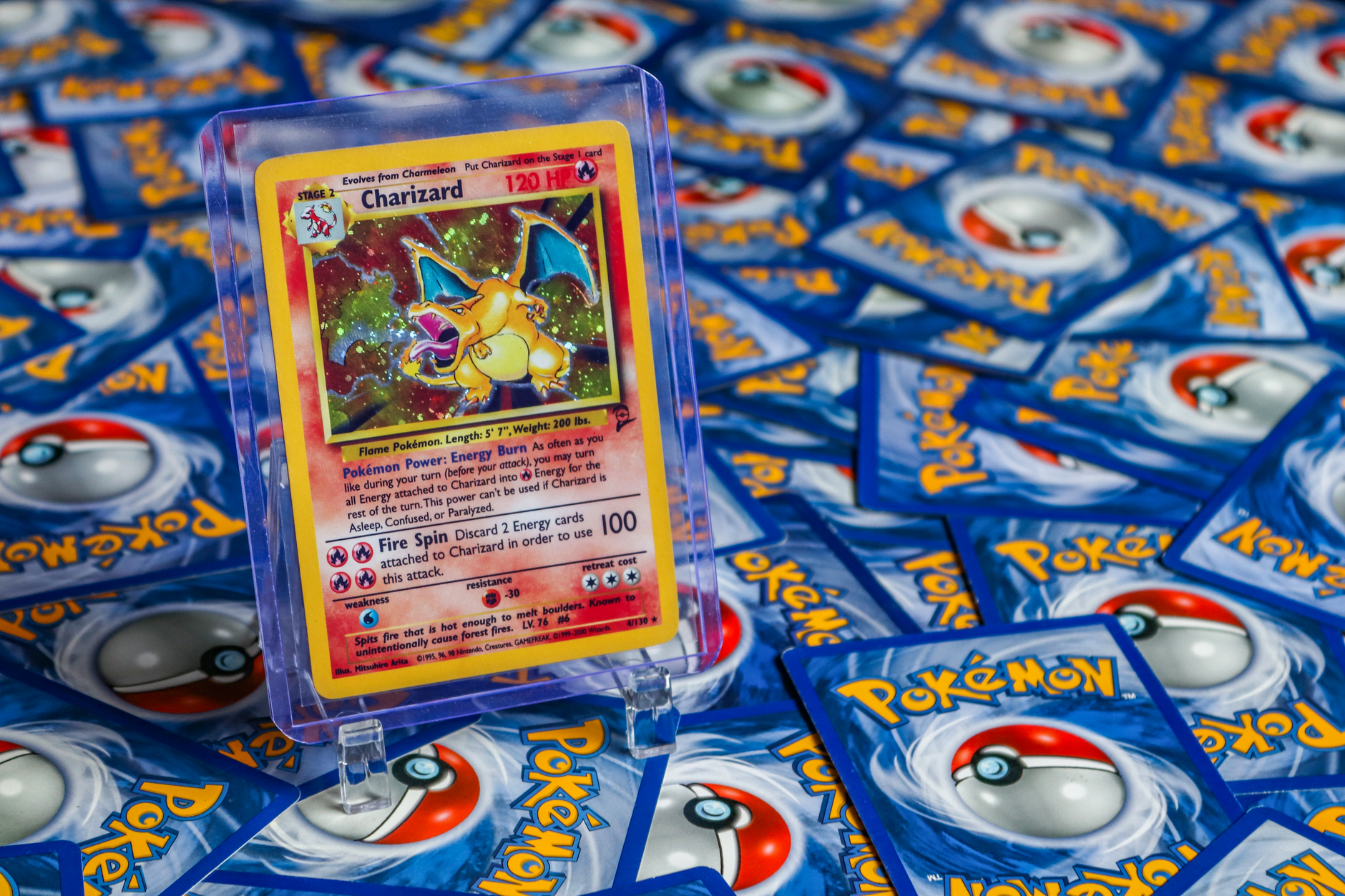
The Pokémon Trading Cards 30-Year Anniversary Set did not experience widespread quality or supply shortages despite online speculation to the contrary. What the set actually faced were pre-order logistics problems and severe scalping pressure—issues that created the appearance of unavailability without corresponding manufacturing defects or inadequate stock. The distinction matters for collectors trying to separate real problems from market-driven scarcity narratives.
The core issue began with the pre-order launch in September 2026. The Pokémon Company’s pre-order website encountered multiple technical failures including CAPTCHA errors, connection timeouts, and wait queues stretching up to six hours. These problems created a bottleneck that made legitimate purchases difficult, but the underlying stock was sufficient to meet demand once fulfillment began.
Table of Contents
- What Actually Went Wrong With The 30th Anniversary Pre-Orders?
- Scalping And Price Gouging In The Secondary Market
- Retail Availability Contradicts Supply Shortage Claims
- Quality Assessment: No Documented Manufacturing Defects
- Why The Narrative Of “Plagued” Products Persists
- Comparing The 30th Anniversary Experience To Other Recent Sets
- What Collectors Should Verify Before Accepting Supply Claims
- Frequently Asked Questions
What Actually Went Wrong With The 30th Anniversary Pre-Orders?
The September 2026 pre-order launch exposed operational vulnerabilities rather than product shortages. Customers reported CAPTCHA verification failures that locked them out mid-purchase, connection errors that dropped them from queues, and six-hour waits on a pre-order page designed to handle surges. For comparison, this mirrors the experience that plagued other major tcg releases, but the problems were isolated to the ordering system itself—not warehouse capacity or card production.
The website issues created a cascade effect: frustrated customers who couldn’t complete purchases spread complaints across social media, generating headlines about “chaos” and “mess” that overshadowed the actual situation. By October, most customers who persisted through the technical problems received their pre-orders without delays. The real lesson was that Pokémon’s infrastructure struggled with predicted demand, not that supply was insufficient.
Scalping And Price Gouging In The Secondary Market
Elite Trainer Boxes with a $60 MSRP were resold for hundreds of dollars above retail within hours of availability. This price inflation created the false impression of scarcity—if boxes cost $300 on the secondary market, many assumed they must be rare. In reality, scalpers were purchasing through legitimate channels and immediately reselling, which is market behavior rather than evidence of supply shortage.
This scalping activity deserves criticism on its own merits: it locks average collectors out of products at reasonable prices and creates artificial urgency. However, it’s important to distinguish between scalpers artificially inflating prices and manufacturers failing to produce enough product. The 30th Anniversary Set experienced the former, not the latter. Retailers who received adequate allocations could fulfill orders for anyone willing to wait or pay closer attention to restocks.
Retail Availability Contradicts Supply Shortage Claims
Reports from july 2026 indicated that retailers received “huge allocations” of 30th Anniversary stock—potentially double the allocations of recent Pokémon TCG sets. This inventory level directly contradicts claims of widespread supply shortage. Stores that received these quantities could stock shelves consistently rather than seeing immediate sell-outs followed by months of absence.
The challenge for collectors was patience and timing rather than absolute unavailability. Products appeared regularly at major retailers, but in-store stock depleted quickly due to volume demand and scalper purchasing. Online availability improved substantially by mid-summer 2026, suggesting that supply kept pace with demand when measured over weeks rather than hours. This availability pattern indicates a logistics problem, not a production problem.
Quality Assessment: No Documented Manufacturing Defects
Extensive searching revealed no current reports of manufacturing defects, printing errors, or quality issues specific to the 30th Anniversary Set cards themselves. This absence of quality complaints is notable because Pokémon TCG has experienced legitimate quality control issues in recent years—centering, print lines, and packaging damage have been documented in other recent sets. The 30th Anniversary Set did not attract similar criticism.
This doesn’t mean every card was flawless—variance in print quality exists across all TCG products. Rather, no widespread systematic quality issues were reported by collectors or documented by major TCG news sources. If cards were arriving with common defects, collectors would have vocalized these problems across platforms like Reddit’s r/PokemonTCG and YouTube review channels. The lack of such complaints suggests manufacturing standards held up for this release.
Why The Narrative Of “Plagued” Products Persists
The gap between perception and reality stems from how collectors experience scarcity differently than how it’s measured. If a product sells out immediately but restocks regularly, it feels scarce to the customer attempting the purchase—even if total supply is adequate. The 30th Anniversary Set created this frustration through its limited pre-order window, bot activity from scalpers, and the sheer volume of collector interest.
Media coverage amplified this perception by focusing on the pre-order chaos rather than the subsequent availability. A headline about six-hour wait times sells stories; a report that retailers received double the allocation of previous sets does not. This coverage pattern creates a false historical record where the set is remembered as “plagued” even though the product itself functioned fine and stock eventually reached consumers. Collectors using historical articles as reference material should account for this difference between logistical friction and actual product failure.
Comparing The 30th Anniversary Experience To Other Recent Sets
The Pokémon TCG has faced more severe supply and quality challenges in other recent releases. Earlier 2026 sets experienced actual stock constraints where major retailers ran low for extended periods.
These sets also attracted quality complaints about print centering and packaging. The 30th Anniversary Set, despite its infrastructure problems, did not match these difficulties in either availability or quality control. This comparison clarifies that while the 30th Anniversary launch was messy, the underlying product execution was more solid than some recent alternatives.
What Collectors Should Verify Before Accepting Supply Claims
When evaluating supply status for any TCG product, collectors should distinguish between immediate sell-outs (which happen with popular releases) and sustained unavailability (which indicates real shortage). The 30th Anniversary Set showed the former pattern: fast initial depletion followed by regular restocking. Official supply statements from retailers and distributors provide better information than social media complaints, which often reflect a single purchase attempt rather than overall market availability.
For this specific set, reports of huge retail allocations in July 2026 carry more weight than anecdotes about finding empty shelves in September. Supply chains improve over time as initial demand surge settles, which is what occurred here. Collectors searching for this set should have found it available through patience and multiple retailers, even if immediate in-store pickup on release week was unlikely.
- —
Frequently Asked Questions
Were there really quality problems with the 30th Anniversary Set cards?
No current reports of widespread quality defects, printing errors, or manufacturing issues have been documented for this set. While individual card variation exists like any TCG product, no systematic quality control failures were reported.
Why were Elite Trainer Boxes selling for hundreds of dollars?
Scalpers purchased at retail ($60) and immediately resold higher on secondary markets. This price inflation reflects reseller activity, not actual product scarcity. Retail availability remained adequate for patient collectors.
Did retailers actually have enough stock of this set?
Yes. Reports from July 2026 showed retailers received “huge allocations” of 30th Anniversary stock—potentially double previous set allocations. Supply levels were sufficient to meet demand.
What caused the perception of shortage if supply was adequate?
Pre-order website failures (September 2026) created a bottleneck, and scalper purchasing depleted store shelves quickly. These logistics issues created scarcity perception without corresponding production shortages.
Should I still try to buy this set if I missed pre-orders?
Yes. Regular retail availability occurred throughout mid-2026 and beyond. The set was not a limited-time exclusive despite media coverage suggesting otherwise.
You Might Also Like
- Limited Pokemon Trading Card Game Boxes Available for UK Customers on Amazon
- Get Pokemon Trading Card Pitch Black Boosters: Restocked and Available
- Get Pokemon Trading Card Pitch Black Boosters: Restocked and Available