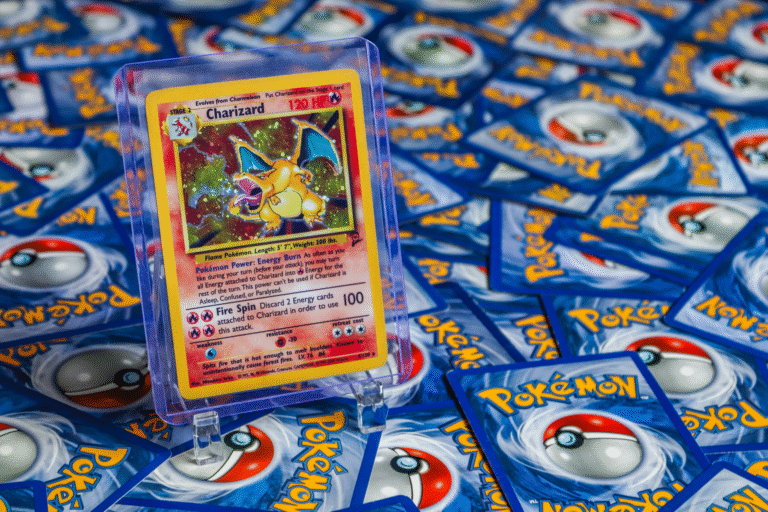
PSA’s card grading backlog currently stands at 11 million units as of July 14, 2026, according to the company’s official bi-weekly update. This represents a modest decline from the 12 million cards reported on June 30, showing some progress in addressing the crisis that has plagued the Pokemon card collecting community for months. A collector who submitted cards through the Value tier in mid-June might still be waiting, as items in suspended service levels face 6-8 weeks in the queue before grading even begins.
The backlog swelled dramatically following a May 14, 2026 pricing update that triggered a 20% spike in submissions within days. That surge added 1.6 million cards to intake facilities that were already straining, pushing the backlog to a peak of 14 million units in early June. Now PSA is working to reduce the queue to 5 million cards, at which point it plans to reopen the suspended Value service tiers—a milestone the company estimates will arrive between November 2026 and January 2027.
Table of Contents
- What Caused This 11 Million Card Backlog Crisis?
- The Operational Reality Behind the Numbers
- How PSA Is Addressing the Backlog Crisis
- What the Pause of Value Tiers Means for Collectors
- The Hidden Costs of the Extended Wait
- Transparency and Public Communication
- Processing Capacity and the Math of Recovery
What Caused This 11 Million Card Backlog Crisis?
The immediate trigger was psa‘s pricing announcement on May 14, which restructured its service tier system. The change prompted collectors to rush submissions before fees increased, creating an avalanche of incoming cards that the company’s facilities couldn’t process quickly enough. Within days, intake was overwhelmed by the additional 1.6 million cards flooding the system.
The backlog grew from manageable levels to 14 million by early June—the worst numbers PSA had seen in years. PSA’s monthly processing capacity under normal operations is approximately 2 million cards, which can increase by 20% to roughly 2.4 million through extended hours. The math is stark: even at peak capacity, clearing a 14 million card backlog would take six months or more without any new submissions. The company’s suspension of all four Value service tiers (Value Bulk, Value, Value Plus, and Value Max) starting June 2, 2026 was a direct attempt to redirect limited capacity toward higher-tier services and prevent the situation from deteriorating further.
The Operational Reality Behind the Numbers
PSA’s Backlog Tracker, updated bi-weekly and reviewed by company management, shows the reduction from 14 million (early June) to 11 million (mid-July)—meaningful progress, but still enormous. At current processing rates of roughly 2 million cards per month, reaching the target 5 million backlog threshold requires 5-6 months from the 11 million starting point. This projects completion sometime between December 2026 and February 2027, assuming no new submission surges occur.
A key limitation in PSA’s timeline projections is that they assume submission rates normalize and stay stable. Any pricing changes, special promotions, or major sports card news events could spike intake again, pushing back the recovery timeline. Collectors need to understand that PSA’s published figures represent only the backlog queue itself, not the total time to receive graded cards—a card sitting in the queue must still go through actual grading after intake processes it.
How PSA Is Addressing the Backlog Crisis
PSA announced plans to hire approximately 1,000 new employees by the end of 2026, a significant expansion aimed at increasing grading throughput. Simultaneously, the company launched its fifth grading facility in Plano, Texas as a full-fledged grading hub, complementing existing operations. These infrastructure moves are part of a larger $200 million capital investment to increase operational capacity while managing the backlog crisis.
The Plano facility represents PSA’s strategy to distribute grading work across multiple geographic locations, reducing bottlenecks at any single site. However, hiring and training skilled graders takes time. Each new employee requires training in card assessment, grading standards, and quality control—not an overnight process. The company is essentially racing to build capacity fast enough to outpace the remaining backlog over the next several months.
What the Pause of Value Tiers Means for Collectors
The suspension of Value service tiers affects collectors who submit through the lowest-cost grading options. These tiers have historically served price-conscious collectors and bulk submissions, representing a significant portion of PSA’s submission volume. By pausing them effective June 2, 2026, PSA freed capacity to focus on Standard, Express, and higher-tier services. This creates a tradeoff: collectors willing to pay premium prices can still get their cards graded, but budget-conscious submitters have no legal grading pathway through PSA until the company reopens Value services.
Collectors face a practical choice during this pause. Some are turning to competing graders like Sportscard Graders (SCG) or BGS for cards they would normally send to PSA at Value tier pricing. Others are holding cards, waiting for Value tiers to reopen and potentially facing another rush when that happens. PSA estimates Value tiers will reopen once the backlog drops to approximately 5 million cards, putting reopening between November 2026 and January 2027.
The Hidden Costs of the Extended Wait
Even before a card reaches the grading queue, submitted items face 6-8 weeks of processing time. This represents a significant hidden wait that precedes actual grading. A collector who submitted cards in mid-June might not see them enter the physical grading process until August or September at the earliest, with turnaround time depending on service tier.
For competitive sellers or tournament players who need specific cards graded quickly, the current environment remains frustratingly slow. A limitation of PSA’s published timeline is that it focuses on backlog reduction, not total processing time from submission to delivery. Even if the backlog reaches 5 million by January 2027, that doesn’t mean recently submitted cards will be graded quickly—the queue itself will still represent months of work. Collectors should account for 4-6 months total turnaround when planning submissions, not the published service level estimates that typically apply in normal conditions.
Transparency and Public Communication
PSA launched its Backlog Tracker at psacard.com/info/backlog-tracker to provide public visibility into the company’s progress. The tracker is updated bi-weekly with the same figures reviewed by PSA management, allowing collectors to monitor the situation independently rather than relying on rumors or speculation.
This transparency effort is relatively new; PSA faced criticism earlier in the backlog crisis for delayed communications with the community. The July 14, 2026 update showed the current 11 million figure, and PSA’s official X/Twitter account (@PSAcard) amplified the news to reach collectors directly. This approach acknowledges that the collecting community wants real-time data and repeated official confirmation, especially given the impact on their hobby and investments.
Processing Capacity and the Math of Recovery
At PSA’s documented 2 million card monthly processing capacity, reducing the 11 million backlog to 5 million requires three months of consistent output, placing that milestone around October 2026. The company’s 5-6 month projection from the 11 million baseline suggests room for processing delays, variation in capacity, or ongoing submissions. Every additional 1 million cards submitted during this period extends the timeline by roughly two weeks, making collector submission behavior during the backlog recovery critical to whether PSA hits its targets.
The math is transparent but sobering: the backlog crisis did not materialize overnight, and recovery will not either. PSA went from 14 million (early June) to 11 million (mid-July)—a reduction of 3 million cards in six weeks. Maintaining that rate would clear the backlog to 5 million by October, but PSA’s longer projections (November 2026-January 2027) suggest the company expects variability in processing rates or recognizes that new submissions will slow the progress.
- —