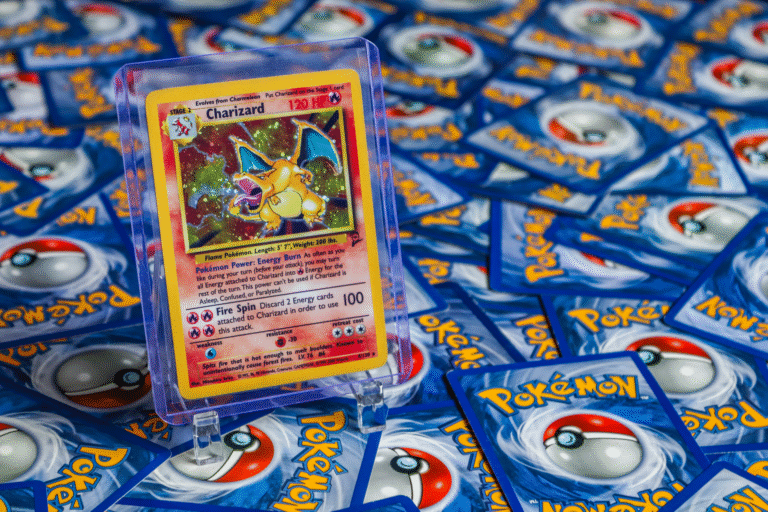
Pokémon regularly launches Pikachu-themed celebration events across its official channels including social media, the Pokémon website, and partner retailers. These events, which span trading cards, video games, merchandise, and digital platforms, are announced through official Pokémon accounts and communicated to collectors through direct email and press releases.
When Pikachu events roll out, they typically include exclusive product drops, special-edition card releases, and limited-time promotional offers that drive engagement across multiple collector communities. For trading card collectors specifically, these celebrations often signal the release window for Pikachu-focused products—whether exclusive trainer boxes, special art variants, or product bundles only available during the event period. The events serve as both a marketing push and a genuine opportunity for collectors to acquire cards they might otherwise miss, though supply constraints and high demand have historically made some products difficult to obtain at retail price.
Table of Contents
- Where Official Pokémon Announcements Appear
- Limited Availability and Stock Constraints During Celebrations
- Product Tiers and Pricing at Event Launch
- Preparation Strategies for Event Day Purchases
- Secondary Market Impact and Investment Considerations
- Event Product Exclusivity and Long-Term Availability
- Monitoring for Real vs. False Event Announcements
- Frequently Asked Questions
Where Official Pokémon Announcements Appear
Pokémon maintains a network of official channels where event announcements first appear. The primary Pokémon Trading card Game website (pokemontcg.io) posts detailed event information and product availability windows. Official social media accounts on Twitter, Instagram, and Facebook receive early notification priority, often posting teasers before products roll out to retail.
The Pokémon Center online store serves as the direct retail channel, where exclusive products sometimes launch hours before wider retail availability. When events launch, collector communities often learn about them through secondary sources—Reddit discussions, collecting forums, or YouTube channels dedicated to card unboxing—sometimes hours or even days after official channels. This lag between official announcement and community awareness has led some collectors to miss limited windows or experience difficulty securing products at intended price points.
Limited Availability and Stock Constraints During Celebrations
Pikachu event products consistently experience supply challenges because Pikachu holds significant cultural weight as Pokémon’s flagship mascot. Products released during celebrations often sell out within hours of retail availability, particularly popular sealed products like booster boxes or premium collection boxes. This scarcity creates secondary market pressure, with sold-out items immediately appearing on resale platforms at markups ranging from minimal to substantial depending on perceived rarity.
A practical limitation for collectors: official retail channels sometimes impose purchase limits during event launches—typically one or two units per customer—to prevent single buyers from monopolizing inventory. These limits frustrate high-volume collectors but reflect Pokémon’s stated goal of ensuring broader community access. However, enforcing limits across online and brick-and-mortar retail remains inconsistent, leaving some locations with stricter policies than others.
Product Tiers and Pricing at Event Launch
Event celebrations typically feature multiple product tiers from entry-level packs to premium boxes, allowing collectors of different budgets to participate. Premium products—trainer collection boxes, ultra-collection boxes, or special tins—often launch at higher price points during event windows.
Standard booster boxes generally maintain manufacturer’s suggested retail price during events, though this depends entirely on the retailer’s pricing policy and inventory position. One concrete consideration: exclusive alternate-art or special-edition cards released during events hold value differently than standard releases. A Pikachu variant printed exclusively during a celebration event may appreciate in the secondary market if the print run was limited, but it may also see deflation if the celebration produced large volumes at multiple retailers.
Preparation Strategies for Event Day Purchases
Collectors preparing for a Pikachu celebration event should monitor official channels actively in the 24-48 hours before launch. Creating accounts with online retailers, updating payment and shipping information, and adding products to carts before they go live can accelerate checkout once events start. Many collectors establish alert systems through email subscriptions or Discord servers dedicated to tracking product drops, since delays between official announcement and retail availability can be measured in minutes.
The tradeoff between online and retail purchasing during events warrants consideration. Online ordering offers convenience and confirms product reservation but involves shipping delays and payment processing time. In-store purchases guarantee immediate fulfillment at participating retailers but require physical presence and face potential stock exhaustion due to limited local inventory. Experienced collectors often pursue both channels simultaneously to maximize acquisition chances.
Secondary Market Impact and Investment Considerations
When Pikachu event products sell out at retail, prices on resale platforms typically spike within days. However, this secondary-market premium is not guaranteed to persist. If Pokémon reprints event products in subsequent waves—a common practice for popular celebration items—resale values compress substantially as supply increases. Collectors purchasing at inflated secondary prices face real risk of loss if reprints dilute perceived scarcity.
A significant warning: buying event products exclusively as investment vehicles, rather than for collection purposes, introduces portfolio volatility. Card market values fluctuate based on collection trends, meta-game relevance, and psychological factors. Pikachu cards benefit from nostalgia and broad appeal, but prices remain subject to market cycles. Collectors should prioritize acquisition of products they actually want to keep, rather than speculating on appreciation.
Event Product Exclusivity and Long-Term Availability
Products released during celebrations carry varying degrees of permanent exclusivity. Some items—special art variant cards or limited-print booster boxes—remain unavailable after the event window closes.
Other celebration products, particularly reprinted booster boxes or standard tins, may return to retail at later dates under different branding or promotion. Understanding this distinction helps collectors make informed purchase decisions about whether to buy at event price points or risk later availability at reduced cost. A realistic example: a premium trainer box released during a Pikachu celebration may command $60–$70 at retail, but if an identical box is reprinted and sold under a different event banner six months later, prices may stabilize at the original retail target rather than hold secondary-market premiums.
Monitoring for Real vs. False Event Announcements
Fake Pokémon event announcements circulate regularly across social media and collecting forums, sometimes created by scammers targeting collectors eager to secure exclusive products. Verified event information only appears on official Pokémon-owned channels: the Pokémon trading Card Game website, official social media accounts (identified with verification badges), and direct email from Pokémon Center.
Retailers partnering with Pokémon—Target, Walmart, GameStop, local card shops—receive advance notice directly from Pokémon and announce events through their official channels only. Collectors should independently verify event announcements through at least two official sources before committing to a purchase or travel. Phishing emails and fraudulent social media accounts impersonating Pokémon occasionally surface during high-profile celebrations, offering fake product links or requesting payment information.
- —
Frequently Asked Questions
How early should I arrive at retail for a Pikachu celebration event launch?
Timing depends on the store and product demand, but arriving before opening on launch day increases odds of securing popular items. High-demand products often sell out within the first 1-2 hours.
Do Pikachu celebration products get reprinted after the event ends?
Sometimes. Exclusive variant cards typically remain unavailable after the event, but standard booster boxes and common products may be reprinted under future event branding or returned to regular retail rotation months later.
Is there a way to guarantee I’ll get a product during a celebration event?
Pre-orders at select retailers provide reservations, but many Pikachu products don’t support pre-orders during celebrations. The most reliable approach is having payment information ready and monitoring official channels to purchase immediately upon availability.
Why do celebration products cost more at secondary resale sites?
Limited retail availability during event windows creates temporary supply shortages, driving secondary-market prices upward. Prices often compress if products are reprinted or if the initial print run was larger than anticipated.
Should I buy celebration products as investments?
Treat them as collectibles first, investments second. Card values remain volatile and subject to market cycles, reprinting, and changing collector preferences.
Where can I check if a Pikachu celebration event is actually real?
Verify announcements on the official Pokémon Trading Card Game website (pokemontcg.io), official Pokémon social media accounts with verification badges, or email confirmations from the Pokémon Center.