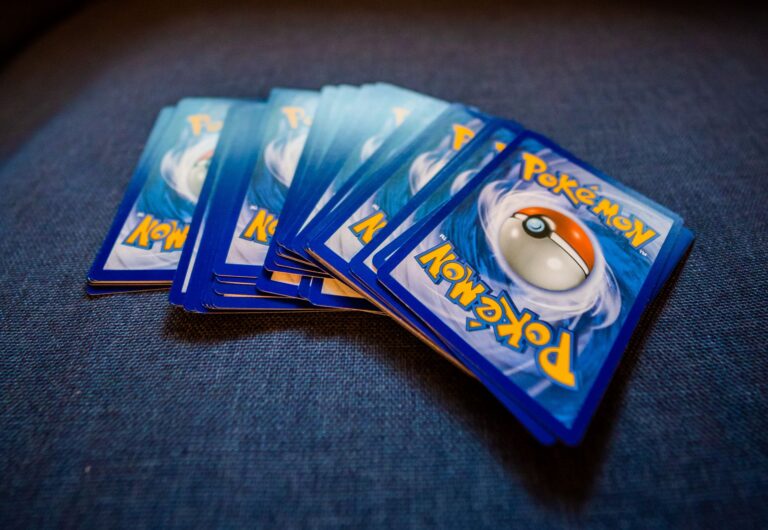
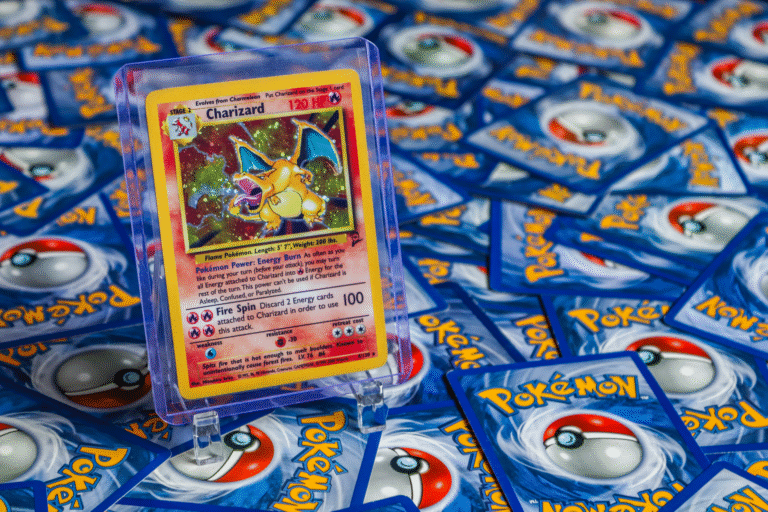
Pokémon Base Set cards benefit from the brand’s expansion in surprising ways: each new generation, trading card release, and media adaptation reinforces the legitimacy and scarcity of the original 1999-2000 cards while simultaneously introducing new collectors who eventually seek out vintage pieces. When Pokémon Company released Generation II through IX, expanded the TCG into over a dozen regional markets, and invested billions in film and streaming content, they didn’t diminish Base Set value—they created a broader cultural context that made Base Set cards feel historically significant rather than merely old. A Base Set Charizard that sold for $100 in 2015 commands premium prices today not because fewer copies exist, but because the Pokémon universe is now larger, more legitimate, and more accessible than ever before.
The relationship between Base Set cards and brand expansion is multiplicative rather than competitive. Unlike some collectible categories where newer versions cannibalize older ones, the Pokémon TCG’s growth has deepened the appeal of first editions and vintage holos. Collectors of modern Scarlet and Violet sets often learn about Charizard, Blastoise, or Venusaur through contemporary media, then trace those characters’ lineage back to Base Set—turning casual players into serious hunters of vintage cards. This pathway didn’t exist in 2000; it required the brand to expand across multiple regions, generations, and mediums before the network effects that benefit Base Set became visible.
Table of Contents
- Why Does Brand Expansion Increase Demand for Base Set Cards?
- The Role of Legacy and Legitimacy in Pricing
- How Multiple Pokémon Generations Created Diverse Collector Cohorts
- Investment Demand: How Brand Expansion Opened Pokémon TCG to Mainstream Collectors
- The Counterfeiting Risk and Grade Inflation in an Expanded Market
- Regional Expansion and the Global Base Set Market
- What Future Brand Expansion Means for Base Set Valuations
- Conclusion
Why Does Brand Expansion Increase Demand for Base Set Cards?
The core mechanism is simple: more Pokémon awareness means more potential collectors, and collectors naturally gravitate toward origin stories. When Pokémon’s global audience grew from niche TCG players to mainstream consumers across Asia, Europe, and the Americas, the base Set became not just a product but an artifact. A new collector in Vietnam in 2024 may have learned about Pokémon through the animated series, mobile games, or recent TCG releases, but upon discovering that charizard first appeared in Base Set 76, that card transforms into a historical piece. The brand’s three-decade run has created multiple entry points—someone can become a Pokémon fan at age 8 in 2020, at age 35 in 2015, or at age 50 in 2005—and all those cohorts eventually ask the same question: where did this start? This demand is reinforced by Pokémon Company’s own strategic choices.
Official media often references Base Set as the foundation of the franchise. When the 25th Anniversary campaign (2021) celebrated the original 151 Pokémon with specific packaging and messaging, it signaled that these were canonical—the authentic beginning—rather than dated. The rereleases of Base Set (through Evolutions, the Anniversary collection, and proxy products) kept the card designs visible in modern contexts without flooding the market with genuine first editions. Compare this to how Magic: The Gathering’s reprinting strategy sometimes dilutes older set values; Pokémon Company has been more cautious, preserving scarcity while increasing cultural visibility.
The Role of Legacy and Legitimacy in Pricing
Base Set’s pricing power is tied to a legitimacy that only decades of sustained success can provide. When pokémon was a 1990s fad, Base Set cards were just cards; they became investments only after the brand proved it wouldn’t collapse into irrelevance like Beanie Babies or Yu-Gi-Oh collectibles did. The brand’s longevity—25+ years of continuous TCG releases, theatrical films with multi-billion-dollar budgets, merchandising in virtually every retail channel globally—removed the existential doubt that haunts newer collectibles. A buyer of a Base Set Charizard psa 10 in 2024 has decades of evidence that Pokémon as a cultural institution isn’t going anywhere.
However, this legitimacy creates a ceiling as well as a floor. Because Base Set’s value depends partly on the continued health and growth of the Pokémon brand, any major disruption—regulatory action against TCGs, a collapse in Pokémon Company’s media output, or a shift in collector preferences—could impact prices. A genuine market downturn in Pokémon TCG would affect Base Set more acutely than some might expect, not because the cards would cease to be real, but because speculative demand (which comprises a significant portion of high-end pricing) would evaporate. The legitimacy that expansion provides is real, but it’s also fragile in the sense that it depends on continued brand momentum. A Base Set card is worth what it is today partly because millions of people worldwide still care about Pokémon; if that attention waned, the value wouldn’t collapse overnight but would slowly revert to a level determined purely by collector nostalgia and game playability.
How Multiple Pokémon Generations Created Diverse Collector Cohorts
The expansion of Pokémon into nine generations—along with regional variations, alternate art styles, and entirely new creatures—created a segmented but connected collector base. A Gen V player (Black/White, 2010-2012) is now in their late 20s or early 30s and potentially has disposable income to invest in vintage cards; a Gen I purist who played in 1999 is older and may view Base Set not as nostalgia but as an investment in their own history. Gen IX players (ages 10-20 today) represent the next cohort of future vintage card buyers. None of these groups would have developed without the brand’s deliberate expansion into multiple regions and generations.
This diversity strengthens Base Set demand in subtle ways. A Gen III collector (Emerald generation) who primarily collects Holos and EX cards might still acquire a Base Set Venusaur because Venusaur was iconic in their formative gaming experience—but they learn about that desire through modern Pokédex entries and competitive battling, not from living through 1999. The interconnectedness of the Pokédex (where every Pokémon has a canonical history and role) means Base Set cards carry narrative weight that a card from a random TCG without that infrastructure would never achieve. When a modern player looks up Blastoise’s competitive history or learns about its role in the Pokémon games, Base Set Blastoise becomes part of that story—a tangible link to authenticity.

Investment Demand: How Brand Expansion Opened Pokémon TCG to Mainstream Collectors
The 2020-2021 Pokémon TCG boom wasn’t driven by existing collectors alone; it was driven by mainstream investors discovering that old trading cards had appreciated significantly. Stock market investors, celebrities, and casual speculators entered the market partly because Pokémon had become impossible to ignore culturally—the Pokémon GO phenomenon (2016) reintroduced millions to the brand, the Detective Pikachu film (2019) brought Pokémon into cinemas, and the brand’s consistent media presence meant that even non-fans knew Charizard was valuable. This investment wave benefited Base Set cards disproportionately because they represented the scarcest, most historically significant pieces within an expanding asset class. The tradeoff is that investment demand is volatile and often unsustainable.
Base Set prices spiked dramatically in 2020-2021 and have moderated since, reflecting a market correction where speculative buyers exited. A Base Set Charizard PSA 8 that might have sold for $8,000-$12,000 at the peak may now move for $4,000-$6,000 depending on condition and grade. This doesn’t mean Base Set is a bad investment—long-term appreciation has still been strong compared to inflation and broader asset classes—but it means that brand expansion opens doors to both genuine value discovery and speculative bubbles. Collectors who bought Base Set during the hype at inflated prices have seen losses; those who collected before 2020 have seen substantial gains. The brand’s expansion enabled the entire market, but it didn’t guarantee every buyer would profit.
The Counterfeiting Risk and Grade Inflation in an Expanded Market
As demand for Base Set cards increased with brand expansion, so did the sophistication and prevalence of counterfeits. High-grade Base Set Holo rares are now common counterfeiting targets, especially cards like Charizard, Blastoise, and Venusaur that command five-figure prices. The problem isn’t unique to Base Set, but the scale is: a realistic counterfeit Base Set Charizard can sell for thousands before being identified, which has eroded some buyer confidence despite advances in authentication. Third-party grading companies (PSA, BGS, CGC) have become gatekeepers, but even their grades can be disputed—there’s ongoing debate about grade inflation, where a card graded PSA 8 in 2015 might be downgraded to PSA 6 by a different grader or by modern standards.
The expansion of Pokémon brand awareness actually exacerbated counterfeiting risk because it brought in less-informed buyers who couldn’t distinguish authentic cards from fakes by eye. While experienced collectors from the 1990s might notice paper quality, printing irregularities, or ink inconsistencies that betray a counterfeit, new buyers coming to Base Set through modern brand engagement often rely entirely on grading labels. This has created perverse incentives: counterfeiters invest heavily in replicating not just the card but the grading slab, making authentication increasingly difficult. Any Base Set purchase, especially in the $1,000+ range, demands verification from a trusted grader and ideally direct comparison with known authentic examples. The brand’s expansion brought legitimate new buyers, but it also attracted bad actors.
Regional Expansion and the Global Base Set Market
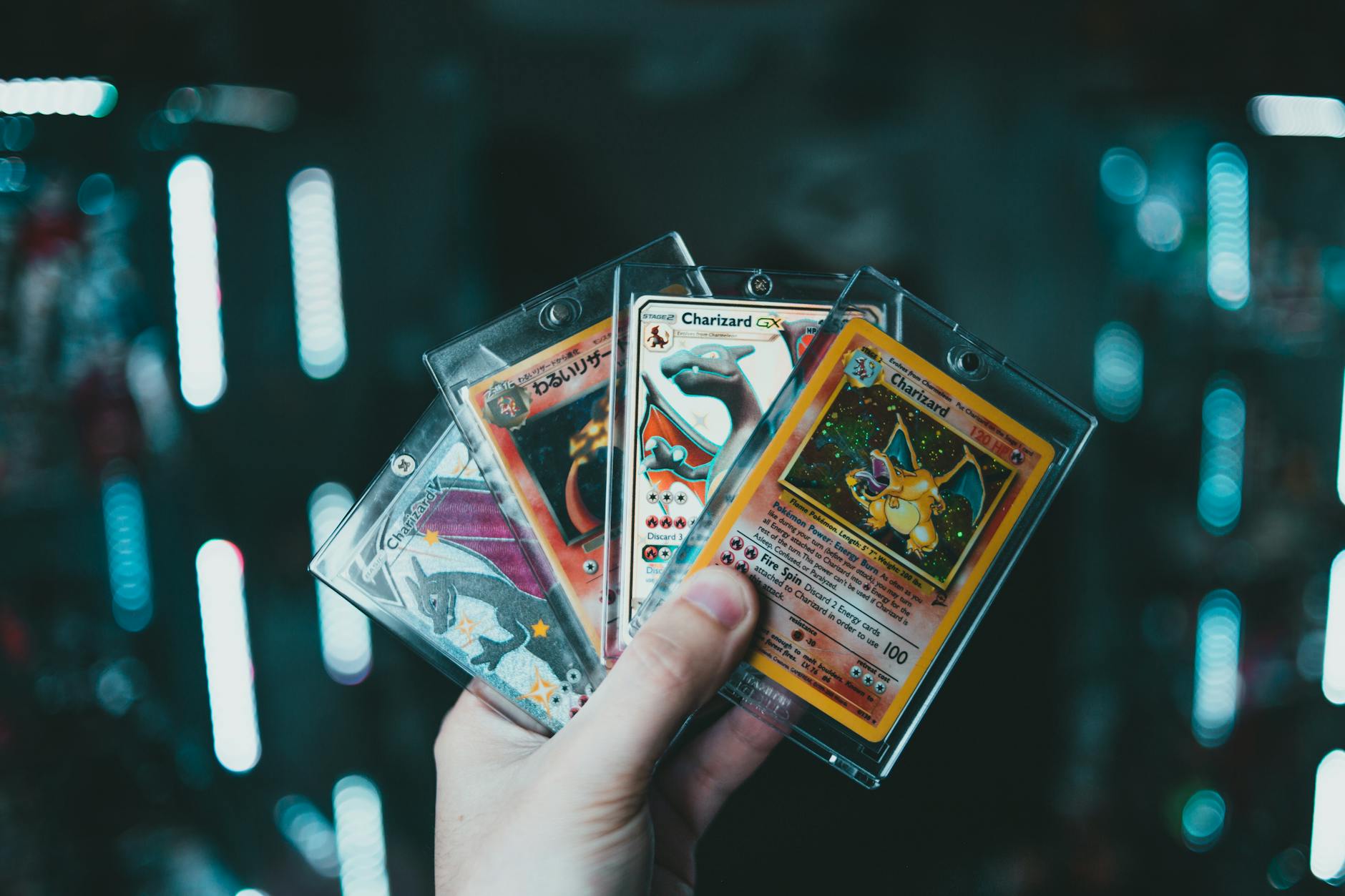
Pokémon TCG expansion into new regions revealed that Base Set demand isn’t uniform globally. Japanese Base Set cards (particularly first edition Japanese holos) command significant premiums over their English equivalents due to lower print runs and different cultural collecting preferences. The Japanese market has always treated collectible cards as serious investments, and when Pokémon Company released Base Set in Japan as “Pocket Monsters Card Game” in 1996—before the English release—those cards became foundational pieces. Modern Chinese, Indian, and Southeast Asian collectors have also entered the market, seeking Base Set cards as status symbols and investment vehicles, which has driven up prices in those regions.
However, this global expansion has also created regional price divergence. A Base Set Charizard might command $8,000 in New York but $6,500 in London and $12,000 in Tokyo, depending on local market conditions, import duties, and regional demand patterns. Collectors in new markets sometimes prefer cards with certain languages or regional editions, which fragments demand. For serious collectors, understanding regional variations is now essential—a English Base Set Charizard and a Japanese Base Set Charizard are similar products but with vastly different scarcity profiles and collectibility weight. The brand’s global expansion made Base Set accessible to more buyers but also created complexity in valuation.
What Future Brand Expansion Means for Base Set Valuations
Looking forward, Pokémon Company has committed to expanding the brand through multiple mediums: new TCG generations will continue annually, films and series will remain in production, and emerging mediums like AI-generated content and virtual experiences are likely coming. Each new release creates another cohort of potential Base Set buyers, but also dilutes attention somewhat. The company faces a genuine challenge: how to grow Pokémon’s overall market while maintaining the scarcity and prestige that make Base Set cards valuable. If Pokémon Company releases limitless proxy products (like reprints or exact digital equivalents), Base Set scarcity could be undermined; if they’re too restrictive, they miss growth opportunities.
The most likely scenario is that Base Set valuations will remain stable or appreciate modestly over the next 5-10 years, supported by a larger global collector base but constrained by realistic ceiling limits on investment demand. Unlike tech stocks or real estate, trading cards can’t generate cash flow or tangible utility that justifies unlimited price appreciation. Instead, they’ll retain value as a store of wealth and collectible asset within the broader Pokémon ecosystem. Brand expansion has already given Base Set the legitimacy and cultural permanence it needs to avoid becoming a speculative bubble or forgotten artifact. Future growth will likely come from geographic expansion into less-developed markets and generational turnover as older collectors view Base Set as legacy pieces worthy of serious money.
Conclusion
Pokémon Base Set cards benefit from brand expansion because that expansion creates the sustained cultural legitimacy, global collector base, and intergenerational interest that transforms trading cards from ephemeral products into collectible assets. The brand’s growth didn’t happen by accident—Pokémon Company invested deliberately in TCG expansion, media production, and international distribution—but the secondary market benefits are an unintended positive consequence. A Base Set card is more valuable today not because fewer copies exist, but because millions more people worldwide understand what Pokémon is and why the first edition matters.
For collectors and investors, the lesson is straightforward: Base Set’s value is now fundamentally tied to Pokémon’s continued cultural presence and brand health. Monitor whether Pokémon Company maintains investment in new games, media, and TCG products; watch for regulatory changes that might impact TCG markets; and be aware that speculative demand remains a significant portion of high-end pricing. Base Set cards represent genuine collectible value backed by a 25+ year track record, but they’re not immune to market downturns. Buy because you value the cards historically and as part of a broader Pokémon collection, not purely as an investment—that approach has proven more durable across multiple market cycles.