The LEGO Group and The Pokémon Company International ended a surprising gap in the collecting world when they announced their official multi-year partnership on March 18, 2025. For decades, Pokémon fans and LEGO enthusiasts existed as largely separate collector communities, despite obvious overlap between the two fandoms. This partnership represents the first official collaboration between LEGO and Pokémon—previous Pokémon brick sets had been produced by Mega Brands Inc. since 2017, but they never carried the official LEGO seal.
The first official LEGO Pokémon sets launched on February 27, 2026, during Pokémon Day celebrations, immediately proving what many collectors already knew: this pairing was inevitable and deeply desired by fans who wanted to merge their passions. For card collectors specifically, the LEGO partnership matters more than it might first appear. While you may primarily invest in cardboard and holographic foils, the LEGO sets directly address a problem that haunted the wider Pokémon collector base: limited ways for adult fans to physically display and celebrate their fandom beyond cards. The initial launch featured five iconic Pokémon—Pikachu, Eevee, Venusaur, Charizard, and Blastoise—with sets ranging from the modest 587-piece Eevee buildable at $59.99 to the premium 6,838-piece trio of Venusaur, Charizard, and Blastoise at $649.99. For many collectors, these sets filled a tangible void in how they could celebrate their favorite creatures.
Table of Contents
- Why Did It Take So Long for LEGO and Pokémon to Team Up?
- The First Official LEGO Pokémon Sets: What Collectors Got
- Pricing and Accessibility Across the Product Range
- LEGO vs. Trading Cards: Two Collecting Worlds Converge
- Investment Potential and Secondary Market Concerns
- The August 2026 Wave: What’s Coming Next
- What This Partnership Means for Pokémon Collecting’s Future
- Conclusion
Why Did It Take So Long for LEGO and Pokémon to Team Up?
The absence of official lego Pokémon collaboration until 2025 puzzles collectors who remember LEGO’s partnerships with franchises like Harry Potter, Marvel, Star Wars, and DC Comics—all arriving years earlier. The answer involves complex licensing negotiation and differing strategic priorities. The Pokémon Company has traditionally focused on card games, video games, and apparel as its primary merchandise channels, keeping brick-building in secondary hands. LEGO, meanwhile, prioritizes partnerships that offer distinctive intellectual property angles and creative building opportunities. When these two powerhouses finally aligned their vision, it reflected a maturing market of adult collectors willing to spend premium prices on nostalgic, high-end building experiences—something Mega Brands’ budget-focused offerings never fully captured.
The timing also mattered strategically. Pokémon card prices surged dramatically during the pandemic and have settled into a mature secondary market where casual buyers have exited but serious collectors remain. LEGO adult fan builds (AFOLs) occupy a similar space: collectors with disposable income, sophisticated taste, and patience for complex assembly. The partnership announcement came at precisely the moment these two communities overlapped most meaningfully. By launching on Pokémon Day 2026, The Pokémon Company signaled its commitment to honoring the IP’s heritage while LEGO demonstrated it was willing to build sets for a specifically adult audience rather than children’s collectibles.

The First Official LEGO Pokémon Sets: What Collectors Got
The debut lineup reflects careful curation. LEGO Pokémon Eevee arrived as an entry point at 587 pieces and $59.99, targeting casual fans and those exploring the brand partnership for the first time. The LEGO Pokémon Pikachu and Poké Ball set jumped to 2,050 pieces and $199.99, introducing intermediate builders to more complex engineering. The premium offering—a 6,838-piece triple set featuring Venusaur, Charizard, and Blastoise—commanded $649.99 and represented the kind of “white whale” collectible that appeals to committed fans with substantial discretionary spending. This tiered approach reflects LEGO’s proven strategy: entry-level purchases convert casual fans into enthusiasts, while flagship sets generate prestige and completionist demand.
However, there’s an important limitation collectors should understand: these buildables are display pieces, not interactive toys. Unlike LEGO minifigures or traditional LEGO sets with moving parts and playable mechanics, LEGO Pokémon sets prioritize detailed sculptural representation. This is precisely what appeals to adult collectors but may disappoint those expecting interactive building systems. The sets emphasize accurate anatomical rendering—Charizard’s wings articulate, Blastoise’s cannons detail—but the overall experience centers on assembly and display rather than ongoing play. For card collectors considering these as complementary collectibles, this distinction matters: you’re investing in static art objects, not entertainment products.
Pricing and Accessibility Across the Product Range
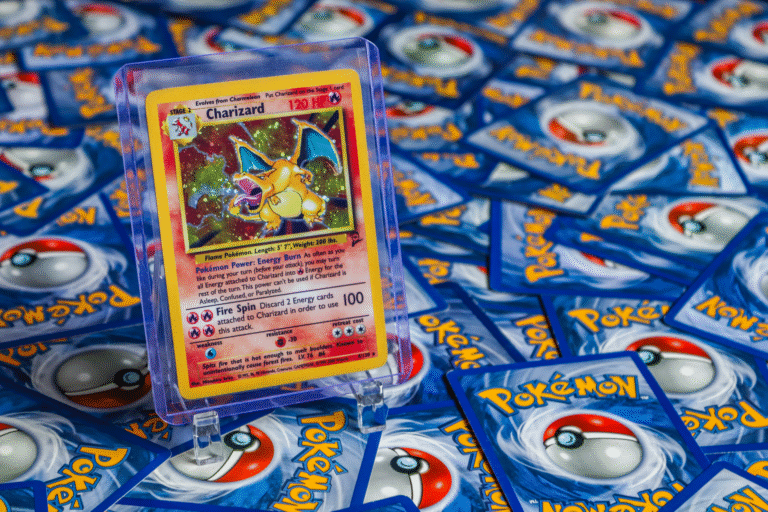
The pricing structure reveals LEGO’s confidence in Pokémon collector enthusiasm. At $59.99, the Eevee set costs roughly equivalent to a modern high-end Pokémon booster box (typically $90-120), making it surprisingly accessible for casual collectors curious about the partnership. The $199.99 Pikachu and Poké Ball set positions itself between mid-tier and premium card investments—comparable to acquiring a graded PSA 9 or PSA 10 vintage holo rare. The $649.99 triple Pokémon set, however, enters whale territory: that’s the price of a PSA 10 first edition Charizard base set card, or multiple sealed vintage booster boxes.
This pricing creates an interesting dynamic for Pokémon collectors. Card investments emphasize rarity and condition; LEGO sets emphasize scale and complexity. A collector with $650 might experience different long-term value trajectories depending on whether they purchase the premium LEGO set or invest in graded cards. LEGO collectibles historically appreciate more modestly than scarce trading cards but offer more stability in valuation—you’re less vulnerable to grade inflation or market sentiment shifts. The real comparison isn’t Charizard LEGO set versus Charizard card, but rather Charizard LEGO set as a diversified collectible alongside your card portfolio.

LEGO vs. Trading Cards: Two Collecting Worlds Converge
For Pokémon card collectors, the LEGO partnership represents permission to expand beyond cardboard. Historically, card collectors and merchandise collectors occupied different spaces: serious card grading communities discussed PSA and BGS subgrades while toy collectors pursued mint-condition vintage figures or rare promotional items. LEGO sets bridge this gap by offering the prestige and appreciation potential that attracts serious collectors while maintaining the accessibility and cultural relevance that drew people to Pokémon cards in the first place. You can own a PSA 10 Blastoise holo and a LEGO Blastoise display piece without feeling like you’re diversifying into unrelated hobbies.
The comparison extends to collecting psychology. Trading card collecting rewards scarcity-driven investment logic: pull a rare card, grade it, watch its value potentially multiply. LEGO collecting operates differently—sets are manufactured in substantial quantities, retired at planned intervals, and gain value through scarcity created by time and discontinued production rather than original rarity. If you’ve debated whether to allocate your collecting budget toward high-end card investments or physical display pieces, LEGO Pokémon sets offer a middle path: premiums are accessible yet non-trivial, build experiences rival any hobby, and display value compounds over time even without the volatility of the secondary card market.
Investment Potential and Secondary Market Concerns
The secondary market dynamics for LEGO sets follow predictable patterns: retired sets appreciate steadily, typically 1.5-3x original retail within 3-7 years depending on popularity and production volume. Early LEGO Pokémon sets will likely follow this trajectory, but several factors create uncertainty. First, LEGO has confirmed a multi-year partnership commitment, meaning continued supply of Pokémon sets may dampen scarcity value compared to one-off collaborations. Second, initial production volumes remain unknown—if The Pokémon Company and LEGO manufactured abundant quantities to meet assumed demand, appreciation may lag historical LEGO retirement rates.
The critical warning: don’t treat LEGO sets as investment vehicles equivalent to graded trading cards. While some LEGO sets genuinely appreciate 2-3x retail on secondary markets like BrickLink, this happens unevenly and requires patience. You might purchase the premium $649.99 set today and face reluctant buyers willing to pay $750 in three years—a modest return that underperforms typical card speculation. LEGO collecting appeals to collectors who value the building experience, display satisfaction, and eventual appreciation as bonuses rather than primary motivations. If your sole goal is maximizing collectible returns, this partnership may not offer the same upside as targeted card investments.

The August 2026 Wave: What’s Coming Next
LEGO and The Pokémon Company revealed their 2026 roadmap includes three additional sets launching August 1, 2026: Munchlax (757 pieces), Arcanine (1,190 pieces), and Rayquaza (1,083 pieces). This follow-up wave signals sustained commitment to the partnership and indicates deliberate expansion beyond first-wave flagship creatures. Munchlax introduces a fan-favorite personality character alongside the powerful Legendary Rayquaza, while Arcanine targets those who appreciate less-mainstream Pokémon. The piece counts suggest mid-tier pricing, likely positioning these new sets between the entry-level Eevee and premium Charizard trio.
For collectors planning acquisition strategies, the August wave timing matters tactically. If you’re contemplating the February 2026 launch sets, purchasing before August allows you to establish these earlier releases as “first wave” collectibles before secondary market comparisons with newer offerings. Conversely, if the August sets appeal more strongly, waiting allows you to deploy capital more efficiently while the debut lineup remains available at retail. The Pokémon Company hasn’t announced specific pricing for August releases, but historical LEGO precedent suggests 757-piece Munchlax might retail $39.99-49.99, while 1,190-piece Arcanine could reach $79.99-99.99 territory.
What This Partnership Means for Pokémon Collecting’s Future
This collaboration signals a philosophical shift in how The Pokémon Company views adult collectors. For two decades, Pokémon merchandise largely bifurcated between children’s products and professional card investments, with little middle ground for adults seeking sophisticated, premium collectibles beyond graded cards. LEGO partnership legitimizes the adult collector as a primary demographic worthy of investment. Expect this opening to accelerate other premium collaborations: high-end figure makers, art print publishers, and design-forward merchandise companies will likely pursue Pokémon licensing now that The Pokémon Company has demonstrated willingness to partner on adult-focused ventures.
The financial implications extend beyond LEGO itself. A successful LEGO Pokémon partnership strengthens The Pokémon Company’s overall brand valuation and opens licensing discussions with other major manufacturers. If LEGO proves that premium Pokémon collectibles command enthusiast spending without cannibalizing card sales, the company gains leverage negotiating partnerships that further diversify collector engagement. For card investors specifically, this matters because diversified Pokémon collector communities mean broader cultural relevance, younger demographics maintaining fandom into adulthood, and sustained long-term value for serious collections.
Conclusion
The LEGO and Pokémon partnership filled a genuine gap in the collector landscape that neither company fully recognized until their strategic priorities aligned in 2025. The February 2026 launch proved that adult collectors had been waiting for permission to merge their LEGO passion with their Pokémon enthusiasm, and the initial reception validated this hypothesis. Whether you view these sets as complementary display pieces for your card collection, speculative secondary market investments, or simply satisfying building experiences, the partnership offers something for different collector profiles.
Moving forward, card collectors should consider LEGO Pokémon sets as part of a diversified collecting approach rather than direct competition with card investments. The $59.99 entry point makes casual experimentation accessible, while the premium options appeal to serious enthusiasts. As the partnership matures and The Pokémon Company continues expanding its premium merchandise strategy, early adopters of these inaugural sets may find themselves holding culturally significant collectibles that bridge two previously separate fandoms. The real question collectors should ask isn’t whether LEGO sets appreciate like graded cards—they won’t—but whether the building experience, display satisfaction, and historical significance justify the allocation of collecting resources alongside your existing portfolio.