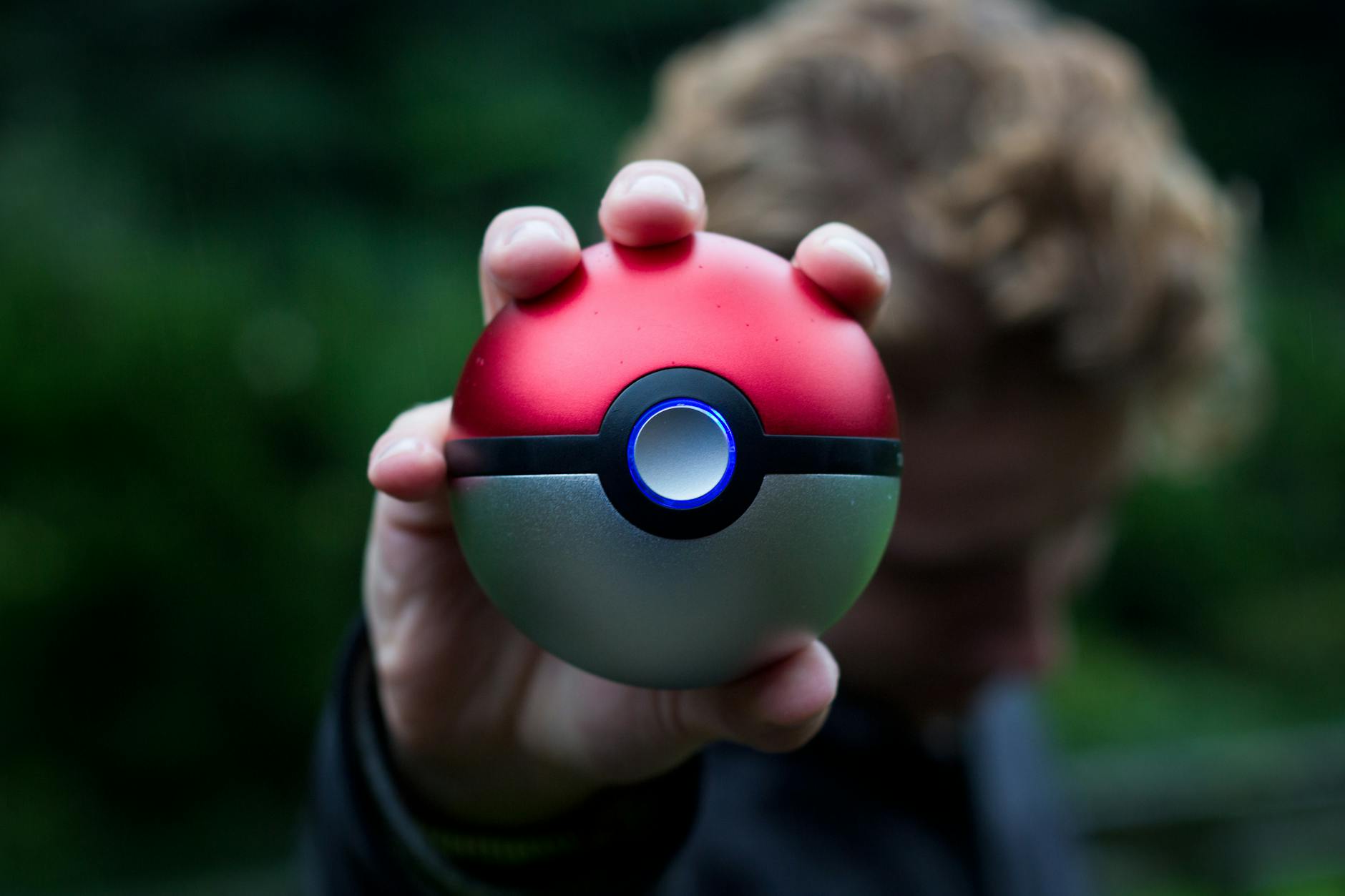
The LEGO Pokémon finalists are generating unprecedented attention because they represent one of the rare instances where two massive collectible franchises—LEGO and Pokémon—converge at a consumer-facing voting stage. Unlike past collaborations that arrived as finished products, the LEGO Ideas submission process puts power directly in fans’ hands, creating genuine community investment in which designs succeed. The Pikachu, Charizard, and other finalist designs have sparked intense discussion across social media, collector forums, and trading communities because people realize their votes literally determine what gets mass-produced and how accessible these sets will be. What makes this moment particularly compelling is the scarcity psychology at play. LEGO Ideas sets have historically sold out quickly and developed secondary market premiums, with earlier pokémon-themed creations commanding multiples of their original retail price within months.
Collectors understand that whichever designs win the vote will likely face production constraints, creating artificial scarcity that drives both immediate purchases and long-term investment appeal. This isn’t speculation—it’s pattern recognition based on LEGO’s track record with licensed IP and limited production runs. The finalists have also tapped into nostalgia in a way that casual LEGO or Pokémon fans might overlook. These aren’t random character designs; they’re character choices that matter to multiple generations simultaneously. A 35-year-old who collected original Pokémon cards and a 14-year-old who plays Pokémon Scarlet/Violet both see value in these sets, but for entirely different reasons. That generational overlap creates a larger, more engaged audience than either franchise typically commands alone.
Table of Contents
- Why Are LEGO Pokémon Collabs So Rare and Valuable?
- The Secondary Market Expectations Shape Current Demand
- Community Voting Drives Social Media Momentum
- The Design and Nostalgia Factor Appeals Across Demographics
- Production Allocation and Scarcity Concerns
- Comparison to Previous LEGO Pokémon and Licensed Collaborations
- Future Implications for LEGO-Pokémon Partnerships
- Conclusion
Why Are LEGO Pokémon Collabs So Rare and Valuable?
Licensed lego collaborations with major IP require complex negotiations, approval processes, and production commitments that most companies avoid. Pokémon Company International and The Pokémon Company (Japan) maintain strict control over brand representation, which means LEGO can’t simply produce Pokémon sets at will. The Ideas platform circumvents some of this by letting the community do the design heavy lifting, then LEGO only needs approval for the final winners. This model has worked before—the famous LEGO Minecraft creeper set and various fan-designed Star Wars submissions proved fans could create compelling designs—but Pokémon specifically attracts exponentially more eyeballs because the IP already has 25 years of cross-generational popularity. Compare this to how many LEGO Ideas submissions never reach production.
Tens of thousands of designs get submitted annually; fewer than 50 ever make it to manufacturing. The Pokémon finalists, by contrast, are virtually guaranteed production because the IP holders wouldn’t have allowed them to reach the voting stage without internal confidence in the commercial outcome. That certainty drives collector interest immediately. When people vote on an Ideas design for a generic space theme, they’re engaging in a fun exercise. When they vote on LEGO Pokémon, they’re influencing which collectible physical products will exist in limited quantities.
The Secondary Market Expectations Shape Current Demand
Experienced LEGO and Pokémon collectors aren’t interested in these sets primarily for building enjoyment—they’re watching the secondary market trajectory that LEGO Ideas sets consistently follow. A set released at $79.99 retail often reaches $120–$150 within its first six months of retirement, and sets tied to major IPs (like the Colosseum set) have held value even higher. This isn’t guaranteed, but the track record is strong enough that people feel justified treating LEGO Ideas sets as quasi-investments. The problem with this dynamic is that it can create artificial demand disconnected from actual collector utility. Someone might buy a LEGO Pokémon set with no intention of opening the box, driving up preorder numbers in a way that doesn’t reflect genuine building interest. Retailers and LEGO capitalize on this by allocating limited stock, which then triggers FOMO (fear of missing out) among casual fans who see sets selling out online.
Within weeks, secondary market listings appear at 40–60% markups. This cycle has played out repeatedly with LEGO Ideas Pokemon sets, and new finalists are expected to follow the same pattern. A significant limitation to keep in mind: not all LEGO Ideas sets appreciate equally. Sets with poor aesthetics, limited building complexity, or less-iconic character choices can plateau or even depreciate on the secondary market if supply isn’t constrained. The finalists getting attention now are being hyped partly because collectors assume production will be limited, but LEGO could theoretically manufacture higher quantities than expected, which would flatten the appreciation curve. This risk is rarely discussed in hype-driven communities.
Community Voting Drives Social Media Momentum
The LEGO Ideas voting mechanism transforms passive interest into active participation, which generates organic social media content. When someone votes for a design, they often share that vote on Twitter, Reddit, or TikTok, especially if they’ve invested emotional energy in the campaign. The Pokémon finalists benefit enormously from this because Pokémon communities are already massive and highly engaged across all platforms. A single viral TikTok video of someone showing off a finalist design can reach millions of people who weren’t even aware a vote was happening. This social momentum has a compounding effect. More visibility leads to more casual voters, which strengthens a design’s chances of winning, which then attracts media coverage and influencer commentary.
Several LEGO Pokémon finalists have been featured in YouTube unboxing channels, Reddit threads dedicated to voting strategy, and Discord servers where collectors coordinate their preferences. This organic evangelism is worth millions in marketing value—value that LEGO doesn’t pay for because it’s driven by genuine fan enthusiasm rather than advertisements. The flipside is that social media momentum doesn’t perfectly correlate with production viability. A design can go viral for aesthetic appeal on Instagram while having serious engineering or manufacturability issues that LEGO’s design team needs to address before production. Some finalists that generate massive social engagement might require significant modifications after winning the vote, which can lead to disappointed collectors who expected the final product to match the voted-on design exactly. This has happened before in LEGO Ideas history, and it’s a real risk worth monitoring.
The Design and Nostalgia Factor Appeals Across Demographics
The finalist designs matter enormously, and the specific Pokémon chosen for finalists tap into overlapping nostalgia pools. Charizard is arguably the most iconic Pokémon outside of Pikachu, with 25+ years of cultural presence, movie appearances, and card game relevance. Pikachu is self-explanatory—it’s the franchise mascot. Other finalists like Dragonite or Alakazam carry weight for players of the original games. Each design choice isn’t random; it’s calculated to maximize appeal across age groups. This multi-generational appeal means the finalists are attracting attention from people who might never normally engage with LEGO or Pokémon separately.
Someone in their 40s who played original Pokémon Red/Blue but hasn’t thought about Pokémon in decades might see a LEGO Charizard finalist and feel suddenly compelled to vote, or even preorder. Similarly, a 12-year-old who only knows Pokémon through modern games or the show might learn that LEGO Charizard has 25 years of cultural weight and feel connected to that history. The finalists function as cultural touchstones, not just product designs. The trade-off is that designs appealing to the widest demographics can sometimes feel less innovative or specific. A conservatively designed Pikachu set appeals to more people but excites hardcore builders less than a radical reimagining might. LEGO designers face pressure to balance accessibility (broad appeal for sales) against differentiation (standing out among existing LEGO sets). The finalists being discussed publicly are presumably the ones that LEGO felt struck that balance best, but not every contestant agrees that the chosen designs are the most creative options.
Production Allocation and Scarcity Concerns
LEGO Ideas sets typically see limited production runs compared to standard LEGO licensed products. A mainline LEGO set might stay in production for 2–3 years, but LEGO Ideas sets often retire after 12–18 months with no restock. This creates genuine scarcity, and collectors know it. The Pokémon finalists benefit from widespread awareness that whoever wins will be produced in limited quantities, likely retired before casual consumers even realize the product exists. This scarcity is simultaneously the main driver of attention and the source of collector anxiety. People aren’t just excited about LEGO Pokémon sets—they’re anxious about missing out.
The voting campaigns often frame winning the vote as the first step; the second step is securing your pre-order before allocation runs out. LEGO hasn’t announced production numbers for the finalists (because the final design hasn’t been selected), but historical precedent suggests 50,000–150,000 units annually, depending on the IP popularity. For a franchise as large as Pokémon, that’s surprisingly low. One practical concern: availability issues could vary significantly by region. LEGO’s European availability often differs from North American availability, and LEGO Pokémon sets might see different priority allocations depending on Pokémon Company decisions in each territory. A collector in Australia, for example, might find that finalists sell out locally while remaining available in the US, or vice versa. These regional disparities are rarely discussed during the hype phase, but they create real complications for international collectors trying to secure inventory.
Comparison to Previous LEGO Pokémon and Licensed Collaborations
Previous LEGO Pokémon collaborations set a high bar for the finalists to meet. The LEGO Pokémon Pikachu set (25″ collectible figure) and the various small character sets that were released came with significant premium pricing and quick sell-outs. However, those sets were smaller, simpler builds compared to what the current finalists are proposing. The finalist designs are generally larger, more complex builds with higher piece counts and more sophisticated designs, which means they’re positioned as display pieces and engagement builds rather than impulse purchases.
The difference matters for collector psychology. Earlier LEGO Pokémon products felt somewhat niche—they appealed primarily to hardcore Pokémon fans willing to pay premium prices for officially licensed LEGO. The finalists, by contrast, are designed to appeal to LEGO enthusiasts who might not be hardcore Pokémon players. Someone who loves building intricate LEGO displays might not care about Pokémon lore, but they’ll care about a visually impressive Charizard build. This expanded addressable market is a major reason attention is so widespread.
Future Implications for LEGO-Pokémon Partnerships
The success or failure of the current finalists will likely determine whether LEGO and Pokémon Company pursue additional collaborations. If the winning designs sell out quickly, appreciate significantly on the secondary market, and generate sustained media coverage, expect LEGO to pitch more Pokémon Ideas campaigns in future years. If the sets languish or disappoint collectors, the IP holders might become more cautious about expanding the collaboration. This single voting campaign could unlock a pipeline of future LEGO Pokémon products or shut the door on that avenue entirely.
Beyond just more Ideas campaigns, the finalists represent a potential inflection point for how licensed IP collaborates with LEGO. Successful Pokémon finalists could encourage other major franchises (Nintendo properties, other gaming IPs) to pursue LEGO Ideas partnerships rather than traditional licensed set development. This could shift how players and collectors access physical products, potentially favoring community-designed products over designer-led official sets. For long-term Pokémon collectors, this moment matters because it’s essentially a referendum on what future LEGO Pokémon products look like—and whether they’ll exist at all.
Conclusion
The LEGO Pokémon finalists are attracting attention because they sit at the intersection of multiple powerful forces: community voting power, IP scarcity, secondary market investment potential, cross-generational nostalgia, and genuine collector enthusiasm. Unlike typical product launches that generate interest in isolation, these finalists are creating conversation because they’re rare instances where fans can directly influence what gets produced and in what quantities. The voting mechanism, the limited production expectations, and the cultural weight of the Pokémon IP combine to create urgency and excitement that extends far beyond typical LEGO or Pokémon enthusiast circles.
For collectors navigating the finalists and the eventual winner(s), the key is understanding what drives the attention separately from what drives long-term value. Hype doesn’t guarantee appreciation, production constraints do. Set your expectations based on production allocation rather than social media momentum, monitor regional availability differences, and remember that not all LEGO Ideas sets age equally on the secondary market. The finalists are generating attention right now, but informed collectors will make purchase decisions based on actual scarcity data and design durability, not just excitement.
You Might Also Like
- Why LEGO Pokémon Leaks Are Creating So Much Collector Buzz
- Why Tokyo, Chicago, and Copenhagen Are Becoming Pokémon GO Hotspots
- Why Pokémon GO Players Care So Much About Community Day Choices