
Base Set Pokémon cards have the potential to follow the same value trajectory that made rare comic books and vintage toys worth thousands of dollars, but only if market conditions, condition grading, and collector demand continue to align in their favor. The earliest Pokémon Trading Card Game sets from 1999-2000 already show the pattern: a 1st Edition Base Set Charizard graded PSA 10 has appreciated from roughly $100-200 in the early 2000s to over $300,000 at auction in recent years, mirroring how Action Comics #1 (the first Superman comic from 1938) went from a 10-cent newsstand purchase to a $3.2 million sale. The critical difference is that unlike comics and toys, which had limited print runs by default, Base Set Pokémon cards were mass-produced—meaning scarcity must be engineered through condition, grading standards, and the passage of time itself.
The parallel isn’t exact, though the underlying mechanics are similar. Comics and action figures appreciated because collectors eventually recognized them as cultural artifacts worth preserving. Base Set Pokémon cards are now entering that same phase, where players who purchased sealed booster boxes in 1999 for $100 are sitting on assets worth $50,000 or more. The key to following the comics and toys path is whether these cards can maintain cultural relevance, achieve institutional legitimacy through professional grading, and remain scarce enough that demand outpaces supply.
Table of Contents
- WHAT HAPPENED WITH COMICS AND TOYS THAT COULD REPEAT FOR POKÉMON CARDS?
- THE CONDITION GRADING STANDARD THAT CHANGED EVERYTHING
- SCARCITY THROUGH TIME AND CONDITION, NOT ARTIFICIAL LIMITATION
- CULTURAL RELEVANCE AND GENERATIONAL WEALTH BUILDING
- MARKET MANIPULATION AND BUBBLE RISK
- SEALED PRODUCT AND THE BOOSTER BOX PHENOMENON
- THE FUTURE: POKÉMON CARDS AS MUSEUM AND INSTITUTIONAL ASSETS
- Conclusion
- Frequently Asked Questions
WHAT HAPPENED WITH COMICS AND TOYS THAT COULD REPEAT FOR POKÉMON CARDS?
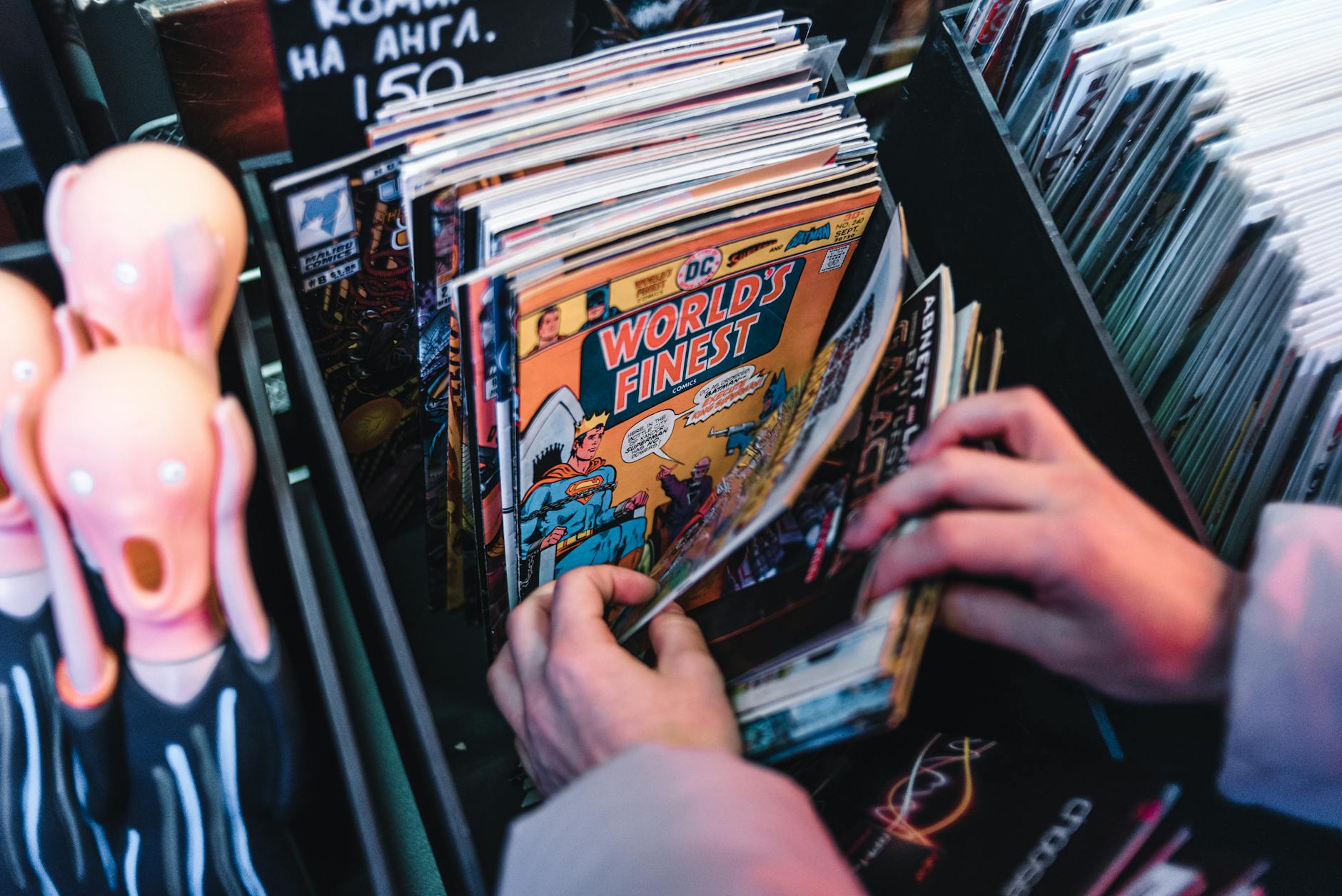
Comics achieved explosive value growth when collectors began treating them as investments rather than disposable media. A near-mint copy of Action Comics #1 sold for $3.2 million in 2022 because it represents the first appearance of Superman and survives in exceptional condition—only a handful exist in high grades. Similarly, vintage action figures like 1978 Star Wars original trilogy figures (especially Boba Fett and rare variants) command $5,000 to $20,000 each because they were played with, damaged, or destroyed by children, leaving few pristine examples. pokémon cards are now experiencing exactly this dynamic: base Set was printed aggressively in 1999-2000, but most copies were played with, stored improperly, or lost.
The relatively small number of near-mint examples—especially 1st Edition printings—creates the scarcity that drives value. The timing also matters. Comics had decades to be rediscovered and reappraised; the 1990s saw a boom in collectors treating comics as investments, then a crash when the market became oversaturated with deliberately limited “collector’s editions.” Pokémon cards went through a similar pattern: initial collectibility in the late 1990s, a decline in the early 2000s when the games became less popular, then an explosion in the 2010s as millennials with disposable income revisited childhood nostalgia. The difference is that Pokémon’s resurgence happened faster and was amplified by internet authentication (professional grading services like PSA becoming trusted), whereas comic collectors spent decades without standardized grading.
THE CONDITION GRADING STANDARD THAT CHANGED EVERYTHING
Professional grading services transformed the comics and toy market by creating a universally accepted standard for condition, which allowed investors to buy and sell with confidence. A comic book graded 9.8 by the Certified Guaranty Company (CGC) commands a premium price because the grade is verifiable and transferable. Pokémon cards have adopted this same model through psa, Beckett Grading Services (BGS), and other third-party graders. This legitimacy is what separates Base Set Pokémon from thousands of other collectible card games that failed—collectors know that a PSA 10 Charizard is universally recognized and will hold (or appreciate in) value. Without grading standards, Base Set cards would have remained niche collectibles, like ungraded vintage sports cards that are difficult to price or resell.
However, grading services create a bottleneck and a risk. The fees charged by PSA (historically $10-$200+ per card depending on turnaround time) mean that low-value cards are uneconomical to grade, keeping the collectible market focused on rare, high-value examples. More importantly, grading services themselves can become a point of failure. In 2021-2022, PSA’s grading standards came under scrutiny when collectors discovered that some vintage cards had been resubmitted multiple times to get higher grades, and the service temporarily halted bulk submissions due to a backlog. If a grading service were to collapse or lose credibility (as has happened with lesser services), it could damage the entire market for cards certified by that service. Comics faced a similar crisis in the 1990s when speculative grading services created fake grades and disappeared, briefly collapsing the comic book investment market.
SCARCITY THROUGH TIME AND CONDITION, NOT ARTIFICIAL LIMITATION
One of the key differences between Pokémon cards and modern collectibles (like limited-edition toys or comics deliberately printed in small quantities) is that Base Set scarcity is organic, not engineered. Wizards of the Coast didn’t plan for a 1st Edition Base Set Charizard to be valuable; they printed millions of booster boxes. Scarcity happened naturally because most copies were played with, water-damaged, lost, or destroyed. A sealed Base Set booster box is worth $50,000-$100,000+ today precisely because so few survived sealed, and most people had no reason to preserve them. This mirrors how original 1978 Boba Fett figures are valuable not because Kenner intended them to be rare, but because children opened, played with, and broke them.
Comics experienced the same organic scarcity with Golden Age titles (1938-1955), where most copies were discarded, read to tatters, or pulped. It’s precisely because nobody preserved Action Comics #1 in 1938 that a copy in 9.8 condition is worth millions. Vintage toys similarly became scarce because their original owners didn’t know they’d ever be valuable. Base Set Pokémon cards are now at the stage where organic scarcity has been established—anyone born in the 1990s who kept a mint Base Set Charizard has a valuable asset, not because Wizards of the Coast intended this, but because the passage of 25+ years and poor preservation practices created rarity. The limitation here is that Pokémon could theoretically print Base Set cards again, which would tank the market for vintage originals. Comics avoid this risk because Superman debuted only once, in Action Comics #1—no one can print “the first appearance” again.

CULTURAL RELEVANCE AND GENERATIONAL WEALTH BUILDING
The reason rare comics and toys retain value is because they’re anchored to cultural moments that remain meaningful across generations. A 1978 Boba Fett figure is valuable because Star Wars endures; a 1st Edition Charizard is valuable because Pokémon has remained culturally relevant for 25+ years and shows no signs of declining. Millennials (now in their 30s and 40s) have disposable income and nostalgia for childhood Pokémon, which creates demand from buyers who view these cards as both collectibles and investments. This is the same dynamic that made comic books valuable when younger collectors who grew up reading them became adults with money to spend. The tradeoff, though, is that cultural relevance can fade.
Vintage Beanie Babies were once considered valuable collectibles with similar scarcity and grading infrastructure, but they collapsed when the nostalgic audience aged and new generations showed no interest. Comics survived this risk because the characters (Superman, Batman, Spider-Man) transcended their original medium and became permanent cultural fixtures through films, TV shows, and merchandise. Pokémon has done this too—the franchise generates $10+ billion annually and remains popular with new generations of children and teenagers, which suggests the collector base will continue to grow. However, if Pokémon’s cultural relevance declines (which seemed possible in the mid-2000s before the franchise’s revival), card values would crash. Comics had a 60-year head start on cultural permanence before becoming collectible investments, whereas Pokémon is achieving this in 25 years, which is both an advantage (faster appreciation) and a risk (less proven track record).
MARKET MANIPULATION AND BUBBLE RISK
The comics and toys markets have both experienced boom-and-bust cycles driven by speculation and artificial scarcity. In the 1990s, comic publishers printed “limited edition” variants that were supposed to increase in value, but the strategy backfired when collectors realized that millions of copies of “rare” editions existed. The result was a market crash that wiped out values for many speculative comics. Pokémon cards have already shown signs of this dynamic: the prices for Base Set cards exploded during the 2020-2021 pandemic period when demand far exceeded supply, but have cooled somewhat since then as supply increased (through reprints of other sets and new product releases). The warning here is that if the market becomes oversaturated with speculative investment in Pokémon cards—similar to the 1990s comic bubble—prices could collapse. Another risk is authentication fraud.
As Pokémon card prices rose, counterfeiting and regrading schemes became more common. Some cards were cleaned, altered, or resubmitted to grading services multiple times to achieve higher grades. PSA itself faced criticism in 2021-2022 for seemingly inflating grades on high-value cards, which temporarily damaged collector confidence. Comics faced similar authentication problems in earlier decades, but the market survived by adopting more rigorous grading standards and consumer education. Pokémon collectors are becoming more sophisticated about spotting fakes and understanding how cards are pressed and cleaned before grading, but this remains an ongoing risk. The difference from comics is that Pokémon cards are easier to counterfeit because they’re more recent and the supply chains are better documented, whereas Golden Age comics can be verified through paper analysis and printing techniques that counterfeiters can’t easily replicate.
SEALED PRODUCT AND THE BOOSTER BOX PHENOMENON
One asset class that separates Pokémon from comics is sealed products—unopened booster boxes, theme decks, and factory-sealed packs from 1999-2001. A sealed Base Set booster box can fetch $50,000-$100,000 because it represents both scarcity (only a finite number were printed) and the ultimate form of condition preservation. Toys have had sealed examples (mint-in-box action figures), but comics don’t have an equivalent asset because selling a sealed comic is economically irrational—readers would have to destroy the value by opening it. Sealed Pokémon booster boxes create a unique dynamic where collectors can own the asset without opening it, which isn’t possible with individual cards or comics.
The catch is that sealed products are vulnerable to time-based degradation. Booster boxes stored in basements can suffer from humidity damage, ink fading, and box deterioration even when unopened. PSA has begun grading sealed boxes, which provides some verification of condition, but there’s no guarantee that a box graded as 8 today will still be in 8 condition in 10 years. Vintage toys avoided this problem by being opened and displayed, while comics naturally degraded and were filtered through grading, meaning only the best-preserved copies became valuable. Sealed Pokémon boxes are in a middle ground—they’re preserving the product but accumulating risk of invisible damage.
THE FUTURE: POKÉMON CARDS AS MUSEUM AND INSTITUTIONAL ASSETS
Comics and vintage toys have achieved the ultimate legitimacy: they’re now held in museums, featured in major auctions alongside fine art, and treated as cultural artifacts rather than mere consumer products. Comic books are housed in the Library of Congress; rare comic books regularly appear at Sotheby’s and Christie’s alongside paintings and sculptures. Pokémon cards are beginning to follow this path. High-grade base set cards have appeared at major auction houses, and there’s growing academic and media interest in Pokémon as a cultural phenomenon.
If Pokémon cards continue on this trajectory, they could eventually achieve institutional status—university collections, museum exhibits, and recognition as historical records of late-1990s pop culture. This institutional legitimacy would likely cement values, similar to how a comic book’s placement in a museum collection validates its cultural and financial worth. However, it also means that speculation-driven bubbles become less likely, since institutional buyers are focused on preservation and historical significance rather than short-term returns. Base Set Pokémon cards are heading toward this future, but the timeline is uncertain—comics took 60+ years to achieve museum status, and Pokémon may compress that into 30-40 years due to faster cultural cycles and digital documentation.
Conclusion
Base Set Pokémon cards have all the hallmarks necessary to follow the path of rare comics and vintage toys: organic scarcity created by time and poor preservation, professional grading standards that enable confident trading, cultural relevance that transcends generations, and beginning recognition as collectible assets. A 1st Edition Charizard graded PSA 10 appreciated from roughly $100-200 in 2000 to over $300,000 today, following a similar trajectory to Action Comics #1 or rare vintage action figures—driven by the fact that so few high-condition examples survive. The mechanics are proven: as nostalgic collectors age and younger generations inherit these cards, demand can sustain or increase values if cultural relevance holds.
The risks are equally clear: market bubbles can form (as happened with 1990s comics), counterfeiting and authentication fraud pose ongoing threats, and cultural relevance cannot be guaranteed forever. Collectors and investors should approach Base Set cards with the understanding that values depend on condition preservation, institutional legitimacy, and sustained collector demand across generations. If you own Base Set cards, the most practical steps are to grade valuable examples through trusted services like PSA, store sealed products in climate-controlled environments, and be realistic about which cards are genuinely rare versus common—not every Base Set card will appreciate like Charizard, just as not every comic book becomes valuable. The cards that do follow the comics and toys path will be those that survive in exceptional condition, remain culturally connected to Pokémon’s ongoing relevance, and maintain scarcity through natural market forces rather than artificial manipulation.
Frequently Asked Questions
Will all Base Set Pokémon cards appreciate in value like a 1st Edition Charizard?
No. Only the genuinely rare and desirable cards—1st Edition holos, player favorites like Charizard and Blastoise, and cards in exceptional condition—will follow the comics and toys trajectory. Common Base Set cards will remain affordable. Most non-holographic cards and bulk holos will appreciate modestly, if at all, and some may decline if the market shifts.
Is it too late to invest in Base Set Pokémon cards?
The window for finding sealed booster boxes or exceptional cards at reasonable prices is mostly closed, but high-grade individual cards and some uncommon holos still offer potential appreciation. However, buying now is primarily a long-term hold (10+ years) and requires accepting the risk that the market could cool if cultural relevance declines.
What’s the difference between Pokémon cards and Beanie Babies, which crashed?
Pokémon has maintained cultural relevance for 25+ years and continues to generate billions in revenue annually; Beanie Babies lost popularity when Gen-X collectors aged out and new generations didn’t adopt them. Pokémon also has professional grading standards and institutional recognition that Beanie Babies never achieved at the same level.
Should I grade cards that aren’t rare?
Generally, no. Grading fees ($20-$200+ per card) make it uneconomical to grade cards worth less than $500-1,000 ungraded. Stick to grading only the genuinely rare, high-value, or exceptional examples from your collection.
Could Wizards of the Coast reprint Base Set cards and tank my collection’s value?
There’s a theoretical risk, but Wizards has been careful to avoid reprinting the original Base Set at the same scale, because doing so would alienate collectors and undermine the vintage market. Comics and toys don’t face this risk because originals can’t be reprinted—Superman’s first appearance happens only once. Pokémon’s main defense against this risk is maintaining collector trust.
You Might Also Like
- Why Rare Base Set Pokémon Cards May Become Harder to Buy Every Year
- Why Pokémon Base Set Cards Could Become the Foundation of Serious TCG Investing
- How Pokémon Base Set Cards Could Benefit From Decades of Brand Expansion