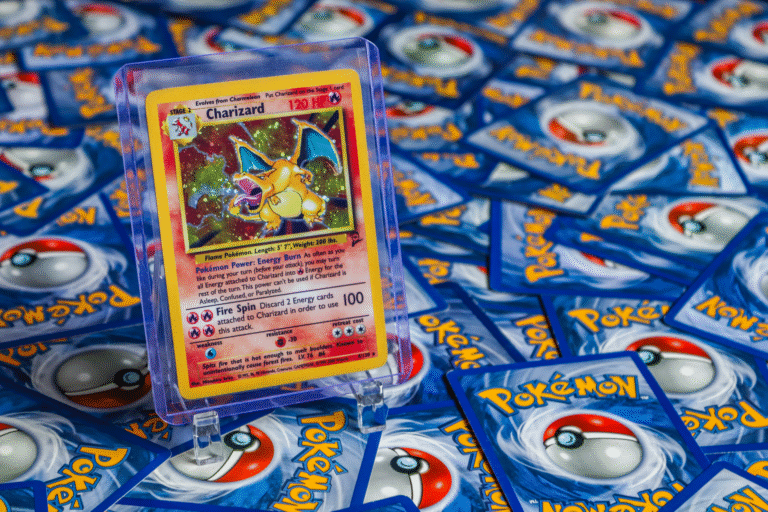
The short answer is yes, but with significant caveats. PSA 10 Base Set cards have the potential to reach seven figures, but only for the rarest and most iconic cards in the hobby—primarily the holographic Charizard, Blastoise, and Venusaur from the original 1999 release. A PSA 10 Base Set Charizard sold for $369,000 in 2020, and given the trajectory of record prices, a million-dollar sale is mathematically possible for the absolute finest specimens of the most sought-after cards.
However, reaching that threshold requires a perfect storm of rarity, condition, historical significance, and market momentum that only applies to a tiny fraction of all Base Set cards. The key distinction is between the absolute upper echelon of PSA 10 cards and the broader category of Base Set collectibles. While a PSA 10 Charizard might eventually sell for a million dollars as a status symbol in the collecting world, a PSA 10 Cloyster or Arcanine will never approach that value, even with perfect grading. Understanding which cards have realistic potential, and why, is essential before treating PSA 10 status as a guarantee of future wealth.
Table of Contents
- What Determines Million-Dollar Potential for Vintage Pokemon Cards?
- The Grading Impact and the Problem of Grade Inflation
- Historical Price Trajectories and Market Comparisons
- Market Saturation and the Competing Investment Thesis
- Regrading Risk and Authentication Concerns
- The Role of Print Variations and Rarity Tiers
- Future Outlook and Sustainability of Growth
- Conclusion
- Frequently Asked Questions
What Determines Million-Dollar Potential for Vintage Pokemon Cards?
The path to million-dollar card status depends on four interrelated factors: extreme rarity, cultural icon status, condition scarcity, and sustained collector demand. A card doesn’t become valuable just because it grades PSA 10; it becomes valuable because millions of people owned the original release, yet only a handful of cards survived in near-perfect condition. The Base Set Charizard exemplifies this perfectly—it was the chase card of the first generation, printed in 1999, and children destroyed most copies through play. PSA has certified approximately 2,500 Charizards of all grades since the company’s inception, but only a few hundred exist in PSA 10 condition. This scarcity is absolute, not theoretical. Once a card gets a PSA grade, that grade is permanent.
A PSA 10 Base Set Charizard cannot be ungraded or regraded into a PSA 9.5 or PSA 11, which doesn’t exist. This immutability creates a fixed upper supply that can never increase, unlike modern cards or vintage cards still sealed in factory conditions that might eventually be graded. Compare this to recent Pokemon release cards, where millions exist in perfect condition; even a PSA 10 modern Charizard will never be valuable because the rarity principle doesn’t apply. The second factor is cultural recognition. The Charizard, Blastoise, and Venusaur are the three starter pokémon that actually appeared on the Box Art, or in the first generation’s advertising and gaming culture. A PSA 10 Pikachu has sold for high prices, but Pikachu isn’t technically a Base Set holographic box card, which affects its scarcity trajectory differently. Meanwhile, a PSA 10 Holo Dragonite, while still valuable, lacks the same cultural penetration, so it will never command Charizard-level prices, even in pristine condition.
The Grading Impact and the Problem of Grade Inflation
PSA 10 grading is essential to value, but it’s also a source of significant risk. A card must be PSA 10 to be considered for million-dollar status, but PSA 10 standards have historically been inconsistent. Cards graded PSA 10 in 2010 sometimes appear soft or slightly off-center by today’s stricter standards, yet they retain their PSA 10 label permanently. This creates a hidden risk: if you buy a PSA 10 Base set card and later submit it for regrading with a newer grading service, it might come back as a PSA 9 or even PSA 8, instantly eliminating a significant percentage of its market value. Regrading is a legitimate concern because the grading industry itself has become more competitive. PSA’s monopoly was broken when Beckett Grading Services re-entered the hobby market with BGS and when Sportscard Guaranty (SGC) resumed operations.
Competition has tightened grading standards across the board. A card that genuinely earned a PSA 10 in 2015 might not get a 10 from a competitor’s current standards. This means collectors betting on PSA 10 cards are effectively betting on the stability of PSA’s reputation and business model, which are both real risks. The flip side is that vintage PSA grades carry historical weight. A PSA 10 Base Set Charizard from 2001, when PSA was the only grader in the market, carries more certainty than a modern PSA 10 card graded yesterday. Collectors and auction houses understand this distinction, and they factor historical grading eras into their pricing. But this still means a PSA 10 card is not universally agreed-upon to be in perfect condition—it’s agreed-upon to be in the top tier of surviving specimens for that era’s grading standards.
Historical Price Trajectories and Market Comparisons
Looking at actual sales data provides perspective on million-dollar potential. The PSA 10 Base Set Charizard holographic reached $369,000 in 2020, then $430,500 in 2021, establishing a clear upward trend. If the price doubles every 3-5 years, a million-dollar sale would occur by 2025-2027. However, this extrapolation assumes continuous exponential growth, which is not guaranteed. Comic book markets and vintage sports cards (like Mickey Mantle rookies) show that collectibles can reach million-dollar status, but not all of them do, and some plateau or decline. Compare this to the PSA 10 Base Set Blastoise and Venusaur. Both are rare and iconic, but Charizard outsells them by a 2-to-1 or 3-to-1 ratio at auction.
A PSA 10 Blastoise has sold for around $60,000-$100,000 in recent years, far behind Charizard. This suggests that even within the most elite card category, there’s significant variation in collector preference and resale potential. One million-dollar card doesn’t create a category of million-dollar cards; it creates a single example that may or may not be replicable for related cards. The broader comic and card graded market offers a cautionary note. Most vintage cards that reach six-figure prices plateau there. A PSA 10 Mickey Mantle rookie sold for over $2 million, but that’s an outlier after decades of collecting history and a much smaller original print run. Pokemon cards are only 27 years old, and Base Set specifically is only 27 years in the market. The market is still relatively young, meaning growth is possible but not inevitable.
Market Saturation and the Competing Investment Thesis
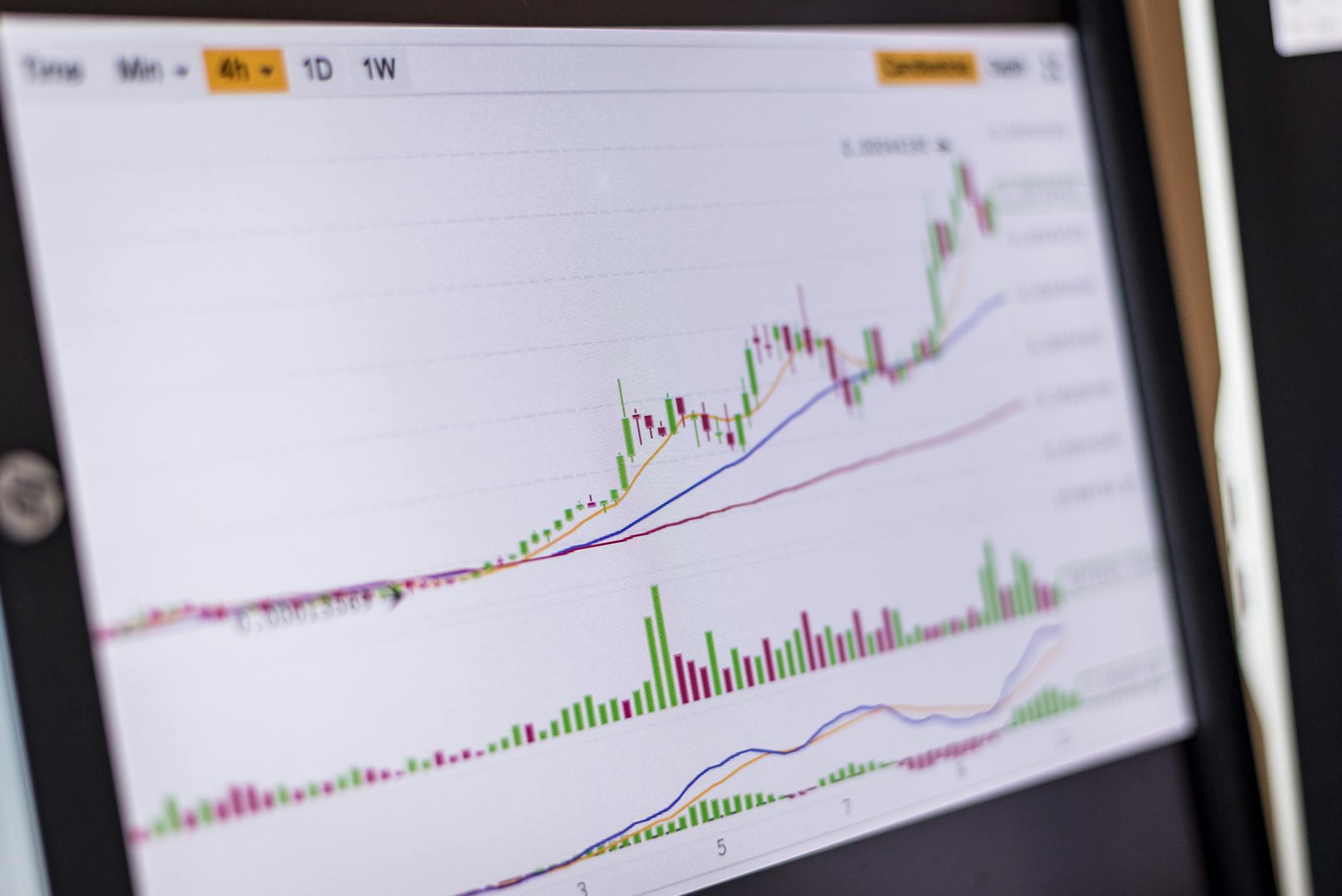
One practical reality check is that Pokemon card collecting has become professionalized. In 2020-2021, speculators flooded the market, buying and grading modern and vintage cards with the explicit goal of reselling them later. This created a temporary price bubble in many categories, especially modern PSA 10 cards. By 2023-2024, prices for many graded cards had declined 30-50% from their peaks, signaling that speculation alone cannot sustain indefinite growth. A PSA 10 Base Set card is no longer the exclusive domain of dedicated collectors; it’s also the target of portfolio investors treating it like a financial asset. This professionalization cuts both ways. On one hand, increased liquidity and auction competition can drive prices up when high-end cards go to auction.
On the other hand, the presence of speculators means prices can crash quickly if sentiment shifts. If the current generation of young collectors stops valuing Pokemon cards as much as millennials do, demand for vintage cards could decline sharply. Base Set Charizard might still hold value, but a PSA 10 Machamp or Magneton could see significant depreciation. The tradeoff is between scarcity and demand. A PSA 10 Base Set card has absolute scarcity, but scarcity alone doesn’t create value—demand does. As long as collectors view PSA 10 Base Set cards as status symbols and wealth stores, prices will rise. The moment that perception shifts, even a perfect PSA 10 card can lose market value rapidly. This is the key limitation of betting on any collectible reaching a specific price target: you’re betting on sustained cultural consensus, not on objective factors like rarity or condition.
Regrading Risk and Authentication Concerns
A critical hidden risk in the PSA 10 space is the possibility of authentication issues. While outright counterfeiting of Base Set cards is rare (the cards predate advanced counterfeiting techniques), there have been instances of trimmed cards, cards with altered coloring, and even PSA-certified cards later questioned by experts. If a PSA 10 Base Set card is ever questioned by a major auction house or collector community, its value can collapse overnight, regardless of the PSA label. Additionally, there’s the question of whether PSA itself remains in business and maintains its market dominance. PSA was sold to Nat Turner’s Collectors Universe and has faced operational issues and grading delays in recent years.
If PSA were to collapse as a company, the secondary market for PSA-graded cards could face a liquidity crisis. Collectors and investors would scramble to have cards regraded by competing services, and the chaos could depress prices. This is an extreme scenario but not impossible; the grading industry has experienced major disruptions before. The practical implication is that a PSA 10 card is a liquid asset only as long as the PSA brand retains market trust and the Pokemon collecting hobby retains cultural relevance. These are not guaranteed conditions indefinitely. A million-dollar PSA 10 Base Set card is a valuable asset, but it’s still fundamentally dependent on buyer confidence in a niche hobby, making it riskier than other million-dollar collectibles in more established markets like fine art or classic cars.
The Role of Print Variations and Rarity Tiers
Within the PSA 10 category, there are significant variations in rarity that most casual collectors overlook. The Base Set Charizard, for example, has several print variations: first edition, unlimited, and shadowless versions. A PSA 10 first edition shadowless Charizard is worth significantly more than a PSA 10 unlimited Charizard, sometimes 5-10 times the price.
If you own a PSA 10 Base Set Charizard but it’s the unlimited edition, your card is worth perhaps $50,000-$80,000, not approaching the million-dollar threshold. These variations are increasingly important as prices rise because collectors and investors become more sophisticated about the distinctions. A dealer or auction house will immediately identify the edition of your PSA 10 card and adjust pricing accordingly. The implication is that not all PSA 10 Base Set cards are equal, and many PSA 10 cards in the market today are the more common unlimited or later printings that will never reach million-dollar status, even with perfect grading.
Future Outlook and Sustainability of Growth
The Pokemon card market has stabilized somewhat since the 2020-2021 boom, settling into a more measured growth pattern. High-end vintage cards like PSA 10 Base Set holos continue to appreciate, but at a slower pace than the exponential growth of the boom years. Industry experts generally believe that PSA 10 Base Set Charizards will eventually sell for a million dollars, but timing is uncertain and dependent on factors like collector generational wealth, cultural nostalgia trends, and continued Pokemon franchise relevance.
Looking forward, the sustainability of Base Set card values depends on the Pokemon Company’s ability to keep the franchise culturally relevant for another 20-30 years. If Pokemon remains a defining cultural touchstone for millennials and attracts new generations of collectors through video games, trading cards, and entertainment media, then Base Set cards will likely continue appreciating. If the franchise fades or becomes seen as dated, vintage card values could stagnate. The most likely scenario is that PSA 10 Base Set cards become increasingly exclusive luxury assets, reaching million-dollar status for the absolute rarest cards (Charizard, Pikachu promos, Venusaur) while other Base Set cards plateau in the $50,000-$200,000 range.
Conclusion
A PSA 10 Base Set Charizard, Blastoise, or Venusaur could realistically sell for a million dollars in the next 5-10 years, given current price trajectories and collector demand. The conditions required are scarcity (which is fixed), cultural significance (which is strong), and sustained collector interest (which is plausible but not guaranteed). However, not all PSA 10 Base Set cards are created equal; most will never reach a million dollars, and prices are subject to market cycles and shifts in collector preference.
Before investing in a PSA 10 Base Set card as a wealth-building strategy, understand that you’re betting on sustained cultural relevance, grading service stability, and collector sentiment—not just on the card’s rarity or condition. The card itself is a real asset, but it’s an alternative asset with concentrated risk. A million-dollar PSA 10 Base Set card is possible; it’s just not probable for the vast majority of cards in that grade.
Frequently Asked Questions
What’s the difference between PSA 10 and PSA 9 in terms of value?
The difference is typically 30-50% or more, depending on the card. A PSA 9 Base Set Charizard might sell for $150,000-$200,000, while a PSA 10 sells for $350,000+. The higher the starting price, the larger the absolute gap between grades.
If I own a PSA 10 Base Set card, should I get it regraded with a different grading service?
Generally, no. The cost of regrading ($300-$1,000) and the risk of receiving a lower grade (which tanks value) usually outweigh any potential benefit. Keep your existing PSA 10 label unless you suspect the card was mis-graded.
Are PSA 10 modern cards ever going to be valuable?
Not at the same level as vintage PSA 10 cards. Modern PSA 10 cards exist in much higher quantities, so scarcity is minimal. A PSA 10 modern Charizard might fetch $1,000-$5,000 today, but it’s unlikely to appreciate significantly because millions of modern cards are in near-perfect condition.
What’s the best PSA 10 Base Set card to buy as an investment?
The holographic starter trio (Charizard, Blastoise, Venusaur) and the Pikachu have the strongest appreciation history and collector demand. Avoid non-holographic or common cards in PSA 10; they rarely appreciate significantly.
How much does authentication risk affect PSA 10 card values?
Significantly, though most Base Set cards are safe from counterfeiting. The real risk is that PSA itself faces reputation damage or operational collapse, which could crater the secondary market for PSA-graded cards temporarily.
Will PSA 10 Base Set cards ever be worth less than they are today?
Yes, it’s possible in scenarios like Pokemon franchise collapse, major recession, or grading service failure. However, the long-term trend for the rarest cards is upward appreciation due to fixed supply and generational wealth growth.