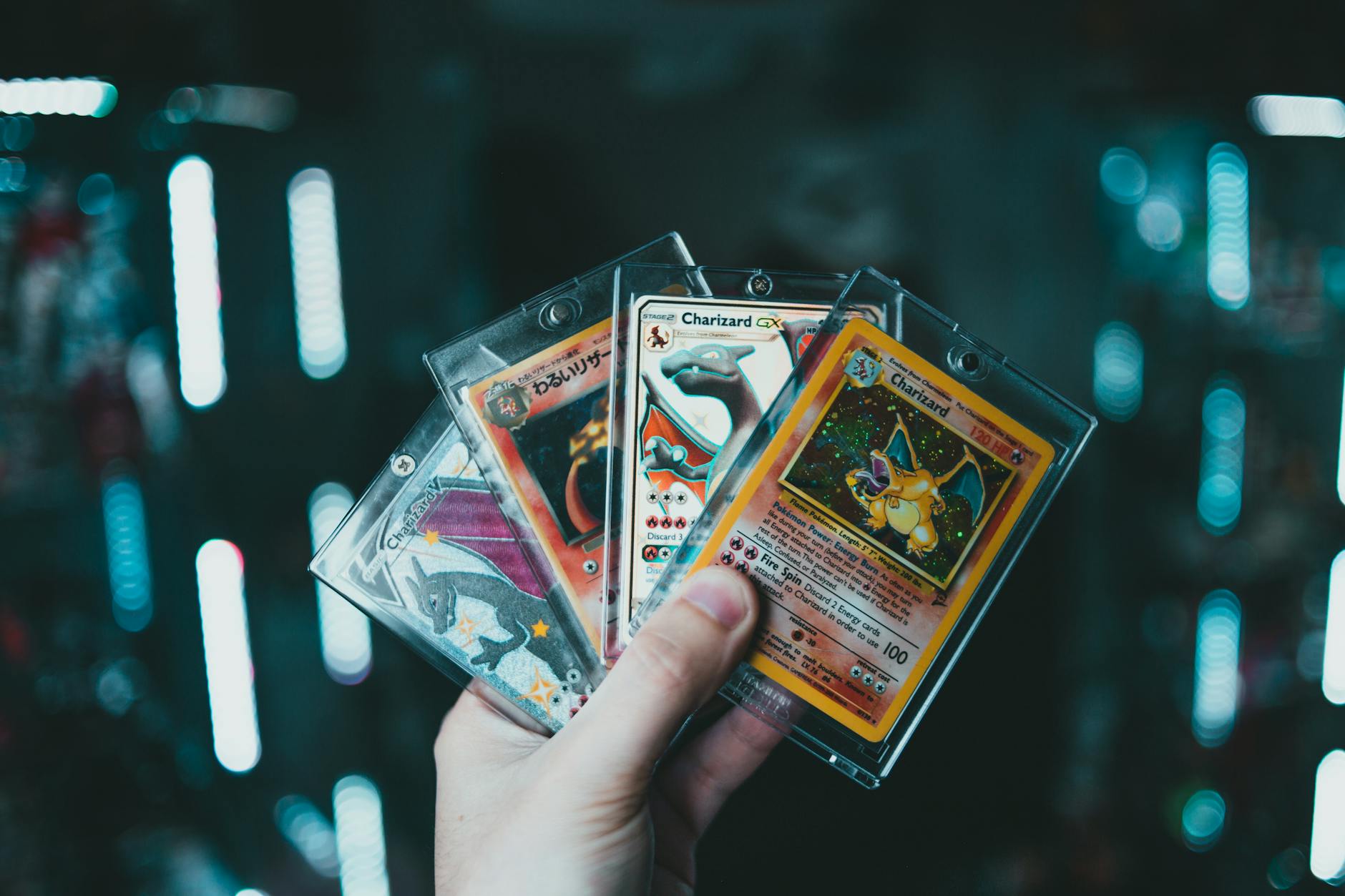
Yes—vintage Pokémon cards are already becoming the grails of Gen Alpha collectors, and the trajectory is clear. Gen Alpha, now ages 4 to 19, is driving a generational shift in how young people view collectibles. While Millennials and Gen Z built the nostalgia-driven foundation for Pokémon card collecting over the past two decades, Gen Alpha is approaching the hobby differently—as a tradable lifestyle asset and genuine investment portfolio. Cards like the PSA 10 1st Edition Shadowless Charizard, which sold for $347,328 in 2024, represent the pinnacle many young collectors now aspire toward, even if they’ll never own one themselves. This isn’t just speculation. The data supports it.
Gen Z drives 56% of all collectibles spending in 2025, and Gen Alpha is rapidly joining them. The Pokémon trading card market reached $1.8 billion in sales during 2024 alone, embedded within a larger $2.2 billion global TCG market that grew 25% year-over-year. At Northridge Elementary in Oklahoma City, 60 students signed up for a Pokémon card club—so many that the teacher had to triple meeting frequency. These aren’t isolated pockets of enthusiasm; they’re signals of a fundamental demographic shift in which generations will define “grails” in the collectibles space. The question isn’t whether vintage cards will become grails for Gen Alpha. They already are. The real question is what happens to the market when Gen Alpha enters peak earning years with the financial capacity to pursue them seriously.
Table of Contents
- What Makes a Vintage Card a Grail for the Next Generation?
- The Market Reality Behind Vintage Card Valuations
- Why Gen Alpha Is Rushing Into the Market Now
- Investment Performance and Long-Term Returns
- Modern Releases Create a Cautionary Tale
- The Grail Psychology and Social Currency
- The Timeline for Gen Alpha Grail Ownership
- Conclusion
What Makes a Vintage Card a Grail for the Next Generation?
A grail card—in collecting terminology—is the one card every collector dreams of owning but rarely expects to acquire. For decades, vintage grails were defined by their scarcity, age, and condition. A 1st Edition Charizard from the Base Set is a grail because it’s more than 25 years old, millions were printed but far fewer survive in high grades, and its cultural significance predates most current collectors’ births. Gen Alpha is inheriting this framework from their older siblings and parents, but they’re adding something new: the treatment of vintage cards as legitimate investment vehicles.
Gen Alpha collectors are researching these cards on YouTube, trading them in schoolyards with calculated intention, and monitoring their secondary market prices on eBay—where pokémon generates 14,000 searches per hour, according to 2024 data. They understand that a PSA 10 Base set charizard graded at $16,270 is not just a cool piece of nostalgia; it’s an asset whose value has increased 3,261% over 20 years, outperforming most traditional investments. This mentality isn’t unique to card collecting anymore—Gen Alpha sees collectibles the same way they see everything else with perceived scarcity: as something worth accumulating and monitoring. The difference between Gen Alpha and previous generations is that they don’t necessarily expect to build their grail collections slowly through childhood and adolescence. They expect to acquire them faster, and they’re more willing to treat vintage cards as financial instruments rather than just artifacts to display on a shelf.

The Market Reality Behind Vintage Card Valuations
The numbers are genuinely striking. Sealed vintage product remains the “safest bet for long-term holds,” according to market analysis from 2025, while modern graded and ungraded cards show speculative bubble signs. This distinction matters for Gen Alpha collectors trying to understand where their money should go. A PSA 10 1st edition Shadowless Charizard commanding $347,328 isn’t an outlier—it’s part of a consistent trend where vintage cards maintain and grow value in ways modern releases struggle to replicate. The Base Set Charizard presents a clear case study. Ungraded versions hover around $1,900, while a PSA 10 example fetches $16,270. The grading premium exists because condition is everything for vintage cards.
A card that’s been played with, stored poorly, or exposed to light deteriorates in ways that can’t be reversed. Gen Alpha collectors are learning this lesson earlier than previous generations, which means the supply of pristine vintage cards grows more constrained each year as older copies degrade and exit circulation. However, there’s a crucial limitation here: vintage cards are finite. The Base Set printed millions of cards, but the number of high-grade survivors is countable in the thousands. For Gen Alpha, this creates a mathematical ceiling. Not every collector can own a PSA 10 Charizard, no matter how much the generation collectively values them. That’s what makes them grails.
Why Gen Alpha Is Rushing Into the Market Now
The inflection point is happening in real time. Pokémon cards experienced a massive retail surge from 2020 to 2022—supply shortages, celebrity endorsements, and lockdown spending created what many in the industry now call a bubble. That bubble has cooled, but it fundamentally shifted how mainstream Pokémon collecting became. Gen Alpha never experienced a world where Pokémon cards were niche. For them, this is a normal hobby. The intensity of engagement is striking. At card shops, school-yard trading floors, and online communities, Gen Alpha is absorbing information about card rarity, grading, and investment potential at a pace previous generations couldn’t match.
They have YouTube, TikTok, Discord servers, and Reddit communities dedicated to explaining why a vintage charizard matters. The 14,000 hourly eBay searches for Pokémon represent a mixture of impulse collectors, casual buyers, and serious Gen Alpha investors all competing for the same finite supply. This early market engagement creates a compounding effect. As Gen Alpha matures and gains disposable income, they’ll have spent their formative collecting years understanding vintage card valuations. When they enter peak earning years in their 20s and 30s, they’ll have the knowledge and emotional attachment to spend significant money on their grails. That’s how Millennials created the modern Pokémon card market—by nostalgia spending and retroactive investment. Gen Alpha is poised to do the same, but with better information and earlier intervention.

Investment Performance and Long-Term Returns
The comparison is unavoidable: Pokémon trading cards have returned 46% annually on average, outperforming the S&P 500. Over 20 years, certain vintage cards have appreciated 3,261%—a return profile that attracts not just collectors but genuine investors. For Gen Alpha, this performance history is real. It’s not speculative or backward-looking; it’s documented market data. This level of return creates an unusual dynamic. Parents who grew up with Pokémon in the 1990s are now considering vintage cards for their children as alternative assets—similar to how previous generations viewed baseball cards or coins.
The difference is that Pokémon cards are more accessible to younger collectors, easier to trade digitally and physically, and have transparent pricing data available online. A Gen Alpha collector can check the value of their collection on any given day, which wasn’t true for earlier generations of collectibles enthusiasts. The tradeoff, however, is significant: past performance doesn’t guarantee future returns. The 46% annual average assumes a diverse portfolio of cards across multiple sets and grades. An individual collector who concentrates on a single card or a narrow subset is taking on concentration risk. If Gen Alpha collectors all migrate toward the same handful of chase cards—like the 1st Edition Charizard—demand will spike, but supply can’t increase. That’s when prices become detached from fundamentals and vulnerability to correction increases.
Modern Releases Create a Cautionary Tale
The market has already shown warning signs. Elite Trainer Boxes for Paldean Fates, which should retail at around $50, spiked to $216 on the secondary market—a 332% increase driven by retail scarcity and speculation. This isn’t about vintage card value. This is about modern product being artificially constrained and resold at inflated prices. Gen Alpha collectors are participating in this market with real money, and not all of them understand the distinction between grail vintage cards and speculative modern releases. This distinction is critical. Vintage cards have 25+ years of historical data supporting their valuations. Modern cards released in 2024 or 2025 don’t have that track record.
A Paldean Fates box commanding $216 might be worth $30 in five years if the hype cools and supply normalizes. A 1st Edition Charizard, by contrast, has weathered decades of market cycles and still commands astronomical prices. Gen Alpha collectors who confuse the two are taking on risks they may not fully appreciate. The warning here is that grails and hot releases are different categories. Grails are defined by scarcity, age, and historical validation. Hot releases are defined by current demand and retail constraints. Gen Alpha needs to understand this distinction before deploying significant capital into modern product hoping it becomes tomorrow’s grail. The market data suggests that sealed vintage product is the proven store of value, not just-released modern boxes, no matter how scarce they are today.
The Grail Psychology and Social Currency
For Gen Alpha, a grail card operates on two levels: it’s both a personal goal and a social marker. Owning or pursuing a high-value vintage card signals knowledge, commitment, and financial capability within collecting communities. That psychology is powerful and shows no signs of weakening. When a Gen Alpha collector brings a PSA 10 Base Set Charizard to school—even if they don’t own it outright but are saving for it—that’s social currency. This dynamic accelerates the shift toward vintage cards as grails.
A modern Elite Trainer Box, even at $216, doesn’t carry the same cultural weight as a Shadowless Charizard or a Blastoise from the Base Set. Vintage cards have the narrative. They have the history. They have the stories of other collectors who chased them for years or decades. That narrative appeal is part of why they’re becoming grails for Gen Alpha—not just because they’re investable, but because they’re worth wanting.
The Timeline for Gen Alpha Grail Ownership
The realistic timeline for widespread Gen Alpha ownership of true grail cards is longer than many expect. Even as the generation enters high school and early college, most vintage cards remain out of financial reach. A $347,000 Charizard is aspirational, not accessible. But mid-tier vintage cards—PSA 7 or PSA 8 examples of chase cards—are becoming within reach for affluent Gen Alpha collectors in their late teens.
This creates a tier system: the ultimate grails (PSA 9–10 1st Edition cards), the achievable grails (PSA 7–8 vintage cards), and the starter grails (raw vintage cards or lower-grade examples). By the time Gen Alpha reaches their 30s, the oldest members of the generation will have had 25+ years to accumulate wealth and vintage card collections. That’s when the market for grail cards could accelerate meaningfully. We’re likely looking at a 10–15 year window before Gen Alpha becomes the primary demographic for top-tier vintage card purchases. That timeline matters because it affects which cards are likely to remain scarce and valuable by then, and which modern cards might develop historical significance in retrospect.
Conclusion
Vintage Pokémon cards are already becoming the grails of Gen Alpha collectors, but not overnight. The transition is gradual and driven by demographic momentum—Gen Z is currently the primary spender in the collectibles market, but Gen Alpha is rapidly joining them with different expectations and more sophisticated market knowledge. The market data is unambiguous: $1.8 billion in Pokémon TCG sales in 2024, vintage cards appreciating at rates that dwarf traditional investments, and sustained intense engagement from younger collectors all point to a sustained and serious collector base.
The smart move for Gen Alpha collectors is to distinguish between grail vintage cards—which have proven scarcity and value retention—and speculative modern releases, which carry bubble risk. The data supports vintage sealed product and high-grade vintage cards as the safest long-term holds, while modern graded and ungraded cards show signs of speculative excess. As Gen Alpha enters peak earning years, expect to see intensified competition for the same finite pool of vintage cards that define the category, particularly for 1st Edition and Shadowless versions of chase cards. That’s not speculation; it’s math, demographics, and market history converging on a single outcome.
You Might Also Like
- Could Vintage Pokémon Cards Become the Next Category of Museum-Level Collectibles?
- Why Vintage Pokémon Cards May Keep Growing After Today’s Collectors Age
- Why Pokémon Base Set Cards Could Become the Foundation of Serious TCG Investing