
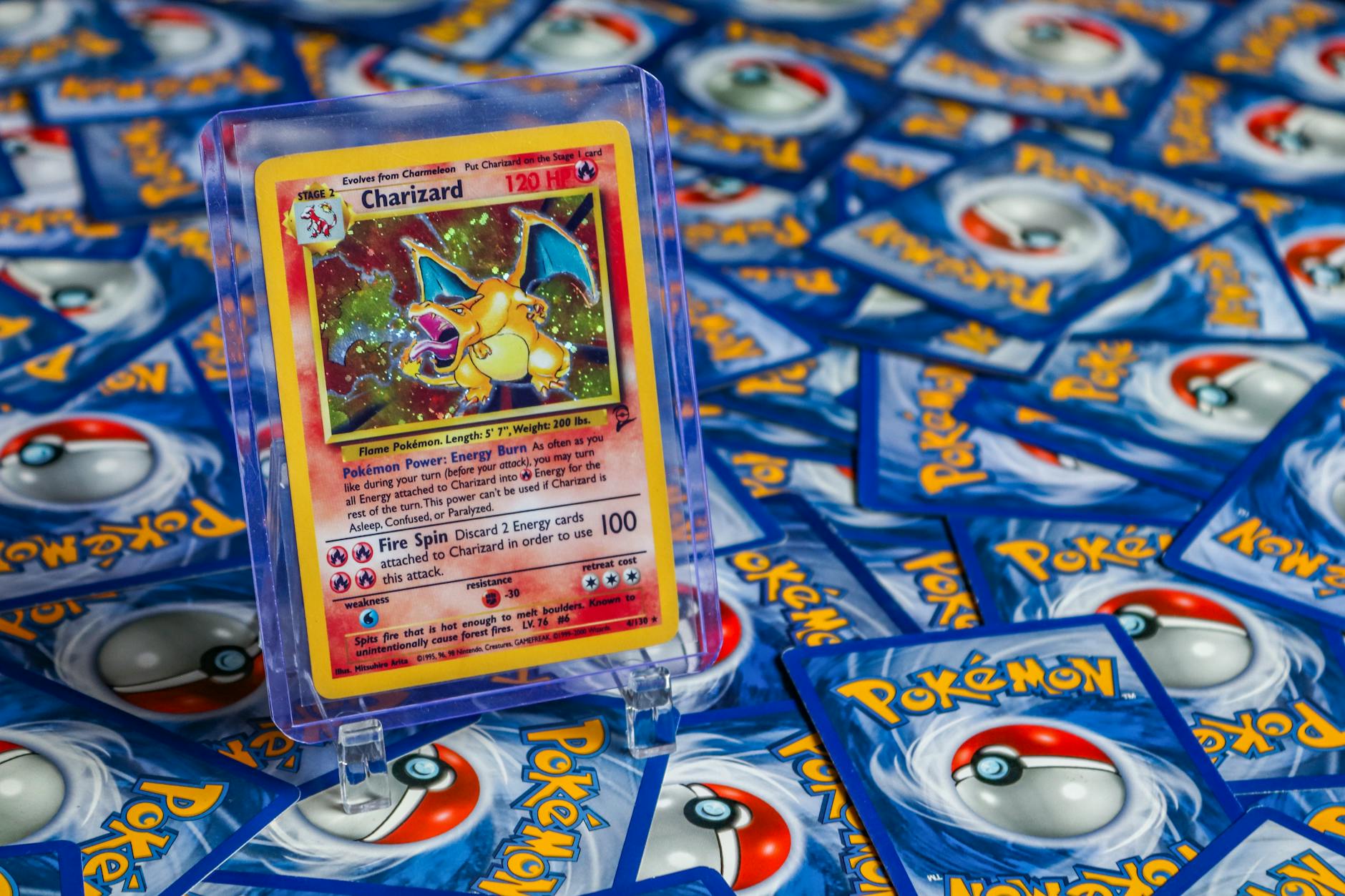
A 2000 Pokémon Base Set 2 #4 Charizard graded CGC 8.5 is worth approximately $300–$400 in today’s market, based on comparable sales data for similar grades and conditions. This price range reflects the card’s strong demand among collectors, its relative rarity from the Base Set 2 release, and the premium placed on certified grading. The exact value can fluctuate based on whether the card is being sold through a dealer, auction platform, or private sale, and market conditions for vintage Pokémon cards continue to shift as collector interest evolves.
To put this in perspective, a CGC 8 graded Base Set 2 Charizard recently sold for $325.00, which serves as a useful benchmark for understanding CGC 8.5 pricing in this market. Since CGC 8.5 sits between CGC 8 and CGC 9 on the grading scale, you can expect values to sit somewhere between confirmed CGC 8 sales and the premiums commanded by higher grades. The challenge with CGC 8.5 pricing specifically is that recent sales data for this exact grade is limited, meaning sellers and buyers often rely on comparable grades to establish fair market value.
Table of Contents
- What Makes a Base Set 2 Charizard Valuable?
- Understanding CGC 8.5 Grading and Its Market Position
- Comparing CGC 8.5 to Other Grading Companies
- How to Price Your Specific Card for Sale
- Risk Factors and Market Volatility
- Seasonal Trends and Timing Your Sale
- The Future of Base Set 2 Charizard Values
- Conclusion
What Makes a Base Set 2 Charizard Valuable?
The Base Set 2 Charizard #4 is one of the most recognizable and desirable cards from the Pokémon Trading Card Game’s earliest era. Released on February 24, 2000, this card had a pull rate of approximately 1 in 60 packs, making it significantly rarer than common cards but still available in reasonable supply compared to true chase cards. The combination of its iconic Charizard artwork, its role as a powerful holographic rare, and its connection to the classic 1999–2000 Pokémon card boom has kept demand consistently strong across decades. The market for Base Set 2 Charizards demonstrates clear price stratification by grade and condition.
Ungraded copies in the Base Set 2 Unlimited edition typically trade in the $300–$500 range depending on condition, while graded examples command more predictable pricing because certification provides transparency. For perspective, psa graded examples show sales at PSA 6 around $360 and PSA 2 near $330, illustrating how even lower grades maintain significant value due to the card’s inherent desirability. One important limitation to consider is that Base Set 2 Charizards are not the most valuable Charizard cards from the era. The original Base Set Charizard #4/102 commands dramatically higher prices—PSA 10 examples sell for $15,000 or more—because the original Base Set had lower print runs and different market conditions. Collectors sometimes confuse the two releases, so confirming your card is actually Base Set 2 rather than Base Set 1 is essential.
Understanding CGC 8.5 Grading and Its Market Position
cgc 8.5 is considered a near-mint to mint grade, placing your card in the upper tier of quality without reaching the perfection implied by a CGC 9 or CGC 10. At this grade level, the card should show minimal wear under normal viewing, with perhaps very light corner or edge wear visible only under close inspection. For vintage cards from 2000, achieving a CGC 8.5 already indicates exceptional preservation, as most cards from that era were played with, stored improperly, or both. The premium between grades compounds as you move up the scale, but the increases aren’t linear.
Moving from CGC 8 to CGC 8.5 might add 5–15% to the value, whereas jumping from CGC 8.5 to CGC 9 could add 30–50% depending on collector demand and availability of higher-grade examples. This means your CGC 8.5 sits in a sweet spot where it’s valuable enough to justify grading costs but still accessible to more collectors than exceptional grades would be. A significant warning for buyers: always verify that the CGC label is authentic and that the card inside matches the label’s description. Counterfeit grading labels have surfaced in the market, particularly for high-value cards. Purchase from reputable dealers, use buyer protection services on platforms like eBay, and request detailed photos showing the label security features and the card’s condition from multiple angles before committing to a purchase.
Comparing CGC 8.5 to Other Grading Companies
While CGC is one of the most respected grading companies for pokémon cards, PSA grading is also widely recognized and sometimes more common in older collections. The comparison between grades across companies is imperfect—a PSA 8.5 equivalent might be graded differently by CGC due to different standards. However, sales data shows that CGC 8 and PSA 8 grades perform similarly in the market for Base Set 2 Charizards, with both clustering around the $300–$350 range for recent transactions. Bvg (Beckett Grading Services) grading exists for Pokémon but is less common in the modern market, making it harder to establish reliable comps.
If you encounter a BVG graded Base Set 2 Charizard, research recent BVG sales specifically rather than relying on CGC or PSA comps, as demand and liquidity differ. Some collectors actively seek CGC grading over PSA for personal preference reasons, which can create small but meaningful price differences. The downside of holding a card in a less common grading service is that you may face slightly lower demand when trying to sell, even if the card’s quality is identical. This is purely a market preference factor, not a reflection on the card’s actual condition. If you already own a CGC 8.5 Charizard, this is not a major concern since CGC is widely accepted; but if you’re considering getting a card graded, CGC and PSA are the safer choices for eventual resale.
How to Price Your Specific Card for Sale
If you’re selling a CGC 8.5 Base Set 2 Charizard, the most reliable pricing approach is to check completed listings on eBay filtered for CGC 8.5 specifically over the past 30–90 days. This real-time market data shows what actual buyers paid, removing the guesswork from asking price estimates. You should also check specialized platforms like the price guide and PokeData, which aggregate transaction data and can show historical pricing trends. When listing for sale, pricing slightly below recent comps often attracts quicker sales, while pricing at the top of the range requires patience and the right buyer.
For a CGC 8.5 example, listing between $350–$400 is reasonable based on current market conditions, but the exact number should reflect the specific card’s eye appeal, centering, and whether it has any subtle flaws visible at CGC 8.5 level. Some collectors pay premiums for exceptionally clean examples even within the same grade. The tradeoff here is between speed and price: underselling gets your card to cash faster, while holding out for top dollar risks the card sitting in inventory for weeks or months. Graded vintage cards don’t typically gain value rapidly, so the opportunity cost of capital is worth considering. If you need the funds soon, accepting offers in the $340–$360 range is often more practical than waiting months for a $400+ buyer.
Risk Factors and Market Volatility
The market for vintage Pokémon cards has experienced significant volatility since the 2020–2021 speculative boom. While the Base Set 2 Charizard has maintained value better than many cards, prices did experience a correction from their peaks. A card that might have sold for $450–$500 in late 2021 may now command $300–$400, depending on the specific grade. This volatility is important to acknowledge if you’re holding the card as an investment rather than for personal collecting. Another risk factor is the emergence of new Pokémon card products and the occasional reprints of older designs.
While Charizard remains iconic, market interest can shift if new collector-focused products launch or if major news stories affect the hobby’s appeal. The CGC 8.5 grade provides some insulation from these shifts because the card’s inherent quality is objectively documented, but no grade can eliminate market risk entirely. A final warning concerns storage and handling after purchase. A CGC 8.5 card should be stored in stable conditions away from light, heat, and humidity. Even in a CGC case, stacking cards or storing cases vertically in very hot or cold environments can accelerate label separation or internal card deterioration. If you own a card at this grade level, treat it as a collectible to preserve, not a trading card to shuffle around in a collection.

Seasonal Trends and Timing Your Sale
Pokémon card market activity typically peaks in spring and early fall, when collector interest and discretionary spending both increase. If you’re considering selling a CGC 8.5 Charizard, timing your sale to coincide with higher-demand periods may yield slightly better prices.
Summer and late December, conversely, often see reduced activity as buyers are on vacation or spending money elsewhere. Specific events like major Pokémon TCG tournaments, new set releases, or media announcements can also drive short-term price spikes in vintage cards as collector interest rises. While impossible to predict perfectly, monitoring Pokémon TCG news can help you identify windows when demand is particularly strong.
The Future of Base Set 2 Charizard Values
The Base Set 2 Charizard has proven remarkably durable in value over the past two decades, suggesting it will likely remain collectible and desirable for the foreseeable future. Unlike speculative bulk purchases from the 2021 boom, authentic Base Set cards from 2000 represent genuine vintage collectibles with established collector bases that aren’t purely trend-dependent.
Looking forward, CGC 8.5 graded examples are well-positioned in the market because they represent high quality without the extreme scarcity and pricing of PSA 10 or CGC 9 examples. As the Pokémon hobby matures and collectors age, pristine but non-perfect graded vintage cards often appreciate as collectors seek authenticity and established provenance through grading.
Conclusion
A 2000 Pokémon Base Set 2 #4 Charizard graded CGC 8.5 is worth approximately $300–$400, with recent CGC 8 sales providing reliable benchmarks at $325 and PSA comparables anchoring the range further. The exact value depends on market conditions, buyer availability, and the specific card’s eye appeal within the grade, but this range reflects fair market value based on current transaction data.
If you’re considering buying, selling, or holding this card, research recent completed sales in your specific grade, verify the authenticity of any CGC label, and store the card carefully to preserve its condition. The Base Set 2 Charizard has proven to be one of the hobby’s most enduring collectibles, and a well-preserved CGC 8.5 example represents a solid piece of Pokémon card history with both collecting and investment merit.
You Might Also Like
- Price for 2000 POKEMON BASE SET 2 #1 ALAKAZAM CGC 10
- How Much is a 1999 POKEMON BASE SET 1ST EDITION #2 BLASTOISE-HOLO PSA 7?
- 2000 POKEMON GAME BASE II #16 RAICHU-HOLO – Value for a PSA 7 as of May 2026