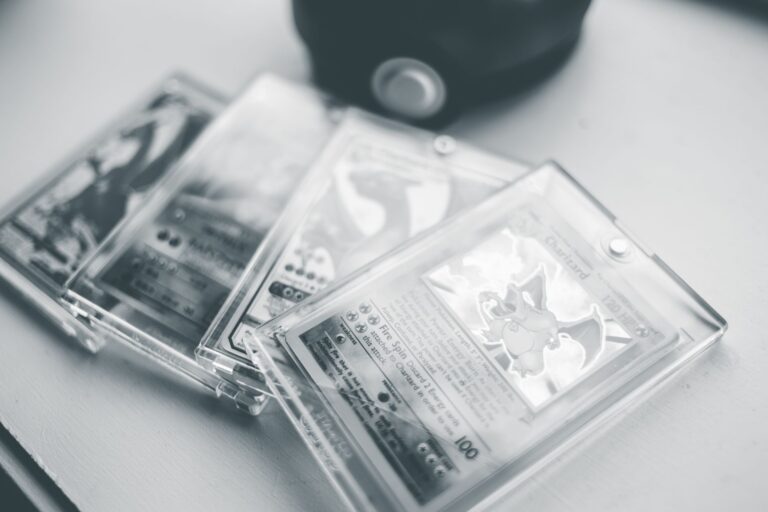
Charizard’s cultural dominance in the Pokémon trading card hobby makes it virtually certain that Base Set values will continue climbing, driven by the card’s unparalleled collectibility and scarcity at top grades. The proof is already in the market: a Japanese Base Set Charizard achieved a record-breaking $1.7 million sale in March 2026 with a PSA 10 grade—the first Charizard ever to cross the $1 million threshold. This milestone didn’t arrive by accident. It reflects years of consistent demand, the exhaustion of high-grade supplies, and a cultural status that positions Charizard as the defining card of the entire hobby. What separates Charizard from other valuable Pokémon cards is not merely rarity, though that matters.
It’s the intersection of nostalgia, iconic design, limited supply at gem mint condition, and the card’s psychological role in collectors’ portfolios. Charizard Base Set copies have become what experts call “the 1952 Topps Mickey Mantle of Pokémon”—a benchmark asset that defines the health of the entire market. When institutional investors and seasoned collectors reduce their holdings, the PSA 10 Charizard is the last card they sell, treated as a blue-chip reserve asset rather than a tradeable commodity. The cultural status propelling these values higher is multifaceted and self-reinforcing. Charizard has remained the most collected and traded Pokémon card across all eras, a position it has held consistently since the hobby’s modern resurgence. As long as that cultural weight remains, pressure on values will only increase.
Table of Contents
- Why Does Charizard’s Iconic Status Drive Prices Beyond Rarity Alone?
- The Scarcity Ceiling That Makes Supply Increasingly Inelastic
- How Holographic Variants Amplify the Price Gradient
- Market Forecasts and Realistic Appreciation Expectations for 2026
- Grade Compression and Authentication Risk as Supply Tightens
- International Demand and Currency Effects on Pricing
- What Comes After the Record-Breaking Moment
- Conclusion
Why Does Charizard’s Iconic Status Drive Prices Beyond Rarity Alone?
Rarity is necessary but insufficient to explain Charizard’s explosive valuations. Many pokémon cards are genuinely scarcer in high grades than Charizard—cards from obscure sets, misprint variants, or regional releases that saw minimal production. Yet none command the prices or bidding competition that Charizard attracts. The difference lies in cultural narrative and emotional resonance. Charizard is the evolved form of Charmander, Ash Ketchum’s starter Pokémon in the anime, one of the original 151, and one of the few Base Set cards that has remained culturally relevant across 30 years of Pokémon media.
That narrative weight translates directly into demand. Consider the contrast: a shadowless Base Set Charizard sold for $954,800, while a similarly graded shadowless Blastoise or Venusaur (equally rare) would struggle to reach a quarter of that price. The buyer for the Charizard is not simply acquiring an old cardboard rectangle; they are acquiring a piece of Pokémon’s cultural foundation. That narrative appeal is worth hundreds of thousands of dollars in premium pricing. As more collectors understand this dynamic—that Charizard functions as a cultural bellwether rather than just a trading card—demand will continue to outpace the finite supply of PSA 10 examples.
The Scarcity Ceiling That Makes Supply Increasingly Inelastic
The actual supply of high-grade Charizard Base Set is shockingly finite. Experts estimate only 122 to 124 psa 10 examples exist worldwide across all variants, a number that has remained remarkably stable because the population set is largely closed. Most remaining high-grade copies are either in private vaults, institutional collections, or held by dealers with no intention to sell at current prices. This means the effective supply of PSA 10 Charizards available for sale in any given year is measured in single digits, not dozens. The problem—or opportunity, depending on your perspective—is that this supply cannot increase meaningfully. Ungraded Base Set Charizards still in circulation have already been carefully evaluated by serious collectors and graders.
The remaining raw cards are either damaged, mishandled, or held by owners who don’t understand their value. Unearthing a fresh PSA 10 Charizard from an estate or unknown collection is now statistically unlikely. This makes the current supply list functionally closed, and any inflation in demand will push prices higher purely through scarcity mechanics. A warning worth noting: this logic assumes Charizard’s cultural status remains stable. If the Pokémon Company significantly reprints classic Charizard variants or if newer, more accessible Charizard cards capture collectors’ imaginations, the narrative premium could compress. However, even reprints introduce a fundamental distinction—recent anniversary reprints with gold stamps are collectible in their own right but are easily distinguished from original Base Set copies, so they don’t meaningfully increase supply of the original cards.
How Holographic Variants Amplify the Price Gradient
Charizard comes in multiple Base Set variants, and the grade structure reveals how cultural icons command exponential premiums. Holographic versions command 500 to 1,000 percent premiums over non-holographic copies of the same card, a gap far wider than most Pokémon cards experience. A PSA 10 holo Charizard can be 50 times higher in value than a PSA 7 copy, demonstrating that collector demand is intensely concentrated at the top of the condition scale. This condition-based premium matters because it shows how scarcity compounds at elite grades. There are perhaps 10,000 to 15,000 Charizard Base Set cards in circulation at all grades. But there are only a handful of PSA 10s.
As wealth concentrates and institutional buying increases, collectors are willing to pay exponentially more for the absolute best copies. A collector with $100,000 to allocate might once have purchased five PSA 8 Charizards; now that same collector might buy a single PSA 10 instead. This shift in capital allocation toward the top of the market is what pushes values higher. The 30th Anniversary reprints released in February 2026 with holographic variants and gold stamps created a parallel supply of modern Charizard cards, but they actually reinforce rather than undermine the original Base Set premium. New collectors who can afford the modern anniversary reprints become educated about Charizard’s value and significance. When they understand the pedigree of the original Base Set version, many eventually aspire to it, funnel money into the market, and become competition for existing collectors.
Market Forecasts and Realistic Appreciation Expectations for 2026
Industry analysts predict 30 to 50 percent appreciation for high-grade Base Set Charizard specimens throughout 2026, though that figure deserves context. First, these predictions apply almost exclusively to PSA 10 and PSA 9 examples; lower grades may appreciate far more modestly or stagnate. Second, even within the PSA 10 category, appreciation varies by variant—1st Edition copies may outperform unlimited printings, and holographic variants may outpace non-holographic copies. The broader market context supports these projections. The top tier of vintage Pokémon card values has surpassed 2021 peak levels and maintained stability with institutional demand as of February 2026.
Unlike the speculative bubble of 2020-2021, this recent stability is backed by deeper institutional participation, increased international demand, and a growing cohort of collectors who view Charizard not as a trading vehicle but as a wealth preservation asset. That shift from speculation to conviction is what differentiates the current market from past cycles. One practical tradeoff: higher appreciation forecasts assume continued strong demand and no major supply shocks. If economic conditions deteriorate or if major collections enter the market liquidation, prices could compress even if the long-term trajectory remains upward. Additionally, liquidity at the $1 million+ price point is limited. A PSA 10 Charizard may be worth $1.7 million based on recent comp sales, but finding a buyer at exactly that price in the next 12 months is a different challenge from owning the card with conviction.
Grade Compression and Authentication Risk as Supply Tightens
As Charizard values climb, the stakes of grading and authentication intensify. The gap between a PSA 10 and PSA 9 is worth hundreds of thousands of dollars, which creates pressure on grading consistency and exposes authentication weaknesses. Historically, graders have made mistakes on high-value cards—either overgrading valuable specimens or undergrading them. With $1.7 million sales now occurring, the incentive to cross-grade (submit to another grading service seeking higher grades) increases, and the potential financial exposure of authentication errors becomes material. For buyers, this means extreme caution is justified before acquiring ultra-high-value Charizards.
Verify the card’s provenance, check its grading history, and consider getting a third opinion from another major grading service if the specimen is claimed to be a PSA 10. A card that is actually a PSA 9 will still be worth half a million dollars, but the gap feels meaningful when half a million dollars is the difference. Additionally, the exhaustion of PSA 10 supply has already begun incentivizing the submission of questionable copies to grading services in hopes of achieving gem mint status. Some cards that fail to reach PSA 10 status multiple times are later resubmitted, creating a backlog of borderline cases. Buyers should be aware that not every card that claims a PSA 10 grade from a recent submission is a clean, straightforward gem. Verify the card’s eye appeal against published references before committing capital.

International Demand and Currency Effects on Pricing
Japanese and international demand for Base Set Charizard has intensified over the past two years, with some of the record sales occurring in Asian markets or to international buyers. This globalization of demand has introduced a new variable: currency fluctuations. A Charizard priced in US dollars looks more or less expensive to Japanese or European buyers depending on exchange rates. When the dollar strengthens, international buyers face higher effective prices, which can soften demand.
When it weakens, it opens new buyers and can accelerate price appreciation. The $1.7 million Japanese Base Set sale in March 2026 is an example of how international demand is now driving records. This card was purchased in a market where wealthy collectors have capital to deploy and cultural affinity for the original Pokémon franchise. As emerging markets in Asia develop more collectors with high purchasing power, competition for scarce Base Set copies will intensify, likely pushing prices higher regardless of US market conditions.
What Comes After the Record-Breaking Moment
The March 2026 $1.7 million sale represents a cultural and market inflection point, but it’s not necessarily the final price ceiling. Historical precedent from other collectibles suggests that once a psychological price threshold is broken (like the first $1 million sale for a modern Charizard), it accelerates future crossing of that threshold. The next PSA 10 to sell will establish a new comp, and collectors will expect incremental increases rather than massive jumps.
Looking forward to 2027 and beyond, the sustainability of higher values depends on maintaining Charizard’s cultural status and preventing large collections from entering the market. The Pokémon Company’s 30th anniversary celebration has reinforced Charizard’s centrality to the brand, which bodes well for long-term value stability. If the hobby continues to attract institutional money, international buyers, and generational wealth transfer from aging collectors to younger heirs, Charizard’s position as the benchmark asset will only deepen.
Conclusion
Charizard’s cultural status is the primary driver pushing Base Set values higher, more than raw scarcity or speculation alone. The finite supply of PSA 10 examples—122 to 124 worldwide—combined with its narrative role as the “1952 Topps Mickey Mantle of Pokémon” and its position as the last card serious collectors sell when reducing holdings, creates a self-reinforcing appreciation dynamic. The $1.7 million March 2026 sale is not an anomaly but a logical endpoint of converging pressures: limited supply, intense cultural demand, institutional money entering the market, and international competition for the rarest copies.
For collectors and investors considering Charizard Base Set acquisitions, the path forward requires clear-eyed assessment of personal risk tolerance, authentication diligence, and realistic timelines. The 30 to 50 percent appreciation predictions for 2026 apply specifically to PSA 10 specimens, and even those gains depend on continued economic stability and collector interest. Grade matters more than ever, portfolio diversification remains prudent, and buying with conviction rather than speculation is essential. Charizard’s cultural momentum is strong, but strong momentum does not guarantee perpetual acceleration.