
Yes, some Pokemon Base Set energy cards can absolutely be worth $20 or more, but not all of them. The critical distinction lies in the type of energy card: special energy cards like Double Colorless Energy and Metal Energy from the 1999 Base Set regularly sell for around $20 in the current market, while basic energy cards (Fire, Water, Lightning, Grass, and Psychic) typically sell for just $0.05 to $0.10 each. A near-mint condition Double Colorless Energy from Base Set can easily fetch $50 or higher on the secondary market.
The confusion around energy card values often stems from treating all energy cards as equally common. Most collectors don’t realize that special energy cards were printed in far smaller quantities than basic land cards, making them significantly rarer and more valuable to serious collectors building complete set collections. If you’re sitting on a stack of regular basic energy cards in your collection, they won’t fetch much money individually. But if you’ve pulled special energy variants, those are worth investigating further.
Table of Contents
- What Makes Certain Pokemon Base Set Energy Cards Worth $20 or More?
- Understanding the Difference Between Basic and Special Energy Cards
- Condition and Grading Impact on Energy Card Values
- Where to Buy and Verify Energy Card Prices
- Common Mistakes Collectors Make with Energy Cards
- Market Trends in Pokemon Energy Card Values
- The Future of Pokemon Base Set Energy Card Collecting
- Conclusion
What Makes Certain Pokemon Base Set Energy Cards Worth $20 or More?
The primary driver of high-value energy cards is their rarity and role in competitive gameplay during the early TCG era. Double Colorless Energy was essential for powering Stage 2 Pokemon decks in 1999-2000, and Metal Energy had similar importance when it debuted. These weren’t throwaway cards—they were tournament staples that players actively wanted and collected. When demand is high and supply is limited, values naturally increase. Special energy cards from the base set had lower print runs compared to basic energy cards, which explains why you can buy a stack of 100 basic Fire Energy cards for under $10 total, but a single special energy card commands multi-dollar prices.
Condition dramatically impacts the final price you’ll see on completed sales. A heavily played Double Colorless Energy from Base Set might sell for $8-$15, while the same card in near-mint condition can exceed $50. eBay and TCGPlayer transaction data consistently show this 3-6x multiplier for cards in excellent condition. This is the same principle that applies to every other collectable—wear and tear destroy value. A special energy card that’s been bent, creased, or exposed to sunlight won’t fetch premium prices regardless of its rarity.

Understanding the Difference Between Basic and Special Energy Cards
The pokemon TCG treats energy cards in a strict hierarchy, and this directly translates to marketplace value. Basic energy cards—the simple Fire, Water, Lightning, Grass, Psychic, Colorless, and Fighting cards—are printed in massive quantities because every deck needs them in bulk. A typical competitive deck might run 15-20 basic energy cards, which means players need hundreds of them. This high supply keeps prices at rock bottom, typically $0.05 to $0.10 per card even for older sets. Special energy cards operate under completely different economics. Double Colorless Energy, Metal Energy, Darkness Energy, and similar variants are tactical choices, not bulk requirements.
A deck might only run 2-4 copies of a special energy card because you don’t need multiples in your hand at once. Combined with lower print runs, this creates genuine scarcity. Secret rare energy cards and special variants from recent sets maintain prices in the $10-$30 range, while Base Set versions—being 25+ years old—command premium prices for near-mint copies. The limitation here is that not every special energy card from Base Set is valuable. Some edge cases, reprints, or variants that weren’t tournament-relevant hold value closer to basic energy pricing. Collectors frequently misidentify cards or overestimate value because they assume “special energy = valuable.” You need to cross-reference actual completed sales on eBay or TCGPlayer for your specific card to know what it’s truly worth in the current market.
Condition and Grading Impact on Energy Card Values
Condition is the single most important factor determining whether your Base Set energy card is worth $0.50 or $50. The difference between “played condition” and “near-mint condition” can be a 5-10x multiplier. A Double Colorless Energy that’s been in a deck for casual play might show edge wear, slight corner damage, and surface wear from shuffling. These cards typically sell for $15-$20. The same card with sharp corners, no creases, and minimal surface wear jumps to $40-$60 territory.
Professional grading services like PSA and CGC formalize this evaluation, and graded cards command measurable premiums in the marketplace. A PSA 8 (near-mint-mint) Base Set special energy card can be worth 2-3x more than an ungraded card of the same condition, since buyers know exactly what they’re getting. For energy cards specifically, graded copies start at around $30-$50 for Base Set special energy cards and scale up from there based on the specific grade (9s and 10s are significantly more expensive). The warning here is that grading costs $15-$25 per card from most services, and there’s a turnaround time of weeks or months. If you’re grading bulk energy cards to flip for small profits, you’ll likely lose money after factoring in grading fees and marketplace commissions. Grading makes financial sense only for your highest-value special energy cards that clearly meet near-mint standards visually.

Where to Buy and Verify Energy Card Prices
The most reliable way to establish fair market value for Base Set energy cards is to check completed listings on eBay and TCGPlayer. These platforms show actual selling prices, not asking prices—what collectors genuinely paid for cards over the past 30-90 days. If a seller is asking $40 for a special energy card but nothing has sold above $25 in the past month, the card simply isn’t worth $40 in the current market. The price guide and PokeScope aggregate this data and provide updated price guides that reflect real market conditions. TCGPlayer’s marketplace tends to show the most conservative (lowest) prices because there’s high competition between dealers, while eBay auctions can swing higher if multiple collectors are bidding. For the most accurate assessment, check both platforms and look at 5-10 recent sales of the same card in similar condition.
The middle price from that sample is your realistic value. Cards with fewer than 10 completed sales in the past month are harder to price—they’re falling out of active trading, which can signal declining collector interest. A limitation of price guides is that they lag behind actual market demand by 1-2 weeks. During seasonal buying periods (holidays, new set releases), energy card values can spike temporarily. If you’re selling, you might catch a higher-demand window and get premium prices. If you’re buying, the same window means you’ll pay more. Check not just the current price but the price trend—is it stable, rising, or declining?—to make more informed trading decisions.
Common Mistakes Collectors Make with Energy Cards
The most frequent error is assuming all Base Set energy cards from your old bulk collection have significant value. Collectors pull out stacks of basic energy cards, see they’re from 1999, and expect them to be worth dollars each. The reality is harsh: you might have 50 Fire Energy cards that are collectively worth $1-$2. This disappointment leads some collectors to list them at inflated prices on eBay, where they sit unsold for months. Being realistic about bulk energy cards means accepting that you’re selling them as bulk lots, typically at $0.03-$0.05 per card, not individually. Another mistake is neglecting to check for misprints, variant versions, or special printings that genuinely are valuable.
Some Base Set energy cards have subtle differences—holographic foil patterns, text variations, or print line errors—that aren’t obvious without close inspection and comparison to reference materials. Spending 10 minutes researching variant energy cards before selling could mean the difference between $2 and $20 for a single card. Similarly, collectors sometimes have energy cards from foreign language Base Sets (Japanese Base Set energy cards are often worth more due to lower print runs) and don’t recognize them as distinct products. The warning about condition cannot be overstated: one careless storage choice destroys value. Leaving energy cards in a hot attic, storing them in a wet basement, or leaving them loose in a shoebox exposed to light and dust takes a near-mint card down to played condition almost instantly. Proper storage in sleeves, in a climate-controlled environment, with minimal light exposure is free value insurance.
Market Trends in Pokemon Energy Card Values
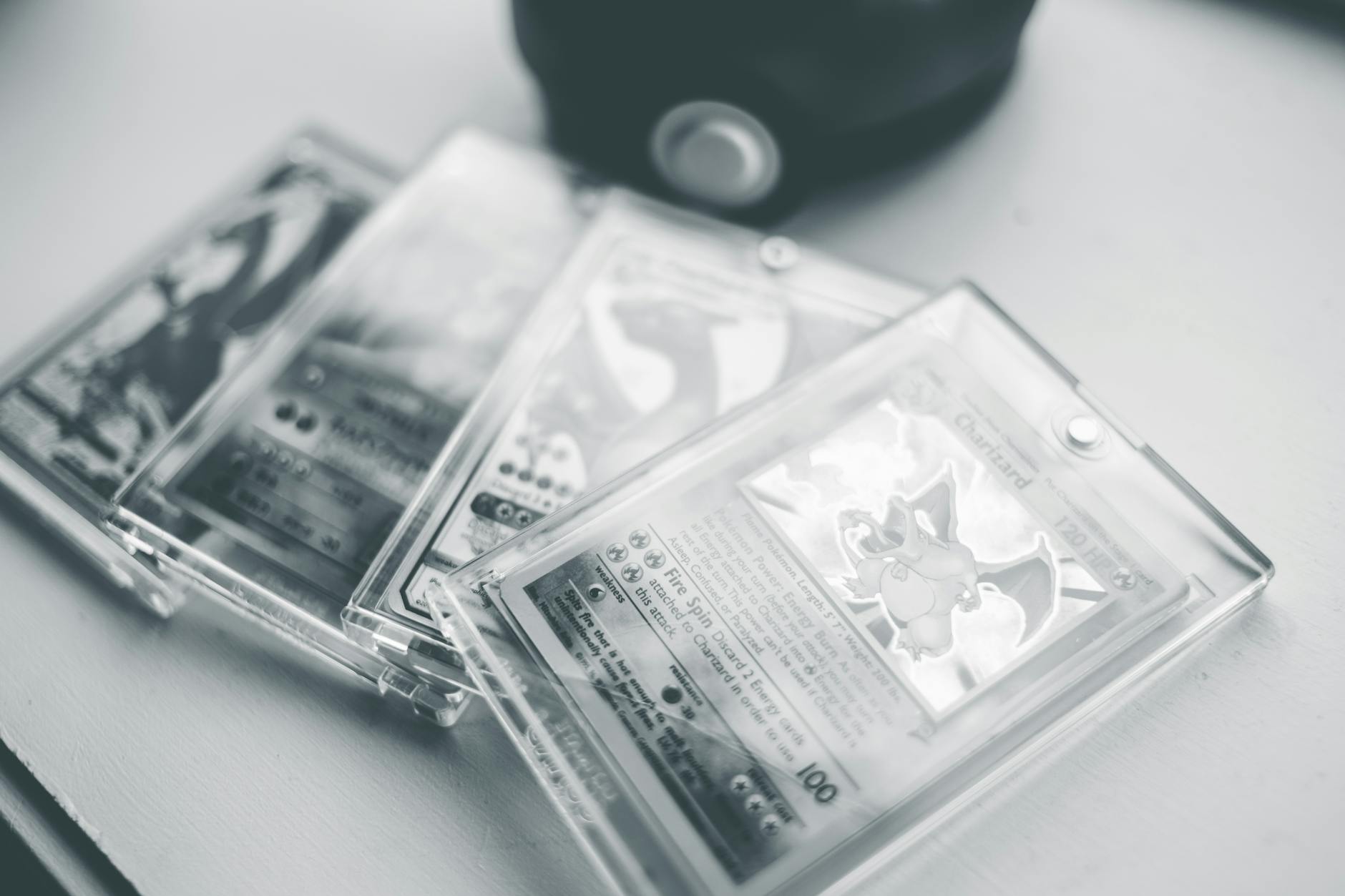
Energy card values have remained relatively stable over the past 2-3 years compared to other Pokemon TCG segments, which have experienced wild volatility. Special Base Set energy cards have held value in the $15-$25 range for standard copies, with near-mint examples maintaining $40-$60 floors. This stability makes energy cards one of the more predictable segments of the vintage Pokemon market, appealing to collectors who want to avoid the boom-bust cycles seen in holographic Charizard prices.
One emerging trend is that secret rare and special variant energy cards from recent modern sets (2020-2026) are gaining collector interest as people complete master sets and pursue variant collections. These are significantly cheaper than Base Set special energy cards ($5-$15 typically) but are becoming increasingly difficult to find at pack-opening prices. The long-term value trajectory for modern special energy cards is uncertain, but their rarity positioning suggests they’ll hold value better than modern basic energy cards.
The Future of Pokemon Base Set Energy Card Collecting
As the Pokemon TCG community matures and moves away from mass collecting toward serious hobbyist collecting, energy cards are unlikely to spike in value the way iconic holographic cards have. The market has reached an equilibrium where Base Set special energy cards have established buyer pools (set builders, competitive players, condition collectors) and stable pricing. Major price increases would require either a significant shock to collector interest or a real shortage of supply, neither of which appears imminent.
What’s more likely is that energy card values differentiate further by condition grade and variant. Common Base Set special energy cards without professional grading will stabilize or decline slightly as supply gradually enters the market from collections being liquidated. Professionally graded near-mint examples, particularly PSA 9s and 10s, will likely maintain or increase in value due to scarcity. For new collectors getting into the hobby, energy cards represent an affordable entry point to vintage Pokemon TCG collecting compared to holographic commons, which have seen significant price appreciation.
Conclusion
Pokemon Base Set energy cards can genuinely be worth $20 or more, but only if they’re special energy variants in good condition. Basic energy cards—Fire, Water, Lightning, Grass, and Psychic—remain bulk inventory worth pennies each. Double Colorless Energy, Metal Energy, and other special variants from 1999 represent real value in the secondary market, with near-mint copies regularly exceeding $50. The market for these cards is stable, well-documented through eBay and TCGPlayer sales data, and offers predictable pricing for collectors.
If you’re sitting on old energy cards, your first step is honest assessment: identify whether you have basic or special energy cards, inspect them for condition, and check completed listings for your specific cards on TCGPlayer and eBay. Don’t rely on asking prices or price guide estimates alone—actual sold data tells you what collectors are genuinely paying. Store any valuable special energy cards in sleeves and avoid the common mistakes that tank condition value. With realistic expectations and proper research, energy cards can be a reliable, low-volatility segment of Pokemon TCG collecting.
You Might Also Like
- Why Are Common Base Set Pokemon Cards Worth Hundreds of Dollars?
- Are Thing Stamp Pokemon Cards Worth More than Normal Ones?
- Why is 1999 Pokemon Base Set Unlimited #63 Squirtle Worth $400?