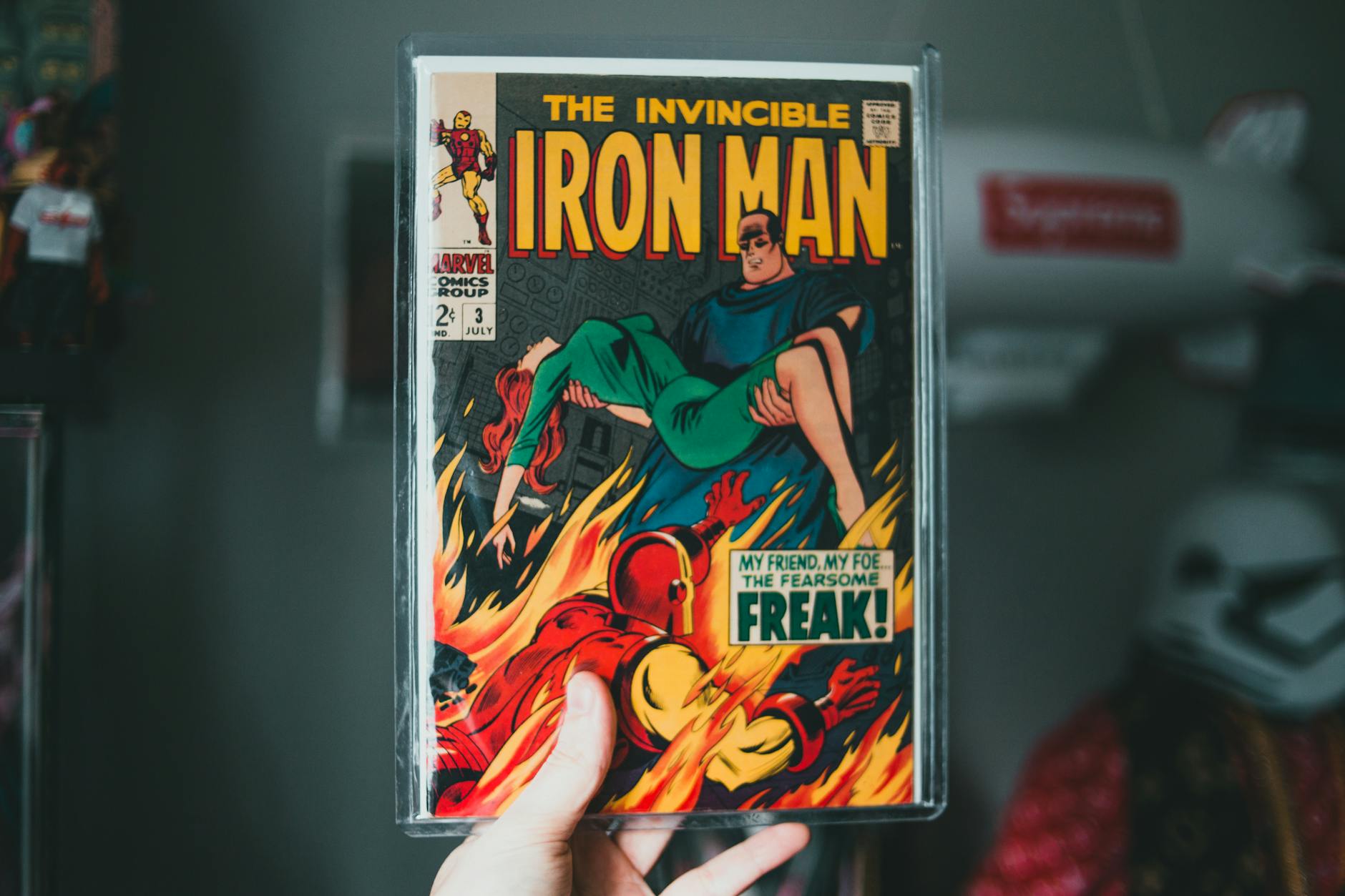
Collectors frequently overlook non-holographic Base Set Pokémon cards, assuming their lower price point reflects minimal value or collector appeal. This assumption is a costly mistake. While non-holo cards from the Base Set (particularly commons and uncommons numbered #17-102) may command lower prices than their holographic counterparts, they represent a significant gap in many collections and carry substantial value in the right condition—with prices ranging from $3-15 in near mint condition according to current market data.
A mint condition Blastoise common or Alakazam uncommon, particularly with a “1st Edition” stamp from the 1999-2003 print run, holds more value than many collectors realize, and overlooking these cards means missing both immediate investment opportunity and the historical completeness of your collection. The core issue isn’t that non-holo cards lack value—it’s that collectors conflate “lower price” with “no value worth pursuing.” Condition drives dramatic price differences, with the same card potentially varying by 10x or more depending on its grade. A played-condition non-holo might sit at $1-2, while the same card in near mint condition reaches $8-15. This means a strategic collector can acquire meaningful cards at entry-level prices, then benefit substantially from finding higher-grade copies.
Table of Contents
- What Makes Non-Holo Base Set Cards Worth Collecting?
- The Price Advantage and Condition Sensitivity of Non-Holo Cards
- The 1st Edition Premium and What It Means for Your Collection
- Building a Cost-Effective Base Set Collection Strategy
- The Hidden Risk of Overlooking Condition Variance
- Case Study—The Quiet Value of Commons and Uncommons
- Market Outlook and Future Trends
- Conclusion
What Makes Non-Holo Base Set Cards Worth Collecting?
Non-holographic cards from base Set carry legitimacy that casual collectors often dismiss too quickly. These cards represent the foundational printings of Pokémon’s trading card game, produced during the original release window and sharing the same artistic and design heritage as the celebrated holographic rares. The practical reality is that completing a full Base Set requires 102 cards, and only a handful are holographic rares (the #3-16 range). The remaining cards—the commons, uncommons, and non-holo rares—form the backbone of any authentic collection. Ignoring them is essentially settling for an incomplete set.
Historical value and nostalgia factor heavily here. A collector who pulled a Meowth common from a booster pack in 2000 and kept it in decent condition owns a piece of Pokémon’s origins. That same card, if graded and in near mint condition, carries both monetary value and the intangible significance of an original-print artifact. Cards with “1st Edition” stamps command significantly higher prices than unlimited prints, reflecting both scarcity and collector demand for genuine first-release copies. Many collectors discover this premium too late, after having already discarded or traded away their early non-holos.

The Price Advantage and Condition Sensitivity of Non-Holo Cards
The financial case for non-holo collection is straightforward: acquisition cost is substantially lower than pursuing holographic rares, yet condition-based appreciation potential remains meaningful. A near mint non-holo typically costs $5-12, whereas holographic rares from the same set can range from $50-200+ in equivalent condition. This means a collector with limited budget can build a significantly broader and more complete collection by including non-holos, rather than chasing a handful of expensive holos. The limitation, however, is that finding high-grade non-holos requires patience and careful sourcing—they don’t move through the market as frequently as holographic cards, particularly in grades 9-10.
Price tracking data for non-holo cards becomes less accurate below grades 9-10 due to fewer recorded sales, making it harder for collectors to benchmark values or spot opportunities. This opacity can work in your favor if you’re patient. You might acquire a lightly played non-holo for $2-4, have it graded, and discover it achieves a near mint 8 or 9, suddenly worth $8-15. The inverse risk is real as well: an optimistic assessment of condition can result in grading expenses that exceed the card’s actual value. This is why bulk purchasing becomes relevant—acquiring multiple non-holos in a lot minimizes per-card shipping costs and allows you to cull the highest-quality candidates for individual grading.
The 1st Edition Premium and What It Means for Your Collection
If you own non-holo Base Set cards from the 1999-2003 release window, checking for “1st Edition” stamps should be your first action. These cards command significantly higher prices than their unlimited-print equivalents, sometimes by 2x-4x depending on condition and specific card. A 1st Edition Meowth in near mint condition might worth $8-12, while an unlimited print of the same card sits at $3-5. Over a full set, the difference between 1st Edition and unlimited non-holos compounds substantially—potentially adding hundreds of dollars in total value to your collection.
The practical challenge is that condition assessment becomes critical when 1st Edition premiums are involved. A 1st Edition card in played or lightly played condition may lose much of its premium, with values compressing toward unlimited-print equivalents. This is why the grading decision matters: spending $20-40 to grade and slab a 1st Edition non-holo that you believe is near mint can unlock real value, but the same investment in a card that grades as lightly played becomes an expensive waste. Many collectors regret not pursuing 1st Edition non-holos when they were abundant in the used/collections market, before market awareness drove premiums upward.

Building a Cost-Effective Base Set Collection Strategy
A practical approach to non-holo collection is bulk acquisition. Rather than hunting individual cards at dealer prices, buying lots of unsorted or player-condition non-holos from collections, estate sales, or bulk online listings offers substantially better economics. You’ll acquire cards at $0.50-2.00 per card rather than $3-8 for individual dealer sales, and you can then curate and grade the best copies. This strategy works because shipping costs are distributed across many cards, making small purchases impractical, but bulk lots highly efficient. A $30-50 lot of 50-100 mixed non-holos represents a cost basis of $0.30-1.00 per card—a gap that easily justifies the curation work.
The tradeoff is time and expertise. Sorting through bulk lots requires familiarity with card conditions, understanding which cards are worth grading, and managing the logistics of acquiring and storing volume. It’s a less immediate path than targeted dealer purchases, but substantially more economical for collectors serious about completion. Base Set stability through early 2026 suggests these cards will retain value, making bulk acquisition strategies less time-sensitive than they were during the 2020-2022 speculative boom. You’re not rushing to capitalize on hype—you’re building a genuine collection with real staying power.
The Hidden Risk of Overlooking Condition Variance
The single largest regret collectors express is failing to recognize how dramatically condition affects non-holo value. A collector who assumes “a non-holo is a non-holo” and buys played-condition cards at face value misses the appreciation potential of higher-grade copies. The same card in near mint condition can command 5-10x the price of a played copy—a variance that dwarfs the differences seen in many other collectibles. The warning here is direct: condition assessment skills matter intensely, even for “low-value” commons and uncommons. Investing time in learning condition grading standards will pay dividends across your entire collection.
Another hidden risk is the timing of grading submissions. Many collectors held off grading non-holos during the 2020-2023 grading boom, assuming these cards lacked sufficient value to justify service fees. This created a supply shortage for high-grade non-holos, driving premiums upward for the few examples that were graded and entered the market. Collectors who eventually chose to grade their best non-holos often found significantly higher market values than they initially anticipated. The lesson is that dormant supply can shift market dynamics unexpectedly, particularly for cards that underperformed on graders’ desks.
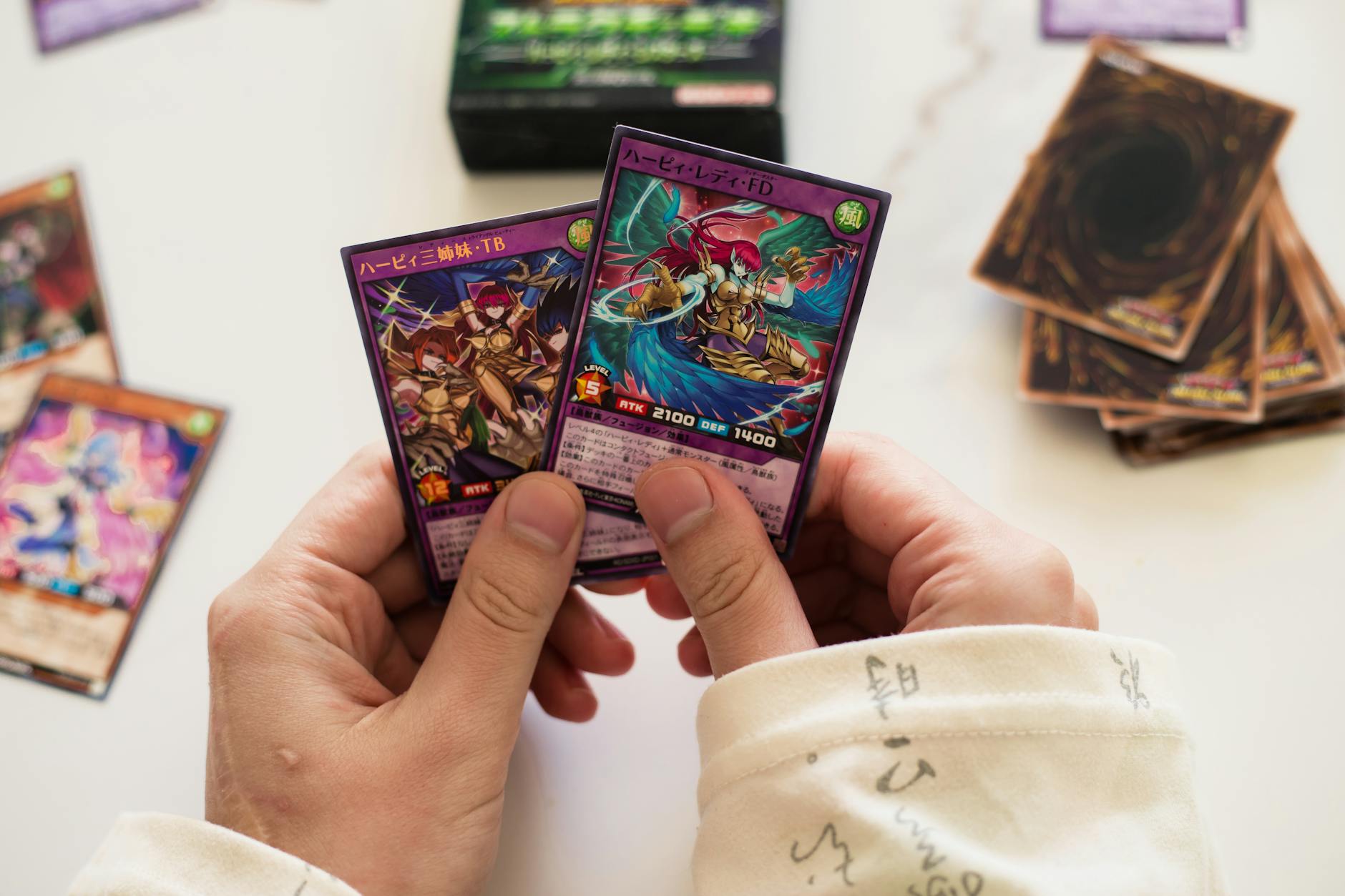
Case Study—The Quiet Value of Commons and Uncommons
Take a practical example: an original Pikachu common (card #25) from Base Set in near mint condition currently values at $8-12 on secondary markets. A bulk lot acquisition of 100 mixed Base Set non-holos might cost $40-50 total, meaning you acquire this Pikachu at an effective cost of $0.40-0.50. If you identify it, assess its condition as near mint, grade it, and realize its $8-12 market value, you’ve generated a 16-30x return on cost basis on that single card. Multiply this across even five or ten similarly successful cards from the lot, and the economic case becomes compelling.
Collectors who never open bulk lots never discover these opportunities. The historical significance of these commons should not be overlooked either. The original Base Set printings represent Pokémon’s debut in the trading card format—every non-holo from that release period is a piece of gaming history. Collectors building historically complete collections recognize this intrinsic value, even setting aside monetary appreciation. A 1st Edition Pikachu common in a PSA or BGS slab carries weight as an artifact, regardless of its cash equivalent.
Market Outlook and Future Trends
Base Set pricing has remained stable through early 2026 with slight positive momentum, suggesting the market has matured beyond the speculative peaks of 2020-2023. This stability is actually favorable for non-holo collection strategies. You’re not chasing exponential gains; you’re building a collection with predictable value retention.
As millennial and Gen-X collectors approach their later collecting years, nostalgia-driven demand for complete sets will likely sustain or grow, further reinforcing the foundational role non-holos play in any serious collection. The practical outlook is that non-holo Base Set cards will continue their quiet appreciation as supply slowly contracts and condition-sensitive grading solidifies values. Collectors who positioned themselves around these cards early will benefit from both the mathematical appreciation and the satisfaction of ownership completeness. For newer collectors entering the space, ignoring non-holos means building an incomplete collection at the worst possible time—after the initial bulk market window has passed.
Conclusion
Collectors regret ignoring non-holographic Base Set cards because they underestimate their dual value—both as affordable building blocks of complete collections and as condition-sensitive assets capable of meaningful appreciation. The economic case is clear: bulk acquisition of unsorted non-holos provides a cost-effective entry point, condition variance creates real upside (10x price differences between played and near mint copies), and 1st Edition premiums add significant value to already modest investments. The historical significance of original-print Base Set cards, paired with stable market conditions in 2026, makes this an opportune moment to recognize non-holos as legitimate collection assets rather than filler.
Your next step is straightforward: identify what non-holos you currently own, assess their conditions honestly, and determine which candidates merit grading submissions. If you don’t own Base Set non-holos, begin sourcing bulk lots and familiarize yourself with condition standards. The collectors who built comprehensive, high-grade non-holo collections five years ago now benefit from their early recognition of these cards’ value. Don’t become the collector who realizes too late that the commons you dismissed were worth pursuing all along.
You Might Also Like
- Why Shadowless Base Set Cards May See Stronger Demand Over Time
- Why Base Set Pokémon Cards May Keep Rising Even After Short-Term Pullbacks
- Why Original Trainer Cards May Gain Value as Complete Set Demand Grows