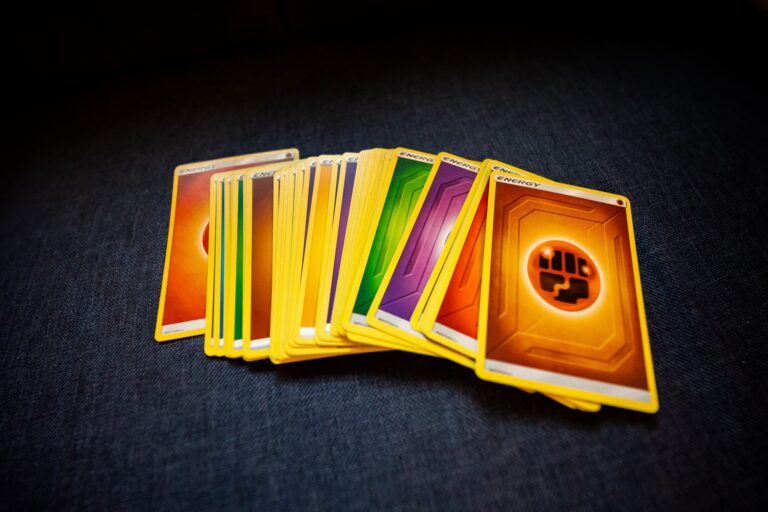
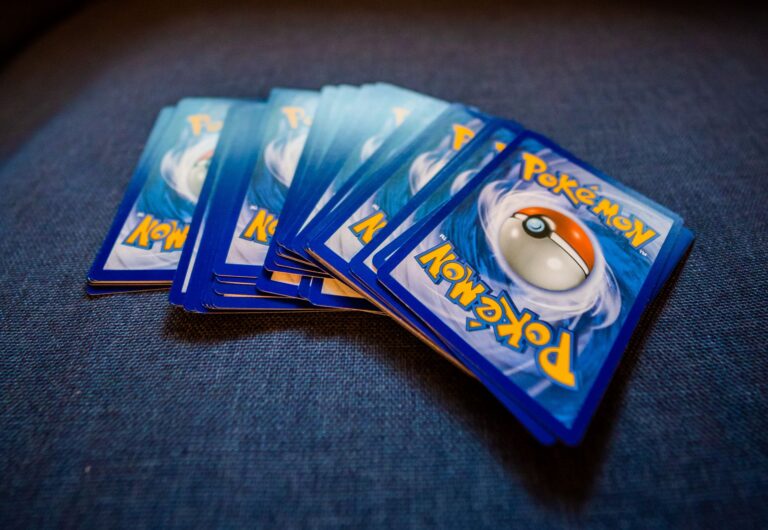
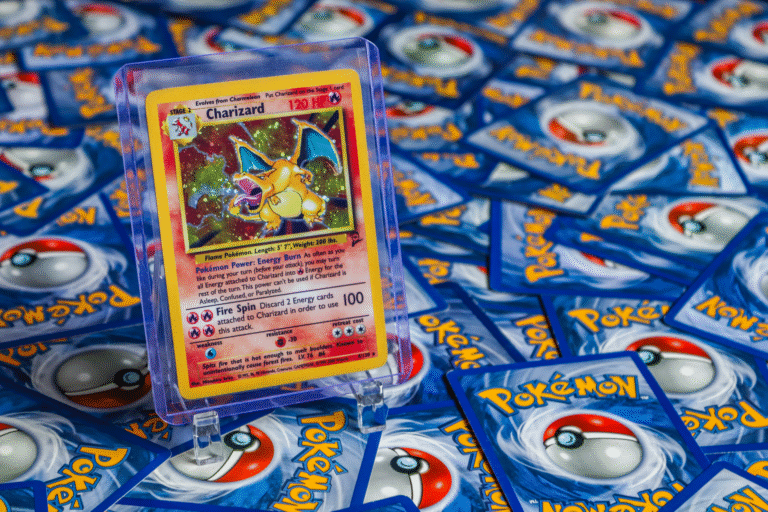
Crown Zenith singles do not keep up with vintage Pokémon cards when it comes to long-term value retention and market desirability. While Crown Zenith, released in January 2024 as part of the Scarlet & Violet era, features attractive card designs and some genuinely rare full art variants, it operates in a completely different market tier than cards from the late 1990s and early 2000s. A mint condition Crown Zenith full art single might sell for $5 to $15, while a comparable vintage card from Base Set or Jungle in the same grade regularly commands $50 to several hundred dollars depending on the specific Pokémon.
The fundamental reason for this gap comes down to supply, age, and market psychology. Vintage cards were printed in far smaller quantities decades ago, with many copies lost to time, damaged, or sitting in collections that rarely resurface. Crown Zenith exists in massive print quantities—millions of packs have already hit the market—and the entire modern era has trained collectors to expect reprints and reissues. A Charizard from Base Set Base Set has accumulated 25+ years of scarcity and nostalgia; a Crown Zenith card released last year cannot replicate that dynamic, no matter how attractive the art or how limited the specific variant.
Table of Contents
- What Makes Vintage Cards Hold Value That Crown Zenith Cannot Match?
- The Modern Print Run Problem and Market Saturation
- Condition, Grading, and the Hidden Advantage of Vintage Cards
- Building a Collection: Vintage Versus Modern Strategy
- Market Cycles, Investor Speculation, and Why Crown Zenith Cannot Replicate Vintage Results
- The Nostalgia Factor and Why It Cannot Be Manufactured
- The Future of Modern Cards and What Collectors Should Expect
- Conclusion
What Makes Vintage Cards Hold Value That Crown Zenith Cannot Match?
Vintage Pokémon cards benefit from a combination of factors that modern cards have not yet earned. First, there is absolute scarcity—the older the card, the fewer remaining copies exist in mint condition. Pack rot, water damage, and simply losing cards over decades has culled the population of genuine vintage stock. A PSA 8 or higher copy of any desirable vintage card often represents one of perhaps a few dozen known survivors, whereas crown Zenith will have thousands of high-grade copies in circulation for decades to come. Second, vintage cards carry cultural weight that translates directly to value. A mint copy of a 1999 Charizard is not just a card; it is a connection to childhood, to a specific moment in time when Pokémon was culturally inescapable.
Collectors pay premiums for this emotional attachment, and it compounds with age. Crown Zenith cards, released in 2024, lack this historical depth. Even the most sought-after Crown Zenith variant will take 20+ years to develop the kind of nostalgia premium that a vintage Blastoise commands today. A PSA 9 base Set Blastoise might sell for $200, while a Crown Zenith equivalent would struggle to reach $30. Third, print quality and design language matter. Vintage cards have a distinct visual identity—the non-holofoil backgrounds, the original attack fonts, the simpler borders—that many collectors consider superior to modern designs. This is not universal preference, but it is widespread enough to create a pricing gap that has only widened over time.
The Modern Print Run Problem and Market Saturation
Crown Zenith, like all modern Pokémon sets released after 2020, was printed on a massive scale. The Pokémon Company has been explicit about increasing production to meet demand, which means the sheer number of Crown Zenith booster packs created dwarfs the total production of entire vintage sets. A set from 1999 or 2000 might have had a global print run of 100 million to 500 million cards across all products; Crown Zenith will likely exceed 1 billion cards printed before it rotates out of print. This abundance creates a hard ceiling on future appreciation. Even if every other Crown Zenith card in existence were destroyed, the remaining supply would still exceed available demand from serious collectors for decades.
Vintage cards benefit from the opposite dynamic—supply continuously shrinks as cards are damaged, lost, or held by collectors who never resell. A vintage card from a small print run in 1999 is worth more every year partly because the supply of survivors in collectible condition genuinely decreases. Crown Zenith cards, by contrast, are still being opened from sealed product and will continue to enter the market for years. The warning here is direct: if you are buying Crown Zenith expecting it to become a “new vintage” in 20 years, you are likely to be disappointed. Even if Crown Zenith becomes hard to find in 2044, the historical saturation will prevent it from reaching the price levels of truly rare vintage cards. The market has learned to expect reprints, and this expectation is built into long-term value assumptions.
Condition, Grading, and the Hidden Advantage of Vintage Cards
Condition is where vintage cards paradoxically gain yet another advantage over modern alternatives. A mint condition vintage card is genuinely rare—after 25+ years of storage in boxes, sleeves, and binders, the number of cards that have survived with perfect centering, fresh color saturation, and unbent corners is small. This rarity drives demand from collectors who specifically hunt high-grade vintage stock. Crown Zenith cards, being brand new, flood the market with high-grade copies. Every sealed Crown Zenith booster box opened produces dozens of near-mint or mint cards, and this continues as long as sealed product exists.
The psychological effect is significant: when you know millions of mint Crown Zenith cards exist, a single mint copy feels ordinary. When you know perhaps 50 mint 1999 Charizards exist worldwide, each one feels extraordinary. A PSA 9 Crown Zenith card might seem impressive until you realize you could probably buy 10 of them in the same grade without much difficulty or expense. There is also the technical reality of grading inflation. Modern cards are often graded more generously than vintage cards using the same 1-10 scale, meaning a PSA 8 vintage card from the 1990s might actually be in more pristine condition than a PSA 8 modern card. This inconsistency further disadvantages Crown Zenith in the long term, as collectors increasingly recognize that vintage grading standards were stricter.

Building a Collection: Vintage Versus Modern Strategy
For collectors deciding between vintage and modern cards, the distinction comes down to financial expectations and personal goals. If you collect for nostalgia and enjoy the cards themselves rather than expecting them to become valuable investments, Crown Zenith offers genuine appeal—the art is strong, the variants are varied, and you can assemble a satisfying collection without spending thousands. A competitive Crown Zenith collection with full arts and chase variants might cost $200 to $500, whereas a comparable vintage collection would easily exceed $2,000 to $5,000 depending on the specific Pokémon chosen. Vintage cards make sense if you are willing to wait decades for returns and can afford the initial investment. A single PSA 9 Base Set Charizard costs $1,000+ today; that same money buys an enormous Crown Zenith collection.
But if that Base Set Charizard continues appreciating even modestly—say 5% to 10% annually—after 20 years it could be worth $4,000 to $6,000, whereas the Crown Zenith collection might be worth half of what you paid for it. The tradeoff is immediate liquidity and fun versus potential long-term return. For someone starting a collection today, the practical recommendation is a hybrid approach: buy Crown Zenith cards for the set collecting and current playing experience, but allocate a portion of budget to a few vintage staples if possible. Crown Zenith will likely decline or stagnate in value, but it will provide enjoyment in the present. Vintage cards, held long-term, have historically appreciated despite market cycles.
Market Cycles, Investor Speculation, and Why Crown Zenith Cannot Replicate Vintage Results
The Pokémon card market has experienced boom-and-bust cycles, with Crown Zenith arriving in the aftermath of the 2020-2022 speculation bubble. During that period, even mundane modern cards spiked in price due to investor hype and supply chain shortages. Many of those investors have since sold their holdings, and modern card prices have consolidated downward. A card that sold for $20 in 2021 might trade for $3 today, illustrating the danger of modern card investment. This cautionary tale does not apply to vintage cards in the same way.
While vintage cards do fluctuate with the market, they have a floor created by historical scarcity and inelastic supply. Even during market downturns, mint vintage cards from desirable sets retain 50% to 70% of their peak value, whereas bulk Crown Zenith product might lose 70% to 90% of speculative peaks. A Base Set Blastoise purchased at $100 in 2020 might sell for $70 in a downturn but rarely drops below $50; a Crown Zenith card purchased at $10 speculative peak might sell for 50 cents. The warning is that Crown Zenith’s recent print run and current market glut mean it is extremely vulnerable to future devaluation. If the Pokémon TCG experiences another speculative bubble in 5 years, Crown Zenith prices might spike temporarily, but the underlying fundamentals—massive supply, recent printing date, available reprints—mean there is no structural support for sustained appreciation. Vintage cards, by contrast, operate in a market where supply is genuinely fixed and shrinking, creating a different risk profile entirely.

The Nostalgia Factor and Why It Cannot Be Manufactured
One aspect that separates vintage cards from Crown Zenith is the genuine nostalgia premium that accumulates only with time and cultural distance. A kid who collected Base Set cards in 1999 and discovered those same cards 15 years later experienced a real emotional rush—a connection to childhood, to a specific moment in pop culture history. That emotion is authentic, and it drives real willingness to pay premium prices.
Crown Zenith cannot generate this dynamic yet because it is too recent. In 15 years, a 35-year-old who opened Crown Zenith as a kid might feel some nostalgia when revisiting the set, but that nostalgia will compete with memories of dozens of other sets from the same modern era, all printed in similar quantities and all still readily available. Vintage cards benefit from being unique historical artifacts of a specific moment; modern cards, being part of a continuous production stream, lack this historical weight. Even if someone loves Crown Zenith’s art and design, that appreciation is fundamentally different from the scarcity-driven demand that props up vintage prices.
The Future of Modern Cards and What Collectors Should Expect
Looking forward, it is reasonable to expect Crown Zenith and other recent sets to gradually appreciate, but at rates far below inflation and certainly below vintage cards. In 20 years, a mint Crown Zenith full art might be worth $30 to $50 instead of today’s $10 to $15, representing perhaps 50% to 100% total appreciation over two decades. That is modest compared to a vintage card’s potential 200% to 400% appreciation in the same timeframe, and it barely beats inflation.
The Pokémon Company’s strategy of increased printing and reprints suggests this gap will persist indefinitely. Every time a chase card gets reprinted in a later set or product, downward pressure returns to original Crown Zenith versions. This is already happening—cards with variants in multiple sets see diminished long-term demand for earlier versions. Crown Zenith may eventually become “old” enough to gain historical value, but even then, it will occupy a tier below genuine vintage cards from the 1990s and early 2000s, because the supply fundamentals are simply too different.
Conclusion
Crown Zenith singles cannot keep up with vintage Pokémon cards in terms of value retention, scarcity premium, or long-term investment potential. The gap exists because of supply (vintage cards were printed in smaller quantities and have shrunk in availability over 25+ years), demand (vintage cards carry nostalgia and cultural weight that modern cards have not earned), and market psychology (collectors recognize that modern cards are produced abundantly and subject to reprints). A Crown Zenith full art might cost $10 today and be worth $30 in 20 years; a comparable vintage card costs $100 today and might be worth $400 in 20 years.
For collectors, the practical takeaway is that Crown Zenith has value as a modern set to collect, play with, and enjoy in the present, but it should not be purchased with expectations of significant investment returns. Vintage cards remain the only segment of the market where patient collectors can reasonably expect meaningful appreciation, but that opportunity requires careful selection, proper storage, and patience measured in decades rather than years. If you have budget for both, allocate the majority to vintage cards and use Crown Zenith to fill out a collection for current enjoyment.