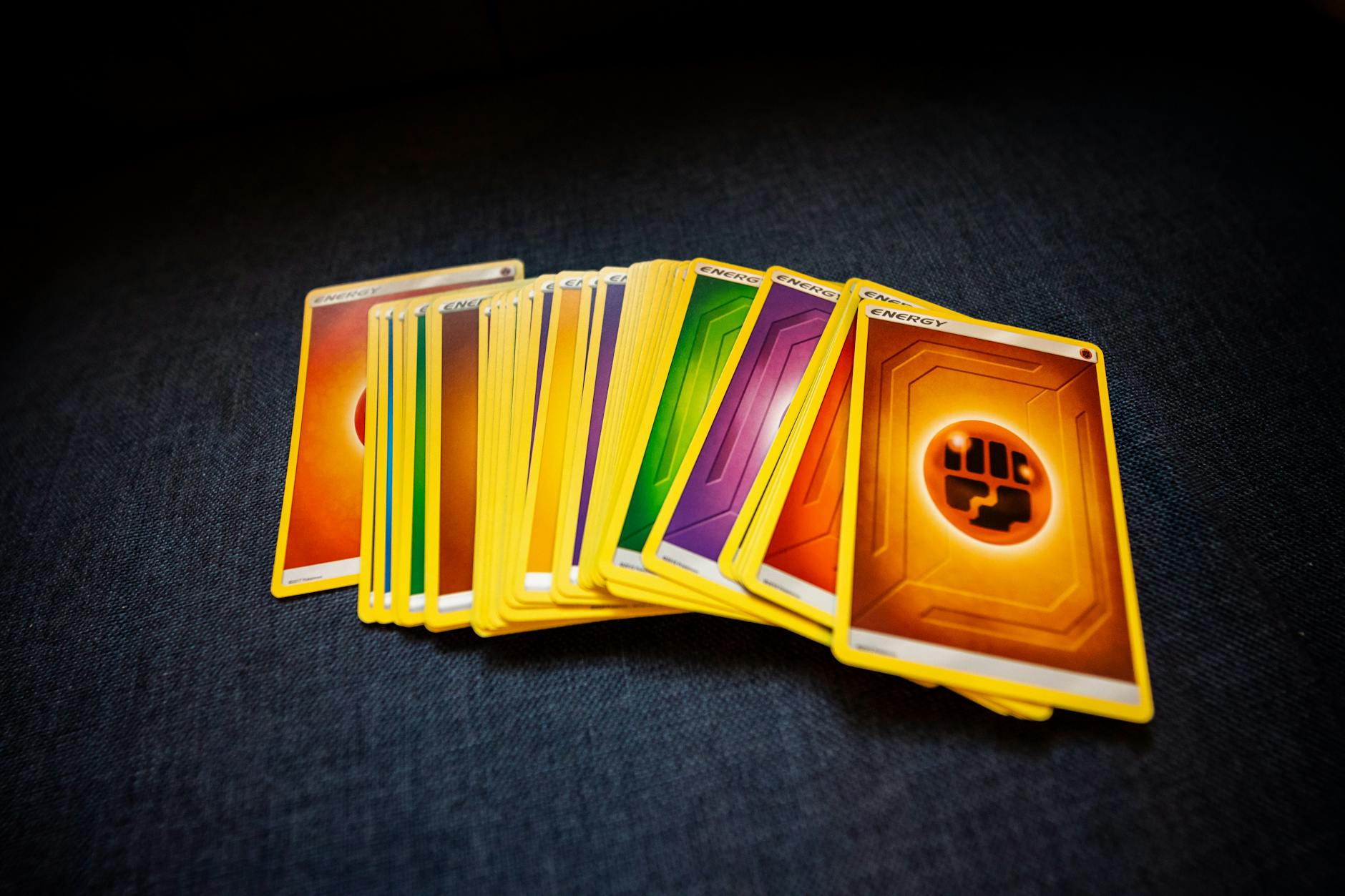
Yes, Pokémon Base Set cards can survive without Millennial buyers, but the market would look significantly different and likely smaller. Base Set cards have transcended their original collector base and now appeal to investors, nostalgia-driven Gen X collectors, some Gen Z buyers interested in retro cards, and international markets where these cards represent Western pop culture capital. However, the reality is more nuanced: while survival is possible, the explosive price growth of Base Set cards over the past decade has been substantially fueled by Millennial purchasing power, and losing that demographic would mean adjusting expectations for future appreciation and market liquidity.
The market dynamics are already shifting as the Millennial generation ages and newer collectors enter the space with different priorities. A first edition Charizard from Base Set reached $369,000 at auction in 2021, driven largely by Millennial nostalgia and disposable income, but similar price ceilings have not been tested since that peak. The question isn’t whether Base Set cards disappear without Millennials, but whether they maintain premium valuations or consolidate into a smaller, more stable collector base.
Table of Contents
- Are Millennials Really the Primary Drivers of Base Set Card Demand?
- The Real Risk: Market Liquidity Without Millennial Volume
- Gen Z’s Different Collector Psychology and Spending Patterns
- How Institutional Investors Could Replace Millennial Demand
- Market Saturation and the Millennial Supply Problem
- International Markets as a Stabilizing Force
- The Future: Consolidation Into a Specialized Collector Market
- Conclusion
- Frequently Asked Questions
Are Millennials Really the Primary Drivers of Base Set Card Demand?
Millennials have undeniably been the dominant force in Base Set card appreciation since the early 2010s. This generation experienced the original pokémon trading card game launch in 1999 and spent formative years collecting cards, creating deep emotional attachment to specific cards and sets. When Millennials entered their peak earning years around 2015-2020, they had both nostalgia and capital, creating unprecedented demand for their childhood collections. PSA grading submissions for vintage pokémon cards skyrocketed from around 5,000 per month in 2015 to over 15,000 per month by 2021, correlating directly with Millennial re-engagement.
However, Millennials are not the only demographic buying Base Set cards. Collectors aged 35-50 (Gen X) who were young adults during Pokémon’s original run have also been significant buyers, and they represent a more stabilized collector base with established collecting habits. Additionally, wealthy investors in their 50s and 60s have begun treating rare Pokémon cards similarly to fine art investments, viewing them as alternative assets rather than nostalgia purchases. This diversification means the market doesn’t collapse if Millennials reduce spending, but it does shrink in total transaction volume and average price per card.

The Real Risk: Market Liquidity Without Millennial Volume
The genuine vulnerability of Base Set cards lies not in their existence but in their liquidity and pricing power. Millennials create volume—they purchase cards at all price points, from bulk lots to high-end collectibles, ensuring there’s always a buyer. Without this volume, sellers of mid-tier Base Set cards (PSA 6-8 condition Holographic rares priced between $500-$5,000) would face difficulty finding buyers quickly. A Base Set Blastoise in PSA 7 condition that sold for $2,000 in 2021 might take months to move in a market dominated only by Gen X hobbyists and institutional investors.
The warning here is significant: base set cards could experience a “liquidity crisis” rather than a value collapse. Rare cards at the top tier would likely retain value due to their uniqueness and investment appeal, and common Base Set cards would remain affordable hobbies. The vulnerable middle tier—cards with real value but not blue-chip status—could see sharp declines in both price and transaction frequency. International markets, particularly in Japan and Europe, do provide some resilience, as collectors there view American Base Set cards differently, but these markets haven’t historically matched Millennial domestic demand.
Gen Z’s Different Collector Psychology and Spending Patterns
Gen Z has shown interest in Pokémon cards, but in a different form than Millennials. Rather than focusing exclusively on Base Set nostalgia, Gen Z collectors are more likely to pursue newer modern sets, chase current-year releases, or engage in booster box openings as entertainment rather than investment. When Gen Z does buy vintage cards, it’s more often to complete specific Pokédex goals or collect favorite Pokémon across eras, rather than pursuing raw prestige cards like Charizard or Blastoise regardless of Pokémon preference.
This represents a structural limitation for Base Set card demand. Gen Z won’t naturally gravitate toward Base Set cards as the “prestige” collection because they don’t carry the same childhood-defining nostalgia that drives Millennial spending. A 20-year-old Gen Z collector might find a Base Set Pikachu appealing, but they’re more likely to invest in the modern Pikachu Illustrator card or newer special editions. This generational shift means Base Set cards lose the “cultural cool” factor that inflated their value, even if the cards themselves remain collectible.

How Institutional Investors Could Replace Millennial Demand
One potential stabilizer for Base Set cards is the growing interest from institutional investors and ultra-high-net-worth individuals treating Pokémon cards as fine art or alternative assets. Companies like Goldin Auctions, Heritage Auctions, and Sotheby’s have moved into Pokémon card auctions, lending legitimacy and attracting buyers who view cards as portfolio diversification. This institutional demand operates on completely different logic than nostalgia-driven collecting—these buyers care about rarity, condition, historical significance, and potential appreciation, not personal memory.
However, this is a double-edged sword. Institutional investment can stabilize top-tier card values, but it simultaneously commodifies and strips away the personal attachment that makes collecting satisfying for traditional hobbyists. A $50,000 Charizard owned by a hedge fund manager operates in a different market ecosystem than a $2,000 Charizard owned by a Millennial enthusiast. The trade-off is clear: institutional buyers might keep rare Base Set cards from becoming worthless, but they also reduce liquidity for moderate-priced cards and shift the entire market away from hobby-based collecting toward pure investment mechanics.
Market Saturation and the Millennial Supply Problem
A critical limitation often overlooked in Base Set survival discussions is supply. Millennials don’t just drive demand—they’ve also created massive supply. As Millennials have re-engaged with cards, many have liquidated their childhood collections, flooding the market with previously dormant inventory. PSA-graded Base Set cards have increased from roughly 50,000 total graded cards in 2010 to over 1.5 million by 2023.
This supply explosion, paradoxically, requires ongoing Millennial demand just to maintain price stability. The warning here is paradoxical: without Millennials re-entering the market, Base Set prices could fall simply due to oversupply of mid-grade cards. Younger buyers cannot absorb the inventory that Millennials created, so even if other demographics remained stable, the sheer quantity of available Base Set cards could depress prices. A Base Set Venusaur PSA 7 that seemed valuable at $800 in 2020 might be worth $300 if institutional investors focus on ultra-rare variants and Gen Z moves toward modern sets. The market doesn’t need to collapse to fall—it just needs to reach equilibrium based on genuine long-term interest rather than generational nostalgia.
International Markets as a Stabilizing Force
Japanese and European collectors represent an underutilized stabilizer for Base Set card values. In these markets, Pokémon cards from American Base Set carry different cultural weight—they represent American pop culture and Western nostalgia, making them desirable for reasons unrelated to personal childhood memories. Japanese collectors, in particular, view American cards as historically significant products and artifacts of 1990s pop culture, similar to how Western collectors might value Japanese originals.
However, international demand has limitations. Japanese Base Set collections have always existed domestically, so international buyers compete primarily for higher-grade English versions, which limits total addressable market. Currency fluctuations also create friction—a $5,000 Base Set card becomes a ¥700,000 purchase for Japanese buyers, introducing price sensitivity. International markets can slow a value decline but likely cannot recreate the explosive growth Millennials drove.
The Future: Consolidation Into a Specialized Collector Market
Looking forward, Base Set cards will almost certainly survive, but within a redefined market structure. Rather than remaining a speculative asset class attracting diverse buyers, Base Set will likely consolidate into a specialized, relatively stable collector base. This would mirror how vintage Magic: The Gathering cards operate—valuable, with genuine long-term demand, but no longer the rapidly appreciating investment vehicle they were during their boom cycles.
The five-to-ten-year outlook suggests Base Set prices will experience correction from 2021 peaks but stabilize around historically justified values based on rarity and condition. Top-tier cards (PSA 9-10 first edition Charizards, Blastoise, Venusaur) will remain prestigious and command premium prices due to uniqueness. Mid-tier cards will consolidate around realistic long-term demand values, likely 40-60% below 2021 peaks. This isn’t survival-as-decline but survival-as-normalization—Base Set cards transition from speculative commodity to genuine collectible with stable, if slower, appreciation.
Conclusion
Pokémon Base Set cards will survive the loss of Millennial buyers, but the market will transform substantially. The survival depends on diversification across Gen X hobbyists, institutional investors, international collectors, and genuine long-term enthusiasts who value the cards for reasons beyond nostalgia or speculation. The critical risk isn’t extinction but liquidity compression, particularly for mid-tier cards, and price correction from speculative peaks toward historically justified values.
The practical takeaway for current Base Set owners is realistic expectations: cards are unlikely to maintain 2021 valuations, but blue-chip rares and high-condition cards should retain value as specialty collectibles. Collectors focused on the hobby rather than investment will likely find more satisfaction in Base Set cards long-term than speculators who entered during the boom expecting exponential returns. The Base Set will endure, but as a smaller, more stable market that rewards genuine collecting interest rather than generational timing.
Frequently Asked Questions
Will Base Set card prices crash when Millennials stop buying?
Unlikely to crash entirely, but expect moderate to significant declines from 2021 peaks. Mid-tier cards ($500-$5,000 range) face the most risk due to liquidity concerns. Blue-chip rares should retain value based on rarity and investment appeal.
Should I sell my Base Set collection now before Millennials leave the market?
If you’re holding for investment returns, selling top-tier cards (PSA 9-10) makes sense to lock in current valuations. Mid-grade cards ($200-$2,000) might see better liquidity now than in 3-5 years. Hobby collectors should hold cards they genuinely like, as timing perfect market exits is nearly impossible.
Is Gen Z interested in Base Set cards at all?
Yes, but differently than Millennials. Gen Z buys Base Set cards for specific Pokémon they like rather than pure nostalgia or investment. This creates niche demand but not the volume that sustained Millennial-era price growth.
Could international markets replace Millennial demand?
Partially. Japanese and European collectors do value Base Set cards, but international demand alone cannot match the volume Millennials created. They’ll provide a stabilizing floor but not fuel continued appreciation.
What Base Set cards will hold value best without Millennials?
First edition, low PSA graded numbers (PSA 8-10), and most popular Pokémon (Charizard, Blastoise, Venusaur, Pikachu) will maintain value best. Common cards and lower-grade versions will consolidate to lower price points.
Is Base Set still a good investment if Millennials leave?
Not in the traditional appreciation sense. Post-Millennial Base Set represents a stable collectible with modest appreciation potential, similar to vintage Magic cards. Buy for the hobby and history, not for rapid returns.
You Might Also Like
- Are Pokémon Base Set Cards Only Valuable Because of Millennial Nostalgia?
- Will Pokémon Base Set Cards Lose Value When Millennials Get Older?
- Could Pokémon Base Set Cards Lose Value in the Future?