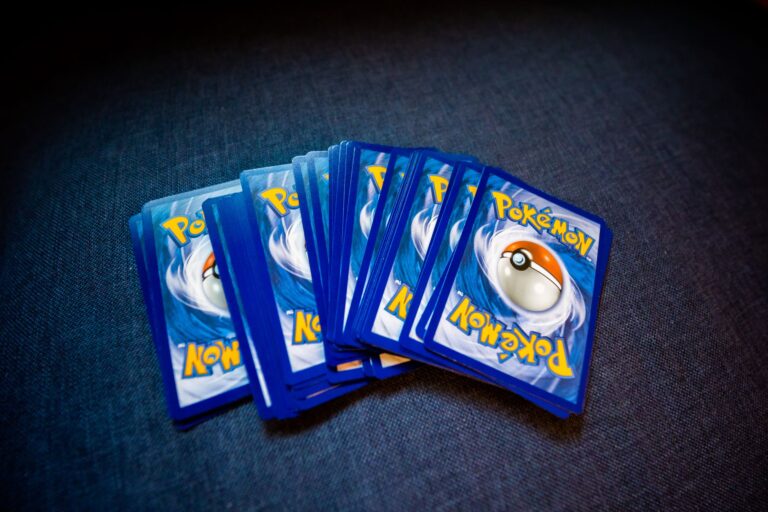
Pokémon Base Set cards are not valuable solely because of Millennial nostalgia, though nostalgia certainly plays a meaningful role in the market. The value of these cards is driven by a complex mix of factors including scarcity, condition, print variations, playability in competitive formats, and historical significance within the trading card game itself.
A Charizard Base Set first edition in near-mint condition can command five figures not because every collector is chasing a childhood memory, but because the card meets multiple criteria that collectors and investors actually evaluate: low population counts, specific printing details, and proven market demand across multiple buyer demographics. To understand why Base Set cards hold value beyond nostalgia, it’s important to recognize that the 1999 Base Set was a finite production run with quality control issues that created natural scarcity within that original print. Not every card from that era is valuable—commons and uncommons from Base Set typically sell for under a dollar—but specific cards with objective rarity metrics command consistent premiums across different market cycles and buyer types.
Table of Contents
- Is Nostalgia the Primary Driver of Pokémon Base Set Card Prices?
- What Collectors Actually Value Beyond Nostalgia in Base Set Cards
- How Scarcity and Print History Define Base Set Card Value
- Are Base Set Cards a Viable Investment, or Just a Nostalgia Play?
- Why Do Some Base Set Cards Fail to Hold Value Despite Being Rare?
- How Competitive Playability and Cultural Status Influence Base Set Values
- The Future of Base Set Valuations as Millennials Age
- Conclusion
Is Nostalgia the Primary Driver of Pokémon Base Set Card Prices?
Nostalgia is a real market force, but it’s neither the only force nor the primary one when you examine where the actual money goes. Research on collectibles markets shows that nostalgia tends to create a floor of interest but not a ceiling of value. For instance, a Base Set Blastoise in excellent condition might sell for $300-500 based partly on Millennial memories of the card, but a first edition shadowless Charizard in the same condition sells for $10,000-50,000, a 20-100x premium that can’t be explained by incremental nostalgia differences alone.
Buyers in the pokémon card market segment into distinct groups: Millennials who grew up with the game, younger collectors who entered through modern sets and look backward for historical pieces, investment firms acquiring graded cards for portfolios, and competitive players building vintage decks. Each segment weighs nostalgia differently. A 35-year-old who opened Base Set packs in 1999 has nostalgic attachment; a 22-year-old collector building a vintage set has historical interest but no childhood memory; an investment fund has neither but owns the card anyway because the market data justifies it. The fact that all three groups compete for the same cards suggests something beyond nostalgia is pricing these items.

What Collectors Actually Value Beyond Nostalgia in Base Set Cards
The measurable factors that drive base Set pricing are print run size, condition, and specific printing variations—none of which are nostalgia-based. Base Set went through multiple print runs with visible differences: shadowless cards (early 1999), first edition stamps (early 1999), and unlimited print (late 1999 onward). A shadowless first edition Charizard and an unlimited Charizard are the same card mechanically, worth the same amount in a tournament, but the shadowless version sells for 10-50 times more because fewer were printed. This price premium exists regardless of the buyer’s age or personal memories.
Condition grading through services like PSA and CGC has introduced objective, third-party valuation that removes nostalgia from the equation. A Base Set Charizard in PSA 9 (mint condition) has a transparent market price that’s independent of sentiment; it’s comparable to how a 1952 Mickey Mantle baseball card’s value doesn’t hinge on whether the buyer watched him play. The card’s market history shows consistent value even during periods when Millennial Pokémon players aged into their 30s and 40s and presumably became less nostalgic about their childhood. This stability contradicts the idea that pure nostalgia drives the market. A real limitation here is that condition-based pricing can create volatility for lower-grade cards; a Base Set Charizard in PSA 4 (poor condition) might sell for $100, whereas the same card in PSA 8 sells for $5,000-10,000, making condition inconsistency a risk for collectors holding multiple copies.
How Scarcity and Print History Define Base Set Card Value
Print scarcity is the most concrete factor in Base Set pricing, and it’s entirely independent of nostalgia. The shadowless first edition run was extremely limited because it represented only the first few weeks of 1999 production before Wizards of the Coast switched printing facilities and standardized the card design. Some shadowless holos were printed in numbers under 100,000 copies globally, creating genuine rarity. By contrast, unlimited Base Set was printed in the hundreds of millions, flooding the market and creating a ceiling on most unlimited card prices.
This scarcity is verifiable through population data. PSA has graded approximately 6,000 copies of a shadowless first edition Charizard across all conditions since they began tracking (with the vast majority being lower grades). For an unlimited Charizard, the population is in the hundreds of thousands. The mathematical scarcity alone explains the pricing gap, independent of nostalgia. A specific example: a first edition shadowless Machamp (a card most Millennials have no particular memory of) commands $2,000-5,000 for high-grade copies purely because fewer were printed, not because it holds sentimental value.

Are Base Set Cards a Viable Investment, or Just a Nostalgia Play?
If Base Set cards were purely nostalgia-driven, they would be terrible investments because nostalgia is subjective and fades over time. Instead, high-grade Base Set cards have performed as alternative assets with demonstrable appreciation tied to scarcity metrics. From 2019 to 2024, a first edition shadowless Charizard in PSA 9 condition appreciated from roughly $8,000 to $15,000-25,000 depending on recent auctions, a 3-5x return over five years.
This outpaced standard nostalgia cycles and more closely tracked the appreciation of other limited-edition collectibles like sports cards or vintage coins. The investment thesis for Base Set cards relies on three durable factors: limited supply (can’t print more shadowless cards), persistent demand from multiple buyer segments (not just Millennials), and transparent grading systems (PSA/CGC standards). A collector or investor without any personal nostalgia for Pokémon can assess these metrics and build a portfolio based on scarcity and historical market performance. The downside of this investment approach is significant: liquidity can be poor if you need to sell quickly, authentication fraud is a persistent risk (especially for high-value cards), and market sentiment can shift if grading standards change or if a major fraud undermines buyer confidence in a particular grading service.
Why Do Some Base Set Cards Fail to Hold Value Despite Being Rare?
Not all Base Set cards appreciate consistently, and the cards that stagnate reveal important limitations of the nostalgia thesis. Holos like Nidoking, Dragonite, and Hitmonchan are legitimately scarce in shadowless first edition form, yet they trade for $200-600 rather than thousands of dollars. These cards don’t have the same cultural status as Charizard—fewer players remember them as playable staples, and they lack the iconic imagery that drives collector demand. If nostalgia alone drove prices, you’d expect all Base Set holos to appreciate roughly equally based on their rarity. Instead, specific cards with proven demand (Charizard, Venusaur, Blastoise, Pikachu) command premiums far exceeding their actual scarcity ratios relative to other holos.
This phenomenon—where some rare cards fail to appreciate while others skyrocket—points to demand as the critical multiplier on scarcity. A warning for collectors: holding a first edition shadowless Electrode in pristine condition doesn’t guarantee returns. The card may remain difficult to sell, or liquidity may be poor even if the price doesn’t depreciate. Investors and collectors often focus exclusively on rarity and condition while overlooking the third variable: whether there’s actual buyer demand for that specific card. A $10,000 copy of a rare card doesn’t matter if the market only has three potential buyers across the entire world.

How Competitive Playability and Cultural Status Influence Base Set Values
Cards that see genuine use in competitive Pokémon TCG formats command different valuations than purely collectible cards. Base Set Charizard became iconic not just because it was first edition, but because it was a legitimate powerhouse in the actual game. Players wanted to play with the card, and collectors wanted to own it, creating dual demand. This is distinct from nostalgia; it’s functionality plus history.
A Base Set Blastoise is valuable partly because it’s competitive-legal and sees actual tournament play in vintage formats, creating ongoing demand from players beyond static collector interest. Compare this to a card like Base Set Nidoqueen, which was functionally weak even in 1999 and saw minimal competitive play. The card is rarer than some playable staples, but its valuation reflects weak demand despite its scarcity. This illustrates that nostalgia alone doesn’t drive value—playability, iconic status, and historical significance matter equally or more than sentimental attachment.
The Future of Base Set Valuations as Millennials Age
The long-term value of Base Set cards depends on whether their demand drivers persist beyond the Millennial nostalgia window. If prices were driven primarily by aging Millennials reliving childhood, you would expect a cliff as that demographic ages into their 60s and 70s and potentially liquidates collections. Early signs suggest this isn’t happening.
Younger collectors (Gen Z and younger Millennials who missed the original release) are actively building vintage collections, and institutional investors continue acquiring high-grade cards based on scarcity metrics rather than personal memories. Future valuations will likely hinge on whether Base Set cards transition into established collectible status similar to vintage baseball cards or rare coins—treated as genuine limited assets with ongoing demand. The precedent suggests this is possible, but it requires sustained interest from multiple buyer cohorts and robust authentication infrastructure to prevent the market from collapsing due to counterfeits or grading service failures.
Conclusion
Pokémon Base Set cards are not valuable solely because of Millennial nostalgia. While nostalgia creates initial interest and a buyer pool, the sustained value of high-grade cards is driven by measurable scarcity, proven demand across multiple buyer types, and the cards’ status as finite, graded assets. The pricing differences between a shadowless first edition Charizard and an unlimited Charizard, or between a Charizard and a Machamp, are explained far better by print run quantities and market demand than by differing levels of emotional attachment.
If you’re collecting or investing in Base Set cards, evaluate them using the same criteria you’d apply to any scarce collectible: print population data, condition metrics, comparative market sales, and demand signals. Don’t rely on nostalgia as your thesis, and don’t assume that scarcity alone creates value. A rare card without buyers is illiquid regardless of how few copies exist. Focus on the intersection of genuine scarcity, established demand, and transparent grading if you want holdings that maintain and appreciate value over time.