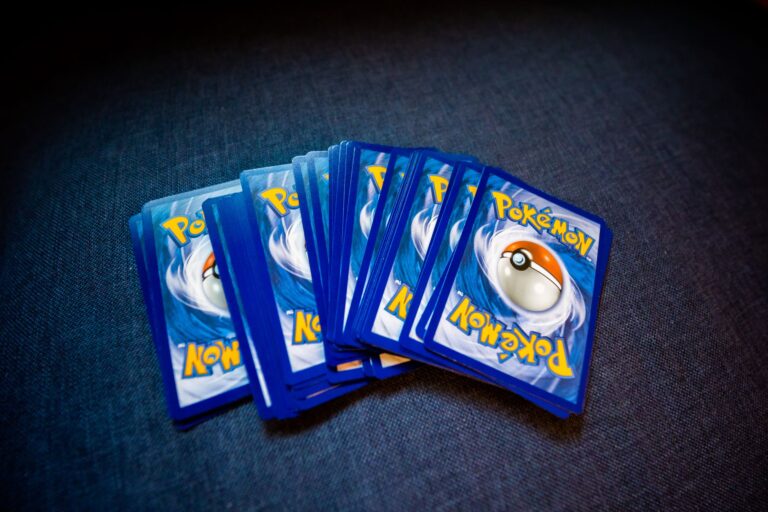
Yes, there are genuine bubble characteristics in the vintage Pokémon card market, but the situation is more complex than pure nostalgia-driven speculation. The 2020-2021 surge saw 1st Edition Base Set Charizards climb from $5,000-$10,000 to $200,000+, driven largely by social media hype, streaming communities, and pandemic-era investment appetite rather than fundamental changes in supply or demand from traditional collectors. However, not all vintage cards are overvalued, and dismissing the entire market as a bubble misses the real dynamics at play.
The nostalgia factor is significant but not the only driver. While the original Pokémon generation (born 1985-1995) certainly fuels demand, the market’s explosive growth came from a convergence of forces: Pokémon’s mainstream cultural resurgence through streaming, celebrity buyers entering the market, limited supply of graded high-condition cards, and low interest rates that pushed money into alternative assets. Understanding which cards are genuinely scarce versus overhyped is the key to navigating the market intelligently.
Table of Contents
- What Makes Vintage Pokémon Cards Susceptible to Bubble Dynamics?
- Market Correction and the Reality of Price Volatility
- The Collector vs. Speculator Divide
- How to Find Genuine Value Without Chasing Hype
- Authentication, Counterfeiting, and Market Manipulation Risks
- The Beanie Baby Parallel and Learning from History
- The Future of Vintage Pokémon Cards and Market Maturation
- Conclusion
What Makes Vintage Pokémon Cards Susceptible to Bubble Dynamics?
pokémon cards have several characteristics that make them vulnerable to speculative excess. First, there’s a genuine emotional connection: millions of people played these games and collected these cards as children, creating a powerful nostalgic pull. A parent finding their old Base Set in mint condition triggers a story—not just an asset purchase. Second, the supply of high-grade vintage cards is genuinely limited. A 1st Edition Shadowless Charizard in PSA 10 condition is objectively rare, with perhaps fewer than 100 copies known to exist.
However, this scarcity alone doesn’t create a bubble. What does is when price growth becomes untethered from fundamentals. Between 2020 and 2022, some common-originally cards saw astronomical appreciation—a Machoke Base Set card that sold for $15 in 2019 reached $500 briefly in 2021. This isn’t justified by any new information about the card’s rarity; it’s pure momentum trading. The market showed all the signs of bubble behavior: retail investors entering with no prior knowledge, celebrity appearances at auctions, flipping culture, and mainstream media coverage suggesting quick wealth.
Market Correction and the Reality of Price Volatility
The market has already corrected significantly from its 2021 peak. PSA card prices across most vintage categories have fallen 30-60% from their highs, though the decline wasn’t uniform. Top-tier cards (1st Edition Charizards, Blastoise, etc.) held value better, while mid-tier and common cards saw steeper drops. This volatility is a warning: if you bought an unlimited Charizard at $50,000 expecting it to continue climbing, you likely lost substantial money.
A critical limitation of the vintage card market is its illiquidity at high prices. While a PSA 8 Base Set Charizard might have an asking price of $100,000, actually selling it at that price can take months, involve finding specialized buyers, and may require accepting 10-20% below asking. For investors treating cards like stocks, this lack of liquidity is a significant risk. You can’t quickly exit a position, making these poor crisis assets. The market also showed signs of artificial price support—some dealers and sellers coordinating to maintain prices, comped sales that don’t actually execute at listed values, and auction results that may reflect dealer networks rather than true market demand.
The Collector vs. Speculator Divide
There’s a crucial distinction between genuine collectors and speculators, and the market’s volatility largely reflects an influx of the latter. A serious vintage card collector is typically building a collection based on the cards’ history, rarity, condition, and personal interest. They might spend $20,000 on a 1st edition Charizard because they’ve collected for 15 years, they understand the card’s place in the hobby’s history, and they plan to own it for the next 15 years. Speculators, by contrast, entered in 2020-2021 with charts and Reddit posts, expecting 50%+ annual returns.
This distinction matters because collectors provide stable demand while speculators create volatility. The infamous 2021 moment when Paul George (NBA player) announced he was buying Pokémon cards briefly inflated the market further, but when celebrity interest waned, prices corrected. Real collectors weren’t buying because a famous person was; speculators were. A specific example: Base Set Mewtwo cards were artificially hyped in late 2021 as an “undervalued” investment pick. Speculators drove the price up 400%, but genuine demand for the card remained low, and the price crashed back down by 75% within 18 months.

How to Find Genuine Value Without Chasing Hype
The most reliable vintage cards remain those with legitimate scarcity, cultural significance, and stable collector demand. 1st Edition Base Set Charizards, Blastoise, and Venusaur hold value better than other cards not because of hype, but because they’re the most iconic cards ever printed—they’re featured in base set photography, they’re the evolution line of the original game’s starter trio, and every serious collector wants at least one. Compare this to a 1st Edition Butterfree, which is equally old and equally scarce, but lacks the cultural weight. Butterfree won’t appreciate because fewer collectors actually want it. The tradeoff is between rarity and demand.
The scarcest card in Base Set is technically the 1st Edition Shadowless Charizard—maybe 100 in mint condition worldwide. But a 1st Edition Shadowless Machamp (similarly rare) is worth perhaps 20% of a Charizard’s price, despite being just as rare, because demand is lower. Smart collectors focus on cards that have both scarcity and genuine collector interest. This means reading collector forums, understanding what longtime hobbyists actually buy (not what TikTok is promoting), and being skeptical of sudden “sleeper pick” recommendations. Cards that surge 300% in a year typically crash 200% within two years.
Authentication, Counterfeiting, and Market Manipulation Risks
A serious risk in the vintage card market is counterfeiting. PSA and BGS grading services provide authentication, but even graded cards can be problematic if the grading service made an error or if a card was resubmitted for grading after restoration (which is unethical but documented). Beyond fakes, there’s the risk of market manipulation. Some dealers have been documented buying high-pop graded cards, removing them from circulation, and reselling them at higher prices—artificially constraining supply.
This practice inflates prices temporarily but ultimately harms the market’s credibility. Another warning: over-grading has been a periodic issue. If PSA graded a card as an 8 in 2010, but the same card would grade as a 6 by today’s standards, the historical price data is misleading. Condition standards can shift, and a card that cost $2,000 five years ago at a supposed 8 might now be worth only $800 at a 6, despite being the same physical card. This means relying on historical price data is risky; you need to compare like-for-like graded cards from the same era.

The Beanie Baby Parallel and Learning from History
The vintage Pokémon card market bears striking similarities to the Beanie Baby bubble of the 1990s. Both involved mass collecting of items with perceived scarcity, both saw retail investors entering en masse expecting wealth appreciation, both had price guides and grading services that lent credibility to inflated prices, and both crashed hard when the speculative wave ended. Beanie Babies went from $5,000-$50,000 each in 1998 to $5-$50 by 2005. The difference now is that Pokémon actually retains cultural relevance—the brand didn’t collapse—whereas Beanie Babies became largely irrelevant.
However, that difference matters. Some vintage Pokémon cards will likely hold value precisely because Pokémon remains a living, active brand. Game Freak and The Pokémon Company have an interest in keeping the original games and cards culturally relevant. They reprint and resell vintage card sets, acknowledge their historical importance, and leverage nostalgia in their marketing. This ongoing cultural currency provides some price support that Beanie Babies never had.
The Future of Vintage Pokémon Cards and Market Maturation
The market is likely settling into a more sustainable phase. Extreme speculation is fading, the easy returns have evaporated, and remaining interest comes increasingly from genuine collectors who understand what they’re buying. This is actually healthier long-term because it creates more stable pricing and attracts serious hobbyists rather than flippers. Prices for top-tier cards will probably stabilize around 50-70% of their 2021 peaks and gradually appreciate in line with nostalgia cycles and scarcity.
One forward-looking consideration: The Pokémon Company’s continued reprinting of vintage-style cards (like Pokémon 151) is keeping the hobby alive and accessible. This could cannibalize vintage card prices if new collectors choose affordable reprints over expensive originals, or it could expand the collector base and stabilize demand. Most likely, it creates a bifurcation where truly rare 1st Edition cards retain value while more common reprints compete with newer printings. The verdict: vintage Pokémon cards aren’t a pure bubble, but they’re not a guaranteed investment either.
Conclusion
The vintage Pokémon card market experienced genuine bubble characteristics between 2020 and 2022, with prices driven as much by speculation and hype as by fundamental scarcity. Nostalgia plays a real role, but it’s only one factor in a complex market that also includes authentic collector demand, speculative investing, and brand relevance. The market has corrected significantly, and prices for most cards have fallen from their peaks, though the most iconic and genuinely scarce cards have held value better than mid-tier or hyped picks.
The key to navigating this market is distinguishing between cards with lasting collector appeal and those that were primarily hyped. Focus on well-established scarcity (1st Edition Base Set icons), genuine demand from longtime collectors (not social media trends), and reasonable valuations relative to historical context. Avoid chasing recent price surges, be skeptical of “sleeper pick” recommendations, and understand that vintage cards are illiquid assets with real authentication risks. The market will continue, but patient, informed collectors will fare far better than those expecting quick speculative returns.