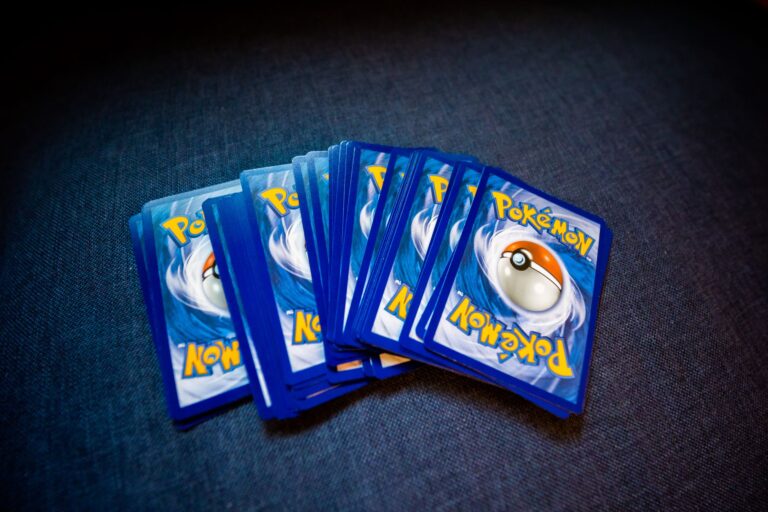
Pokémon Base Set cards will not necessarily lose value when millennials age out, but their price trajectory could shift significantly depending on how new collector generations engage with vintage cards. Unlike fads that collapse when a core demographic loses interest, Base Set cards have proven durable as collectibles through multiple market cycles. The market has already demonstrated this resilience: Pokémon cards have appreciated 3,261% over the past 20 years, making them the highest-performing card category historically. However, the current market structure—built heavily on millennial nostalgia and investment intent—does create real vulnerabilities if demand patterns change.
The more honest answer is that Base Set cards face a bifurcated future. High-grade vintage cards like PSA 9 Charizards (currently valued around $1,600) will likely retain meaningful value because they’re genuinely scarce and the original 1999 production run cannot be reprinted. But mid-to-low-grade cards and bulk Base Set inventory could face downward pressure if millennials exit the market and younger collectors don’t absorb demand. The deciding factor isn’t millennials’ age—it’s whether the investment market for vintage cards remains strong enough to sustain prices when millennial buyers eventually sell.
Table of Contents
- What Drives Millennial Demand for Base Set Cards?
- How Significant Is the Shift from Speculation to Real Collecting?
- What About Supply and Scarcity?
- Why Do Graded Cards Hold Value Better Than Raw Cards?
- What’s the Risk of Market Saturation from Modern Production?
- How Did the 30th Anniversary Impact Base Set Values?
- What Does the Moderate Growth Scenario Actually Look Like?
- Conclusion
- Frequently Asked Questions
What Drives Millennial Demand for Base Set Cards?
Millennials have been the dominant force in the Pokémon card market since the speculative surge of 2020-2021, blending nostalgia with genuine investment strategy. This generation was between ages 8 and 25 when Base Set cards launched in 1999, creating deep emotional connections to the hobby that adult collectors from other generations simply don’t possess. Millennials are now in their peak earning years (late 20s through 40s), giving them both capital and motivation to acquire cards they loved as children.
This demographic concentration created the conditions for the record $5.27 million Heritage Auctions sale in December 2025, which would have been impossible without millennial buying power. The vulnerability here is obvious: once millennials start liquidating collections for retirement, life expenses, or estate planning, who buys those cards? Younger Gen Z collectors exist but represent a much smaller and less wealthy cohort. They grew up with smartphones instead of card games and experienced Pokémon through digital channels. The original Pokémon 30th anniversary in February 2026 demonstrated ongoing millennial engagement—vintage Base Set cards saw 30-50% appreciation in the 12 months leading to the milestone—but this could be a swan song rather than proof of permanent support.

How Significant Is the Shift from Speculation to Real Collecting?
The Pokémon card market matured considerably between 2021 and 2026, shifting away from pure speculation toward genuine collector demand. During the 2020-2021 bubble, anyone with capital was buying graded cards as investments; now, the remaining buyers tend to be serious collectors building collections or investors with conviction in long-term appreciation. This is actually a stabilizing force. Speculators sell on any dip and amplify volatility, while collectors hold through downturns. The market that exists today is smaller in volume but more structurally sound.
However, this stabilization creates a ceiling on future growth. If millennials represented 70% of the speculative market and now represent 50% of genuine demand, that’s a net loss of market participants even if the remaining buyers are higher-conviction. Neo-era vintage holo cards (from 1999-2002) appreciated 15-25% heading into 2026, showing that Base Set cards still have momentum. But momentum is not the same as fundamental demand. The limiting factor for long-term value is simple: supply is fixed, but enthusiasm can fade. Without new generational cohorts developing collection passion (or without economic appreciation making card values expensive enough that younger collectors are priced out), the market tightens from the demand side.
What About Supply and Scarcity?
This is where Base Set cards have a genuine structural advantage. The Pokémon Company produced 9.7 billion cards in the most recent fiscal year, creating concerns about modern set saturation. But 1st Edition Base Set cards—the most valuable subset—were printed only once in 1999-2000, and millions of those cards were played with, lost, or destroyed. A PSA 9 1st Edition Charizard represents roughly one in several hundred thousand survivors from an original print run. That scarcity is permanent and irreversible.
Growing global collector demand combined with shrinking vintage supply has been identified as the most powerful driver of long-term price appreciation. This is the bedrock thesis for Base Set value: there are only so many mint-condition Base Set cards left, and demand from wealthy collectors worldwide will compete for them regardless of whether millennials remain engaged. A billionaire in Asia buying a PSA 10 Charizard doesn’t care if it’s a millennial buyer or not. The limitation here is that this dynamic only supports the most desirable cards. Lower-population cards and casual Base Set holos face real risk of demand erosion if millennial collectors age out without younger buyers stepping in.

Why Do Graded Cards Hold Value Better Than Raw Cards?
Graded cards—those authenticated and given a numerical grade by companies like PSA—command a 2-5x price premium over raw, ungraded versions of the same card. A PSA 10 can command 10x or more over a PSA 7, illustrating how sensitive Base Set prices are to condition. This grading premium serves as a value floor because it shifts the value proposition from “this is a card I like” to “this is a verified, sealed artifact with documented condition.” Institutions and serious investors prefer graded cards because the grade is objective and reproducible. The tradeoff is that grading is expensive (typically $20-50 per card at turnaround) and introduces a transaction cost that only justifies itself for cards worth $200+.
Most Base Set cards fall below this threshold, meaning the majority of collections are stuck in the raw card market. If millennials sell bulk collections of raw, lightly played Base Set commons and uncommons, those cards will flood the market with no grading premium to hold value. The high-end segment (graded holos and 1st Editions) will do fine. The mid-market could suffer significantly.
What’s the Risk of Market Saturation from Modern Production?
The Pokémon Company’s current production volume—9.7 billion cards annually—is staggering compared to 1999 production levels. This creates a two-tier market: vintage cards (genuinely scarce) and modern cards (abundant). The gap between these tiers is the real threat to Base Set value. If millennial collectors lose interest and younger generations treat Pokémon cards as a cheap hobby rather than an investment, then Base Set cards have to compete in the “nostalgia artifact” category against other retro collectibles. A PSA 8 Base Set Charizard might drop from $1,000 to $400 in that scenario—a real loss, though not a complete collapse. A warning: projections based on historical performance are misleading.
The 3,261% appreciation over 20 years happened during a period of extreme undervaluation (1999-2010, when Base Set cards were viewed as worthless kid stuff). That gap has been mostly closed. Current appreciation rates are much more modest. Under a moderate growth scenario, a $1,650 PSA 9 Charizard could reach approximately $2,700 in 10 years, assuming 5% annual growth and sustained collector interest. But a bear market scenario—where millennial demand falls and interest in vintage cards drops—could see the same card decline to below $1,000 at a -5% annual decline rate. The range between these scenarios is enormous.
How Did the 30th Anniversary Impact Base Set Values?
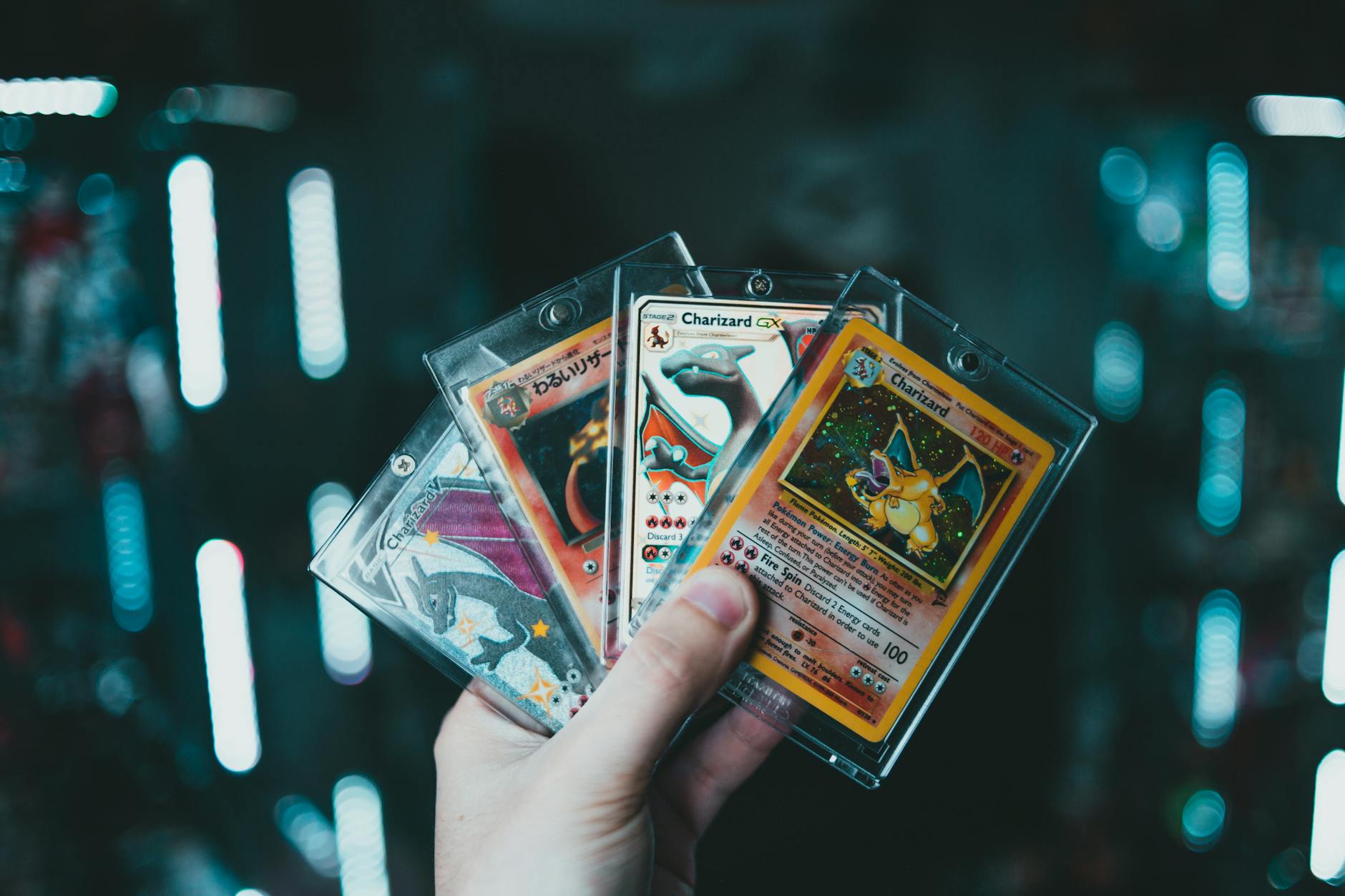
Pokémon’s 30th anniversary on February 27, 2026, triggered significant appreciation across vintage cards in the 12 months leading to the milestone. Many Base Set holos appreciated 30-50% in anticipation of the anniversary date, a phenomenon driven almost entirely by millennial and nostalgic collector enthusiasm. This surge demonstrates that millennial buyers still have purchasing power and emotional attachment to the hobby. Anniversary dates create natural moments for collectors to reassess their collections and make significant purchases.
The limitation is that anniversaries are discrete events. The 30th was the marketing moment for this generation. The 40th anniversary isn’t until 2036, and by then, the demographic composition of the collector base will have shifted substantially. If the anniversary surge was truly a millennial wealth effect—people celebrating their nostalgia with discretionary spending—then that effect will diminish over time as the average millennial collector ages from mid-40s to mid-50s and priorities shift toward retirement planning.
What Does the Moderate Growth Scenario Actually Look Like?
The most realistic path for Base Set value involves modest appreciation rather than explosive growth or collapse. In a healthy scenario where collectors continue valuing Base Set nostalgia and supply remains finite, vintage holo cards could appreciate at 3-5% annually. A $1,600 PSA 9 Charizard growing at 5% per year reaches approximately $2,700 in 10 years. This is genuine wealth creation but not remarkable—it’s below stock market historical averages and requires holding for a decade.
More importantly, this scenario assumes continued millennial engagement and assumes that new generations of collectors (Gen Z and younger) develop enough interest to absorb some selling pressure as boomers and older millennials liquidate. The forward-looking insight is that Base Set value increasingly depends on Asian and international collector demand rather than millennial nostalgia. Wealthy collectors in Asia and Europe are less connected to 1999 childhood memories but more interested in acquiring the most iconic and scarce cards as pure collectibles. This geographic diversification of demand reduces the “what happens when millennials leave” risk. A Charizard valued by a Tokyo collector isn’t vulnerable to American millennial retirement strategies.
Conclusion
Base Set cards will not lose all their value when millennials age out, but the trajectory is uncertain and depends heavily on collector demographics and international demand. The 3,261% historical appreciation and the record $5.27 million Heritage Auctions sale in December 2025 demonstrate that Base Set cards have genuine long-term appeal beyond temporary fads. Scarcity is real and permanent—the 1999-2000 print run will never be reprinted. However, the current market structure leans heavily on millennial engagement, and there’s no guarantee that younger generations will absorb demand if older millennials exit the market en masse.
For collectors and investors, the practical implication is to focus on the highest-grade, lowest-population cards (PSA 9-10, 1st Edition holos, key artwork) where value is anchored by fundamental scarcity. Mid-grade and bulk Base Set cards are riskier, especially raw cards without grading protection. The moderate growth scenario—5% annual appreciation reaching $2,700 for a $1,600 PSA 9 Charizard in 10 years—is achievable but not guaranteed. International demand and the transition of the market from millennial nostalgia to global collecting is the determining factor for long-term value preservation.
Frequently Asked Questions
If Pokémon Base Set cards lose value when millennials get older, should I sell now?
No. Selling now locks in current prices and assumes that younger collectors won’t emerge and that international demand won’t grow. If you hold high-grade cards (PSA 8+), the risk of total collapse is low. If you hold raw, lightly played commons and uncommons, value erosion is possible, but selling in a down market magnifies losses. Most collectors should hold their best cards and gradually liquidate lower-value inventory if needed for cash.
What’s the difference between Base Set and modern Pokémon card value?
Base Set cards benefit from genuine scarcity (original 1999-2000 production run, mostly destroyed or degraded over 25+ years) and high grading premiums (PSA 10 Charizard worth 50x+ more than PSA 6). Modern cards are produced in billions annually and have minimal grading premiums. Base Set’s scarcity is structural; modern card value is mostly dependent on hype and immediate demand.
Will younger collectors save the Pokémon card market?
Partially. Gen Z has shown some interest in Pokémon card collecting, but the financial barrier is significant. A PSA 8 Base Set Charizard costs several thousand dollars. Most younger collectors buy modern cards instead, which is better for Pokémon Company but not supportive of vintage Base Set prices. International wealthy collectors are more likely to sustain Base Set values than domestic younger generations.
How much will my Base Set card collection drop in value?
It depends entirely on what you own. Graded 1st Edition holos (Charizard, Blastoise, Venusaur) will likely hold 70-90% of current value over the next 10 years. Non-1st Edition holos might decline 20-40%. Raw, lightly played Base Set commons and uncommons could lose 50%+ of value if supply floods the market. The worst outcome for low-value cards is that they become so cheap that grading them costs more than the card’s value.
Is the Pokémon card market still a good investment in 2026?
No, not for average investors. The best entry points were 2015-2019, when Base Set cards were undervalued. Prices today are fair to high relative to historical averages. You might see 3-5% annual returns on high-grade vintage cards, which is below stock market performance and requires holding for decades. Collect because you love the hobby, not for financial returns.
What should I do with my Base Set collection if millennials lose interest?
Diversify your holdings. Keep your 1st Edition holos and PSA 9-10 cards indefinitely—they’re anchored by scarcity. Gradually liquidate non-1st Edition holos and lightly played cards while the market is still strong. Don’t hold onto bulk inventory hoping for appreciation. If you have thousands of raw Base Set cards, consider selling the best ones and donating or selling the rest in bulk lots to avoid negative returns.