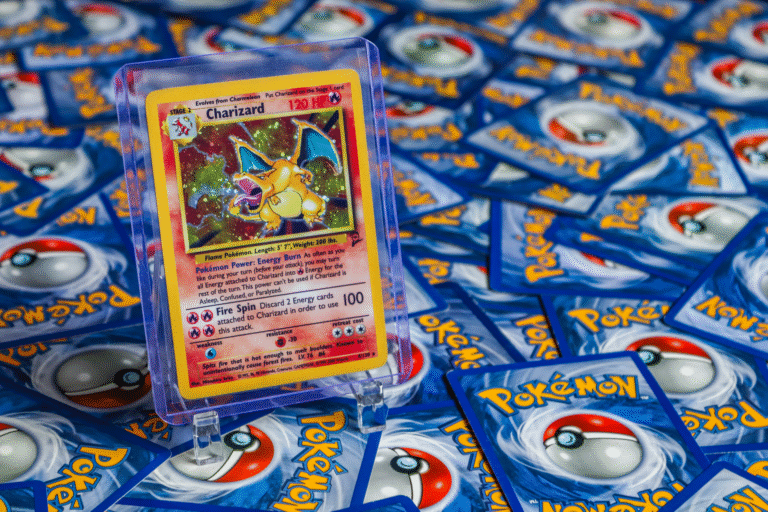
YouTube hype matters for vintage Pokemon card buyers because it directly influences which cards appreciate in value and which ones stagnate in the secondary market. When a popular YouTuber showcases a vintage card—whether through a pack opening, grading video, or collection tour—the visibility can trigger a surge in demand that pushes prices up, sometimes dramatically. For example, when a major Pokemon card YouTuber opened a sealed 1999 Shadowless Charizard booster box in 2021, the video generated millions of views and led to a noticeable uptick in Charizard card prices across the market within weeks.
The hype creates a feedback loop: more viewers see the card, more collectors want it, and prices reflect that newfound desirability. Understanding YouTube’s influence helps collectors make better purchasing decisions and avoid overpaying for cards that are popular purely because of trending content. A card’s intrinsic rarity, condition grade, and historical significance should always be the foundation of any investment decision, but YouTube hype can temporarily—or sometimes permanently—change what collectors are willing to pay. This means savvy buyers need to distinguish between sustainable price appreciation driven by fundamental scarcity and temporary spikes driven by fleeting internet attention.
Table of Contents
- How YouTube Creators Shape Vintage Card Demand
- The Risk of Temporary Hype Versus Real Value Appreciation
- YouTuber Credibility and Its Effect on Market Perception
- Timing Your Purchases in a YouTube-Driven Market
- The Inflation of Prices for Already-Rare Cards
- YouTube’s Role in Legitimizing Vintage Card Collecting
- The Future of YouTube Hype in an Evolving Market
- Conclusion
- Frequently Asked Questions
How YouTube Creators Shape Vintage Card Demand
youtube‘s impact on vintage Pokemon card pricing works through several mechanisms. First, content creators with large audiences expose cards to hundreds of thousands or even millions of viewers in a single video. This exposure converts casual fans into active buyers who may have never considered collecting vintage cards before. Second, YouTubers often provide detailed information about cards—their history, why they’re rare, what makes them valuable—that educates the broader market and establishes cards as “must-haves” in the collector community.
A concrete example of this effect occurred with the Base Set Shadowless cards in the mid-2010s. Before YouTube became the dominant platform for card content, these cards were known within collector circles but hadn’t reached mainstream awareness. As more creators produced videos about the differences between Shadowless and Unlimited prints, demand increased substantially, and prices for high-grade Shadowless cards nearly doubled within a few years. The cards didn’t become more rare; their visibility did. Another comparison point is lower-grade vintage cards—a PSA 4 or PSA 5 Charizard from Base Set may cost significantly more today than it would have a decade ago, largely because YouTube content made collectors comfortable buying damaged vintage cards rather than only seeking pristine condition.

The Risk of Temporary Hype Versus Real Value Appreciation
Not all YouTube-driven price movements are sustainable. Some cards experience sharp price spikes when featured in viral videos, only to see those gains evaporate when the hype cycle moves to a new card or trend. This is a critical limitation that collectors need to understand: just because a card appears in a video from a major creator doesn’t mean it’s a good long-term investment. Cards that lack fundamental scarcity or historical significance can see their demand collapse as quickly as it rose.
A warning here is essential: cards that trend on YouTube are often the ones most likely to see price corrections. When thousands of people rush to buy the same card because they saw it in a popular video, the market becomes oversaturated with sellers once the hype fades. Additionally, some YouTubers inadvertently create false scarcity by featuring the same small set of high-value cards repeatedly, which distorts what newcomers think is typical or achievable in the hobby. The real value appreciation comes from cards with genuine rarity—limited print runs, early release variants, or cards with historical significance—not from cards that simply had good lighting in a viral video.
YouTuber Credibility and Its Effect on Market Perception
Not all YouTubers have equal influence on pricing. Creators with verifiable expertise, transparent grading standards, and established reputations have substantially more power to move markets than newer or less credible channels. A video from a respected figure in the Pokemon card community will generate more legitimate buyer interest than the same content from an unknown account. This credibility gap means that the same card can receive different market responses depending on who is showcasing it.
Consider the difference between a video from a well-known vintage card expert versus a clickbait-heavy channel that exaggerates card conditions or values. The expert’s audience tends to make more informed purchasing decisions, while the clickbait channel’s viewers are more likely to overpay and regret their purchases later. Established YouTubers also benefit from long-term audience relationships where viewers trust their assessments and recommendations. This trust translates into more sustained demand shifts rather than momentary spikes. However, even credible creators can unintentionally inflate short-term prices simply by bringing attention to cards that were previously undervalued—which may actually benefit collectors who were already holding those cards, but disadvantages newcomers who buy in at the peak.

Timing Your Purchases in a YouTube-Driven Market
Smart collectors need strategies to navigate YouTube hype without overpaying. One effective approach is to wait for the hype cycle to complete before making major purchases. When a card spikes in price due to YouTube attention, resist the urge to buy immediately. Monitor the price over the following weeks and months to see if it stabilizes at a new level or retreats toward pre-hype prices. If it settles at a new plateau, that suggests the YouTube exposure created a permanent shift in market perception.
If it drops significantly, you’ve avoided an inflated purchase. Another strategy is to focus on cards that YouTubers overlook or undervalue. While the community’s attention is concentrated on the obvious collectibles, well-researched buyers can sometimes find better value in adjacent cards or lower-grade versions of popular cards. For example, if everyone is bidding up PSA 9 versions of a particular card, the PSA 7 or PSA 8 versions might still be reasonably priced and offer better long-term value. The tradeoff, of course, is that you’re investing more time in research and may need to accept that your card won’t see the same viral moment as the heavily featured versions. However, you’re also protected against buying at an artificial peak.
The Inflation of Prices for Already-Rare Cards
YouTube hype has a particular danger when applied to cards that were already expensive and sought-after. High-grade vintage Charizards, Blastoise, and other classic cards have always commanded premium prices, but YouTube exposure has pushed some of these cards to almost speculative levels. A PSA 10 Base Set Charizard sold for over $300,000 in 2021, partly due to YouTube’s role in elevating Pokemon collecting as a mainstream hobby.
This is a warning to collectors considering these ultra-premium cards: the price may reflect both scarcity and hype, and distinguishing between the two is nearly impossible in real-time. Another limitation is that as prices rise due to hype, the market becomes smaller and more illiquid. Fewer people are willing or able to purchase a $100,000+ card, which means when you do try to sell, you may have difficulty finding a buyer at your asking price. YouTube hype can inflate demand in the hundreds-to-thousands dollar range, where many collectors operate, but at the ultra-high end, hype alone isn’t sustainable—the buyer pool is constrained by economics rather than by attention.

YouTube’s Role in Legitimizing Vintage Card Collecting
Beyond short-term pricing effects, YouTube has played a crucial role in legitimizing vintage Pokemon card collecting as a serious hobby and investment category. Before video platforms made collecting accessible and entertaining, vintage cards were primarily discussed in niche forums and magazines. YouTube transformed the hobby into mainstream entertainment, which brought serious money and institutional interest into the space.
Auction houses, heritage collectors, and investment funds now take Pokemon cards seriously partly because YouTube has demonstrated a large and passionate audience. This mainstream validation has a lasting effect on pricing, separate from individual hype cycles. Cards that might have been valued at $50 twenty years ago can now command prices in the thousands or tens of thousands, partly due to YouTube’s role in expanding the collector base. This is different from temporary hype—it’s a permanent shift in how the market values these items, driven by increased visibility and cultural awareness.
The Future of YouTube Hype in an Evolving Market
As the Pokemon card market matures, YouTube’s power to move prices may evolve in different ways. On one hand, as more collectors become sophisticated and aware of hype cycles, they may be less susceptible to viral spikes and more focused on fundamental value. On the other hand, new generations of collectors will continue to discover the hobby through YouTube, ensuring that platform remains influential.
The cards that will appreciate most reliably in the future are likely those with both genuine scarcity and sustained YouTube attention—cards that remain relevant across multiple content cycles rather than fading away after a single viral moment. What’s becoming clear is that YouTube hype is now a permanent part of the vintage Pokemon card market. Rather than trying to ignore it or avoid it entirely, collectors who understand its mechanics can use it to their advantage. By recognizing which cards have lasting appeal versus which are momentary trends, buyers can make more informed decisions and build collections that appreciate over time rather than depreciate after the hype dies down.
Conclusion
YouTube hype matters for vintage Pokemon card buyers because it influences pricing, creates new demand, and shapes which cards are considered desirable. However, not all YouTube-driven price movements are sustainable or reflect true value. The most successful collectors distinguish between cards that have genuine scarcity and historical importance versus those that are expensive purely because they appeared in a popular video.
Understanding this difference is the key to making investments that appreciate over the long term rather than building a collection of temporarily inflated assets. The practical takeaway is to use YouTube as a research and learning tool, but not as the primary driver of your purchasing decisions. Follow credible creators to stay informed about the market, but make your own assessment of a card’s value based on its rarity, condition, and long-term demand. Wait out the hype cycles, focus on cards with fundamental scarcity, and you’ll build a collection that outperforms the market and weathers the inevitable trend cycles that social media creates.
Frequently Asked Questions
Will a card I buy during a YouTube hype peak always lose value?
Not necessarily. If the card has genuine scarcity and the YouTube exposure creates a permanent shift in collector awareness, the price may stabilize at a new, higher level. However, you run the risk of buying at the peak if you don’t give the market time to adjust. Waiting a few weeks after a major YouTube mention can help you identify which price spikes are sustainable.
How do I know if a YouTuber’s influence is credible?
Look at their track record of grading accuracy, whether they’ve been in the hobby for years, and whether their audience respects their opinions. Established creators often have verifiable credentials or long histories of consistent, honest assessments. Newer channels or those focused on sensationalism tend to have less reliable influence.
Should I avoid buying cards that YouTubers recommend?
No, but buy strategically. YouTubers often recommend good cards; the problem is timing. If a card is already spiking in price due to recent YouTube attention, wait before buying. If a YouTuber recommends a card that hasn’t yet seen price movement, you may be getting in before the hype, which is a better position.
Are lower-grade vintage cards a safer investment than high-grade ones in a hype market?
Lower-grade cards are generally less susceptible to extreme hype spikes because they appeal to a different buyer segment—budget-conscious collectors rather than completionists seeking pristine examples. However, they also tend to appreciate more slowly over time. The safety versus upside tradeoff is important to consider.
Can YouTube hype create real value for cards that weren’t rare before?
YouTube can’t create true scarcity, but it can create perceived scarcity by driving up demand. If demand increases faster than supply, prices rise. However, once the hype fades, these cards often return to lower prices unless the YouTube exposure created a lasting shift in collector interest.
What’s the best way to profit from YouTube hype as a collector?
The safest approach is to hold cards you believe have fundamental value and let YouTube hype drive appreciation over time, rather than trying to time the hype cycle. If you do want to capitalize on hype, buy cards before they’re featured in major videos and sell after the initial spike, but this requires luck and market knowledge that most collectors don’t have.