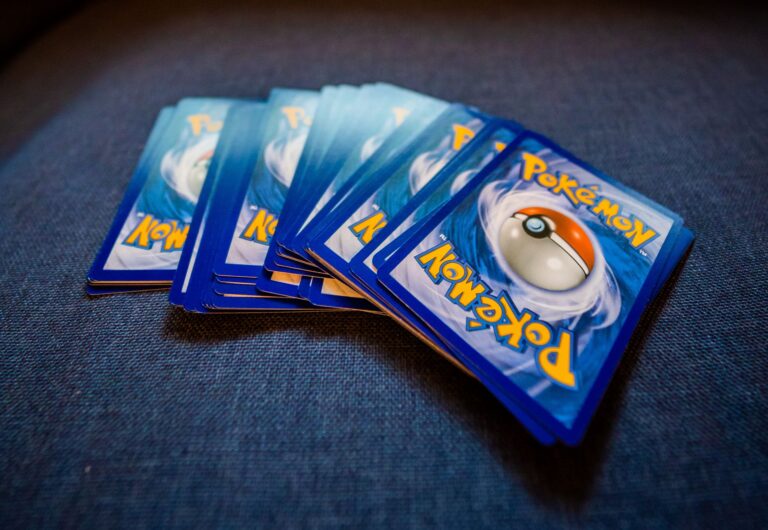
Sports card fatigue matters for vintage Pokemon card buyers because it creates market correction opportunities that directly affect pricing, demand, and the true value of older cards. When the broader collectible card market experiences burnout from overproduction, speculative excess, and consumer exhaustion, vintage Pokemon cards—particularly those from the 1990s and early 2000s—often become the beneficiary of a flight to quality. A collector who bought a PSA 8 Shadowless Charizard in 2022 during peak market euphoria would have paid significantly more than the same card commands today, even though the card itself hasn’t changed. Market fatigue strips away speculative premium and reveals what collectors actually believe vintage cards are worth.
The distinction matters because fatigue operates differently across market segments. Modern Pokemon card sets experience the heaviest fatigue because the supply is theoretically unlimited and print runs are massive. Vintage cards, conversely, have finite supply and historical significance that transcends temporary market cycles. Understanding how general sports card fatigue reshapes the vintage segment helps buyers avoid purchasing at inflated peaks and recognize when authentic scarcity premium is actually justified. This is not the same as saying vintage cards become cheap during downturns—it means their prices reflect fundamental value rather than speculative frenzy.
Table of Contents
- Why Does Sports Card Market Fatigue Hit Modern Cards Harder Than Vintage Pokemon?
- The Boom-and-Bust Cycle of Trading Card Collectibles and Its Timing
- Modern Card Oversaturation’s Effect on Vintage Demand and Pricing
- How Vintage Pokemon Cards Benefit from Market Cooling and Investor Exit
- The Risk of Timing the Market Wrong During Fatigue Periods
- Identifying True Vintage Value Beyond Market Hype
- What Market Recovery Means for Long-Term Vintage Pokemon Collectors
- Conclusion
- Frequently Asked Questions
Why Does Sports Card Market Fatigue Hit Modern Cards Harder Than Vintage Pokemon?
The severity of fatigue differs dramatically based on card age and supply economics. Modern Pokemon TCG sets—like Scarlet and Violet or recent expansions—face genuine oversupply because Pokémon Company International can print effectively unlimited quantities as long as demand exists. When retailers and distributors absorb too much inventory and consumer enthusiasm cools, prices collapse. A booster box that cost $95 retail in early 2023 might sell for $60 or less two years later. Vintage cards from the 1990s, meanwhile, have fixed supply: no more will ever be printed, making their scarcity non-negotiable regardless of market mood. This supply asymmetry creates a filtering effect.
During boom periods, speculative buyers flood into both modern and vintage simultaneously, inflating vintage prices beyond their intrinsic scarcity value. During market contraction, speculators exit both segments but their exit patterns differ sharply. Modern card holders face actual price destruction because oversupply continues to weigh on the market. Vintage card holders, conversely, see speculative premium evaporate but the underlying card still represents genuine rarity. A first edition Base Set Blastoise with strong centering and clean corners remains genuinely scarce whether the market is exuberant or subdued. The card itself is unchanged; only the multiple that collectors are willing to pay shifts downward.

The Boom-and-Bust Cycle of Trading Card Collectibles and Its Timing
Trading card markets historically follow boom-and-bust patterns driven by media attention, nostalgia waves, and investor participation. The 2020-2021 Pokemon boom occurred because three forces aligned: pandemic-driven spending, a Netflix-era nostalgia surge, influencer marketing, and financial speculation treating cards as alternative assets. Grading services couldn’t keep pace with submissions. Market prices doubled or tripled in months. Then equilibrium slowly reasserted itself through 2022-2024 as media attention faded, investor capital moved elsewhere, and oversupply in modern sets became undeniable. The critical limitation here is predictive accuracy.
Even seasoned collectors struggle to identify when a market has peaked or bottomed in real-time. A collector might recognize that vintage cards are overvalued relative to fundamentals but still hold for two more years waiting for a higher peak, leaving profit on the table. Conversely, selling during a downturn can mean exiting just before a recovery cycle begins. Vintage Pokemon cards offer some protection against this timing risk because their upward long-term trajectory is steeper than downturns; a card that drops 30% during a correction is more likely to recover and exceed previous highs than a modern set card in the same position. However, this is a trend, not a guarantee. Recovery takes time, and patient capital is required.
Modern Card Oversaturation’s Effect on Vintage Demand and Pricing
When the modern card market becomes oversaturated, it actually increases demand for vintage Pokemon cards among serious collectors. This is a substitution effect: buyers who might have allocated capital to modern products during bullish periods instead shift attention to vintage options where supply is genuinely limited. The 2023-2024 period demonstrated this clearly. Modern set prices deteriorated as retailers slashed inventory, but PSA-graded vintage Base Set cards saw renewed interest from collectors viewing them as more defensible positions.
The caveat is that this shift is cyclical rather than permanent. During peak enthusiasm for modern cards, vintage prices can stagnate or even decline because capital flowing into cards overall favors the latest releases and hottest new products. A collector who bought vintage exclusively during the 2020 boom period and held through 2022-2024 would have experienced periods of negative returns despite owning genuinely scarce pieces. The market’s overall allocation between modern and vintage segments changes with sentiment. Vintage benefits from this reallocation when modern markets cool, but the benefit is temporary rather than structural—it lasts until the next cycle of modern product enthusiasm begins.

How Vintage Pokemon Cards Benefit from Market Cooling and Investor Exit
Market cooling removes speculative premium but often reveals stronger fundamental pricing for vintage cards. When investor interest declines, price discovery becomes clearer because remaining buyers are primarily collectors motivated by nostalgia, completion, or genuine rarity interest rather than resale expectations. A PSA 9 unlimited Gyarados might have sold for $8,000 in early 2022 to a portfolio investor. During a cooler market in 2024, the same card in a sales listing might show realized prices of $5,500-$6,200. This represents a loss for the investor but potentially fair value for a serious collector acquiring it for a personal collection.
The tradeoff is liquidity versus valuation. During frothy markets, vintage cards sell quickly but often to the wrong buyers at inflated prices. During cool markets, pricing may be more rational but finding buyers requires patience and active listing management. A buyer seeking vintage cards should expect lower prices during downturns—a genuine advantage—but should also accept that selling those cards later may require waiting for the next sentiment cycle. Vintage Pokemon cards are not liquid assets like stocks; buyers cannot simply execute market orders. The benefit of cooler markets is more defensible purchasing prices, not faster transaction times.
The Risk of Timing the Market Wrong During Fatigue Periods
Buyers attempting to time market troughs face the risk of catching a falling knife. A collector might observe that vintage card prices have declined 25% from 2022 peaks and conclude that this represents good value, then watch prices fall another 30% over the following 18 months. There is no reliable market timing mechanism in the collectibles space. Even professional dealers and auction houses struggle to call market bottoms with accuracy. A specific example: high-grade First Edition Charizard (PSA 7-8 range) peaked in early 2021 near $15,000-$18,000 levels. By late 2024, comparable examples traded in the $8,000-$11,000 range.
A buyer who purchased at $12,000 in mid-2022 believing they were buying the dip would have faced holding periods of 2-3 years just to break even on those prices. The limitation is particularly severe for cards in the $500-$5,000 range where collector psychology fluctuates significantly. These price points represent serious money for individual collectors but not significant enough for institutional dealers to maintain continuous inventory. When market attention shifts, these cards can experience volatile repricing. The safer approach during market fatigue is to purchase vintage cards you genuinely want to own for your collection rather than attempting to optimize entry prices. A card purchased at a price you find acceptable for personal enjoyment will feel less burdensome if prices decline further. A card purchased primarily for speculation leaves you vulnerable to the emotional and financial consequences of market timing failure.

Identifying True Vintage Value Beyond Market Hype
The fundamental value of a vintage Pokemon card derives from scarcity, condition, historical significance, and collector demand for completion. A PSA 6 first edition Base Set Blastoise is objectively rarer than a PSA 9 unlimited Blastoise because first edition copies in lower grades are genuinely scarce in the market. This scarcity creates persistent value that transcends market cycles.
Conversely, a modern Japanese promo card, even if limited to 5,000 copies, lacks the historical depth and completion-set appeal that drives vintage buying patterns. To identify true vintage value, look for cards meeting multiple criteria: original release date (ideally 1995-2002 base era), historically significant cards within their set (holographic rares, shadowless variants, first editions), condition rarity (high grades becoming exponentially rarer), and documented scarcity in sales history. A card meeting 3-4 of these criteria is more likely to retain value through market fatigue cycles than a card meeting only one. For example, a shadowless Holo Rare Base Set card in PSA 6-7 condition checks multiple boxes—age, variant rarity, condition rarity—making it more resilient than a modern unlimited holofoil that is technically old but was mass-printed.
What Market Recovery Means for Long-Term Vintage Pokemon Collectors
Market recovery patterns in collectibles typically begin with renewed media attention or nostalgia cycles rather than algorithmic signals. The original Pokemon TCG boom of 2020-2021 was triggered by Jake Paul’s social media presence and the Pokémon 25th Anniversary campaign. Future cycles will likely follow similar patterns—generational nostalgia waves, major media releases (films, television, game remasters), or celebrity/influencer rediscovery. When these cycles restart, vintage Pokemon cards that buyers acquired during cool periods become positioned for appreciation.
A collector who purchased vintage cards at 2024 prices during market fatigue would likely see value appreciation once genuine new demand emerges. The forward-looking insight is that vintage Pokemon cards occupy a unique position in the collectibles landscape: they are old enough to have genuine scarcity and nostalgia appeal, yet young enough that original buyers and completionists are still active in the market. This creates recurring upward pricing trends across longer time horizons despite temporary market cycles. The buyer who purchases vintage Pokemon cards during fatigue periods with a 5-10 year holding horizon is typically positioned favorably relative to buyers who entered during peak enthusiasm. Market recovery does not require timing perfection—it requires owning the right cards at reasonable prices.
Conclusion
Sports card fatigue matters for vintage Pokemon buyers because it separates speculative excess from genuine rarity value. Understanding that fatigue operates differently across market segments—hitting modern cards with supply-driven collapse while vintage cards experience speculative premium evaporation—allows buyers to recognize when vintage prices reflect overshooting rather than justified scarcity. The practical benefit is clearer decision-making: buying vintage cards you genuinely want during cool markets at defensible prices reduces the emotional burden of inevitable price fluctuations.
The path forward for vintage Pokemon buyers is patient accumulation during periods of reduced market enthusiasm, focused on cards with multiple dimensions of scarcity and historical significance. Market cycles are inevitable, but vintage cards with authentic rarity and collector appeal have consistently demonstrated upward long-term trajectory regardless of which cycle is in effect. By understanding why fatigue matters and where vintage cards derive their value, buyers can move beyond reactive decision-making and build collections aligned with actual scarcity rather than temporary sentiment.
Frequently Asked Questions
How long does sports card fatigue typically last?
Market fatigue cycles in collectibles typically last 18-36 months from peak enthusiasm to stabilization, though full recovery can take 4-7 years. The timeline depends on broader media attention and nostalgia catalysts rather than predetermined schedules.
Should I wait for prices to bottom before buying vintage Pokemon cards?
No. Timing market bottoms is unreliable even for professional dealers. Instead, purchase vintage cards you genuinely want to own at prices you find acceptable, with a multi-year holding horizon. This removes the emotional burden of waiting for a mythical bottom.
Are vintage Pokemon cards in high grades more resilient to market fatigue?
Yes, but with nuance. High-grade cards (PSA 8-10) maintain premium pricing better during downturns because genuine scarcity in top condition creates persistent demand. Mid-grade cards (PSA 6-7) experience larger percentage declines because speculative buyers exit this tier first.
What vintage cards are least affected by market fatigue?
Cards meeting multiple scarcity criteria—first edition variants, shadowless Base Set holographics, and condition-rare examples—remain relatively stable during downturns. Mass-printed modern-era reprints experience sharper fatigue impact.
Is this a good time to buy vintage Pokemon cards?
That depends on your timeline. If you have 3-5+ year horizons and want cards for personal collection enjoyment, cool markets provide excellent pricing. If you need liquidity or quick appreciation, wait for market recovery signals.
How do I know if a vintage card price is fair value during market fatigue?
Compare recent (past 90 days) realized sales prices for the same card in equivalent condition, check multiple grading houses’ records if available, and cross-reference across auction sites. Fair value during fatigue periods typically reflects 20-40% discounts from peak enthusiasm pricing.